




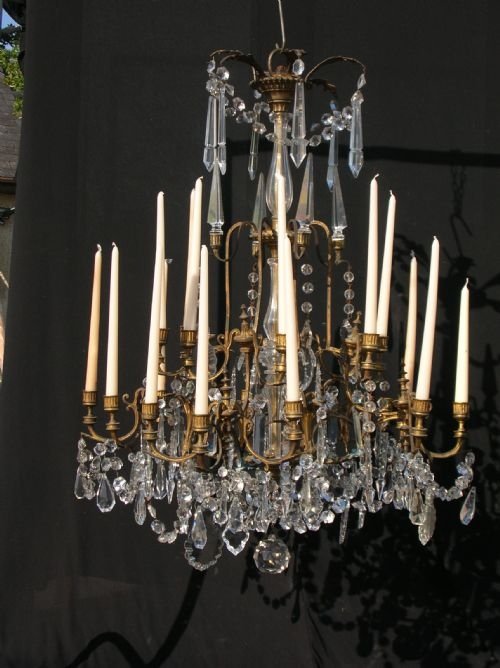


Vintage Candelabra Pendant
These vintage candelabra pendant fixtures combine functional overhead illumination with ornamental branched candle forms, bringing period character and warm light to any room.
Vintage Candelabra Pendant
When you search for a vintage candelabra pendant, you are looking at overhead hanging light fixtures that take their design cues from traditional branched candle holders. These pieces bridge the gap between structural ceiling lighting and ornate candelabra forms, originating from various European design traditions.
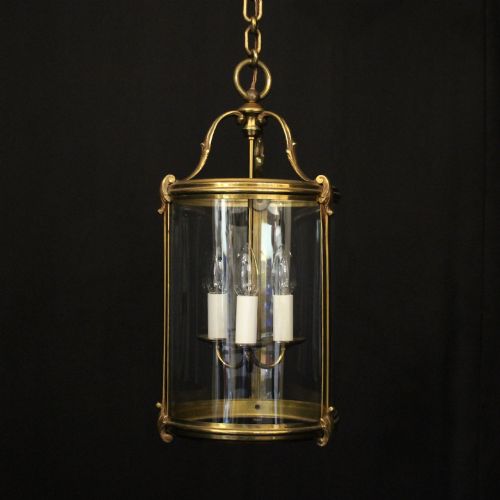
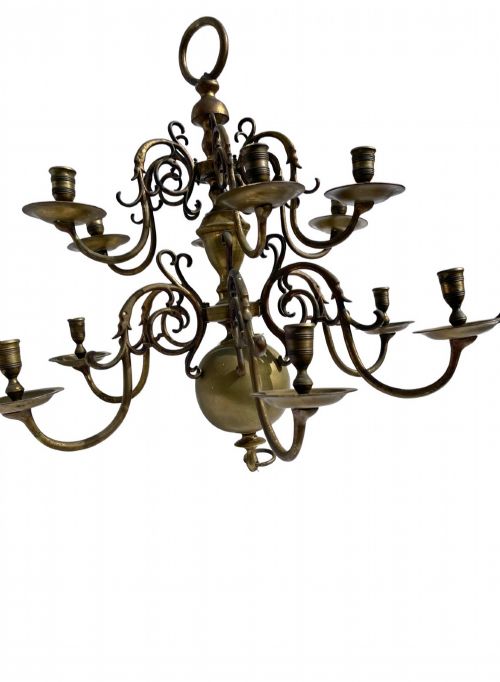
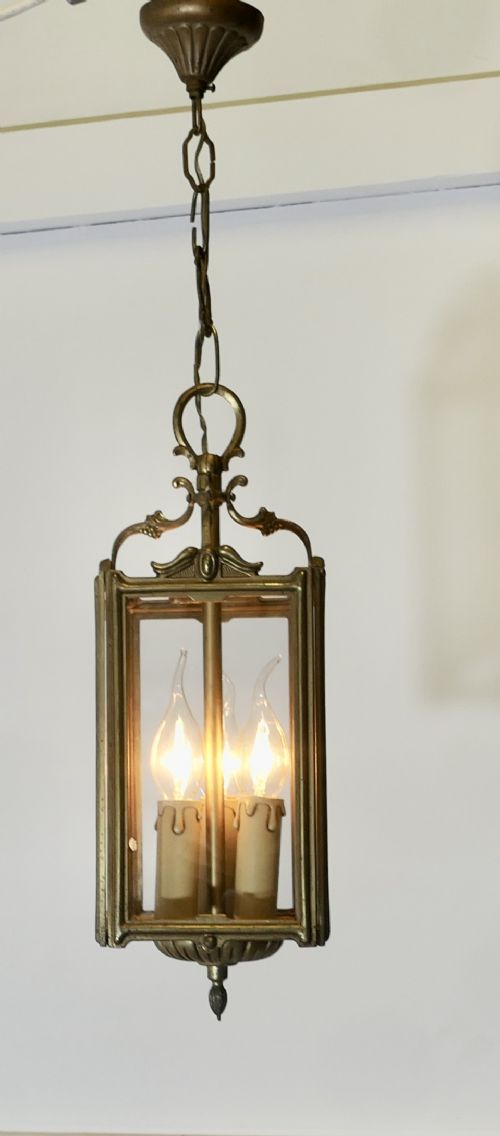
You are most likely to meet pieces from the nineteenth century, alongside examples from the 1920s and 1930s. Forms range from multi-branched brass and crystal chandeliers to convex hall lanterns and hanging lights incorporating neoclassical, rococo revival, or art deco styles.
The materials and construction reflect a strong French influence, with French chateau, baroque revival, and gothic aesthetics appearing frequently across the selection. These fixtures serve as central decorative statements, designed to cast ambient light from elevated positions in domestic interiors.
How they were made
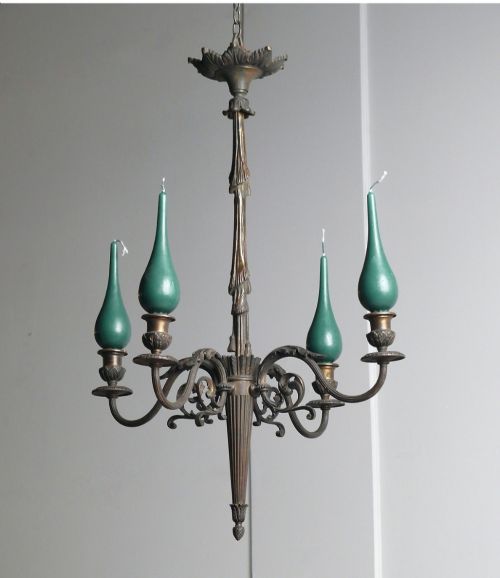
The construction of these fixtures relies heavily on metalworking traditions, utilising brass, gilt brass, bronze, and gilt bronze for the structural frames and decorative arms. These metals are cast, chased, and occasionally gilded to provide a durable and reflective framework that supports the weight of the design.
Glass elements form an essential part of the manufacture, incorporating cut glass and crystal prisms, drops, and etched panels that refract and multiply the light emitted from the bulbs or candles. These glass components are hand-cut and wired or pinned into place on the metal armature.
Stylistic details such as cherubs, scrolling foliage, and architectural motifs are integrated directly into the metal castings, demonstrating period craftsmanship that mirrors historical furniture and interior ornamentation.
Vintage Candelabra Pendant Retail Price Guide 2026
Typical asking prices for vintage candelabra pendant among the pieces listed under this phrase on Sellingantiques today, from the lower quarter to the upper quarter. They describe what is for sale here now, not the wider market.
Listings feature pieces spanning the 19th Century, Regency period, and the 1920s to 1930s, utilising brass, bronze, crystal, and glass.
What varies in quality
The standard of metal casting and chasing establishes the foundational quality of a piece, distinguishing sharp, deeply modelled ornamentation from softer, shallow details. Heavier bronze and brass frames with crisp relief work represent the higher end of production compared to lighter, less detailed alloy castings.
The presence and cut of the glass components create another clear division in standard, where heavy, hand-cut crystal drops with precise facets scatter light more brilliantly than plain moulded glass. The integration of the glass with the metal frame - using secure pins and well-fitted sockets - speaks to the care taken during initial assembly.
Coherence of style also separates individual pieces, with unified design periods like Regency or French Neoclassical showing a strict adherence to historical proportion and decorative restraint, whereas lower-tier revival pieces can sometimes crowd too many disparate motifs onto a single frame.
The Vintage Candelabra Pendant Glossary
- Candelabra pendant
- A hanging light fixture designed with multiple branches that imitate traditional standing candleholders. These pieces suspend from the ceiling to provide both direct and ambient illumination.
- Gilt bronze
- Bronze metal that has been coated with a thin layer of gold or gold-coloured leaf. This technique provides a rich, warm surface finish that resists tarnishing over time.
- Crystal
- High-clarity glass containing lead oxide, which increases its weight, refractive index, and sparkle. It is shaped into prisms and drops to hang from chandelier arms.
- Convex hall lantern
- An enclosed ceiling light featuring curved glass panels set within a metal frame. It was traditionally hung in entrance halls to protect the light source from drafts.
- Rococo revival
- A nineteenth-century design style that revives the asymmetrical scrolling curves, shell motifs, and naturalistic ornamentation of the eighteenth-century rococo movement.
Vintage Candelabra Pendant: Frequently Asked Questions
What defines a vintage candelabra pendant?
A vintage candelabra pendant is a suspended ceiling light featuring branched arms styled after traditional candleholders. These fixtures adapt historical lighting formats for modern electrical use while retaining decorative metal and glass elements.
They draw on periods ranging from the nineteenth century through the early twentieth century, incorporating styles such as French rococo, art deco, and gothic revival.
How do I identify the style?
Style identification relies on examining the decorative motifs and structural proportions of the metal frame. Neoclassical examples feature symmetrical restraint and classical architectural details, whereas rococo pieces display asymmetrical scrolls and organic plant forms.
Later pieces from the 1920s and 1930s often adopt cleaner geometric lines characteristic of art deco design, while retaining the foundational candelabra silhouette.
What materials are most common?
Brass and bronze form the primary structural materials, frequently enhanced with gilding to create a bright, reflective surface. Crystal and cut glass are also widely used, appearing as hanging prisms, drops, or curved lantern panels.
These materials were chosen for their durability and their ability to interact with light, amplifying the brightness of the fixture within the room.