

Vintage Cabinet with Shelf
A vintage cabinet with shelf offers practical storage and display space, drawing on periods from the nineteenth century to the twentieth.
Vintage Cabinet with Shelf
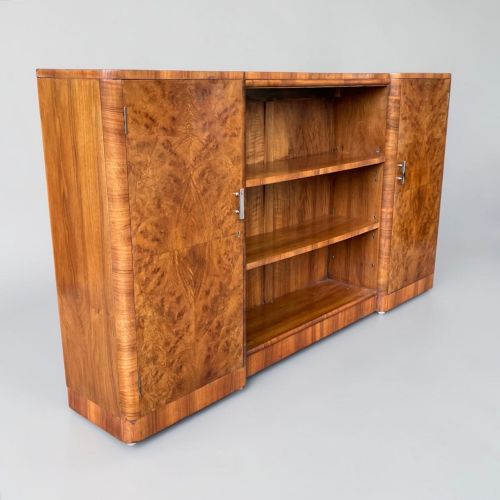
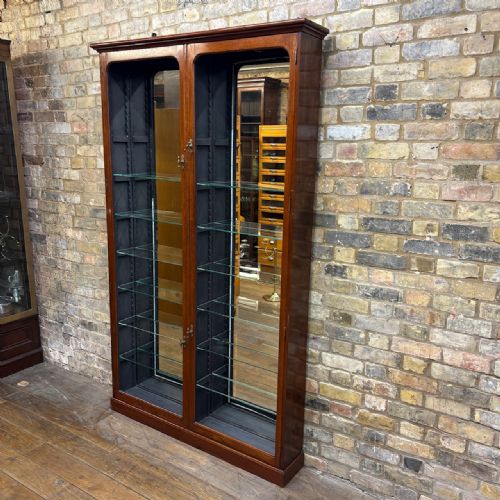
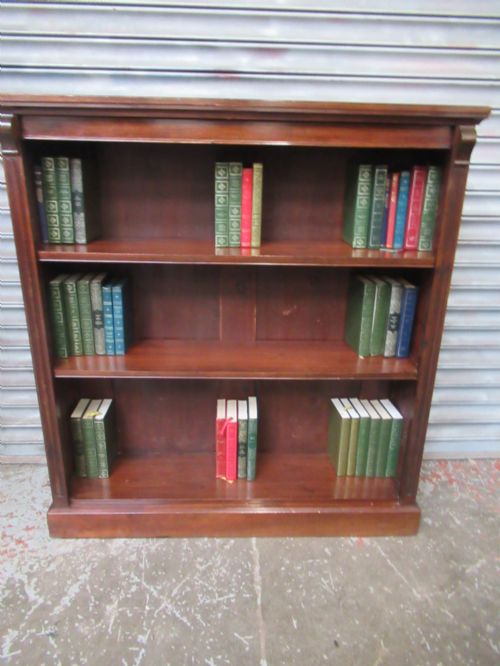
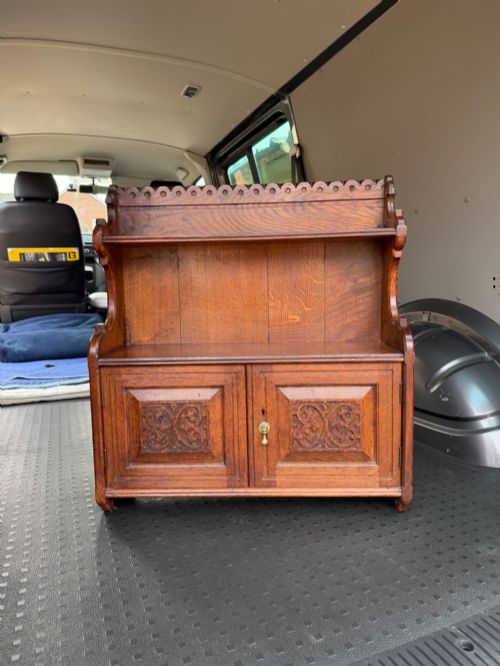
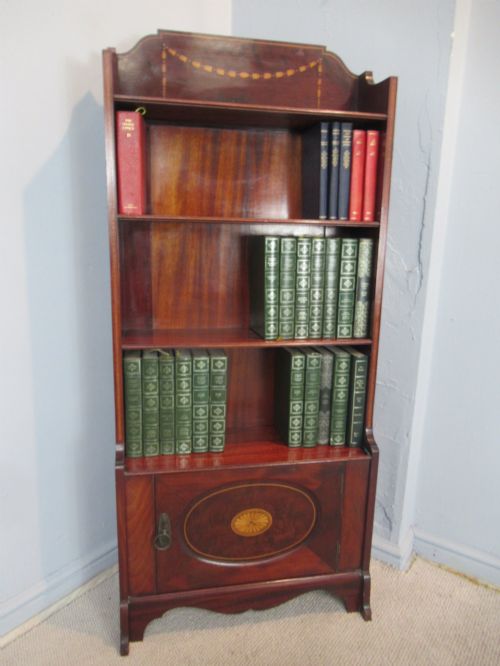
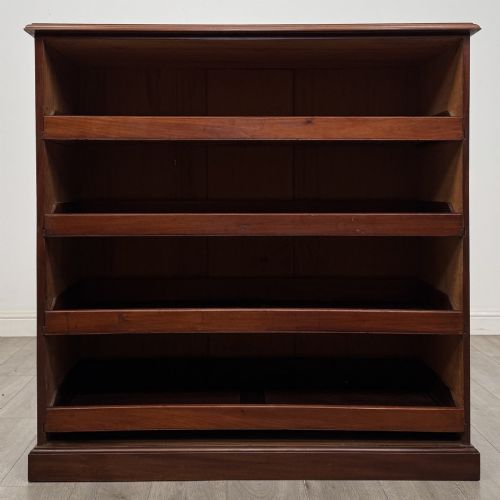
When searching for a vintage cabinet with shelf, buyers encounter a diverse selection of storage furniture designed to hold books, china, and household items. The pieces on this page span several eras, including the Edwardian period, the nineteenth century, and the nineteen-twenties.
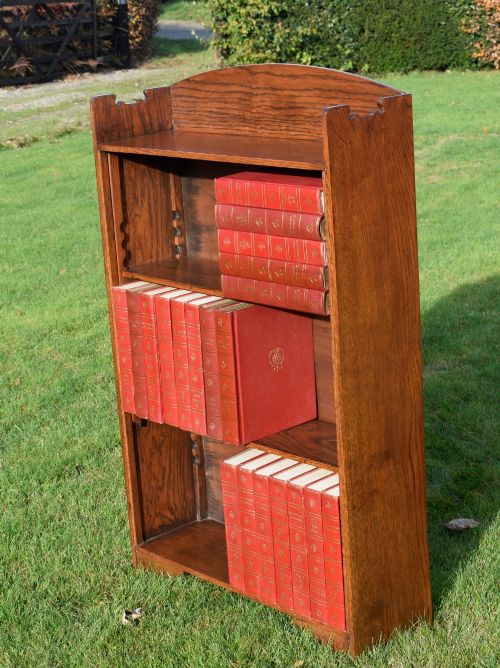
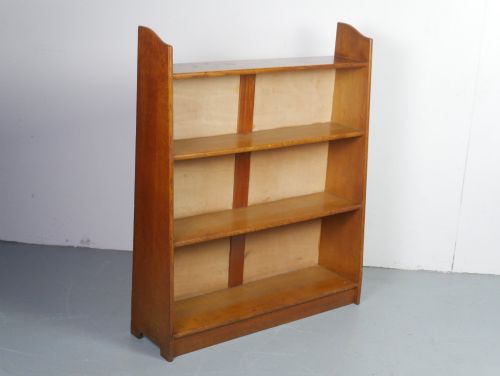
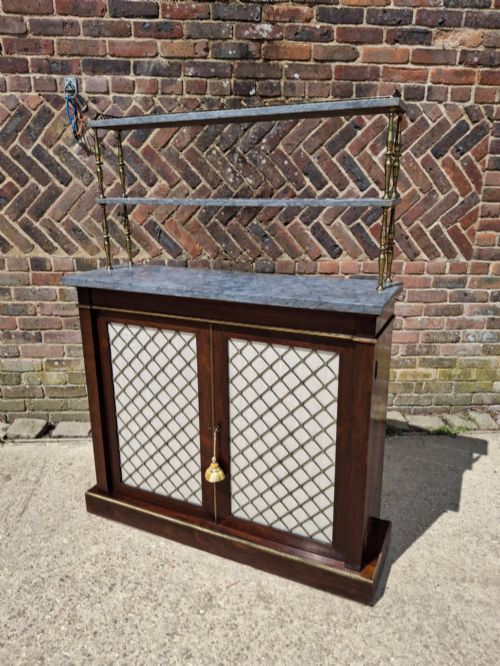
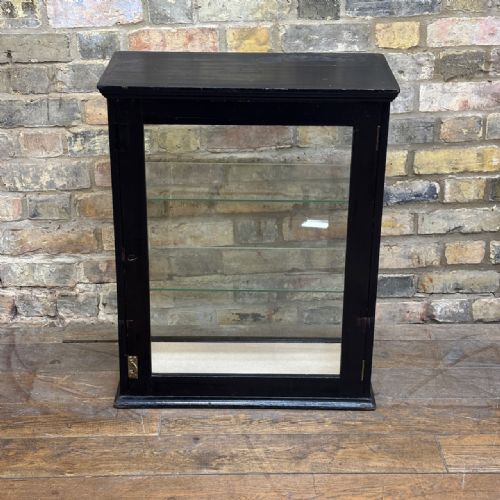
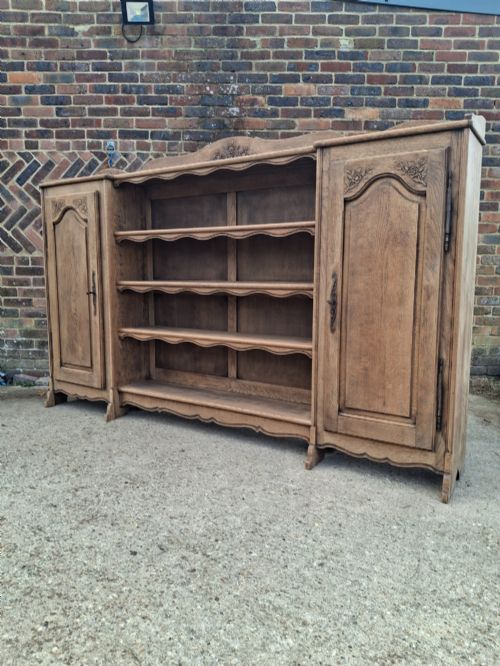
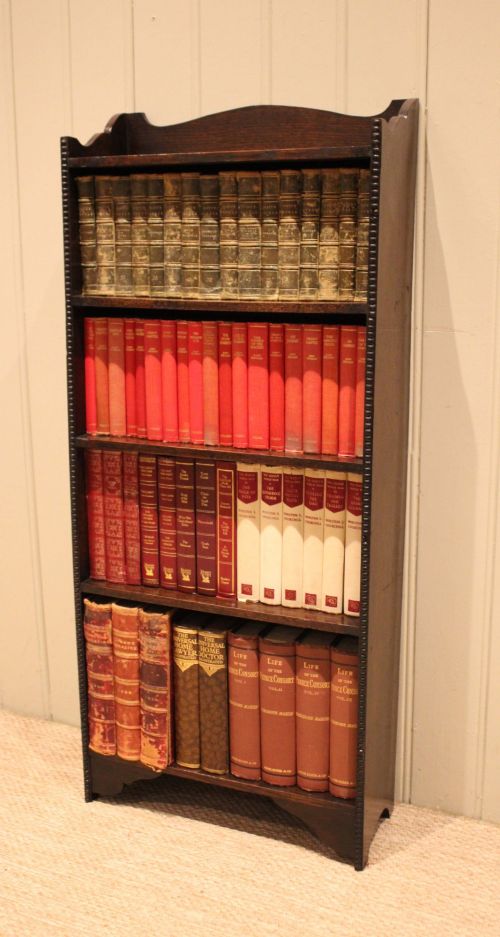
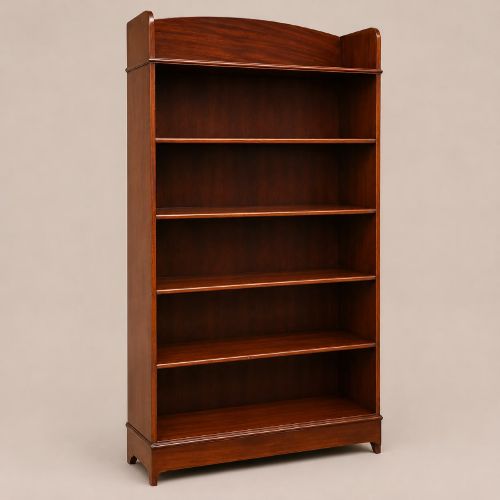
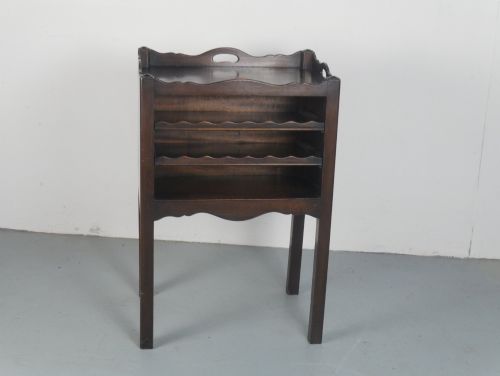
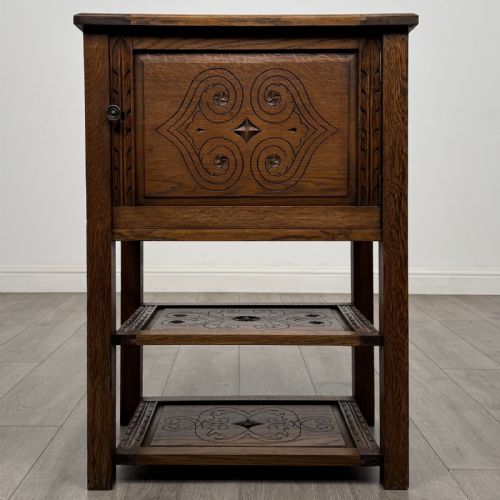
The forms vary widely across the inventory, ranging from open bookcases and display cabinets to dressers, bedside cabinets, and wall shelves. Mahogany and oak appear most frequently as the primary woods, often accompanied by glass panels and brass fittings.
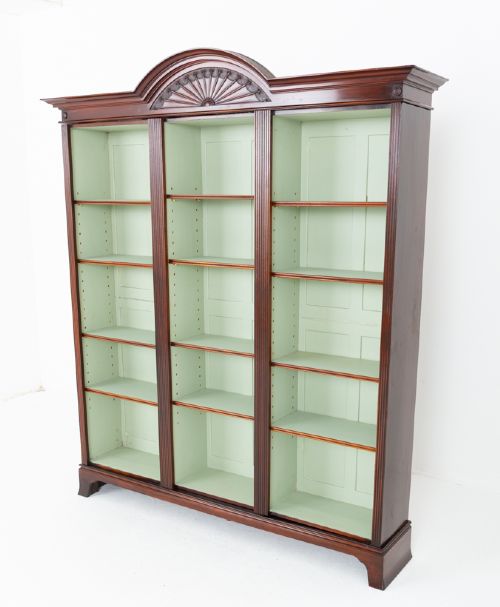
Stylistic influences reflect traditional British and continental tastes, including Arts and Crafts, Regency, and Sheraton revivals. Buyers are most likely to find Edwardian mahogany bookcases and oak open shelving units among the current selections.
How They Were Made
Cabinet makers utilised solid timbers such as mahogany and oak alongside decorative veneers like flame mahogany, satinwood, and walnut to construct these pieces. Structural integrity depended on traditional joinery, while surfaces frequently received inlaid details, patinated marble tops, or painted finishes.
Glass doors, mirror backs, and brass mounts were integrated into display cabinets and bookcases to enhance both utility and visual depth. Adjustable shelving mechanisms appeared in many nineteenth and twentieth-century bookcases to accommodate varying book sizes.
Vintage Cabinet with Shelf Retail Price Guide 2026
Typical asking prices for vintage cabinet with shelf among the pieces listed under this phrase on Sellingantiques today, from the lower quarter to the upper quarter. They describe what is for sale here now, not the wider market.
Several bookcases include adjustable shelves, saving future generations from awkwardly sized paperbacks.
What Varies in Quality
The calibre of a piece rests on the selection of timber and the precision of its construction, particularly where veneers and inlaid details meet the primary wood. Refined proportions and balanced grain patterns distinguish finer examples from standard utility items.
Hardware choices and secondary materials, such as heavy brass mounts, patinated marble, and original glass panes, indicate the original tier of manufacture. Pieces retaining functional elements like smooth-sliding adjustable shelf brackets demonstrate superior initial workshop standards.
Maple & Co.
The Vintage Cabinet with Shelf Glossary
- Cartonnuer
- A desktop cabinet fitted with compartments for holding papers, letters, or files. These items often feature decorative mounts and leather-labelled drawers.
- Frieze
- The horizontal decorative band running along the upper part of a cabinet or bookcase. This section frequently displays inlaid satinwood or carved wood details.
- Waterfall bookcase
- A tiered shelving unit where each successive shelf steps back from the one below it, creating a cascading profile. They appear in mahogany and other dense hardwoods.
- Bonheur du jour
- A light lady's writing desk featuring a small cabinet, drawers, or shelves built into the upper superstructure. These pieces became popular during the Edwardian era.
- Chiffonier
- A low sideboard or cabinet featuring a combination of enclosed cupboard space and upper shelving. They served multiple purposes in nineteenth-century domestic interiors.
Vintage Cabinet with Shelf: Frequently Asked Questions
What is a vintage cabinet with shelf?
A vintage cabinet with shelf is a piece of wooden furniture designed for storage and display, combining enclosed cupboard space with open or glazed shelving. These items range from small bedside units to large library bookcases.
They reflect the domestic storage needs and stylistic preferences of eras spanning the nineteenth and twentieth centuries, utilising woods like mahogany, oak, and walnut.
How do I date an antique bookcase?
Dating relies on examining the timber species, construction methods, hardware, and stylistic markers such as inlay patterns or carved details. Edwardian pieces often feature lighter mahogany and subtle string inlay, whereas nineteenth-century items tend to use heavier solid timbers.
Secondary woods used inside drawers and backboards also provide clues to the period of manufacture, alongside any maker's marks or stamps found on the structure.
Are the shelves adjustable?
Many of the bookcases and display cabinets listed feature adjustable shelving supported by wooden ratchets, metal pins, or traditional track systems. This allows users to alter shelf heights for different books or display items.
Fixed shelves remain common in older or simpler vernacular pieces, so checking the internal structure helps determine if the heights can be modified.
How do I care for mahogany furniture?
Mahogany furniture benefits from placement away from direct sunlight and heat sources to prevent the wood and any veneer from drying out or fading. Regular dusting with a soft, dry cloth preserves the finish.
Applying a traditional beeswax polish occasionally helps nourish the timber and maintain its natural lustre without building up heavy chemical residues.