

Vintage Cabinet with Marble
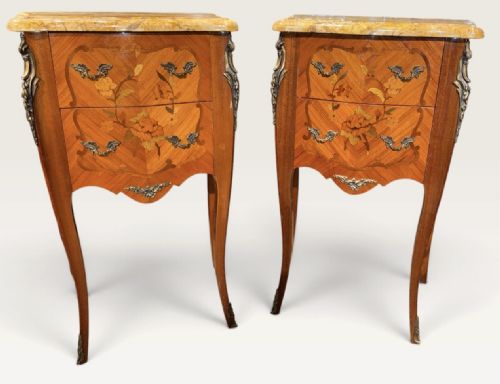
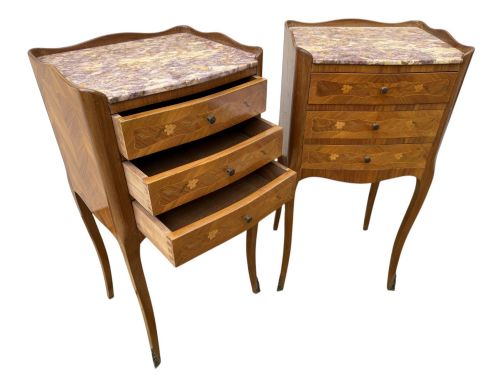
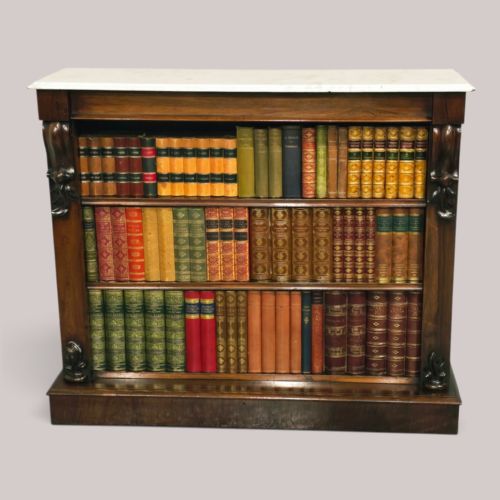
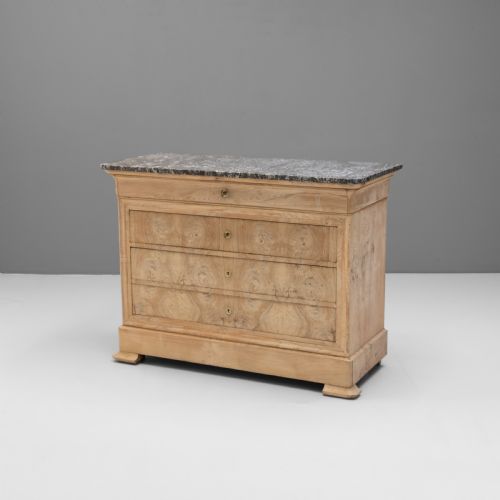
These vintage cabinet with marble selections bring substantial stone surfaces together with period woodwork for practical storage.
Vintage Cabinet with Marble
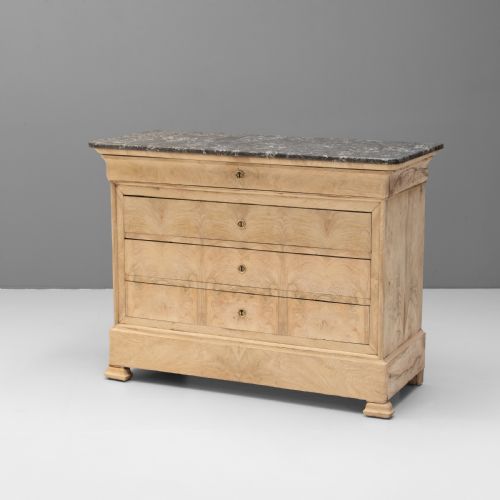
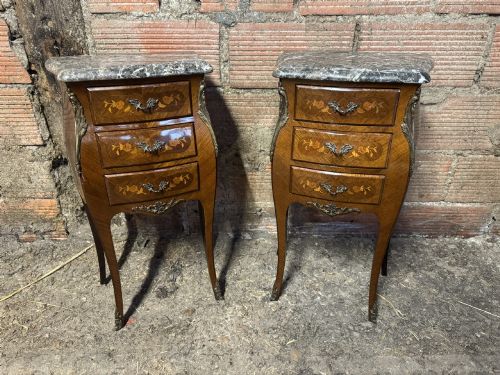
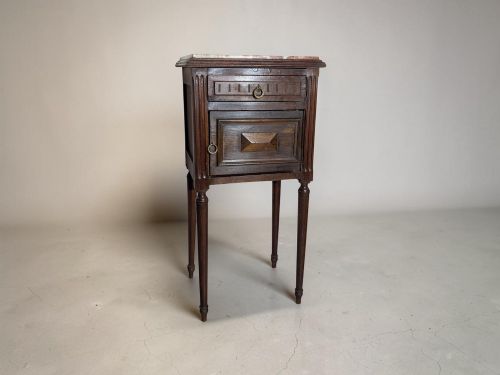
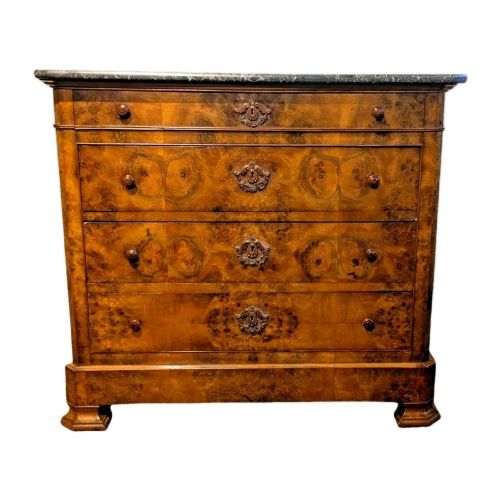
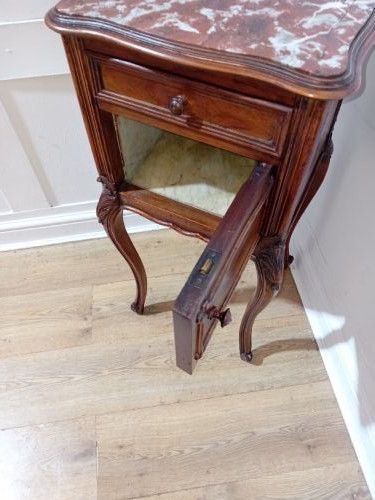
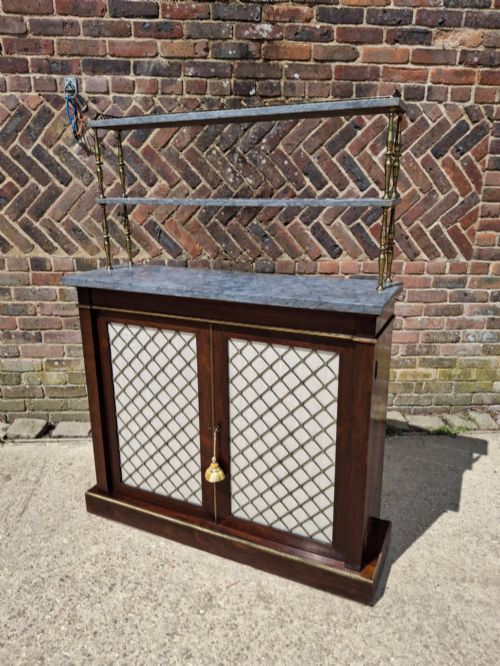
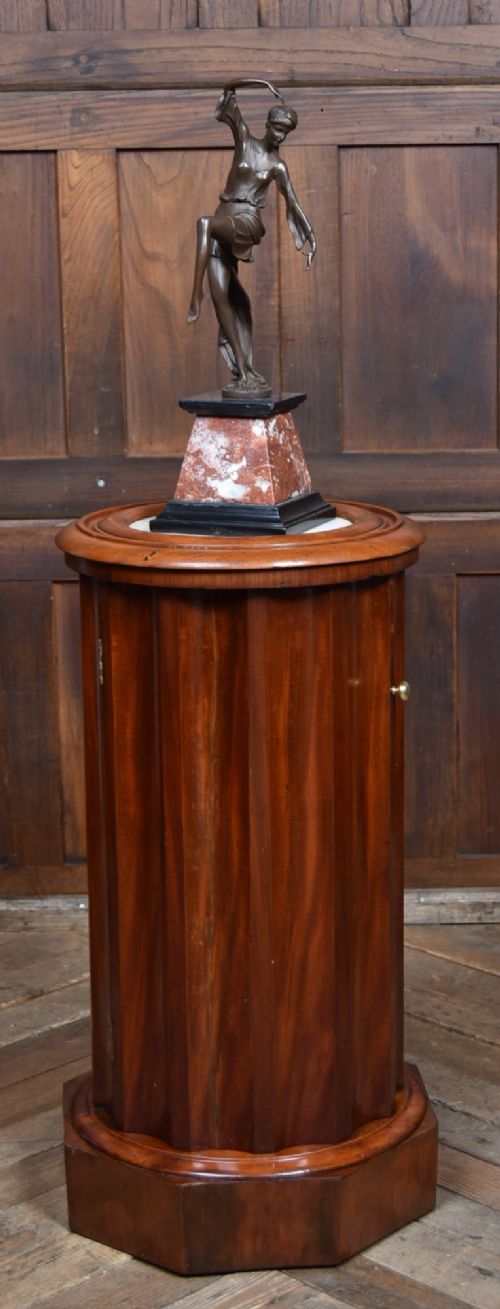
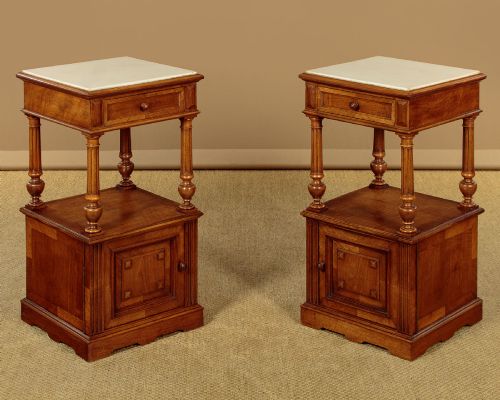
A vintage cabinet with marble combines solid timber carcasses and veneered surfaces with heavy stone tops, spanning bedside cabinets, commodes, washstands and display pieces. Buyers encounter numerous French styles from the nineteenth century alongside Edwardian walnut and mahogany pieces.
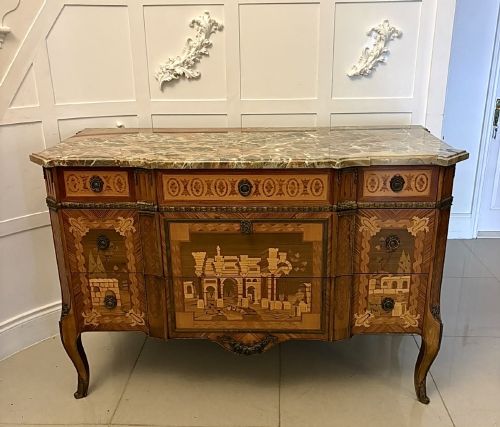
The form stretches from compact bedside tables to large commodes and corner display units, reflecting domestic requirements across the nineteenth and early twentieth centuries. Many examples incorporate inlaid wood, marquetry or painted pine alongside their distinctive stone slabs.
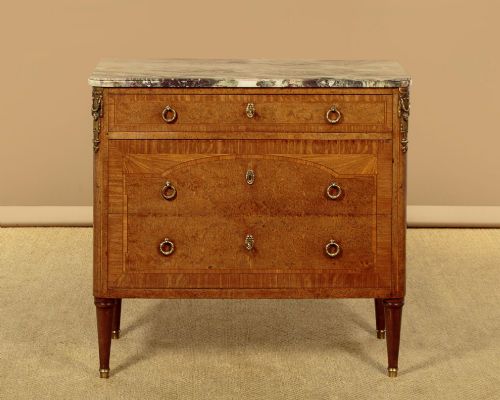
Continental workshops account for a significant share of these pieces, particularly French Louis XV and Louis XVI Revival designs which pair rich timbers with shaped marble. Washstands and bedside units dominate the selection, offering functional surfaces resistant to water and daily wear.
Materials and construction methods
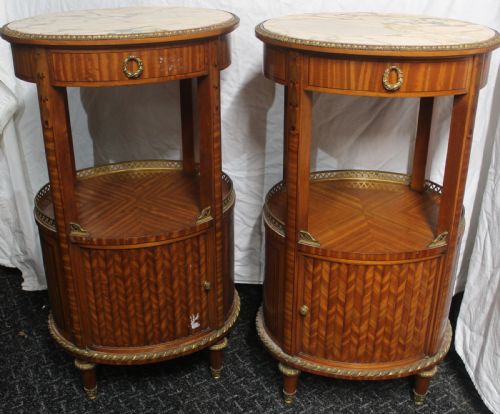
Cabinetmakers built these carcases using hardwoods and softwoods including walnut, mahogany, kingwood, rosewood, fruitwood and pine, frequently applying decorative veneers and floral marquetry. Brass and ormolu mounts appear across French revival pieces, securing corners and framing doors alongside glazed sections.
Marble tops, including Carrara and rouge varieties, were selected for durability and fitted directly to the timber frame, sometimes resting on moulded wooden surrounds. Inlaid mother of pearl and fine stringing appear on select surfaces, demonstrating detailed craftsmanship within the Edwardian and continental items.
Vintage Cabinet with Marble Retail Price Guide 2026
Typical asking prices for vintage cabinet with marble among the pieces listed under this phrase on Sellingantiques today, from the lower quarter to the upper quarter. They describe what is for sale here now, not the wider market.
Several bedside cabinets arrive with secret keys, proving that historical bedtime secrets required proper hardware.
Factors that define quality
The sophistication of the timber work and the integration of the stone surface separate standard utilitarian pieces from exceptional examples. Fine marquetry, matched veneer patterns and cast ormolu mounts indicate workshop skill.
The thickness, colour variation and edge profiling of the marble top influence overall refinement. Pieces retaining original hardware, fitted keys and well-executed joinery represent the higher tier of these historic designs.
The Vintage Cabinet with Marble Glossary
- Commode
- A low chest of drawers or cabinet, typically French in origin, featuring a prominent marble top and decorative woodwork. These pieces often serve as focal points in reception rooms or bedrooms.
- Marquetry
- The art of applying decorative pieces of veneer to a structure to form intricate designs or floral patterns. Master craftsmen utilised various coloured woods to create pictorial scenes on cabinet doors and drawer fronts.
- Ormolu
- Gilt bronze mounts applied to furniture edges, corners and feet for decorative enhancement. This technique gained widespread use during the eighteenth and nineteenth centuries on French revival pieces.
- Washstand
- A domestic item designed to hold a basin and jug, frequently fitted with a protective marble top to resist water damage. Edwardian versions in walnut and mahogany demonstrate utilitarian function combined with domestic elegance.
- Bombe
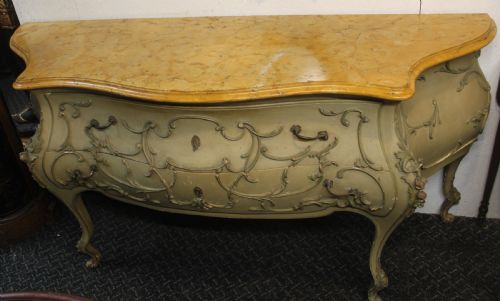
- A bulging, outward-curving swell on the front and sides of a cabinet or commode. This Baroque and Rococo form requires advanced carpentry to shape timber and fit stone surfaces accurately.
Vintage Cabinet with Marble: Frequently Asked Questions
How do I clean a marble top?
Use a soft cloth dampened with warm water and mild, pH-neutral soap to wipe the stone surface gently. Avoid acidic cleaners, vinegar or abrasive sponges that can etch or dull the polished finish.
Dry the marble thoroughly afterwards with a clean microfiber cloth to prevent water spots. Applying a specialist stone sealer periodically helps protect the surface from stains.
Are marble tops attached permanently?
Most marble slabs on these cabinets rest on top of the wooden carcase by their own considerable weight, sometimes secured with plaster or hidden brackets. This allows the stone to be lifted off safely during transport to reduce overall weight.
Buyers should verify how each specific top is seated before moving the piece. Lifting from the wooden base rather than the stone ensures stability.
How do I date these cabinets?
Dating relies on combining stylistic clues such as Louis XV or Edwardian revival motifs with construction techniques and timber types. Secondary woods inside drawers and the style of hardware provide further chronological markers.
Reference periods span from mid eighteenth century commodes through Victorian washstands to early twentieth century art deco bedside cabinets. Comparing drawer dovetails and veneer methods clarifies the era of manufacture.
Where were these pieces made?
Origin points cluster around France, Italy, Britain and Eastern Europe, reflecting distinct regional furniture traditions. French workshops specialised in marquetry commodes and bedside cabinets with ormolu mounts, while British makers focused on walnut washstands and mahogany cabinets.
Regional preferences shaped the choice of marble, from Carrara white to deep rouge varieties. Painted pine items point specifically to East European domestic production.