

Vintage Cabinet Drawers
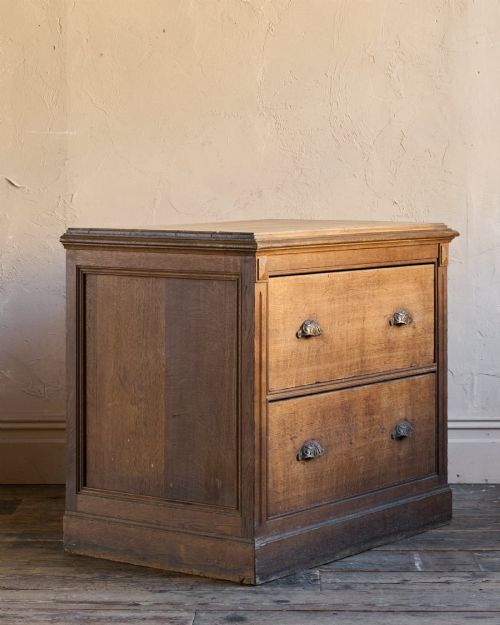
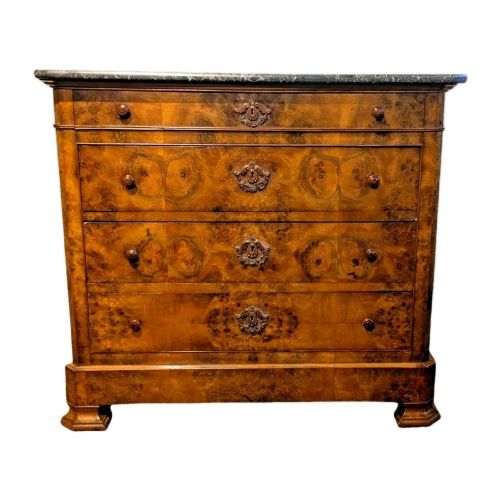
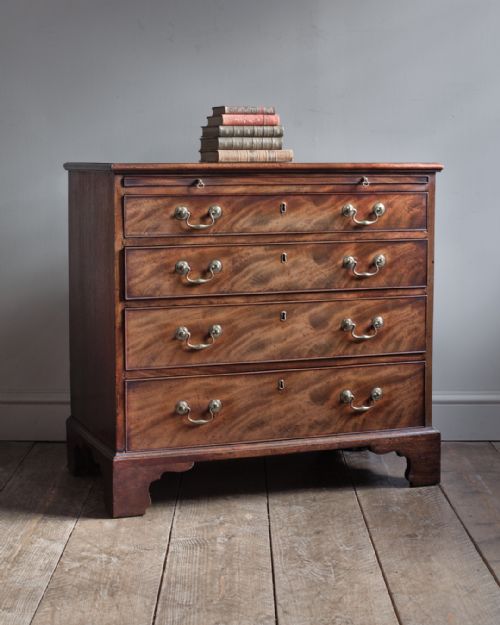
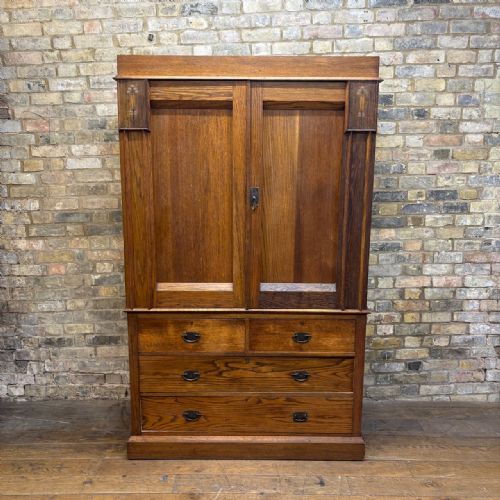
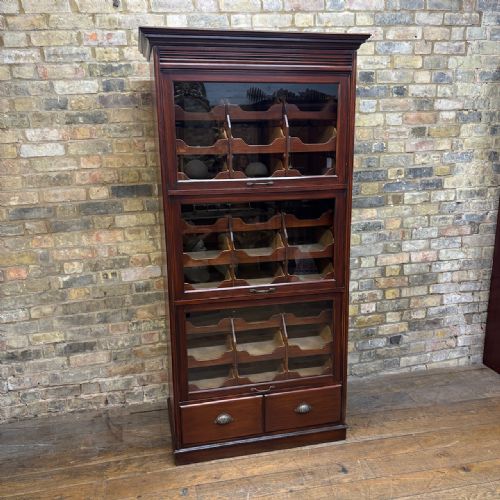
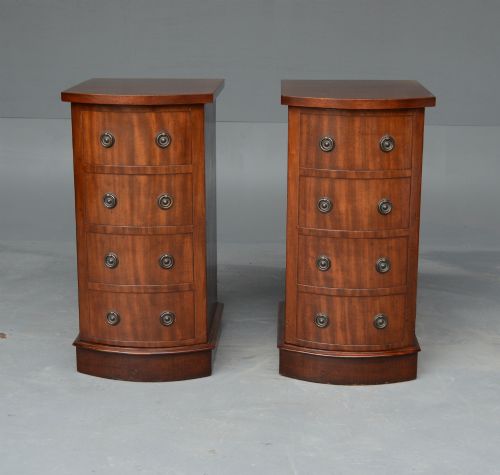
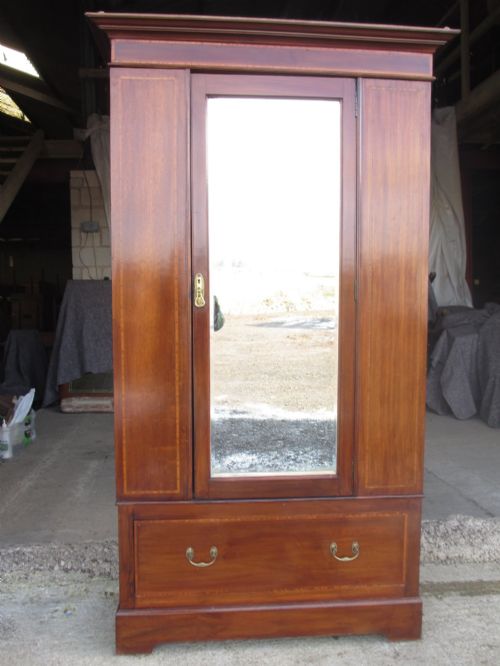
These vintage cabinet drawers offer practical storage with period character, ranging from compact bedside units to large oak sideboards.
Vintage Cabinet Drawers
Vintage cabinet drawers encompass pieces designed for storage across several centuries, including chests of drawers, bedside tables, sideboards, and cupboards. Buyers searching this phrase look for functional furniture that brings period materials and traditional forms into modern interiors.
The selection here includes pieces from the 18th century, Victorian era, Edwardian period, and the 1920s and 1930s. Oak and mahogany appear frequently alongside walnut, pine, and brass hardware.
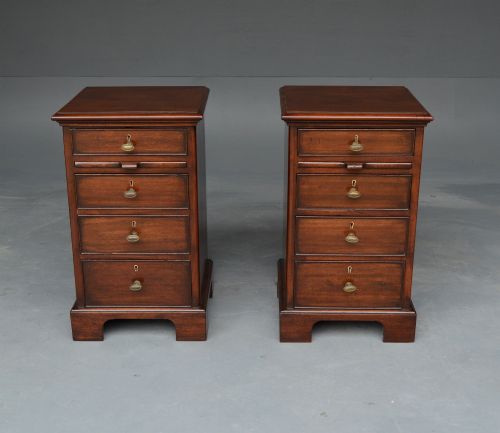
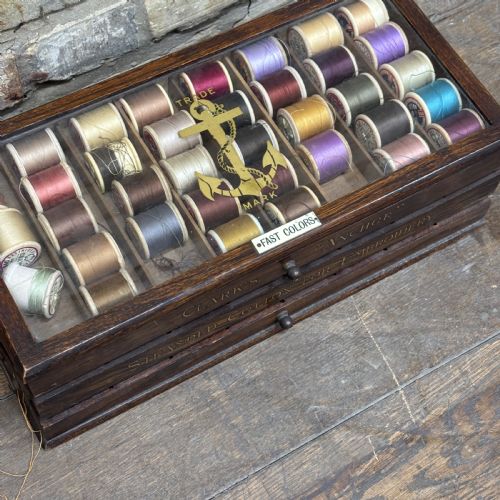
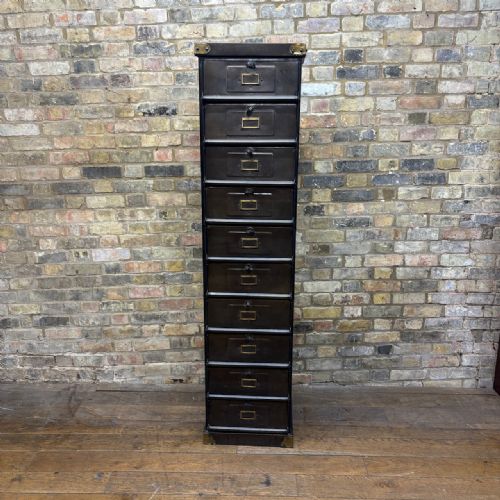
Smaller formats such as bedside tables, music cabinets, and miniature chests sit alongside larger architectural plan chests and dresser bases. Each type serves a specific storage function shaped by its original domestic or workshop use.
How they were made
Cabinet makers utilised solid timbers and veneers, building carcases in mahogany, oak, walnut, and pine. Brass fittings, handles, and locks provided functional and decorative accents across many pieces.
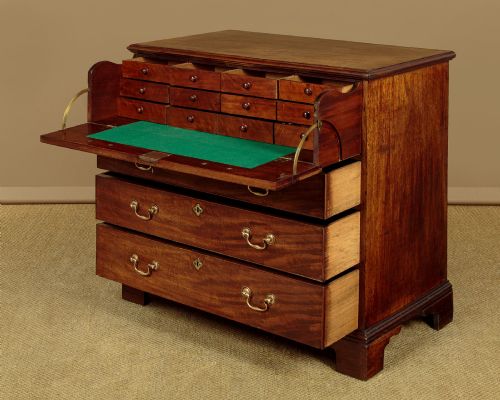
Construction techniques included dovetailed drawer construction, raised galleries, inlaid decoration, and panelled doors. Specialised pieces incorporated fitted interiors, pull-out slides, and multiple small drawers for specific organizational needs.
Vintage Cabinet Drawers Retail Price Guide 2026
Typical asking prices for vintage cabinet drawers among the pieces listed under this phrase on Sellingantiques today, from the lower quarter to the upper quarter. They describe what is for sale here now, not the wider market.
Listings feature oak, mahogany, walnut, burr walnut, and pine across periods from the 18th century to the 1930s.
What varies in quality
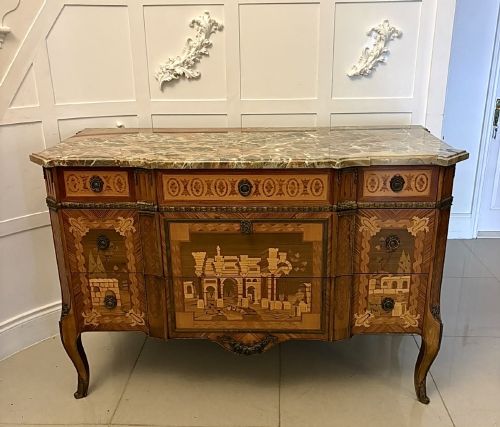
Quality in these pieces depends on the selection of timber, such as burr walnut or figured mahogany, and the precision of the joinery. Superior examples show careful attention to internal construction and secondary woods.
Original hardware, balanced proportions, and well-executed decorative details like inlay or carving distinguish finer examples from standard utility pieces.
The Vintage Cabinet Drawers Glossary
- Gallery
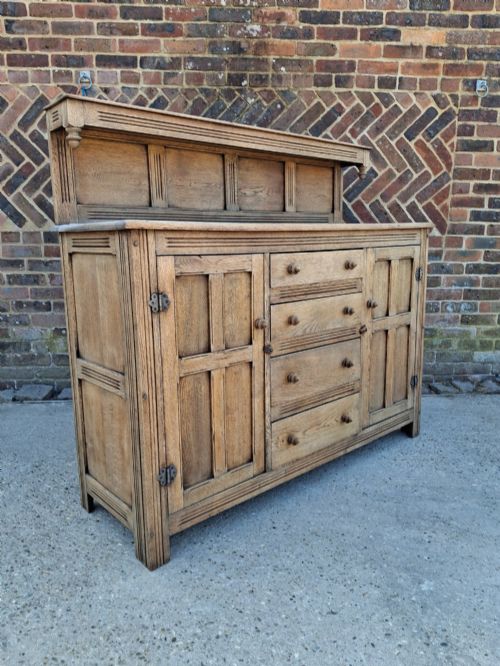
- A raised wooden or brass border along the top edge of a cabinet or chest. It prevents items placed on top from rolling off.
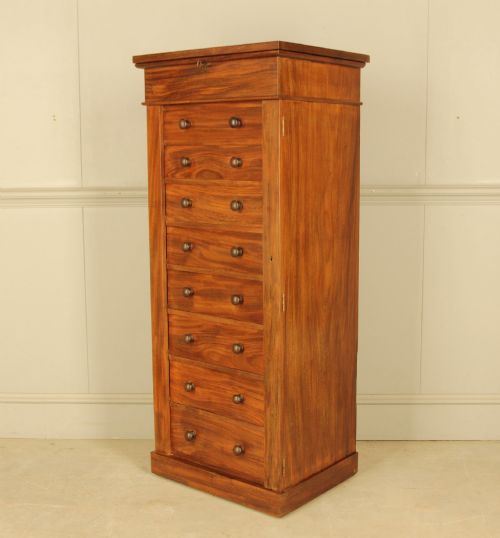
- Wellington chest
- A tall, narrow chest of drawers secured by a locking hinged side pilaster. This form typically contains six to eight drawers.
- Dresser base
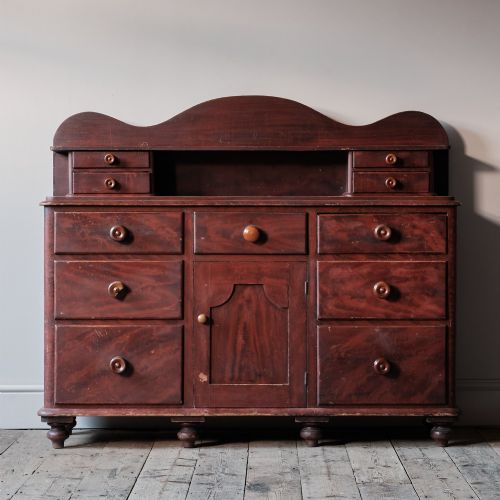
- A long low wooden unit featuring drawers and sometimes cupboards below a flat top. These originated in large country kitchens for food preparation and storage.
- Bureau
- A desk featuring a sloping hinged flap that opens to reveal a fitted interior of small drawers and pigeon holes. Some examples stand on bracket feet or frames.
Vintage Cabinet Drawers: Frequently Asked Questions
How do I clean vintage wooden drawers?
Dust surfaces regularly with a soft, dry cloth to prevent the accumulation of grit. Avoid using modern silicone polishes that can build up and damage traditional finishes over time.
Nourish dry timber occasionally with a quality beeswax applied sparingly and buffed gently. Keep wooden cabinets away from direct heat sources and strong sunlight to prevent the timber from warping or fading.
Can I use bedside chests in a modern bedroom?
Compact bedside chests and small cabinets fit easily beside contemporary beds while providing enclosed storage for nighttime essentials. Their varied heights and timber tones allow them to complement neutral modern schemes.
Mixing antique drawer units with modern furnishings adds texture and individual character to a room. Ensure you measure the height of your mattress against the chest top for comfortable daily access.
What is the difference between a chest and a sideboard?
Chests of drawers are tall or medium vertical units dedicated primarily to storing folded clothing or linens in stacked drawers. They are designed for bedrooms and dressing areas.
Sideboards are longer horizontal pieces that combine cupboards and drawers, traditionally placed in dining rooms for serving food and storing tableware. Their expansive top surfaces also offer space for display.
How do I identify Edwardian oak furniture?
Edwardian oak pieces often feature golden oak tones, raised galleries, and clean lines influenced by Arts and Crafts design principles. They frequently incorporate brass handles and straightforward bracket feet.
Examine the drawer linings and backboards for signs of period construction methods such as machine-sawn timber and simpler dovetails. These details help separate early twentieth-century production from older Georgian or Victorian work.