



Vintage Butterfly Brooch Pin
These vintage butterfly brooch pin pieces capture nature in miniature, prized for their delicate metalwork and vibrant enamel.
Vintage Butterfly Brooch Pin
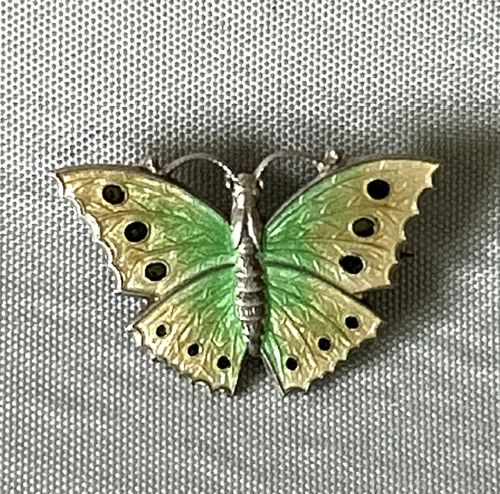
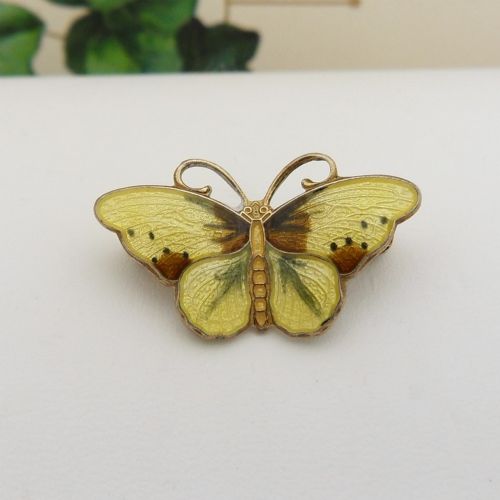
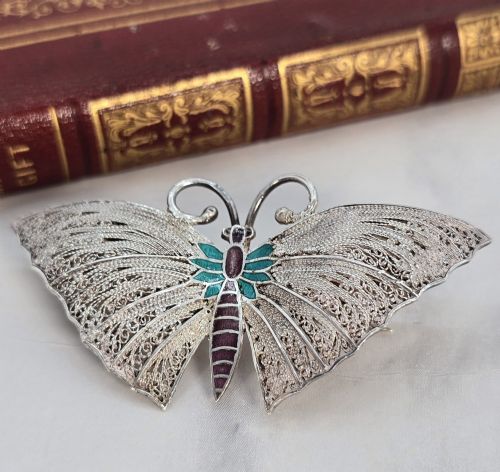
The most common examples on this page date from the nineteen-thirties and feature sterling silver settings with translucent enamel or genuine butterfly wing panels. Pieces range from petite Scandinavian dress clips to larger Chinese export filigree designs created to be worn on lapels, hats, and scarves.
How they were made
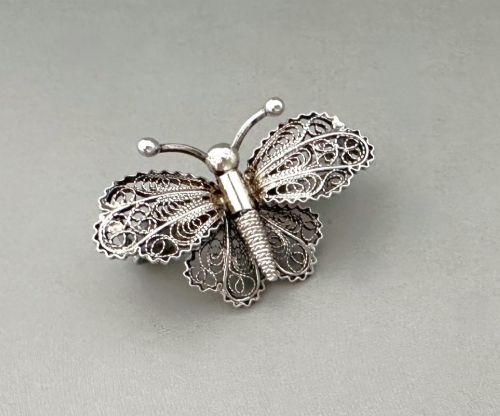
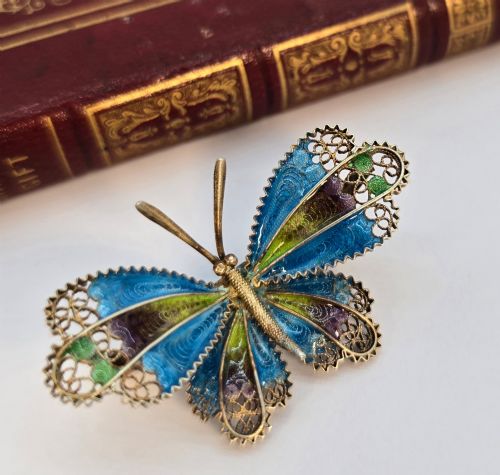
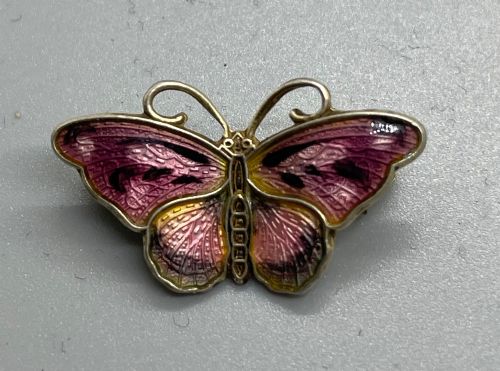
Silversmiths constructed the delicate frameworks using fine wire filigree and cast sterling or silver gilt to form the body and wings of the insect. Enamelling techniques such as guilloche applied vitreous glass over engine-turned metal grounds to create patterned, shimmering colour.
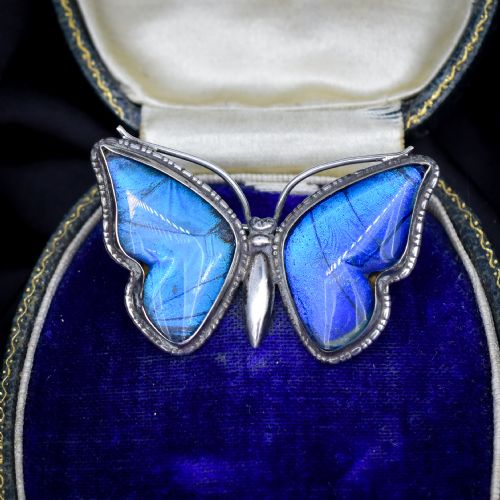
Makers also incorporated natural materials, setting genuine morpho butterfly wings under protective glass domes or mounting precious gems like diamonds, sapphires, and moonstones into gold frames for high-status commissions.
Some nineteenth-century makers used real insect wings so bright that buyers initially mistook them for powdered gemstones.
What varies in quality
Quality rests on the precision of the metalwork and the clarity of the applied decoration, distinguishing mass-market trinkets from masterwork pieces. Fine silver filigree shows tight, uniform soldering without excess flux, while superior enamel displays smooth, even surfaces free from clouding or deep fractures.
Design sophistication also elevates a piece, where naturalistic proportions and careful stone selection in gold or vermeil reflect the hand of a skilled workshop rather than standard commercial production.
Hroar Prydz·Aksel Holmsen·David Anderson·Rene Lalique
The Vintage Butterfly Brooch Pin Glossary
- Guilloche
- An ornamental engraving technique that etches precise geometric patterns into a metal surface before translucent enamel is applied over the top. This method allows light to pass through the colour and create a shimmering, engine-turned effect.
- Silver Gilt
- Silver that has been coated with a thin layer of gold, often referred to as vermeil when applied to sterling silver. This treatment gives the warm appearance of solid gold while utilising a silver base.
- Filigree
- Delicate jewellery-making work consisting of twisted threads of gold or silver soldered together in intricate openwork patterns. It forms the lightweight, lace-like wings seen on many continental and Chinese export pieces.
- Butterfly Wing
- A decorative medium using iridescent tropical butterfly scales preserved beneath a protective glass or quartz dome. Popularised during the early twentieth century, these panels create a luminous, shifting blue or green display.
Vintage Butterfly Brooch Pin: Frequently Asked Questions
How do I date a silver enamel butterfly brooch?
Dating relies on stylistic markers, materials, and maker marks stamped on the reverse of the metalwork. Art Deco and nineteen-thirties pieces often feature geometric guilloche patterns, while nineteen-fifties Scandinavian items lean towards bold, minimalist enamel tones.
Examining the clasp type and pin mechanism also helps determine the era, as safety catches evolved significantly from Victorian hinged pins to modern rolling c-clasps.
Are butterfly wing brooches fragile?
The preserved wing scales are organic material sealed beneath glass, meaning they require protection from moisture, direct sunlight, and harsh chemical cleaners. Keeping them dry preserves the vibrant natural iridescence.
While the glass dome shields the delicate surface from daily wear, impact can crack the cover and expose the fragile interior to humidity.
How were these brooches worn originally?
Victorian and early twentieth-century wearers pinned these ornaments to lapels, heavy wool coats, cravats, and evening gowns. Hatpins were secured directly through structured felt and straw millinery.
Smaller petite versions were frequently clustered together on collars or used to fasten decorative scarves in place during the mid-century decades.
What is silver gilt?
Silver gilt is solid silver that has received a fine exterior coating of real gold, combining the structural strength of silver with a rich golden finish. It was frequently used in Scandinavian enamel jewellery to complement bright colours.
Over long periods of handling, the gold layer may soften in tone, revealing the silver base beneath on high points.