

Vintage Brown Wooden Chest
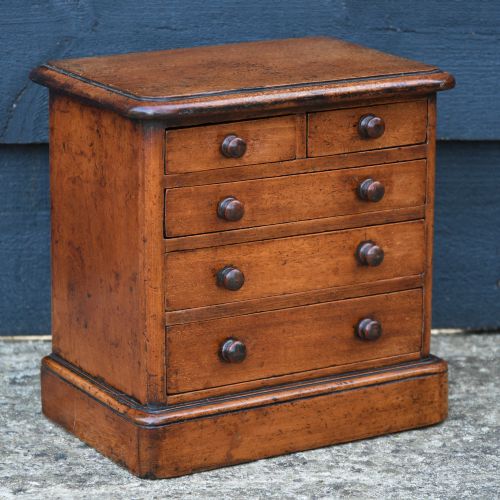
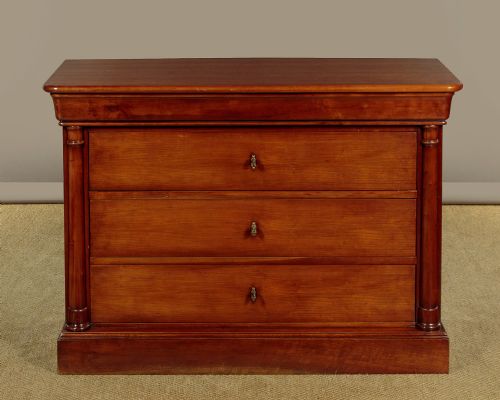
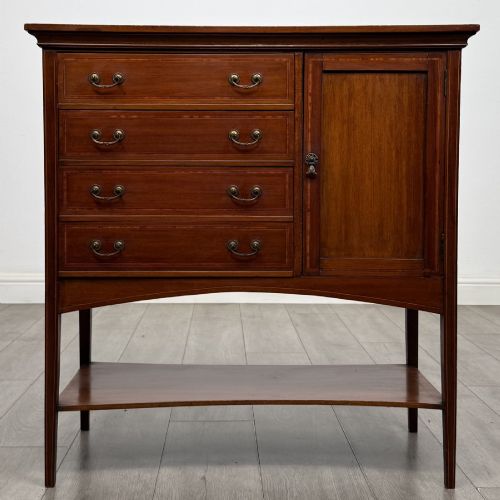
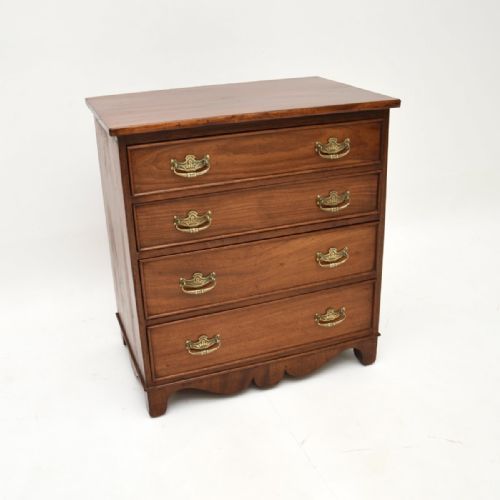
These vintage brown wooden chest pieces span centuries of practical storage, offering honest timber construction and lasting utility for the home.
Vintage Brown Wooden Chest
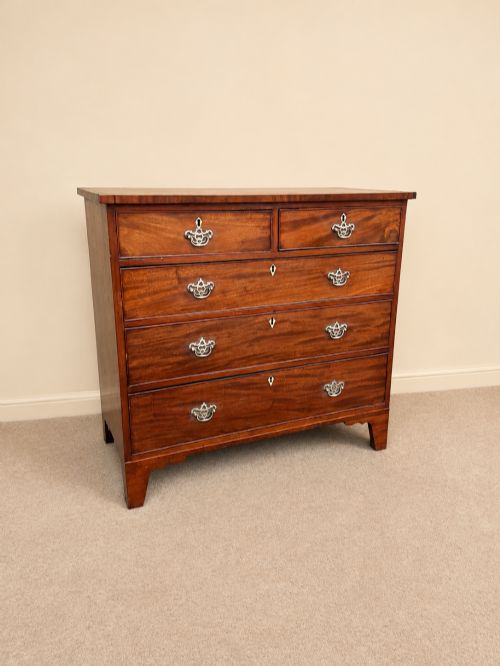
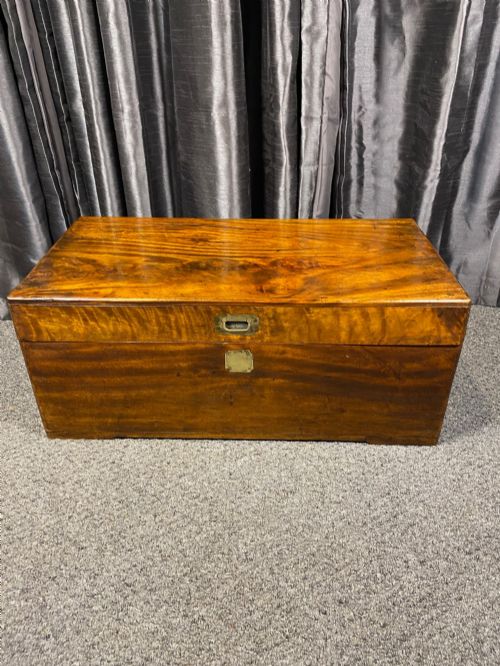
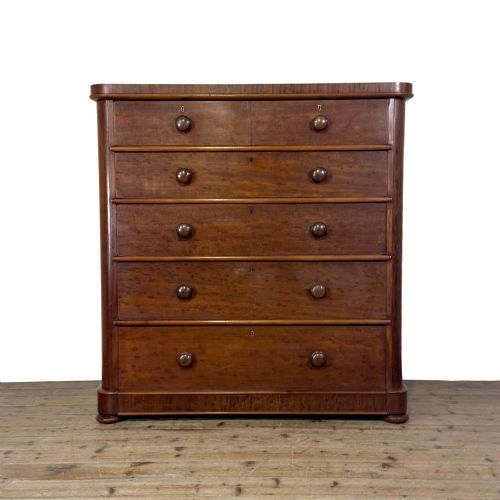
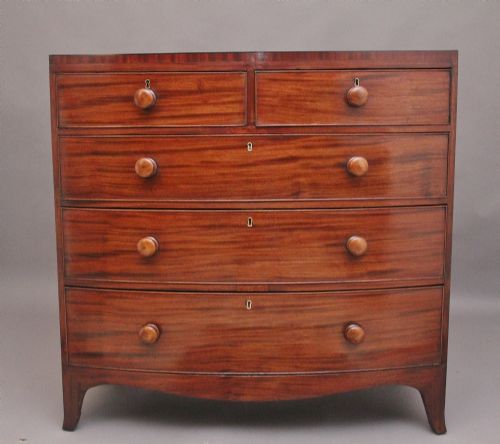
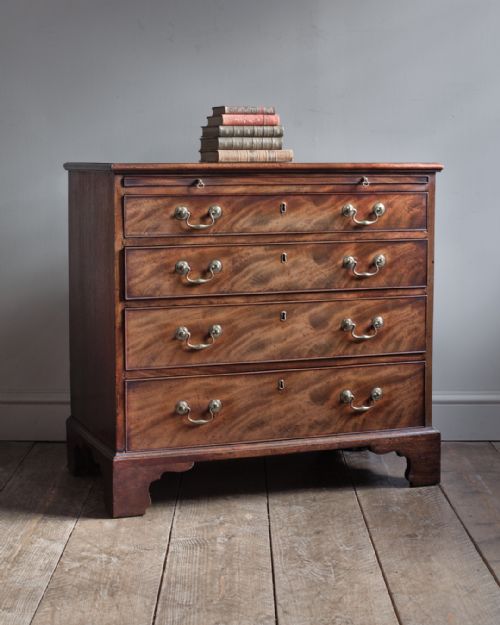
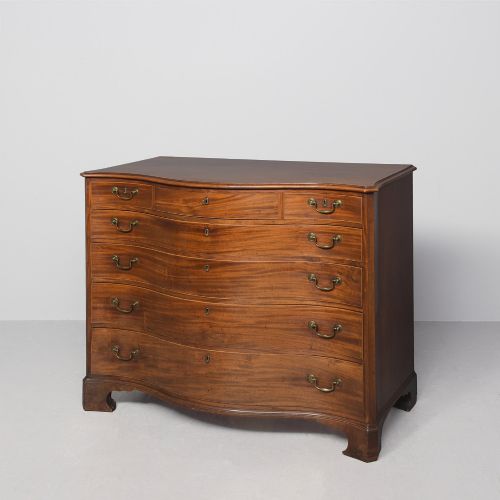
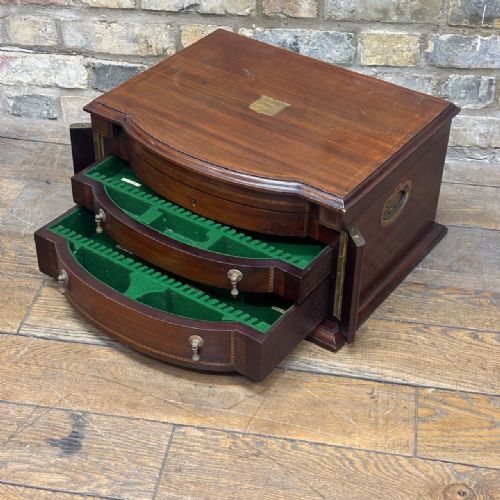
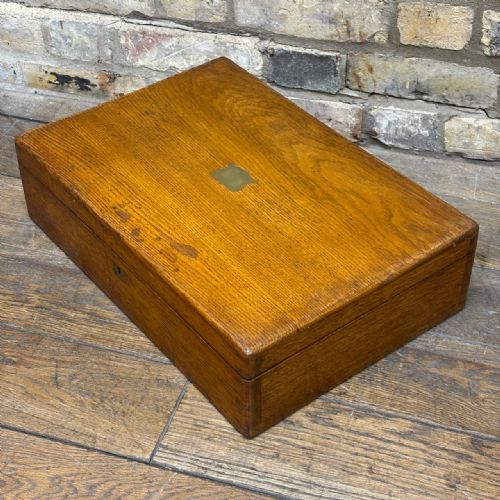
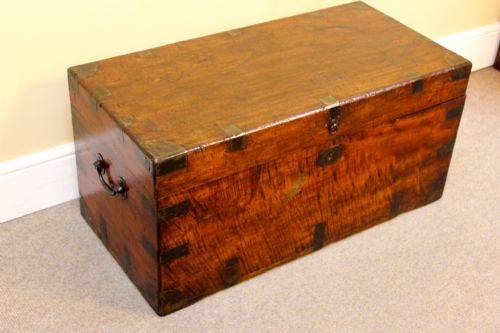
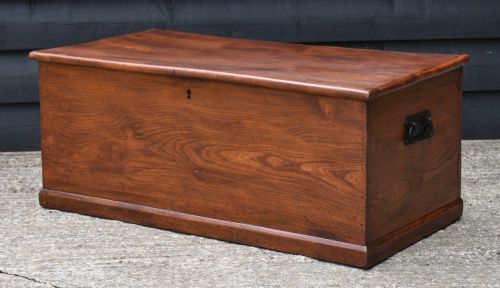
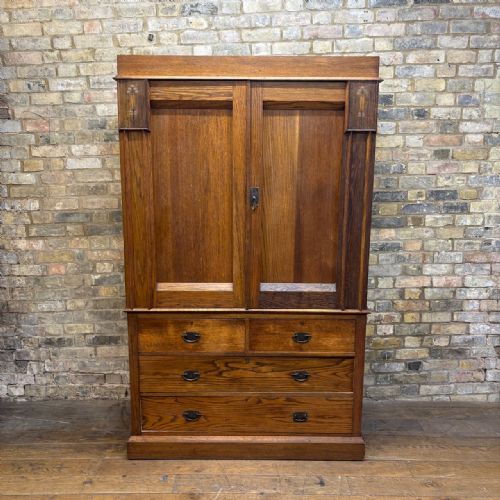
Buyers meet varied expressions of this phrase, including walnut serpentine designs, camphor wood military trunks mounted in brass, and linenfold panelled blanket boxes. These pieces reflect historical utility, serving households as clothes repositories, travel chests, and fitted storage cabinets.
Materials and Construction
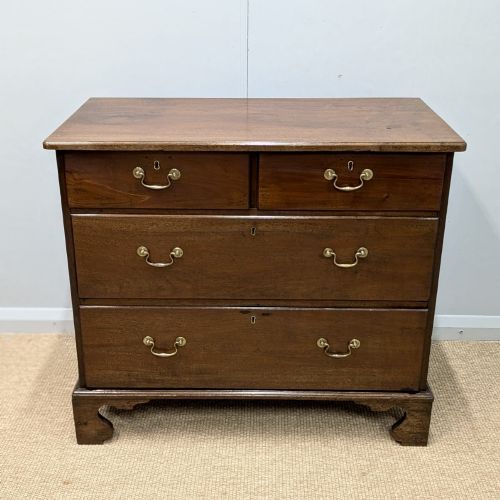
Carpenters utilised solid timbers such as oak, walnut, mahogany, and camphor wood, shaping boards with dovetail joints, pegged framing, and bracket feet. Grain patterns were highlighted through polishing and veneer work, particularly in burr walnut and figured mahogany variations.
Hardware played a functional and decorative role, incorporating brass corner mounts, drop handles, cup handles, and iron straps. Joinery methods varied from simple six-plank board construction in early coffers to sophisticated drawer framing in Georgian and Victorian chests.
Vintage Brown Wooden Chest Retail Price Guide 2026
Typical asking prices for vintage brown wooden chest among the pieces listed under this phrase on Sellingantiques today, from the lower quarter to the upper quarter. They describe what is for sale here now, not the wider market.
Listings feature woods spanning oak, mahogany, walnut, camphor wood, elm, ash, and burr walnut across multiple centuries.
Evaluating Quality
Quality rests in the integrity of the timber selection and the precision of the joinery, such as tightly fitted drawer dovetails and clean secondary woods. Pieces retaining original brass hardware, working locks, and unblemished polish command greater respect among collectors.
Proportion and decorative restraint distinguish finer examples, where carved panels, bracket feet, or inlaid borders complement the structural form without distortion. The preservation of surface patina and minimal timber replacement dictates the standing of each individual chest.
Early Heals
The Vintage Brown Wooden Chest Glossary
- Coffer
- A heavy wooden storage chest, often constructed with six planks and joined by pegs, used historically for domestic valuables and textiles.
- Dovetail
- A joint formed by interlocking wedge-shaped fingers, commonly utilised in drawer construction to ensure durable corners.
- Bracket foot
- A structural foot supporting the base of a chest, shaped in an L-profile with mitred corners seen frequently on Georgian pieces.
- Camphor wood
- An aromatic timber utilised for campaign chests and trunks because its natural scent repelled insects from stored garments.
- Serpentine
- A curved furniture front characterised by a convex centre flanked by concave ends, requiring skilled woodworking.
Vintage Brown Wooden Chest: Frequently Asked Questions
What is the difference between a coffer and a chest of drawers?
A coffer is an open-topped storage box accessed via a lid, whereas a chest of drawers incorporates horizontal sliding compartments stacked vertically within a frame.
Historically, coffers served domestic storage needs before drawer technology became common in furniture design.
How do I care for a vintage wooden chest?
Keep wooden furniture away from direct heat sources and drastic humidity changes to prevent timber splitting and shrinkage.
Apply traditional beeswax periodically to nourish the surface and maintain a healthy, protective polish.
Where were camphor wood chests used?
Camphor wood chests travelled with military officers and traders across maritime routes during the nineteenth century. Their dense, fragrant timber protected uniforms and documents from moisture and insects.
These pieces often feature brass binding and corner brackets for transport durability.
How can I tell a Georgian chest from a Victorian one?
Georgian chests typically exhibit clean architectural proportions with bracket feet and solid mahogany or oak construction. Victorian pieces often display bolder mouldings, turned feet, and rich mahogany or burr walnut veneers.
Drawer construction and hardware styles also help distinguish the working methods of each era.