
Vintage Brown Mirror
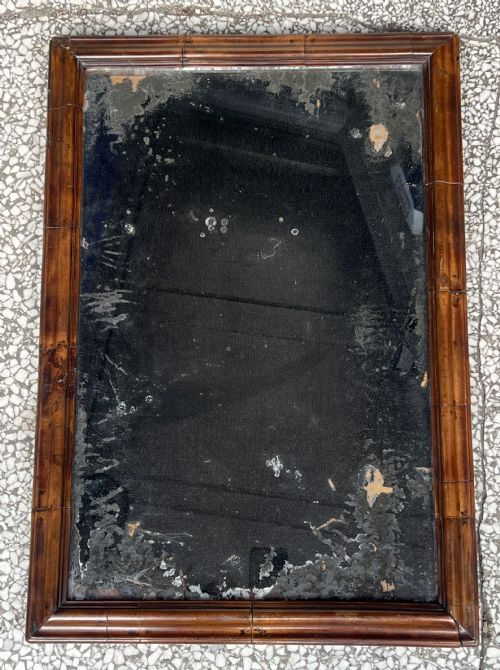
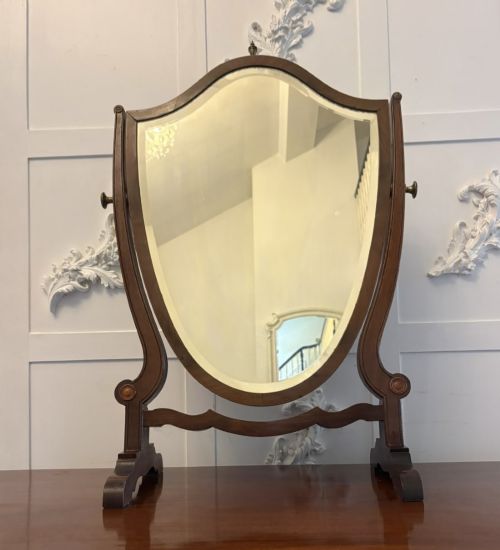
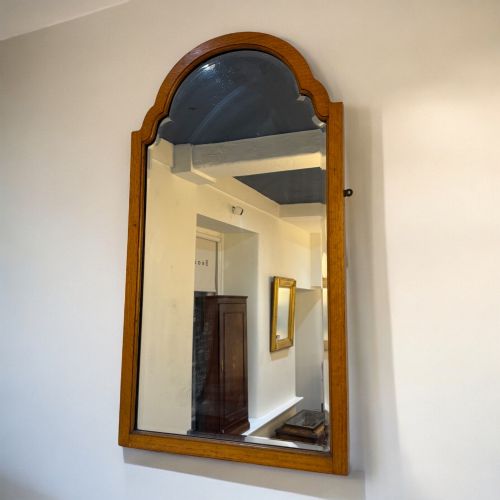
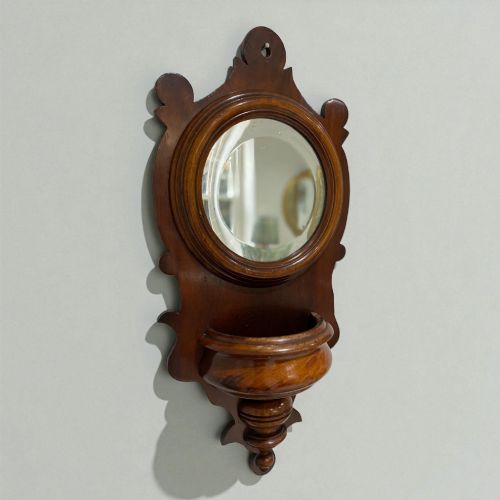
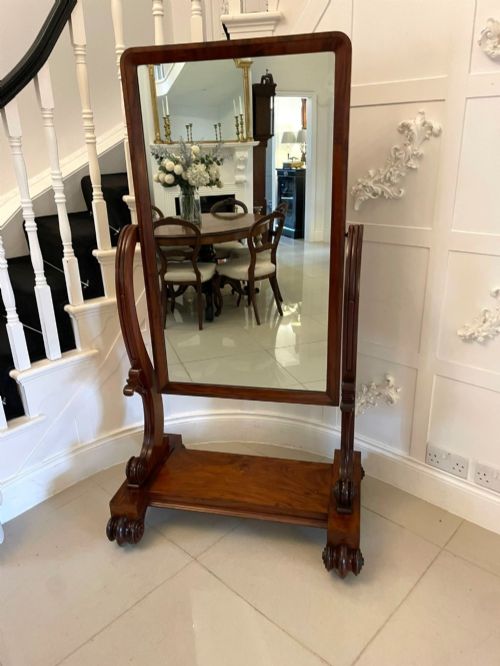
A vintage brown mirror brings warmth to a room through rich timber frames and aged glass.
Vintage Brown Mirror
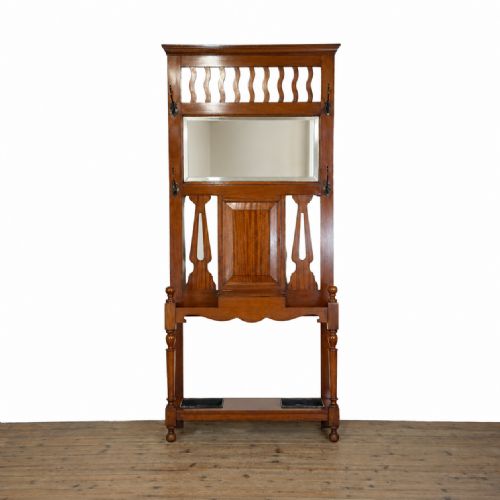
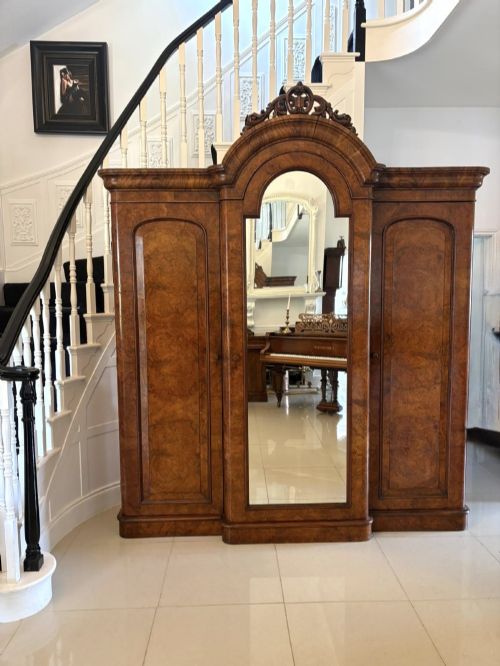
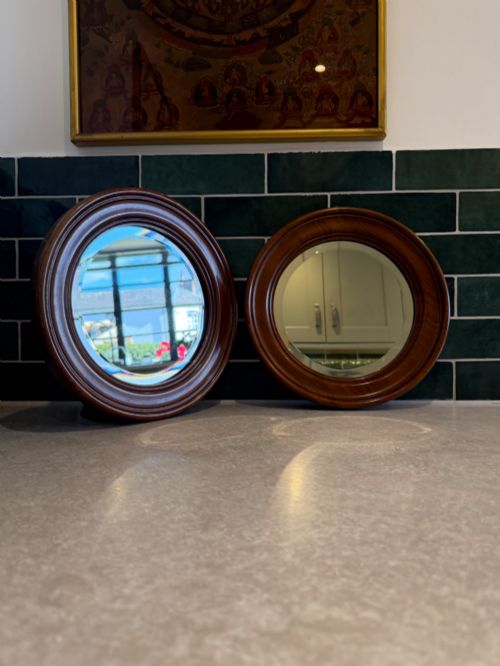
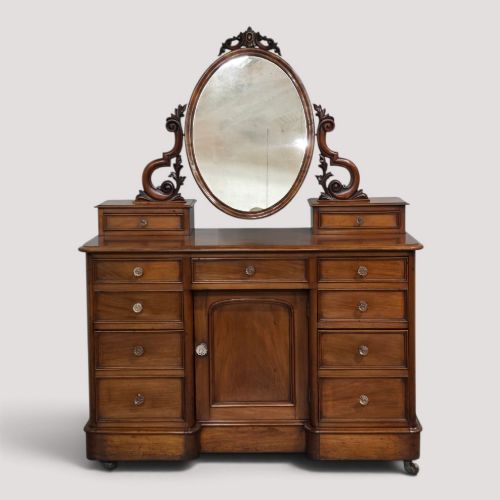
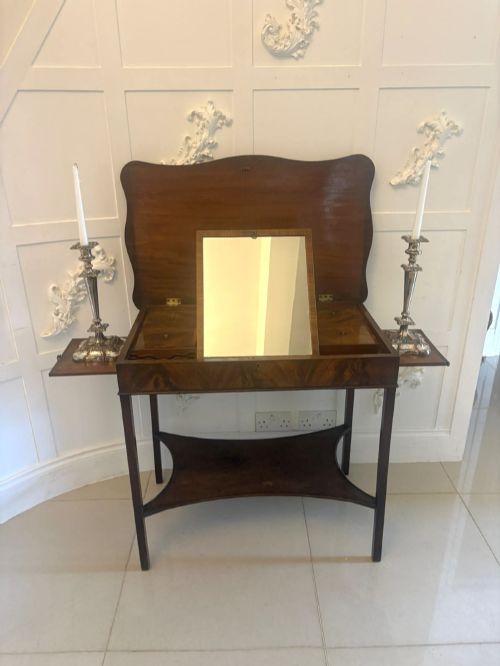
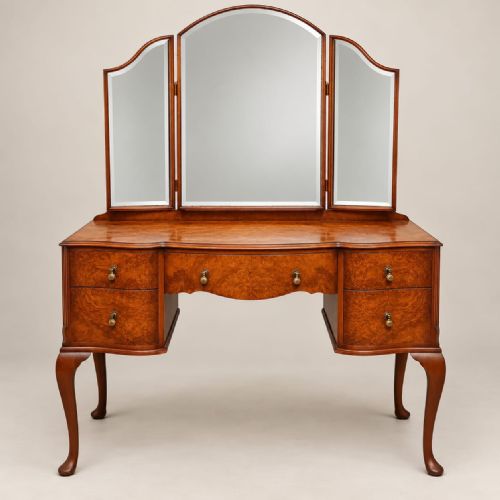
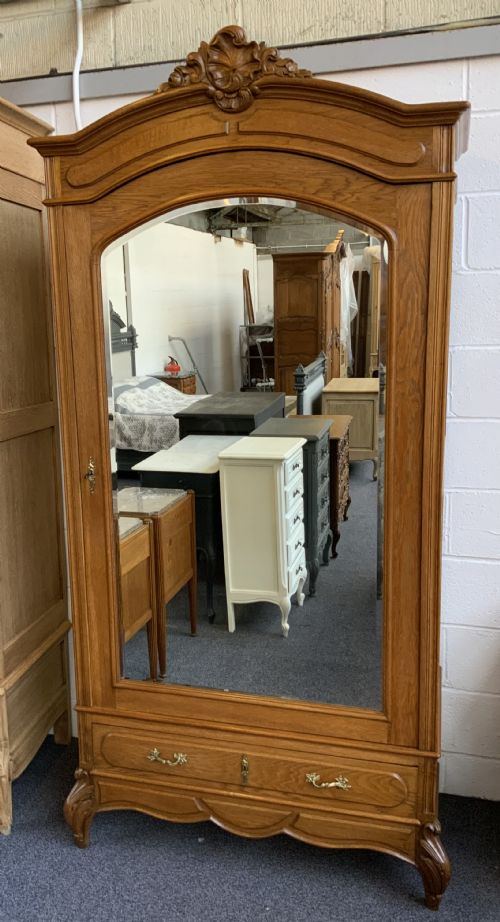
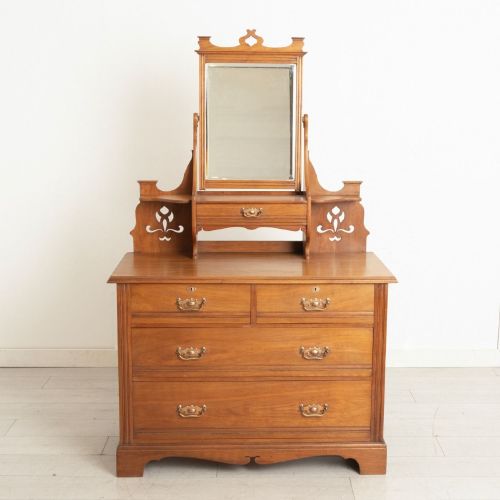
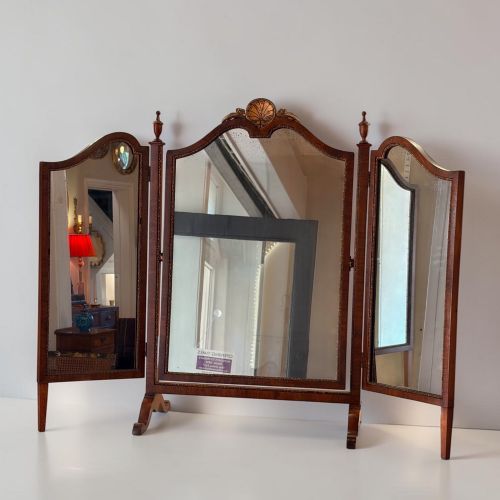
The selection includes wall mirrors, dressing table mirrors, triptych mirrors and bracket mirrors alongside larger furniture pieces that incorporate mirrored glass, such as wardrobes, hall stands and dressing tables. Edwardian and Victorian iterations appear frequently, often displaying traditional timber grains in deep brown tones.
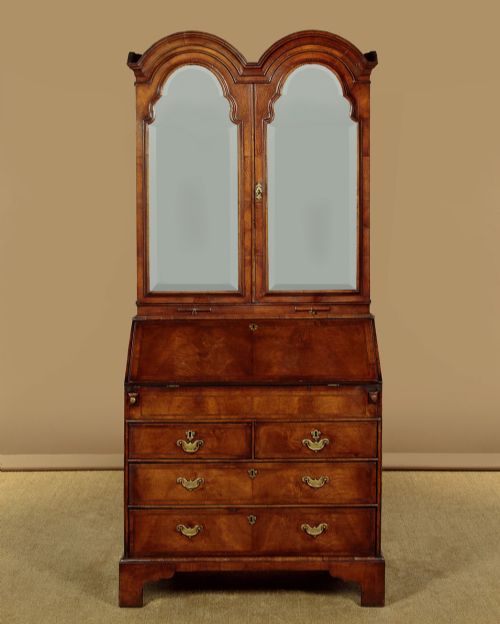
Regional variations and stylistic revivals emerge across the selection, encompassing Georgian styles, Queen Anne revivals, Arts and Crafts pieces and occasional Anglo-Indian or Kashmiri brass inlaid examples. These mirrors served both utilitarian dressing functions and decorative interior roles in period homes.
Materials and Construction
Makers utilised solid timbers and decorative veneers, selecting mahogany, walnut and oak for their structural integrity and deep natural colour. Burr walnut veneers provided intricate figuring on frames and dressing table surfaces, while specialised pieces employed brass inlay or parcel-gilt details.
Glass plates were silvered and bevelled by hand or early machinery, then secured within rebated wooden frames or held by supportive brackets and swinging floor stands. Carved ornamentation, fretwork and fret-cut outlines appeared on Georgian and Arts and Crafts styles, reflecting the craftsmanship of the period.
Listings feature rich brown timbers including mahogany, walnut, burr walnut and oak across Victorian, Edwardian and early twentieth century periods.
Assessing Quality
Quality rests in the depth of timber grain, the precision of cabinetmaking joints and the preservation of the original surface finish. Superior examples display carefully matched veneers, crisp carving and stable framing that withstands the weight of heavy glass plates.
The integrity of the mirror glass itself contributes to the overall standard, where minimal foxing and clear reflection distinguish finer pieces. Original brass hardware, secure swing pins on cheval mirrors and untouched patination further separate exceptional items from standard production.
Shapland & Petter·Waring & Gillow·Edwards and Roberts·P & MA Nicholson
The Vintage Brown Mirror Glossary
- Cheval mirror
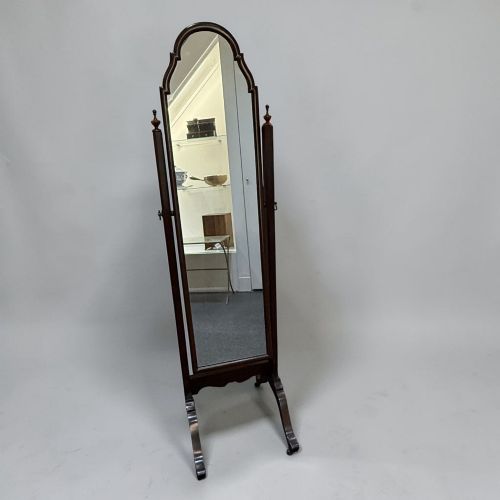
- A freestanding full-length mirror mounted on a pivoting frame between upright pillars. These allow the glass to tilt at various angles for dressing.
- Burr walnut
- A prized timber veneer obtained from walnut tree growths, featuring swirling, knotty grain patterns. It provides rich visual texture on Victorian and Edwardian furniture frames.
- Fretwork
- Openwork ornamentation carved or pierced out of thin wood. Georgian style wall mirrors frequently utilise this technique on their decorative crests and borders.
- Trumeau mirror
- A tall decorative mirror designed to sit between windows or above a fireplace. These French country pieces often combine painted panels with looking glass.
- Bracket mirror
- A small mirror fitted with wooden brackets for mounting onto a wall or resting upon a mantel. They typically feature compact mahogany or walnut framing.
Vintage Brown Mirror: Frequently Asked Questions
Where should I hang a wall mirror?
Wall mirrors suit entrance halls, living rooms and bedrooms, particularly above fireplaces or consoles where they reflect light and anchor the room.
Position the glass at eye level to maximise its practical utility and balance the surrounding furniture proportions.
How do I care for antique glass?
Clean the glass gently using a soft cloth and mild, non-abrasive cleaning solution applied to the cloth rather than directly sprayed onto the mirror.
Avoid harsh chemicals that might seep behind the silvering and accelerate deterioration along the edges.
What is a cheval mirror used for?
A cheval mirror functions as a freestanding dressing glass that allows users to view their entire outfit from head to toe.
The pivoting mechanism enables easy adjustment of the glass angle within its supporting floor frame.
How do I identify Edwardian mirrors?
Edwardian mirrors often display lighter mahogany or oak frames with simpler decorative lines compared to heavily ornamented Victorian predecessors.
Many incorporate bevelled glass plates and brass hanging hardware typical of the early twentieth century.