
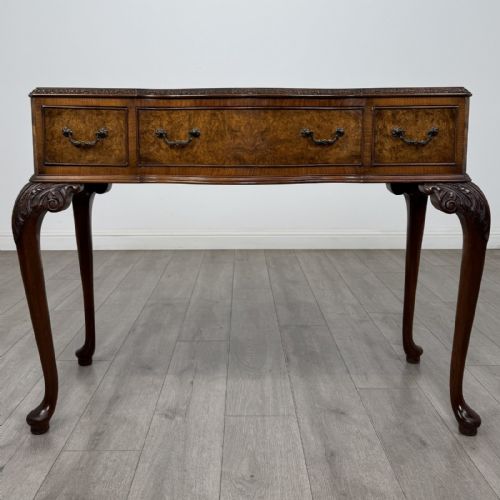
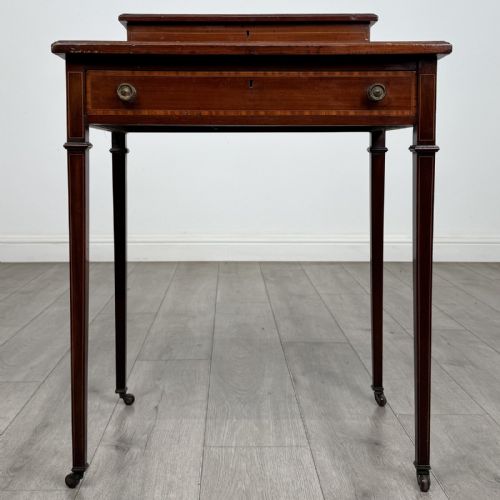
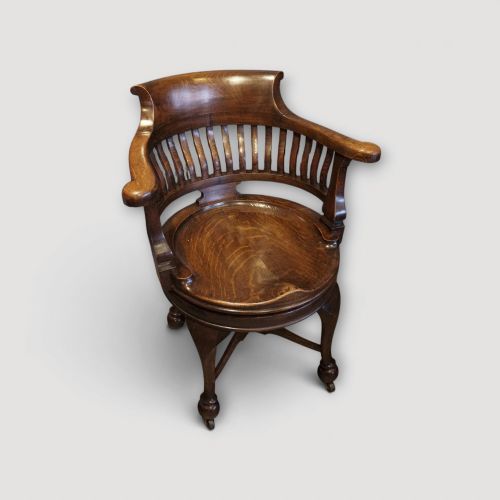
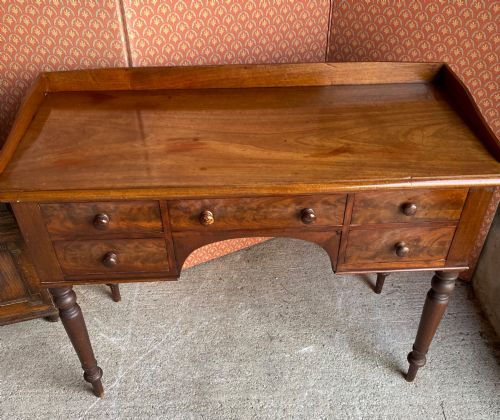
Vintage Brown Desk
These vintage brown desk pieces bring warmth and working space into a room, offering rich timber tones and solid construction.
Vintage Brown Desk
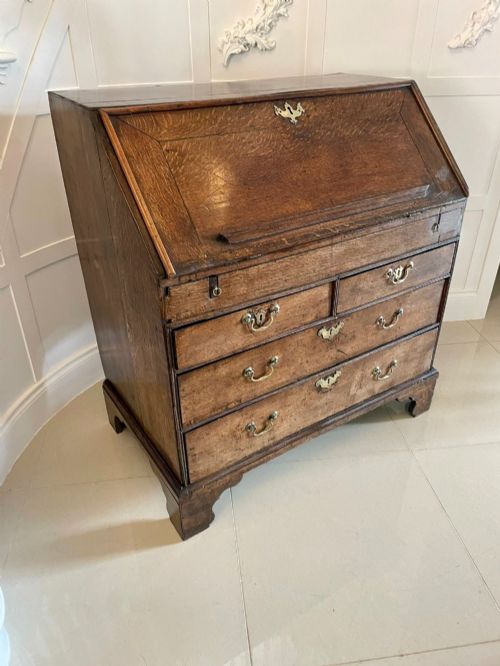
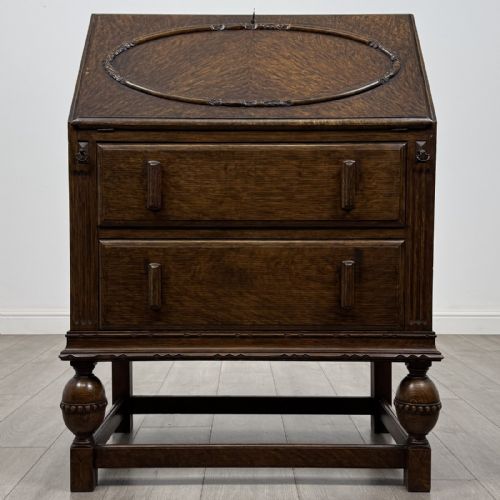
A vintage brown desk sits at the heart of traditional study spaces, offering a dedicated surface for writing and administrative tasks. The selection spans periods from the Georgian era through Victorian, Edwardian, and Art Deco designs.
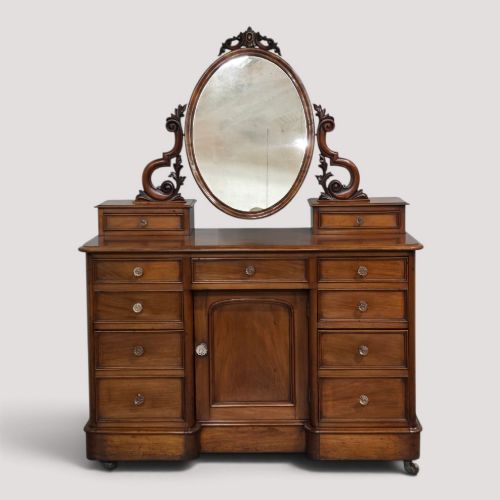
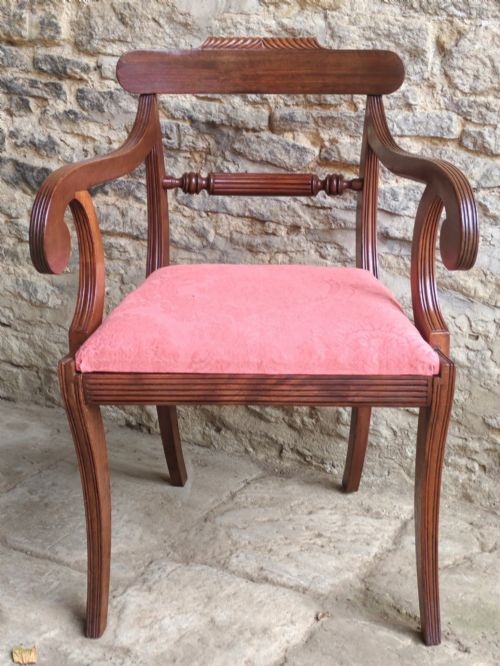
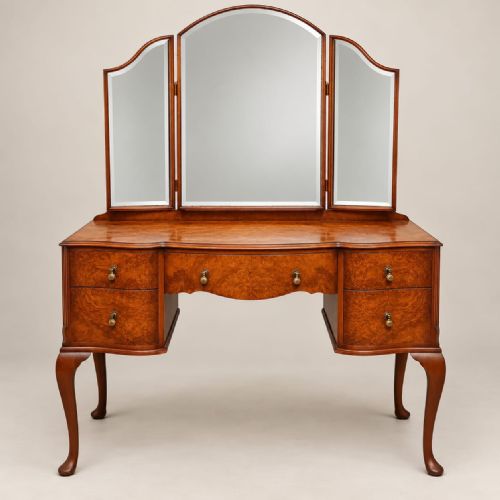
Mahogany, oak, and walnut form the backbone of these pieces, appearing alongside burr walnut and elm. Forms range from pedestal desks and writing tables to bureau bookcases and partner desks, often accompanied by matching swivel or armchair seating.
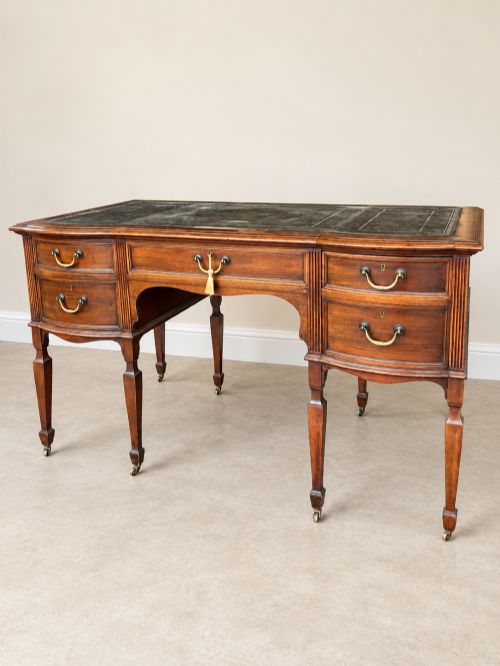
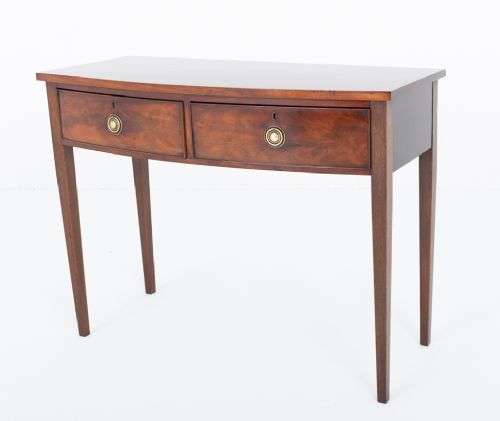
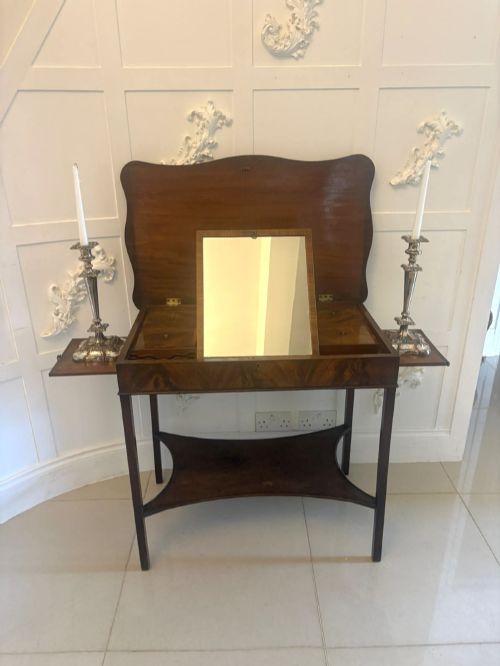
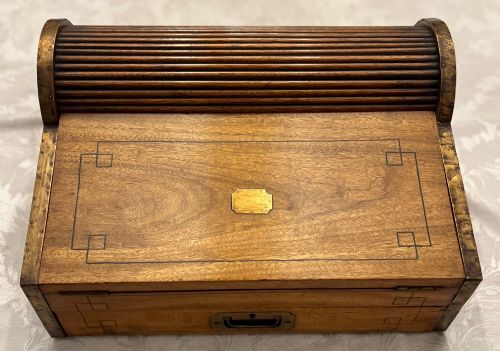
Edwardian writing tables and Victorian pedestal desks appear frequently, alongside side tables and campaign boxes. Buyers encounter various regional interpretations, including French parquetry and Anglo Indian camphor pieces.
How they were made
Cabinetmakers utilised solid hardwoods like mahogany and oak for structural integrity, while applying burr walnut and satinwood veneers for decorative surfaces. Joinery relied on traditional methods such as dovetailing for drawer construction.
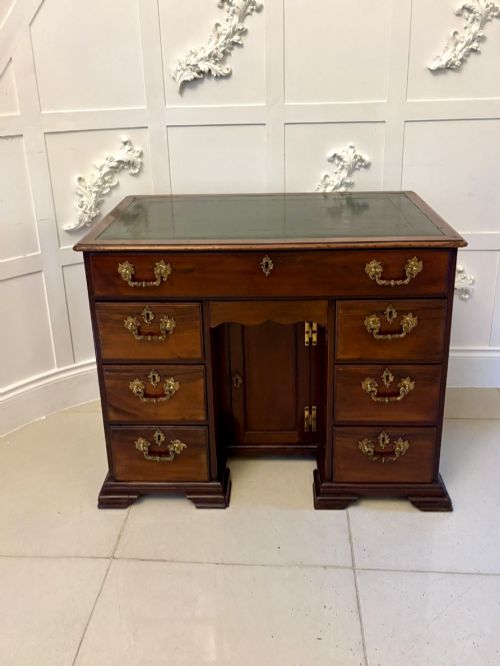
Writing surfaces frequently incorporate inset leather panels, often tooled with gold leaf borders. Brass hardware, including drop handles and campaign-style flush fittings, punctuate the dark timber finishes.
Inlaid detailing employs contrasting timbers and marquetry techniques, creating geometric and floral patterns across drawer fronts and top surfaces. Turned legs, cabriole legs with carved knees, and claw and ball feet provide the structural support.
Listings feature periods spanning from the eighteenth century through the Art Deco era, utilising materials like mahogany, burr walnut, and brass.
What varies in quality
The selection of timber grain dictates much of the visual appeal, with figured burr walnut and well-matched mahogany veneers commanding attention. Superior examples exhibit continuous grain patterns and careful timber selection across large surfaces.
Hand-cut dovetailing and substantial secondary timbers within drawer linings signal higher workshop standards. The precision of inlaid detailing and the crispness of carved elements like cabriole knees reveal the hand of a skilled maker.
W. Walker and Sons London·Bruce James Talbert·Edwards and Roberts·Thomas Howard
The Vintage Brown Desk Glossary
- Pedestal desk
- A freestanding writing table supported by two banks of drawers rather than legs. This heavy form provides substantial storage beneath the main writing surface.
- Partners desk
- A large double-sided desk designed for two people to work opposite one another. These pieces feature drawers and cupboards on both faces.
- Bureau bookcase
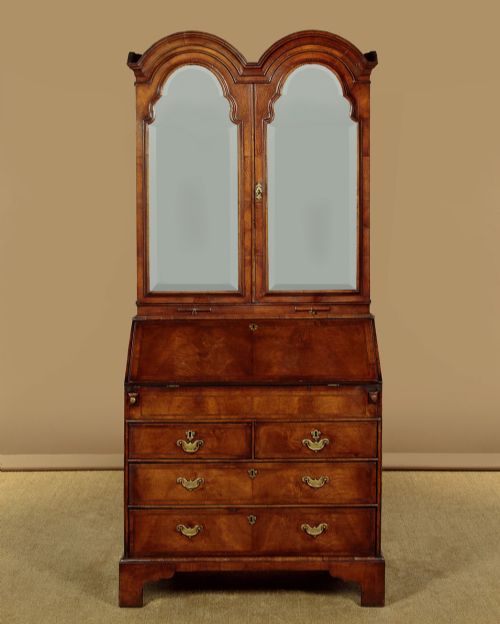
- A combination piece featuring a sloping fall-front desk section beneath glazed shelving doors. They offer enclosed workspace paired with upper display storage.
- Campaign box
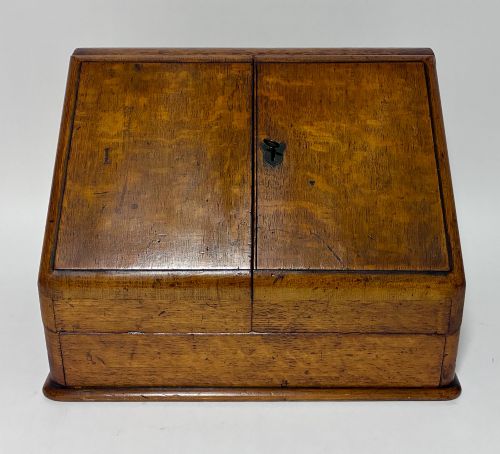
- A portable writing box designed for travel, typically fitted with brass corners and flush handles. These compact items unfold to reveal storage compartments and sloping writing surfaces.
- Secretaire
- A cabinet incorporating a pull-down writing drawer that conceals smaller compartments and pigeonholes. They blend the exterior profile of a chest of drawers with hidden desk functionality.
Vintage Brown Desk: Frequently Asked Questions
How do I care for a leather desk top?
Leather writing surfaces require gentle cleaning with a damp cloth followed by specialised leather cream to maintain suppleness. Avoid harsh chemical cleaners that can strip the dyed finish and gold tooling.
Keep these surfaces away from direct sunlight and excessive heat sources to prevent the leather from drying and cracking over time.
What is a partners desk?
A partners desk is a large, double-sided piece designed so two people can sit and work opposite each other. They typically feature matching sets of drawers or cupboards on both long sides.
These substantial desks usually stand freely in the centre of a room rather than against a wall.
How do I date a wooden desk?
Dating relies on examining construction methods, timber choices, and stylistic hardware details. Hand-cut dovetails, secondary woods inside drawers, and specific leg styles like cabriole or turned supports help narrow down the period.
Maker marks, stamps, and paper labels inside drawers provide definitive clues regarding the workshop of origin and exact decade of manufacture.
Can I use an antique desk daily?
These pieces were built for functional daily work using solid hardwoods and durable joinery. Routine use suits them well, provided basic precautions are observed.
Using coasters for drinks and blotters for writing protects the historic timber and leather surfaces from accidental damage during everyday tasks.