




Vintage Bronze Container
These vintage bronze container pieces are functional metal vessels that bring historic weight and decorative utility to any interior.
Vintage Bronze Container
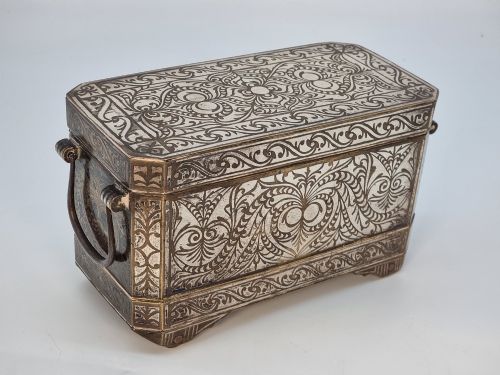
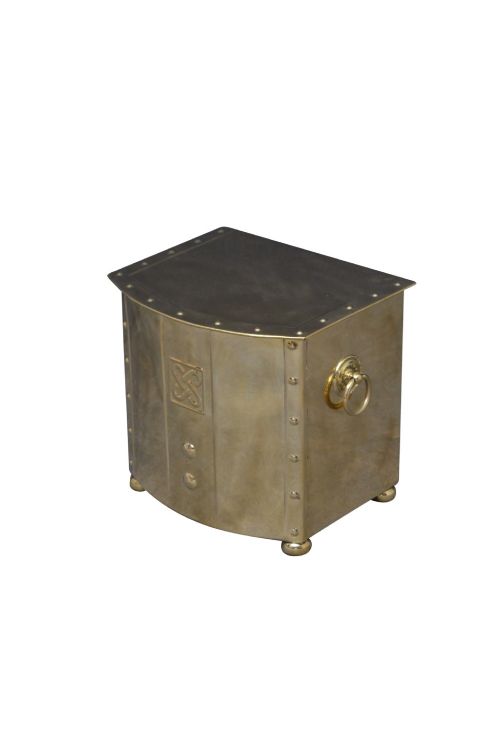
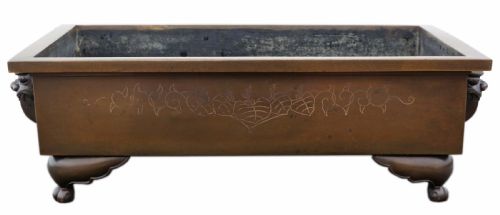
When you search for a vintage bronze container, you encounter a diverse array of vessels spanning the Victorian era through the early twentieth century. The selection includes jardinières, snuff boxes, jewellery boxes, coal bins, and lidded pedestal bowls.
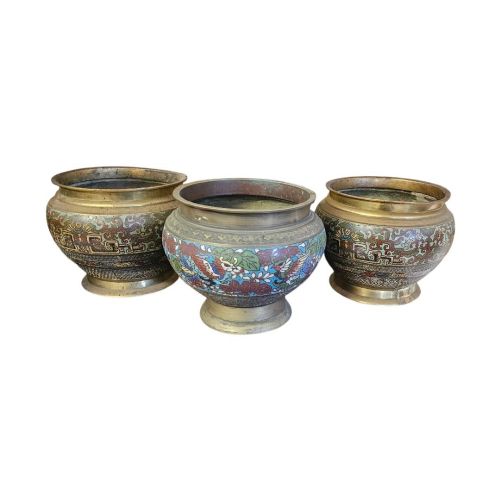
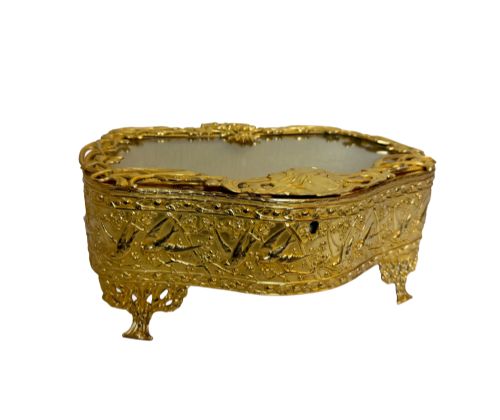
The pieces on this page originate from various global traditions, ranging from English industrial coal boxes to Late Qing dynasty Chinese champlevé enamel jardinières. Japanese Edo period cloisonné and Art Nouveau gilt bronze designs also appear frequently.
You are most likely to meet planters and jardinères alongside smaller desktop or pocket trinket boxes. These range from heavy industrial coal bins to delicate presentation boxes of nautical interest.
How they were made
Maker construction relies heavily upon cast and hammered bronze, copper alloy, and brass, frequently combined with secondary elements like glass panels and iron fittings.
Decorative surface techniques include champlevé enamel, cloisonné wirework, and surface gilding. These methods fuse coloured glass pastes or gold leaf onto the metallic body under high heat.
Vintage Bronze Container Retail Price Guide 2026
Typical asking prices for vintage bronze container among the pieces listed under this phrase on Sellingantiques today, from the lower quarter to the upper quarter. They describe what is for sale here now, not the wider market.
Materials recorded across the inventory include bronze, brass, iron, copper alloy, glass, and enamel.
What varies in quality
The distinction between ordinary utility items and superior examples lies in the crispness of the cast metal and the precision of the enamel work. Finer containers exhibit sharp surface relief and secure, hand-finished joints.
The depth and integrity of decorative embellishments, such as multi-coloured cloisonné wires or complex gilt bronze mounts, separate standard commercial production from exceptional artistic output.
W.M.F.
The Vintage Bronze Container Glossary
- Jardiniere
- A decorative ceramic or metal pot or stand for holding ornamental plants or flowers. These are often large enough to sit directly on the floor or a heavy table.
- Champleve
- An enamelling technique where depressions are carved into a metal surface and filled with vitreous enamel powder before firing. The surrounding metal lines remain visible as a grid.
- Cloisonne
- A method of decorating metalwork objects with coloured material held in place or separated by thin metal strips welded to the body. This creates intricate cellular patterns across the surface.
- Gilt bronze
- Metal cast in bronze and treated with a thin layer of gold or gold leaf to give a rich surface finish. It was widely used in decorative European furnishings.
Vintage Bronze Container: Frequently Asked Questions
How were bronze containers used historically?
Larger vessels functioned primarily as jardinères for indoor plants, coal bins for hearth management, or log buckets for fuel storage. Smaller boxes served personal needs, holding snuff, jewellery, or trinkets.
Presentation boxes also functioned as commemorative items for competitive sailing events. Their roles blended practical domestic utility with decorative display.
How do I care for a vintage bronze container?
Dust the metal regularly with a soft, dry cloth to prevent grime accumulation. Avoid harsh chemical cleaners that strip patination or damage delicate enamel work.
Keep pieces away from damp environments to protect underlying iron components and prevent corrosion. Natural wax can be applied sparingly to protect unlacquered surfaces.
How can I tell the period of a bronze container?
Examine the manufacturing marks, casting seams, and stylistic indicators such as Art Nouveau curves or Arts and Crafts industrial finishes. Construction methods often reveal whether a piece dates from the Victorian era or the nineteen-thirties.
Materials also offer clues, as specific enamelling styles correspond directly to Late Qing or Edo periods. Comparing weight and patina helps confirm the age of the metal.
Are these containers waterproof?
Most antique metal vessels were not manufactured with modern waterproof linings. Using them directly for live planting can introduce moisture that damages the interior metal or solder seams.
Insert a separate plastic or ceramic liner if you intend to use a jardiniere for live foliage. This protects the historic base from standing water and soil acidity.