

Vintage British Portrait
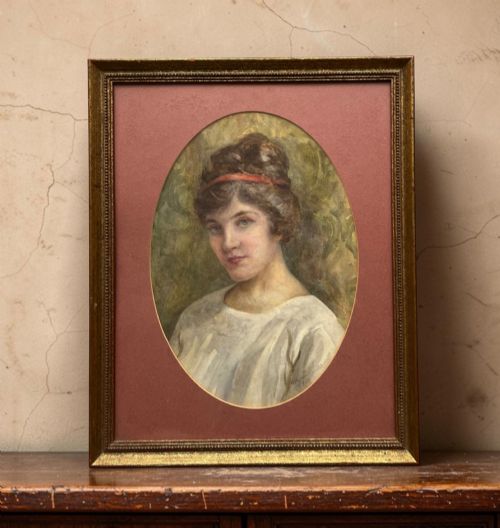
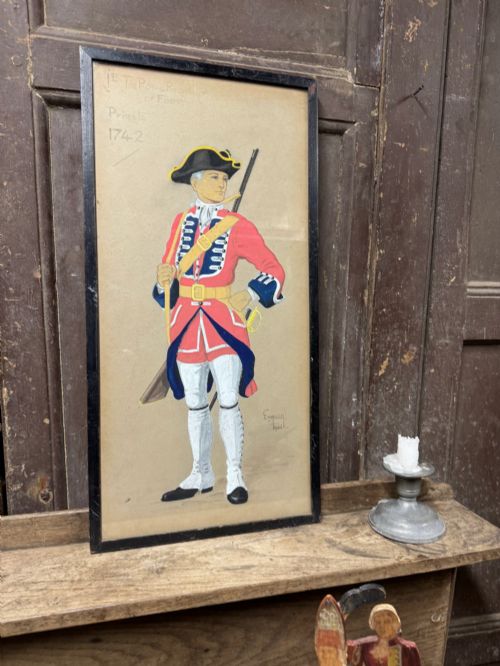
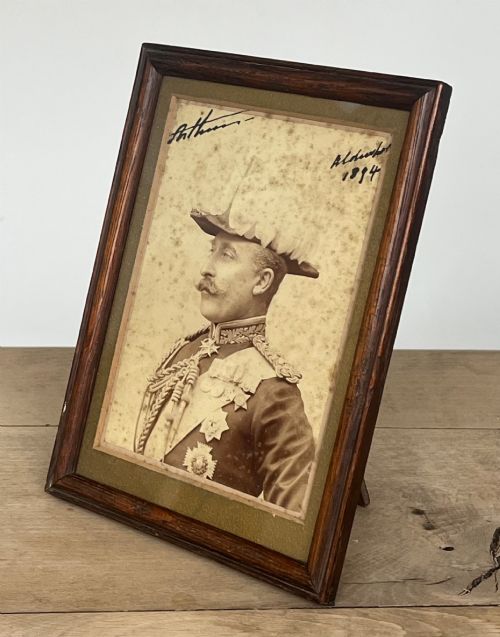
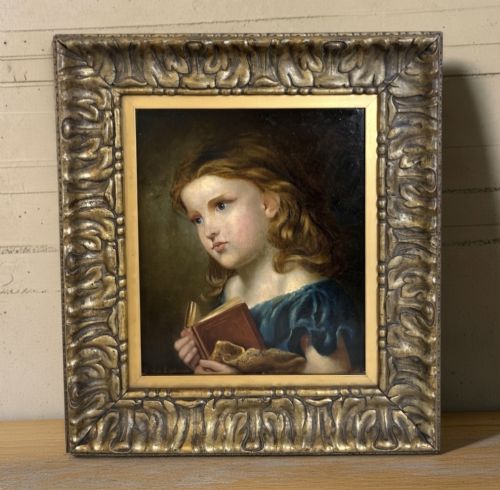
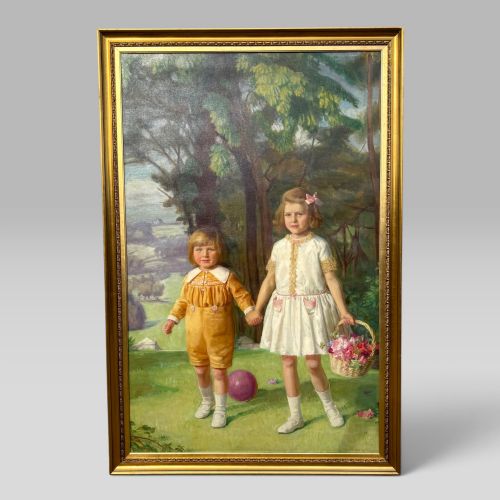
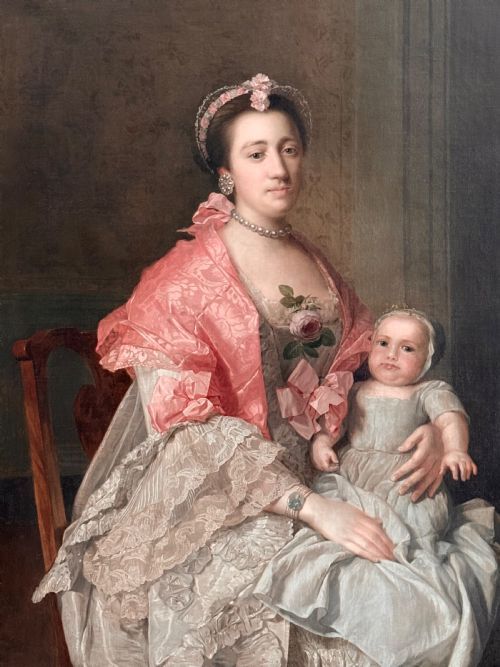
When you search for a vintage british portrait, you meet framed oil paintings, pastels, and ink drawings spanning the nineteenth century through the mid-twentieth century.
Vintage British Portrait
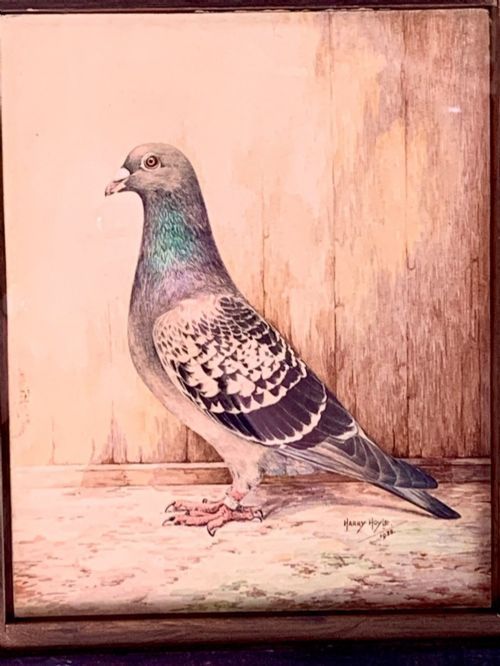
A vintage british portrait captures subjects ranging from identifiable sitters and artists to children, livestock, and working dogs across the nineteenth, twentieth, and earlier centuries. You encounter works assigned to distinct regional schools alongside pieces bearing named sitters or known hands.
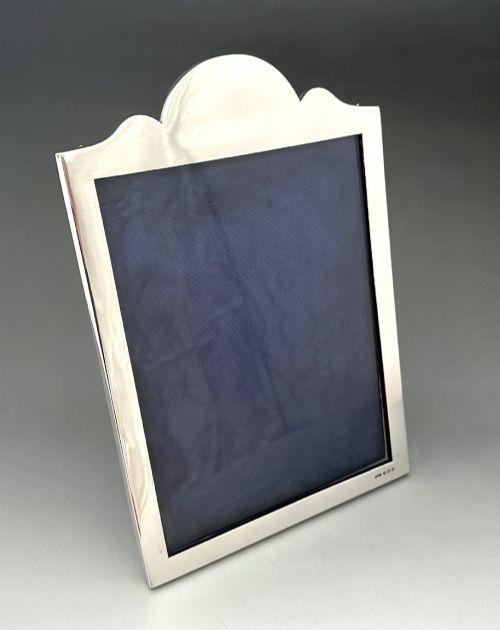
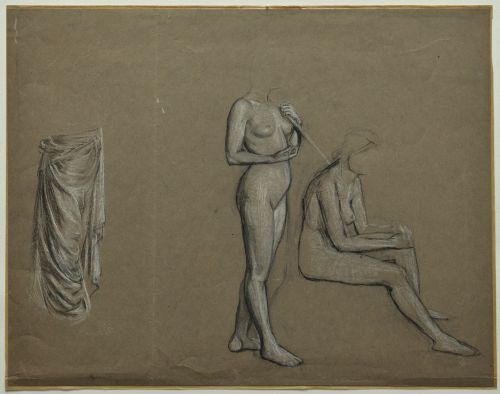
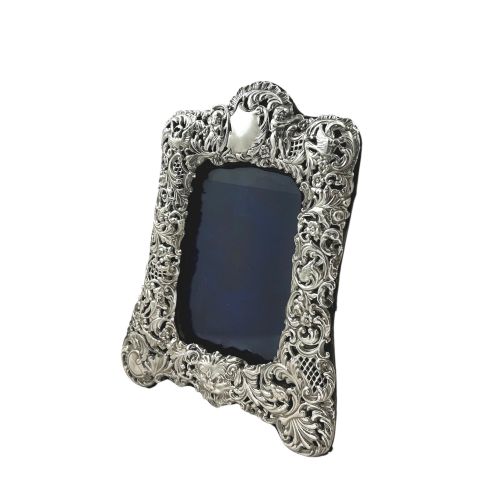
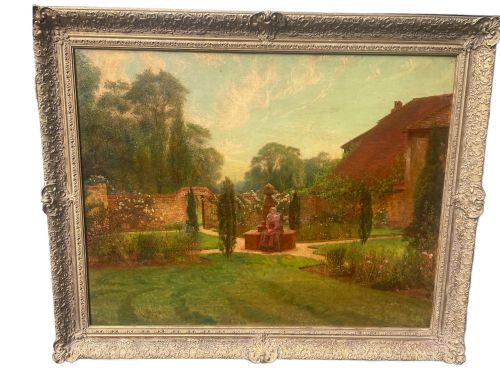
The materials span oil on canvas, oil on board, wood panels, paper, and glass, housed within period frames including giltwood and sterling silver. These works emerge from Victorian, Edwardian, Regency, and mid-century British movements.
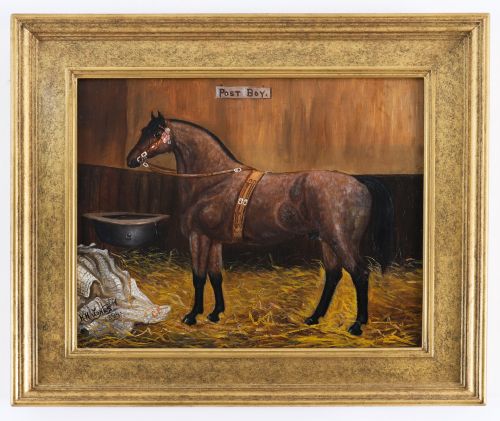
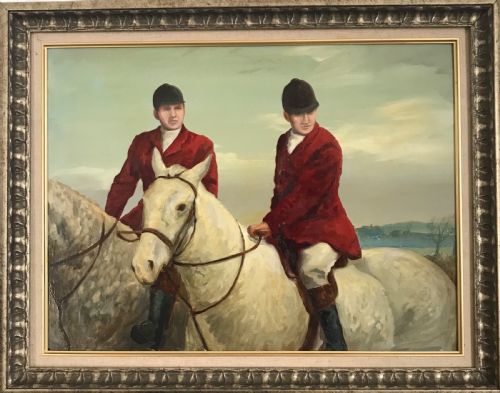
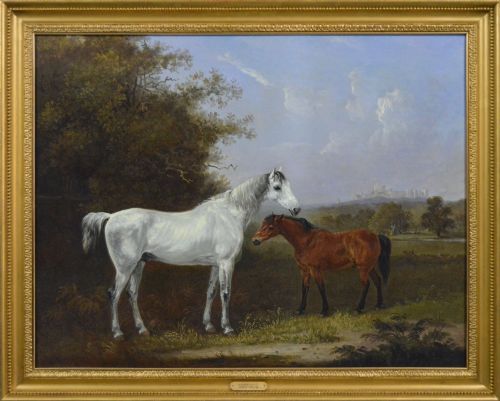
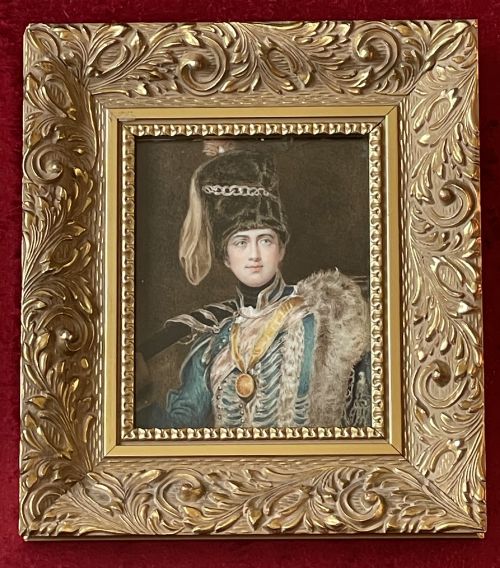
Subjects include equestrian horse portraits, sporting animal studies, self-portraits at the easel, and formal likenesses of society figures and royalty. Each piece reflects the aesthetic priorities of its specific decade, from nineteenth-century realism to mid-century modernism.
Distinguishing quality
The calibre of a work rests upon the sureness of the draftsmanship and the handling of light within the subject's face and garments. Stronger examples display confident brushwork or precise pastel strokes that render anatomy and expression convincingly.
Condition of the support surface and pigment layer dictates longevity, where undisturbed oil layers or well-preserved pastels behind glass retain their intended visual impact. The presence of original framing materials and documented attribution to a recorded artist elevate the standing of a piece.
Vintage British Portrait Retail Price Guide 2026
Typical asking prices for vintage british portrait among the pieces listed under this phrase on Sellingantiques today, from the lower quarter to the upper quarter. They describe what is for sale here now, not the wider market.
Listings feature works spanning the 17th century, Victorian, Edwardian, and mid-20th century periods, executed in oil, pastel, watercolor, and ink.
Louis Reid Deuchars·Andrew Beer·George F. Bird·Lionel Ellis·Jacob Kramer·Henry Barraud·Sir Allan Ramsay·Edmund Bristow·Edward Armfield·Bernard Hailstone·Emily Eyres·W.D. Almond·Frank Dobson·Herbert Ashwin Budd·Gladys Marguerite Baker·Herbert Johnson Harvey·Samuel Rabin·Edgar Hunt·George Wright·William Albert Clarke
The Vintage British Portrait Glossary
- Oil on Canvas
- A painting medium where pigments suspended in drying oil are applied to stretched woven fabric. This combination allows for rich colour blending and textured impasto application.
- Pastel
- A dry drawing medium consisting of powdered pigment and a binder rolled into sticks. Artists use this on paper to achieve velvety textures and luminous tones.
- Giltwood
- Wood carved and coated with a thin layer of gold leaf or gold paint. It frequently appears on traditional frames surrounding fine art pieces.
- Gouache
- An opaque water-based paint that dries to a matte finish. It provides solid blocks of colour and precise detail in works on paper.
Vintage British Portrait: Frequently Asked Questions
What periods do these portraits cover?
The selection spans from the seventeenth century through the Victorian and Edwardian eras into the mid-twentieth century. You will find works representing specific decades such as the 1920s, 1930s, and 1950s.
Earlier pieces include oak panel paintings from the seventeenth century, while later examples extend into the 1960s. Each era brings distinct stylistic approaches to portraiture and animal painting.
What mediums were used for these artworks?
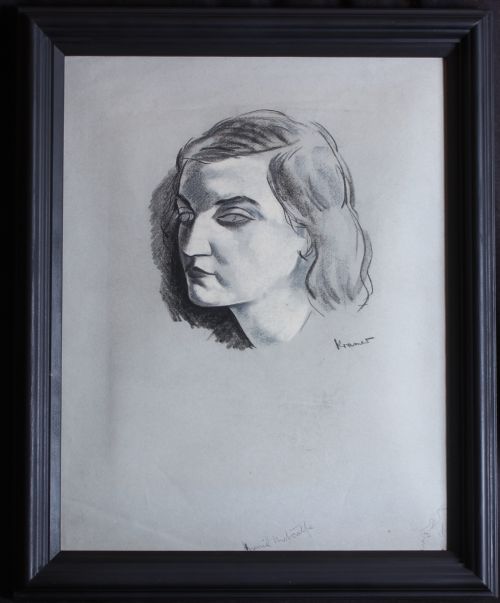
Oil paint on canvas or board forms the primary medium for these portraits. Artists also employed pastel, watercolor, and ink drawing on paper supports.
Some pieces incorporate wood panels as a base, particularly older works from earlier centuries. Framing materials range from carved giltwood to silver photograph frames.
How do I identify the artist of a piece?
Many listings identify specific creators through signatures, inscriptions, or historical attribution by dealers and scholars. Names range from recognised British painters to regional school practitioners.
Works without explicit signatures are often attributed to the British School of a specific century based on technique, subject matter, and materials.