


Vintage Brass Warming Stand
These vintage brass warming stand items are practical hearth pieces that bring heavy metalwork into a period interior.
Vintage Brass Warming Stand
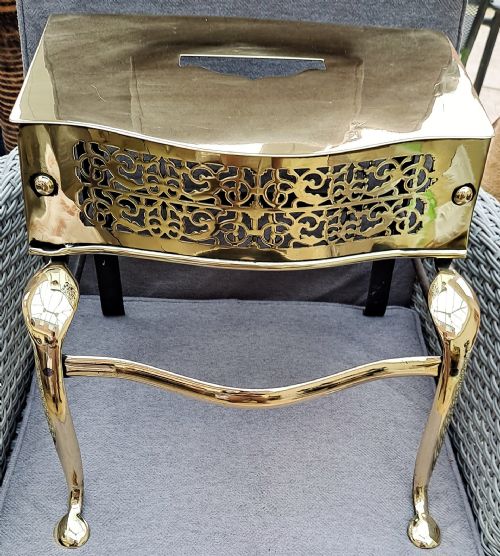
When you search for a vintage brass warming stand, you are looking at functional hearth and tea equipment designed to keep food or water hot beside the fire. These metal pieces often combine heavy brass with steel elements to handle the heat of the hearth.
On this page, the most likely version you will meet takes the form of a hearth footman or a spirit kettle with a dedicated stand, originating from periods spanning the Georgian era through to the early twentieth century.
How they were made
These items rely on durable combinations of brass and steel, forged and cast to withstand regular use near open flames. Workshops shaped the metal components by hand, utilising traditional joining methods to ensure stability under heavy kettles and pots.
The construction balances decorative brass surfaces with robust steel frames, ensuring the stands remained sturdy on uneven hearth stones.
Some stands wear the quiet soot of long-forgotten hearths.
What varies in quality
Quality in these pieces rests upon the thickness of the cast brass and the integrity of the steel components. Heavier castings and crisper pierced designs indicate superior workshop production rather than mass output.
The proportion of the stand and the balance of its legs determine its overall fineness. Better examples retain their original structural rigidity without replacement parts or amateur repairs.
Thomas Rubergall·Henry Smith
The Vintage Brass Warming Stand Glossary
- Footman
- A metal stand placed before a fireplace to keep plates or kettles warm. These items typically feature four legs and a flat top plate.
- Spirit kettle
- A tea kettle suspended over a small burner or spirit lamp. The accompanying stand holds the vessel securely above the flame.
- Georgian
- A design period spanning the reigns of the first four Georges. Pieces from this era often display classic proportions and restrained ornamentation.
- Edwardian
- A stylistic period covering the early years of the twentieth century. Craftsmanship during this time often drew inspiration from earlier eighteenth-century revivals.
Vintage Brass Warming Stand: Frequently Asked Questions
What is a brass footman used for?
A brass footman sits directly in front of the fireplace hearth to support kettles, pots, or plates near the heat. They served as auxiliary cooking and warming stations in period kitchens and living rooms.
Over time, these sturdy stands transitioned from active kitchen use to decorative fireside accessories in collector homes.
How do I clean a brass warming stand?
Cleaning requires a soft cloth and a mild metal polish designed specifically for brass to preserve the aged surface. Avoid harsh abrasive pads that can strip away the historical patina.
Regular dusting with a dry cloth is usually sufficient for day-to-day maintenance of these antique metal pieces.
Are these stands safe to use with modern kettles?
Most of these pieces were built to support heavy cast iron and copper vessels of the eighteenth and nineteenth centuries. Their solid construction easily bears the weight of modern metal cookware.
Care should be taken to check the stability of the legs and joints before placing heavy pots upon them.
How do I date an antique brass stand?
Dating relies upon examining the casting techniques, fastener types, and stylistic motifs present on the metalwork. Georgian examples often feature heavier hand-wrought iron components alongside cast brass.
Later Edwardian versions tend to show more standardised manufacturing methods and lighter overall frames.