


Vintage Brass Stand
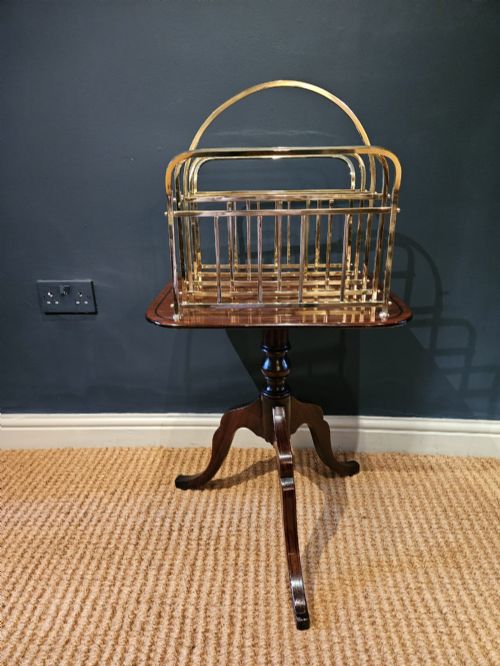
A vintage brass stand brings functional metalwork into a room, offering sturdy support for lighting, reading materials or display.
Vintage Brass Stand
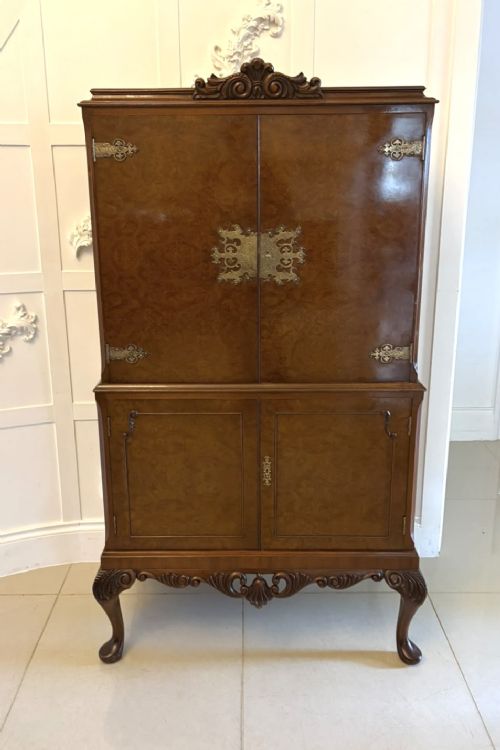
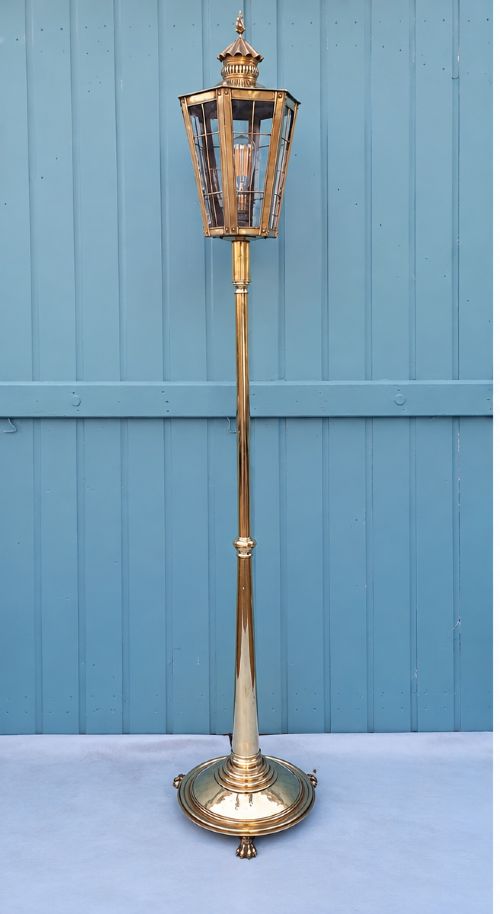
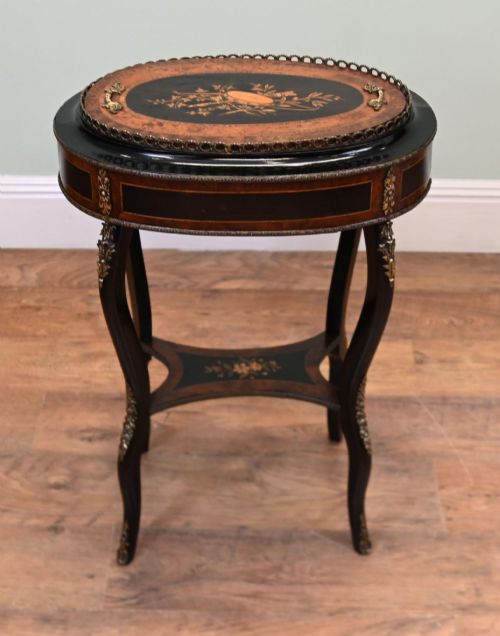
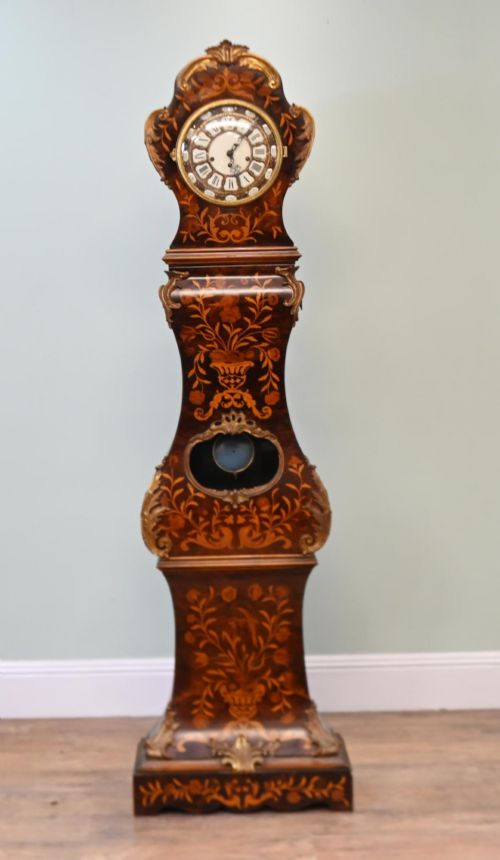
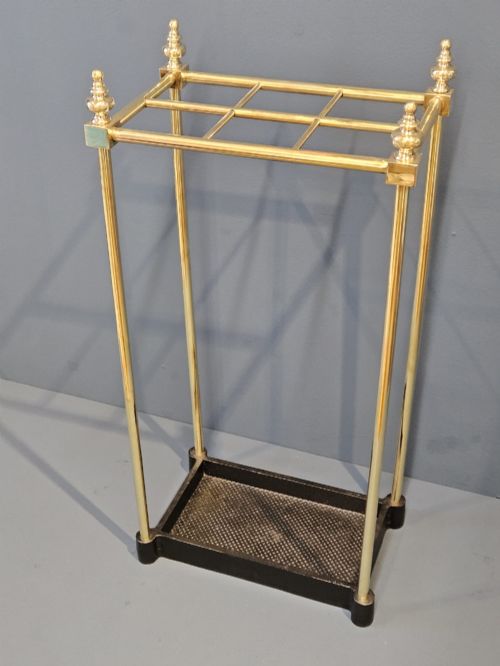
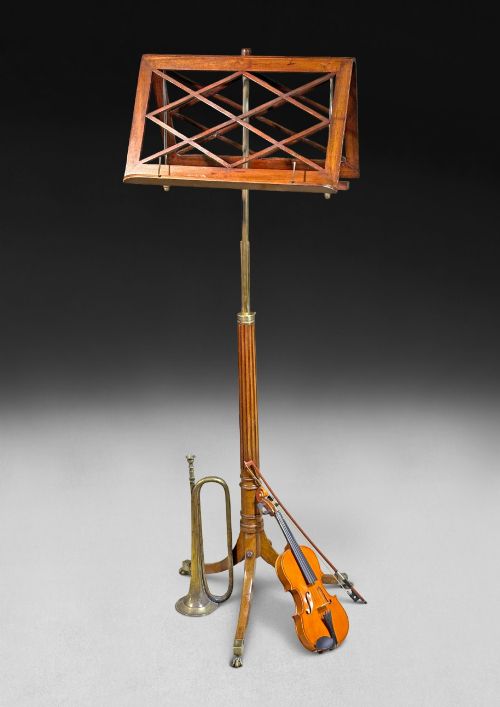
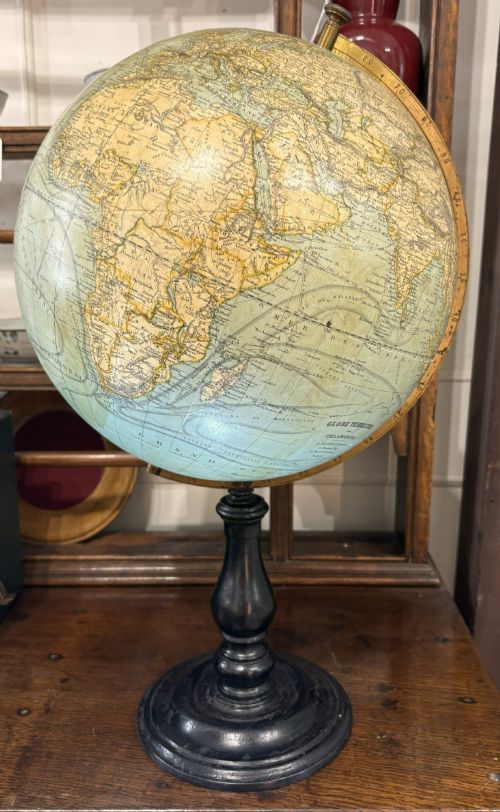
A vintage brass stand encompasses various forms utilised across domestic spaces, from floor-standing lamps to umbrella holders and plant displays. The pieces seen here span multiple periods, including the Victorian, Edwardian and early twentieth-century eras, reflecting changing interior tastes.
Buyers will encounter functional items such as spirit kettle stands, magazine holders and standard lamps alongside decorative display pieces. Many incorporate secondary materials like mahogany, oak or glass to complement the primary brass construction.
Origins vary across British, French and continental European workshops, demonstrating diverse manufacturing traditions within the same broad category. The designs range from plain utilitarian shapes to ornate revival styles influenced by the Arts and Crafts and Art Nouveau movements.
Materials and construction methods
The construction of a vintage brass stand typically combines cast or spun brass components with structural elements of timber such as mahogany, oak, walnut or kingwood. Metal parts were often shaped through casting or hand-beating, then finished with polishing or gilt accents.
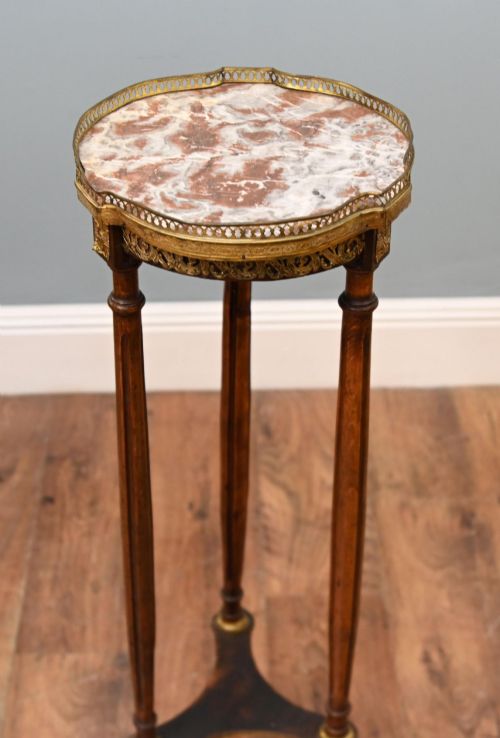
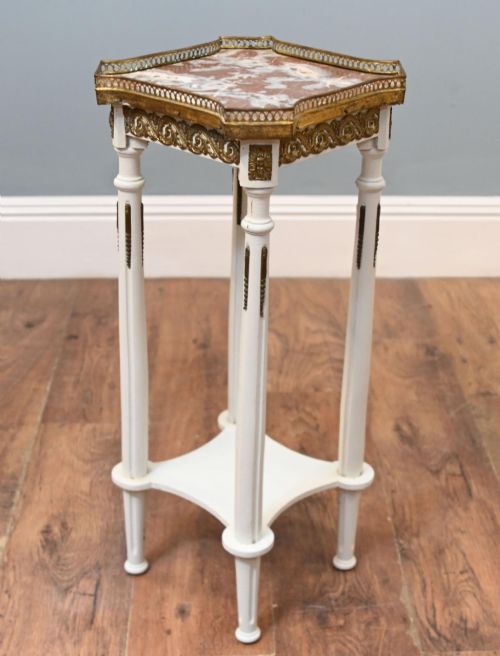
Makers utilised complementary materials like alabaster, marble, porcelain plaques and glass to enhance the visual appeal of the metal framework. Structural joints rely on traditional techniques appropriate to the period, including dovetailing in timber bases and secure mechanical fixings for metal assemblies.
Vintage Brass Stand Retail Price Guide 2026
Typical asking prices for vintage brass stand among the pieces listed under this phrase on Sellingantiques today, from the lower quarter to the upper quarter. They describe what is for sale here now, not the wider market.
Assessing quality and craftsmanship
Quality in these pieces depends upon the weight and thickness of the brass utilised, alongside the precision of any cast detailing or chased ornamentation. Superior examples show crisp casting lines, stable structural integration between metal and wood components, and harmonious proportions.
The presence of original fittings, uncompromised patination and well-executed secondary materials like inlaid mahogany or marble tops elevates a piece. Lesser examples may exhibit clumsy repairs, thin metal gauge prone to distortion, or mismatched replacement parts.
Dugdill·Cary London·Astrola·WMF
The Vintage Brass Stand Glossary
- Ormolu
- Gilded bronze or brass applied to furniture mounts or decorative objects. This technique was popular in French and English pieces during the eighteenth and nineteenth centuries.
- Patina
- The surface sheen and colour acquired by brass, wood and other materials through age and handling. A genuine patina develops naturally over decades of use.
- Jardiniere
- An ornamental stand or container designed to hold plants or flowers. These often feature brass liners and decorative mounts.
- Cheval mirror
- A full-length freestanding mirror suspended on a pivoting frame between two upright pillars. They frequently incorporate sturdy wooden or brass supports.
- Processional cross
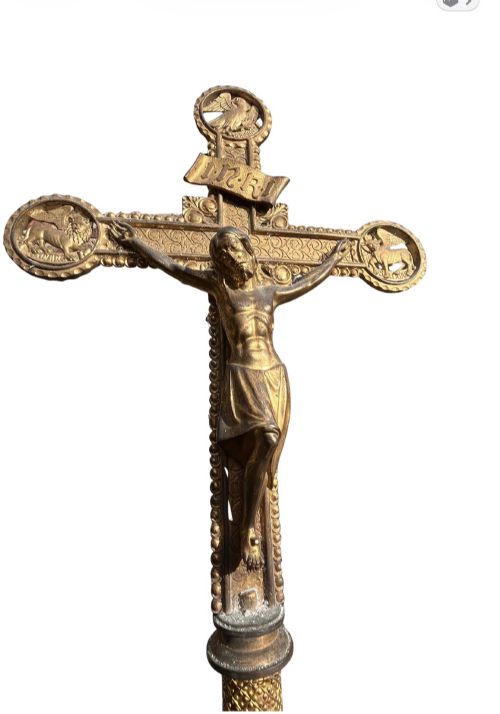
- A large Christian crucifix mounted on a long pole or stand. These were traditionally carried in church ceremonies.
Vintage Brass Stand: Frequently Asked Questions
What is a vintage brass stand used for?
These stands serve various practical functions around the home, holding items such as spirit kettles, reading books, plants or lighting.
Their sturdy metal construction allowed them to support heavy domestic objects safely while adding a decorative metallic accent to a room.
How do I clean a brass stand?
Dust the surface regularly with a soft cloth to prevent the accumulation of grime in decorative recesses.
Avoid abrasive chemical polishes that strip away the aged patination, opting instead for gentle cleaning methods suitable for antique metalwork.
Are these stands purely decorative?
While many possess high aesthetic value, most were created for specific practical tasks like holding magazines, umbrellas or lighting.
Their dual nature makes them suitable for contemporary interiors where they continue to perform their original functions.
How can I tell the period of a brass stand?
Examine the manufacturing techniques, fastener types and design motifs to determine the era of production.
Stylistic cues such as Art Nouveau curves or Victorian proportions often align with specific decades recorded in the construction methods.