


Vintage Brass Spigot
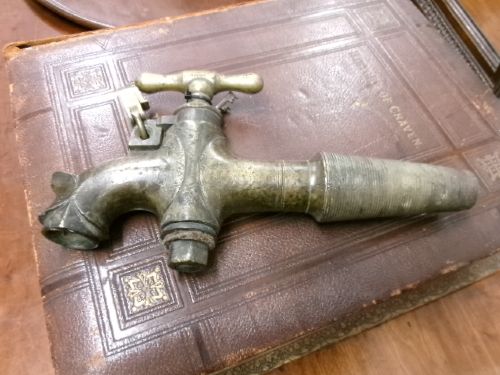
These vintage brass spigot items are primarily tea urns, coffee urns, and heavy barrel taps from the Victorian, Regency, and Georgian periods.
Vintage Brass Spigot
When you search for a vintage brass spigot, you encounter functional water-dispensing hardware and large beverage vessels like samovars and tea urns. These pieces originate from periods spanning the Georgian, Regency, and Victorian eras.
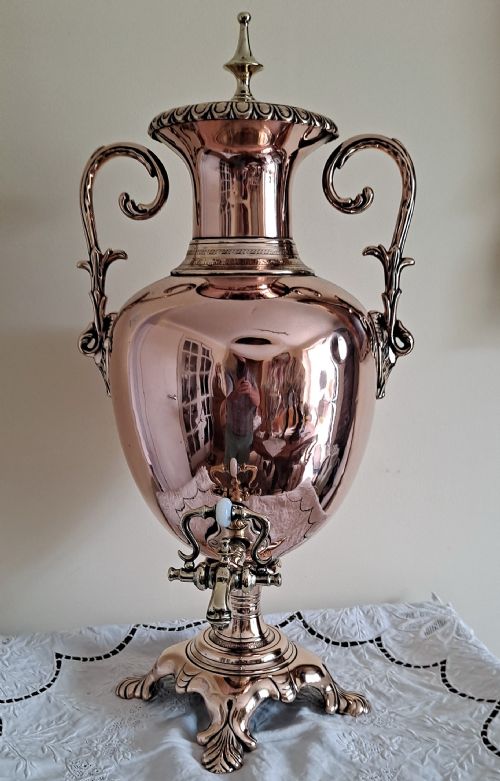
The most common items meeting this description on this page are substantial copper and brass samovars, alongside heavy brass barrel taps. They reflect the domestic hospitality traditions of the nineteenth century.
Makers utilised various metals and decorative finishes, combining brass taps with copper bodies, ebonised wood handles, and ceramic components. Their forms range from early nineteenth century Dutch toleware coffee urns to ornate English tea urns.
How they were made
These pieces rely on durable metalworking techniques, primarily utilising hammered and joined copper and brass components. Craftspeople incorporated cast brass for the spigots and taps to ensure structural strength.
Makers added contrasting materials such as ebonised wood for insulation on handles and knobs. Surface finishes include bronzed copper, tinplate lining, and occasional applications of gold leaf and paint.
Some nineteenth-century tea drinkers required a barrel tap with a built-in lock to prevent unauthorised access to the afternoon brew.
What varies in quality
Quality in these items is determined by the crispness of the casting on the spigot and the heaviness of the metal gauge. Ornate ornamentation and balanced proportions distinguish finer examples from standard utility pieces.
The integrity of the original components, such as intact wooden handles and matching brass lids, separates well-preserved specimens from altered or assembled items.
The Vintage Brass Spigot Glossary
- Samovar
- A heated metal container traditionally used to boil and heat water in Russia and Western households. These large vessels typically feature a central vertical tube and a brass spigot at the base.
- Tea Urn
- A large decorative vessel designed for holding and dispensing hot tea at large gatherings. They frequently incorporate brass spigots and rest on elevated feet.
- Toleware
- Metalware painted and lacquered, often in imitation of Asian lacquerwork. Pieces from the early nineteenth century often took the form of coffee urns.
- Bronzed Copper
- Copper treated with a chemical finish to simulate the appearance of bronze. This surface treatment was popular during the Regency period.
- Ebonised Wood
- Wood finished to resemble ebony through staining or painting. It is commonly found on the handles and finials of nineteenth-century metal vessels.
Vintage Brass Spigot: Frequently Asked Questions
What is a vintage brass spigot used for?
These items function as liquid-dispensing valves on large beverage vessels or standalone hardware for barrels. They regulate the flow of hot water or liquids from containers.
Historically, they formed the central mechanism on tea and coffee urns during the Georgian and Victorian periods.
How do I identify a Victorian samovar?
Victorian samovars typically display robust copper bodies paired with brass spigots, handles, and pedestals. They often feature stamped or cast ornamentation reflective of nineteenth-century tastes.
Examination of the manufacturing marks and construction style helps separate them from earlier Regency or Georgian examples.
Are these spigots made entirely of brass?
While the spigots and taps are cast in brass, the main bodies of the accompanying vessels are predominantly constructed from copper. Some pieces also incorporate iron, tinplate, and ceramic elements.
Makers selected brass specifically for the spigots due to its durability and resistance to corrosion when handling liquids.
How do I care for antique brass and copper?
Maintain these metal surfaces by dusting them gently with a soft, dry cloth. Avoid abrasive cleaning agents that can strip the historic patina accumulated over the centuries.
Preserving the natural oxidation ensures the metal retains its authentic nineteenth-century character.