




Vintage Brass Hall Furniture
These vintage brass hall furniture pieces bring robust metalwork and polished warmth straight to an entranceway, offering both practical utility and period character.
Vintage Brass Hall Furniture
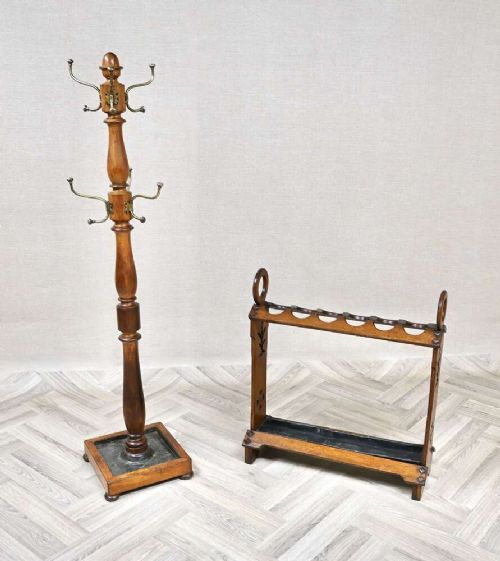
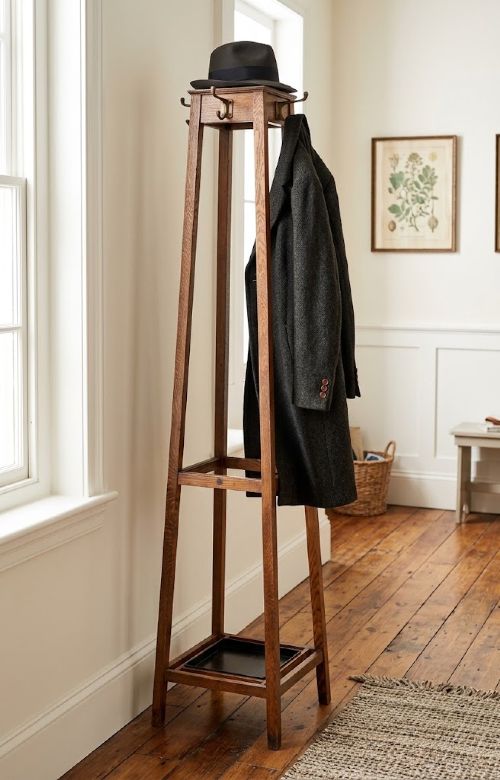
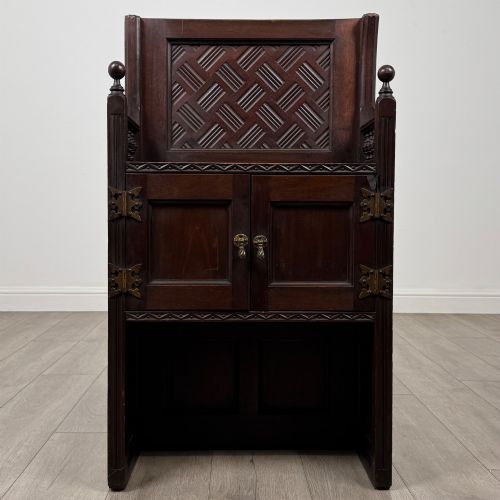
When you search for vintage brass hall furniture, you encounter items designed to organise an entranceway, combining heavy structural timbers with metallic detailing. The selections on this page span umbrella stands, coat stands, and stick racks dating from the eighteenth century through to the early twentieth century.
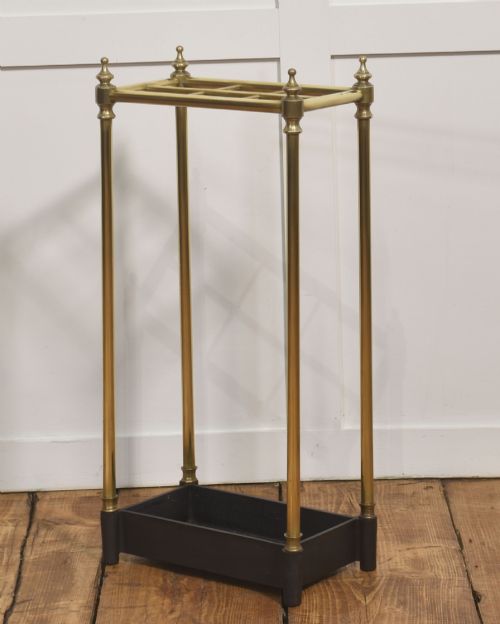
The most common formats you will meet are umbrella and stick stands manufactured from combinations of brass, cast iron, and oak. These utilitarian objects range from circular nineteenth-century brass holders to elaborate Edwardian and Victorian hall stands incorporating wall-mounted hooks and central compartments.
How they were made
Maker construction relies heavily on durable hardwoods such as oak, mahogany, and walnut paired with cast iron and spun or sheet brass. Metal components were frequently utilised for drip pans, structural rods, and decorative mounts to withstand daily moisture and heavy outerwear.
Joinery methods reflect the prevailing styles of each period, from Georgian cabinet-making to Arts and Crafts framing. Cast iron frames provide weighted bases for tall umbrella stands, ensuring stability when loaded with heavy walking sticks.
Vintage Brass Hall Furniture Retail Price Guide 2026
Typical asking prices for vintage brass hall furniture among the pieces listed under this phrase on Sellingantiques today, from the lower quarter to the upper quarter. They describe what is for sale here now, not the wider market.
Several Victorian umbrella stands include patent numbers stamped directly into the metal, proving that even wet weather required official legislation.
What varies in quality
The distinction between standard items and superior examples lies in the integrity of the materials and the crispness of the brass casting. Heavier gauge brass and solid timbers demonstrate greater durability than thin plated alternatives or secondary softwood frames.
Proportion and decorative restraint also separate fine pieces from ordinary production. Items retaining their original drip pans, fixtures, and uncompromised structural joins command greater interest among collectors.
James Shoolbred·Jenners
The Vintage Brass Hall Furniture Glossary
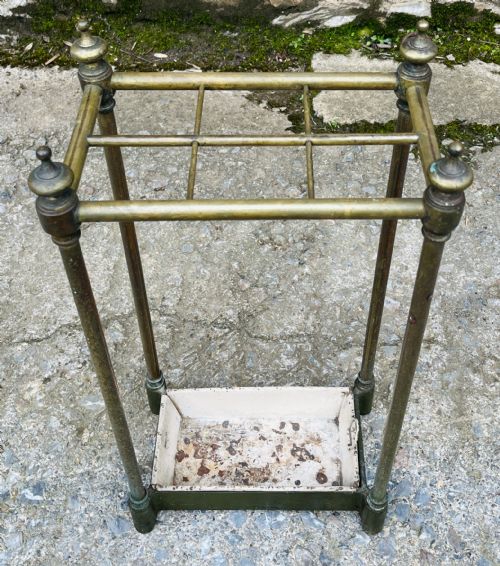
- Umbrella stand
- A receptacle designed to hold wet umbrellas and walking sticks upright, typically fitted with a removable base tray to catch water. These items are frequently constructed from brass and cast iron.
- Hall stand
- A tall piece of entrance furniture incorporating coat hooks, a mirror or panel, and a compartment for sticks or gloves. They often combine oak or walnut with brass hardware.
- Drip pan
- A shallow metal tray positioned at the base of stick stands to protect flooring from moisture. They are usually removable for emptying.
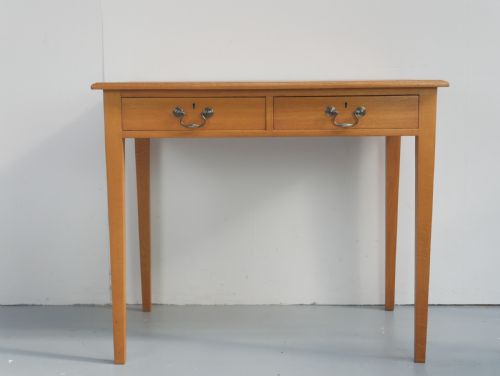
- Lowboy
- A small oak, walnut, or mahogany table with drawers, sometimes found in entrance spaces or reception rooms. They date predominantly from the Georgian era.
Vintage Brass Hall Furniture: Frequently Asked Questions
What is vintage brass hall furniture?
It encompasses entranceway accessories and storage pieces manufactured with brass elements, such as umbrella stands, stick racks, and hall furniture from past centuries.
These items combine functional utility with decorative metalwork designed to endure heavy daily use in a hallway.
How do I date a hall stand?
Dating relies on identifying the primary wood species, construction techniques, and stylistic markers such as Victorian Gothic or Edwardian inlaid motifs.
Comparing the hardware and patent stamps, where present, also helps narrow the manufacturing period.
Where should I place an umbrella stand?
An umbrella stand belongs near the main entrance or porch where wet coats and umbrellas are naturally deposited upon entry.
Ensure the placement protects surrounding flooring from residual moisture left in the drip pans.
How do I care for brass hall pieces?
Maintenance involves dusting timber surfaces regularly and cleaning brass components gently to preserve their natural patina.
Avoid harsh chemical polishes that strip historical character from the metal.