


Vintage Brass Cage
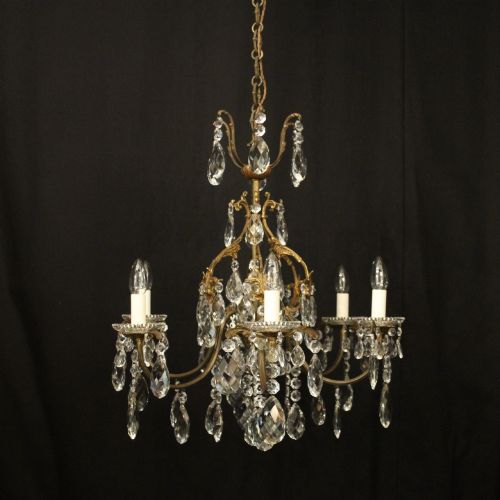
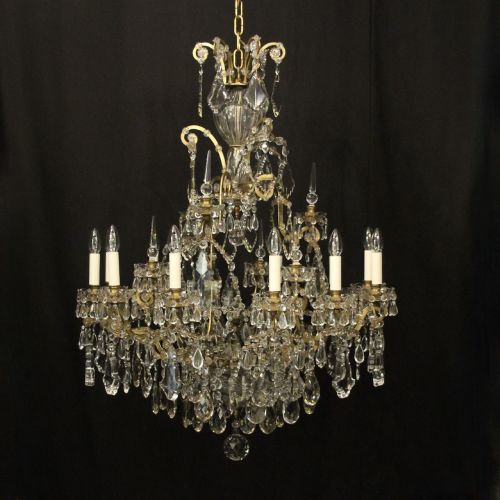
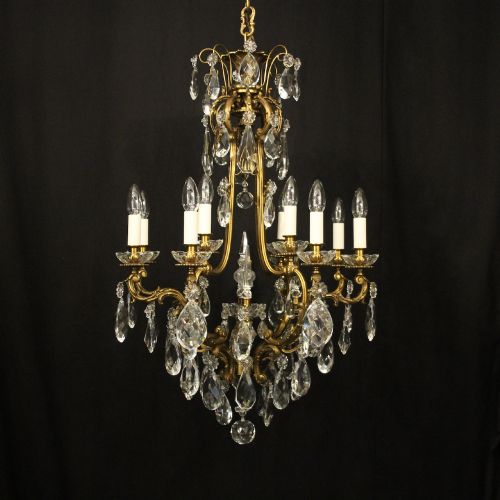
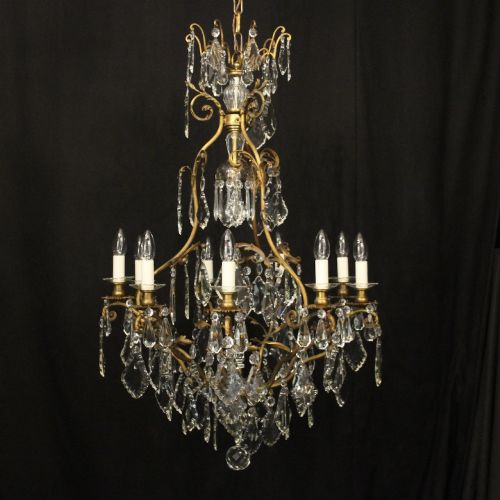
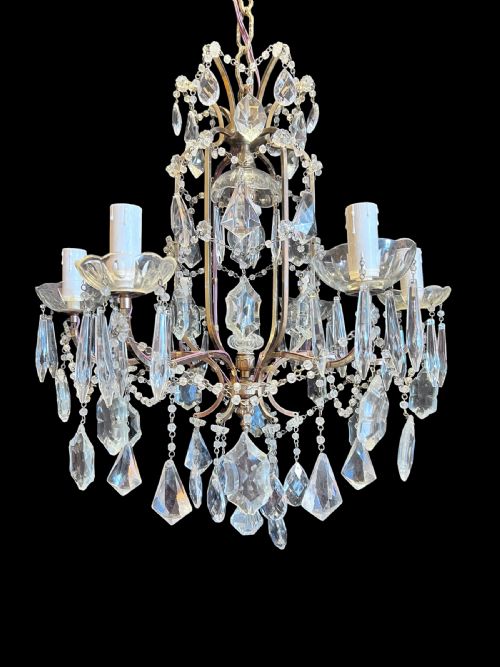
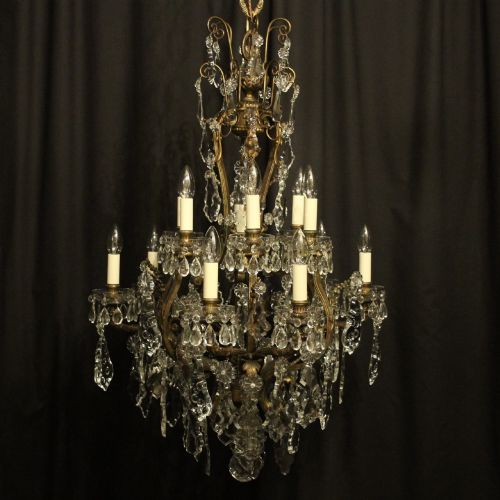
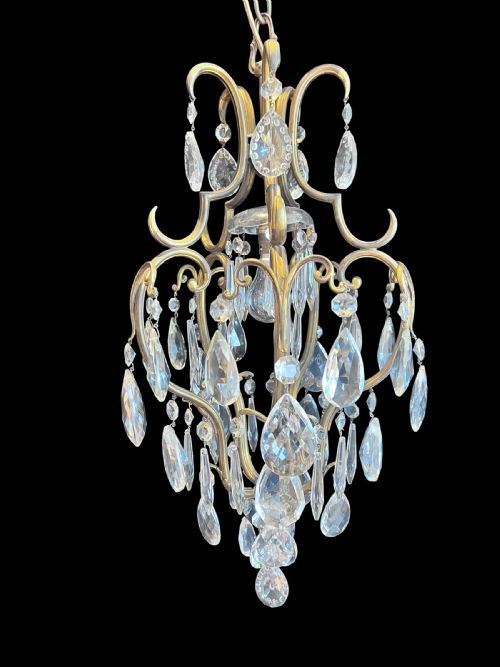
These vintage brass cage items encompass ornamental bird enclosures and elaborate skeletal luminaires built from gilded metal and glass.
Vintage Brass Cage
A vintage brass cage typically presents as a round decorative bird enclosure or a structural, open-framed lighting fixture styled like a cage. These pieces span production from the late nineteenth century through the mid twentieth century, drawing on French and Italian design influences.
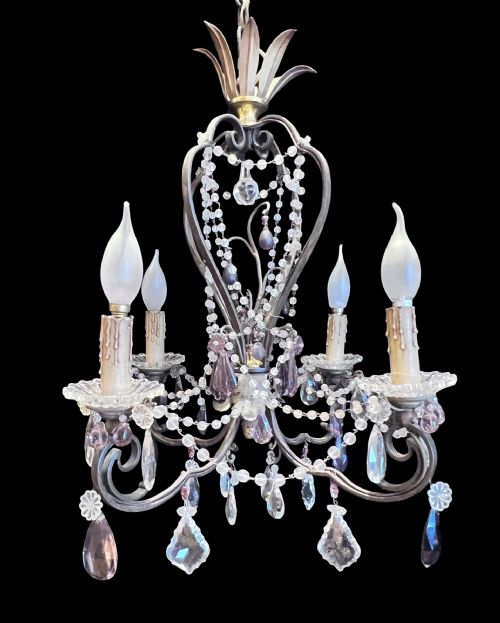
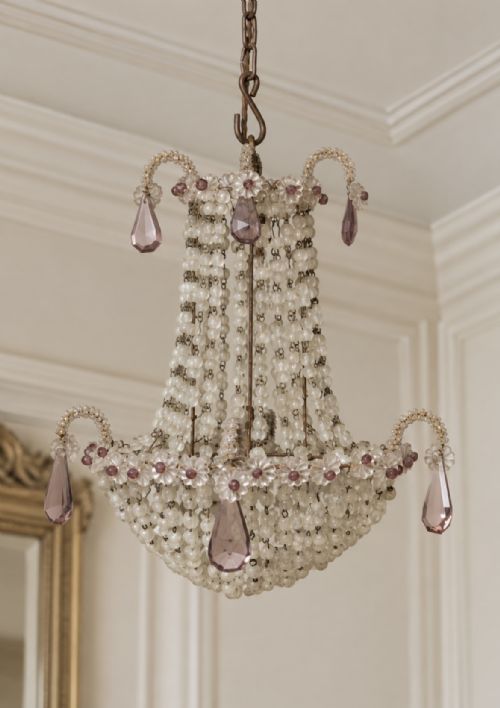
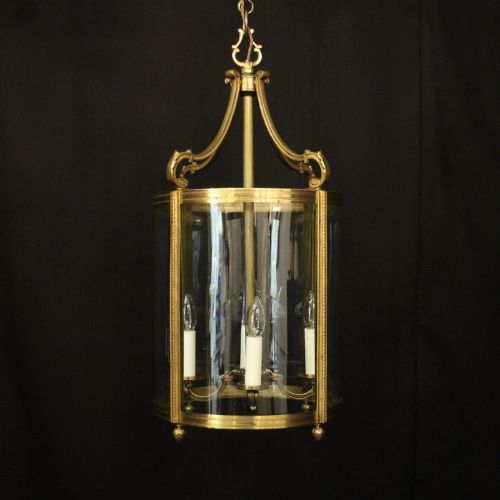
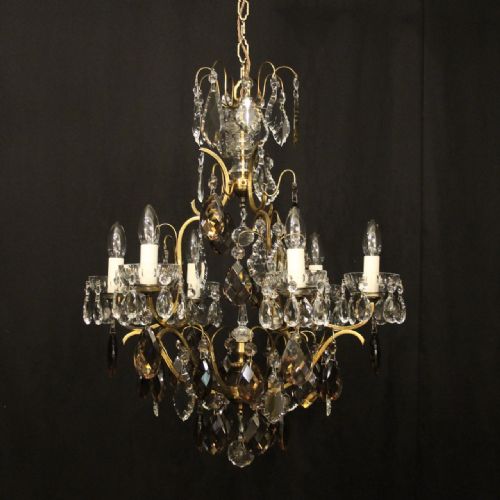
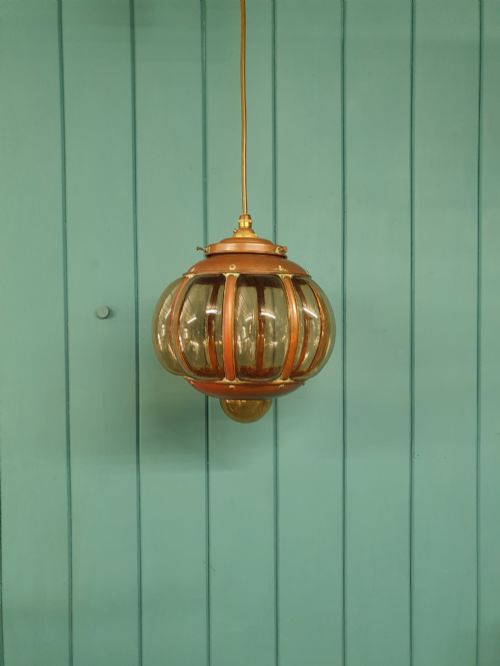
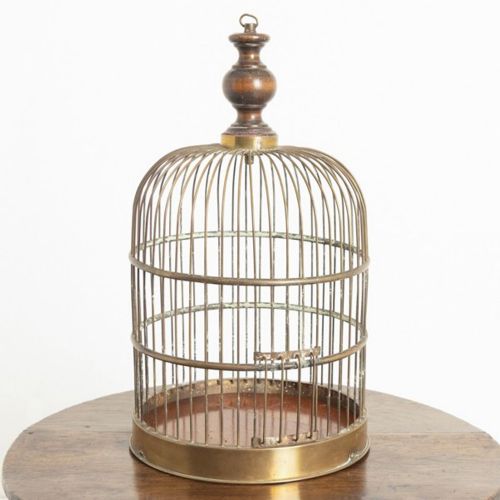
Buyers encountering this phrase will frequently find substantial metal bird cages alongside crystal-hung chandeliers sharing an open framework. The selection ranges from round parrot cages to multi-light hanging lanterns and birdcage chandeliers produced in the Edwardian era and the 1920s.
Stylistic markers lean towards French chateau and rococo revival aesthetics, utilising skeletal metal structures that allow light or air to pass freely. The overlapping terminology unites actual aviaries with lighting fixtures built around similar open metal ribs.
Materials and construction methods
Construction relies heavily on brass, gilt metal, and gilded bronze formed into rigid wirework or cast frames. Artisans soldered or screwed structural metal components together to create the defining open-work framework characteristic of both cages and lanterns.
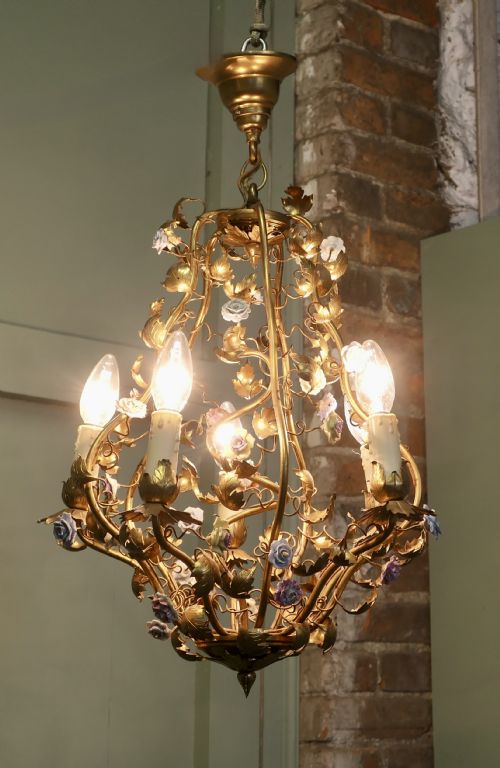
Many items incorporate glass elements, ranging from bevelled panes and smoked glass to cut crystal prisms and drops hung from internal arms. Copper, iron, and ceramic floral additions also appear in specific examples, contributing variety to the mixed-media assemblies.
Vintage Brass Cage Retail Price Guide 2026
Typical asking prices for vintage brass cage among the pieces listed under this phrase on Sellingantiques today, from the lower quarter to the upper quarter. They describe what is for sale here now, not the wider market.
Distinctions in craftsmanship
Quality rests on the weight of the metalwork, the precision of the cast or bent components, and the integration of glass elements. Finer examples display heavier gauge brass, intricate hand-finished castings, and well-secured crystal or bevelled glass panels.
Simpler productions rely on lighter wirework and basic sheet metal fabrication without the ornamental cast mounts or decorative embellishments seen on pieces inspired by palatial lighting. The clarity of the glass and the richness of the original gilding or patination further separate standard items from superior works.
The Vintage Brass Cage Glossary
- Ormolu
- Gilded bronze or brass applied to decorative metalwork and lighting fixtures. The technique creates a rich golden surface finish popular in nineteenth and twentieth-century French decorative objects.
- Crystal
- High-lead glass cut and polished to refract light across chandeliers and hanging lanterns. These pendant drops and prisms hang from metal arms to increase light diffusion.
- Lantern
- An enclosed ceiling or hall light fitted with glass panels held within a metal frame. Styles often reference historic palace designs with hexagonal or convex geometries.
- Bird Cage
- An enclosure constructed from wire and metal rods designed to house birds. Decorative iterations utilise heavy brass frames and ornamental proportions for display purposes.
- Gilt Metal
- Base metal treated with a thin layer of gold paint, foil, or electroplating. This finish mimics solid gold or heavy ormolu at a different scale of production.
Vintage Brass Cage: Frequently Asked Questions
What defines a vintage brass cage?
A vintage brass cage is an ornamental metal enclosure or lighting fixture built with an open wirework framework. These pieces date primarily from the late nineteenth century up through the 1930s.
The category bridges decorative aviaries and skeletal chandeliers that share an airy, cage-like metal construction. Materials typically include brass, gilt bronze, and glass components.
How were these brass fixtures used historically?
Bird cages served as decorative keeping spaces for pet birds within affluent homes, constructed with substantial metal hoops and hanging rings. Lighting fixtures illuminated grand halls, vestibules, and reception rooms.
Both forms functioned as interior decorative statements intended to showcase metalworking skill and ornate glass embellishments.
How should I clean a brass and glass cage light?
Dust metal frames gently with a dry, soft cloth to preserve any existing gilding or aged patination. Avoid harsh chemical cleaners that can strip surface finishes from the brass.
Crystal prisms and glass panels can be removed carefully, washed in warm soapy water, and dried thoroughly before reattachment.
How do I date a brass cage piece?
Dating relies on examining construction techniques, screw types, wiring methods on lighting, and stylistic cues from periods like the Edwardian era or the 1920s. Heavier cast bronze mounts and specific cut crystal configurations often point towards earlier French production.
Comparing the metal gauge and hardware against documented pieces from the same decade helps narrow the production window.