
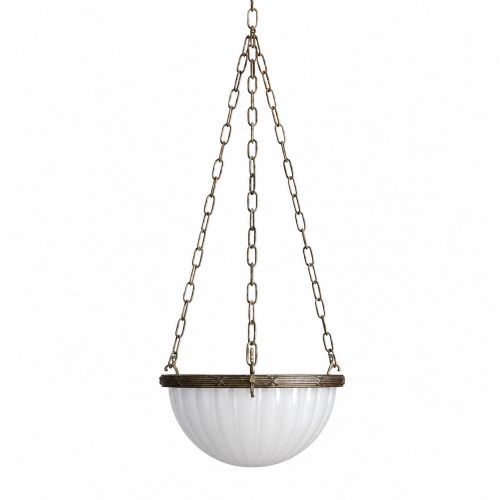


Vintage Bowl Ceiling Shade
A vintage bowl ceiling shade brings a warm, diffused glow to a room, combining practical illumination with striking period design.
Vintage Bowl Ceiling Shade
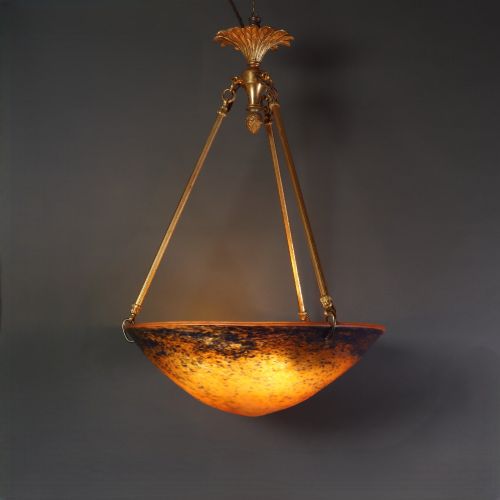
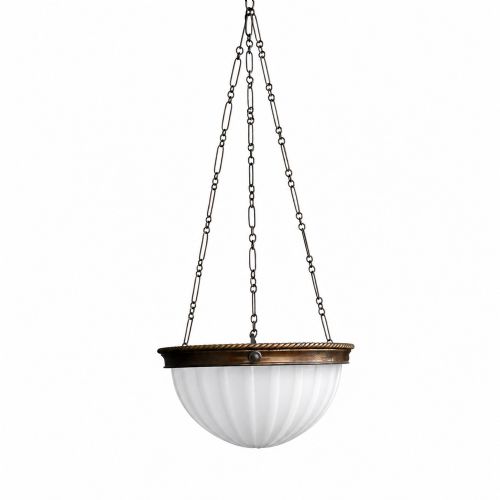
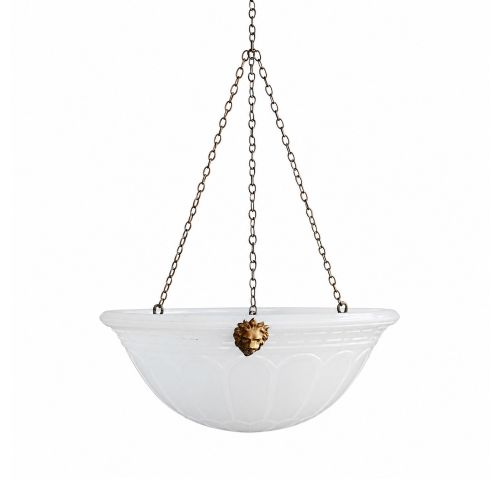
A vintage bowl ceiling shade suspends a rounded glass, alabaster, or crystal basin from the ceiling to cast soft overhead light. These fixtures span periods from the Victorian era and Edwardian times through the 1910s, 1920s, and 1930s, offering decorative forms that anchor a room.
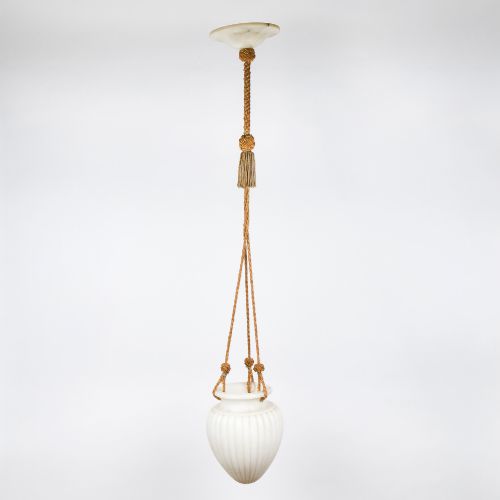
The selections available lean heavily into the Art Deco era alongside earlier Edwardian and Arts and Crafts examples. Buyers will encounter shallow dishes, deep bowls, and elaborate plafonniers designed to hug the ceiling or hang on delicate cords.
Makers and designers of the period utilised distinctive glass treatments, ranging from opalescent and moonstone finishes to pressed satin and cut glass. Each piece reflects the interior lighting trends of its decade, shifting from ornate classical fittings to streamlined geometric shades.
Materials and construction
Glass forms the primary element of these shades, executed in techniques that include mould-pressing, acid-etching, and hand-cutting. Alabaster and carved stone also appear frequently, offering a dense, translucent alternative to glass that diffuses light evenly.
Metal mounts in brass, bronze, copper, and silver plating secure the bowls using chains, rods, or fabric cords. These metallic components provide structural support while contributing decorative detail through cast motifs like rams' heads or neoclassical borders.
Some Edwardian dining rooms retain ceiling bowls originally plumbed for gas before being safely converted to electricity.
Assessing quality
Quality rests in the depth of the material and the crispness of the moulding or cutting. Heavy, tactile glass and finely carved alabaster retain sharper details and superior weight compared to simpler pressed alternatives.
The execution of the metalwork also distinguishes standard pieces from exceptional ones. Cast bronze or brass fixtures with clean chasing and original patination demonstrate a higher grade of manufacture than basic plated hardware.
René Lalique·Jefferson
The Vintage Bowl Ceiling Shade Glossary
- Plafonnier
- A ceiling-mounted bowl light or flush-fitting shade that sits close to the plaster. This French term is common in early twentieth-century lighting design.
- Moonstone glass
- A milky, translucent glass type that diffuses light with a soft, iridescent sheen. It was widely utilised during the early decades of the twentieth century.
- Alabaster
- A fine-grained, translucent stone carved into shallow dishes and heavy bowls. When illuminated, the natural veining of the material becomes prominent.
- Opalescent glass
- Glass containing ingredients that cause it to milky-blue in transmitted light and warm amber in reflected light. This effect adds depth to Art Deco shades.
- Cut glass
- Glass decorated by grinding facets or patterns into the surface using a rotating wheel. This technique creates sharp refractive edges that catch and multiply light.
Vintage Bowl Ceiling Shade: Frequently Asked Questions
How do I hang a heavy alabaster bowl?
Heavy alabaster and glass bowls require secure ceiling joists and appropriate suspension hardware, typically utilising three or four metal chains or a central threaded rod. The weight of the stone demands fixings rated well beyond the mass of the shade itself.
Consulting a qualified electrician ensures that the ceiling rose and wiring can safely bear the load. Proper balancing during installation prevents uneven strain on the suspension arms.
What bulb works best in vintage glass shades?
Low-heat LED bulbs that mimic the warmth of traditional incandescent lighting suit vintage glass and alabaster bowls best. Selecting the correct wattage prevents excessive heat buildup inside enclosed or shallow shades.
Frosted or pearl finish bulbs help eliminate harsh hotspots within translucent glass like moonstone or opalescent pieces. This maintains an even, ambient spread of light across the room.
How do I clean an antique glass shade?
Warm water and mild soap applied with a soft cloth safely remove dust and grime from glass and metal components. Harsh chemical cleaners can strip original patination from bronze or brass mounts.
Alabaster requires particular care as it is a softer stone that absorbs moisture readily. Wiping it with a dry or barely damp microfiber cloth preserves the porous surface without staining.
How do I date a ceiling bowl?
Stylistic markers, material choices, and suspension hardware provide clear clues to a fixture's era. Edwardian pieces often feature delicate cut glass with brass or silver-plated chains, while 1930s examples lean towards geometric Art Deco opalescent or pressed satin glass.
Examining the wiring methods and screw threads can also offer context. Older fixtures often retain original fabric cords and proprietary metal fittings characteristic of specific decades.