




Vintage Bottle Chest
A vintage bottle chest is a robust container designed to safely store and transport precious liquor, taking the form of wine coolers, cellarettes, and fitted apothecary boxes.
Vintage Bottle Chest
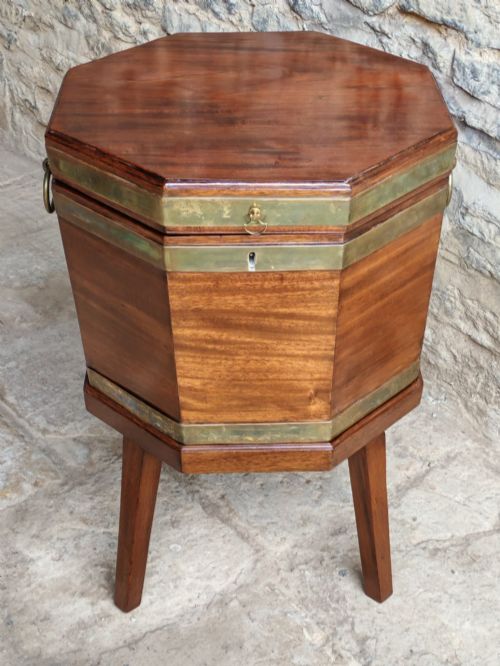
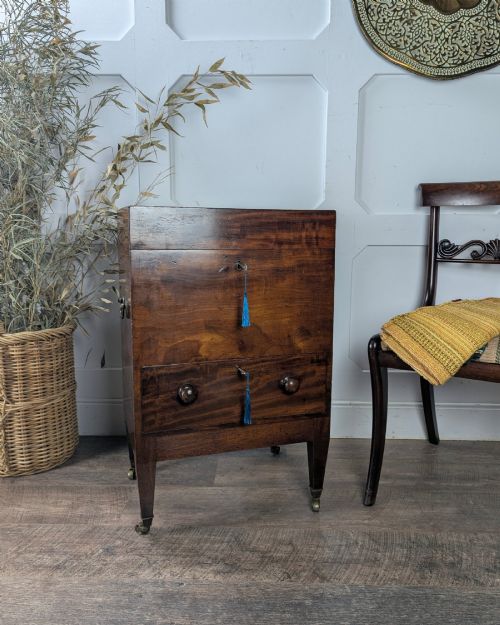
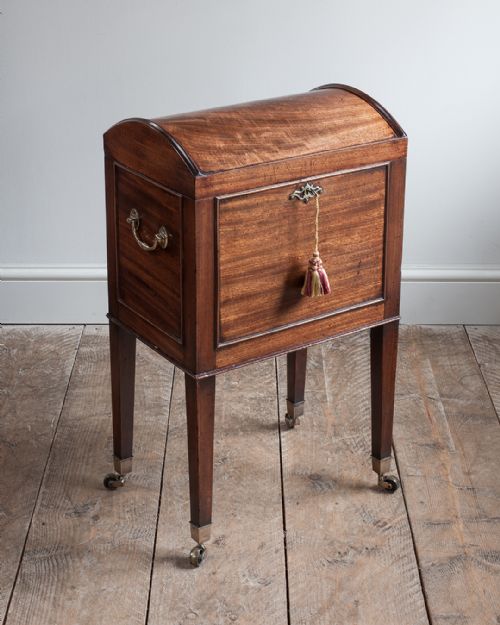
When searching for a vintage bottle chest, collectors encounter several distinct storage vessels designed for the dining room or travel. The most common form on this page is the wine cooler or cellarette, built to hold multiple bottles securely in domestic settings.
Beyond traditional cellarettes, the selection includes fitted apothecary boxes and travelling cases intended for medicinal bottles and phials. These items date from Georgian and Regency eras through to the Edwardian period, constructed to protect fragile glass.
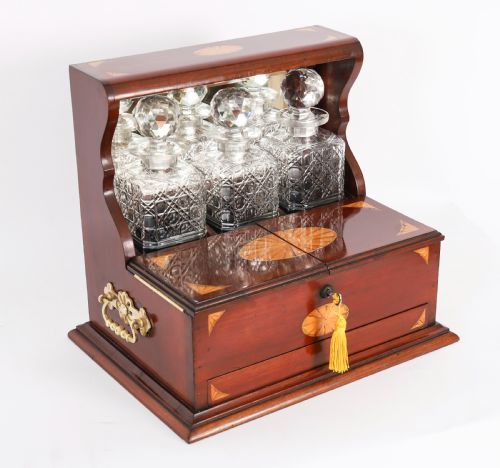
The materials and styles span centuries of cabinet making, featuring robust woods like mahogany, oak, and figured elm. Buyers find everything from oval brass-bound wine cellarettes to multi-decanter tantalus boxes complete with games compartments.
Materials and construction methods
Cabinet makers relied primarily on dense hardwoods such as mahogany and oak to construct the structural shell of a vintage bottle chest. These sturdy timbers were frequently enhanced with satinwood banding, marquetry stringing, or figured elm veneers.
Metal fittings played a crucial structural role, with heavy brass bands, drop handles, and locking mechanisms incorporated to reinforce the timber. Internal layouts often utilised fitted wooden dividers, velvet linings, and specialised storage for cut glass decanters.
Vintage Bottle Chest Retail Price Guide 2026
Typical asking prices for vintage bottle chest among the pieces listed under this phrase on Sellingantiques today, from the lower quarter to the upper quarter. They describe what is for sale here now, not the wider market.
The listings on this page span the Georgian, Regency, Victorian, Edwardian, and mid-century periods, utilising mahogany, oak, satinwood, and brass.
Distinguishing qualities and craftsmanship
The distinction between ordinary and superior pieces rests on the precision of the cabinet work and the integrity of the internal fittings. Finer examples retain their original bottle interiors, dividers, and specialised glass decanters rather than later replacements.
Surface execution also defines the grade of the piece, evident in crisp serpentine fronts, delicate satinwood inlay, and well-preserved brass mounts. The choice of timber grain, particularly in figured elm or selected mahogany, marks the upper tier of production.
The Vintage Bottle Chest Glossary
- Cellarette
- A lockable container or chest designed specifically for holding wine bottles near the dining table. They frequently feature lead linings or internal dividers.
- Tantalus
- A decorative cabinet holding decanters that are secured beneath a metal bar to prevent unauthorized access. The locking mechanism keeps the contents visible yet secure.
- Apothecary Box
- A portable wooden chest fitted with internal compartments and small glass bottles for medicines. These travel cases date largely from the Georgian and Regency periods.
- Sarcophagus
- A distinct style of wine cooler shaped like an ancient stone coffin, popular during the Georgian and Regency eras. These large chests often rest on paw feet or plinth bases.
Vintage Bottle Chest: Frequently Asked Questions
What is a vintage bottle chest used for?
These chests were originally constructed to store, cool, or transport wine bottles, spirits, and medicinal preparations safely. Today, owners utilise them as decorative storage furniture in dining rooms and living spaces.
They serve equally well as striking cocktail cabinets or secure containers for modern collections of glassware and bottles.
How do I identify a Georgian cellarette?
Georgian cellarettes typically feature solid mahogany construction, often enhanced with brass banding, campaign handles, and tapered legs or plinth bases. Their proportions are stout and functional, designed to fit beneath sideboards.
Interior layouts frequently include lead-lined compartments intended to hold ice and wine bottles upright during long dinner parties.
What is the difference between a tantalus and a cellarette?
A cellarette is a fully enclosed chest with a lid, built to store wine bottles securely out of sight. A tantalus leaves the decanters visible while locking them in place with a metal frame.
Tantalus boxes emerged later in the nineteenth and early twentieth centuries, often combining bottle storage with games compartments.
How should I care for a wooden bottle chest?
Protect the timber by keeping the chest away from direct heat sources and sudden temperature fluctuations that can cause wood to split. Regular dusting with a soft cloth preserves the antique polish.
Feed the dry mahogany or oak periodically with appropriate wax to maintain the natural sheen of the grain without building up heavy residues.