



Vintage Bone China Set
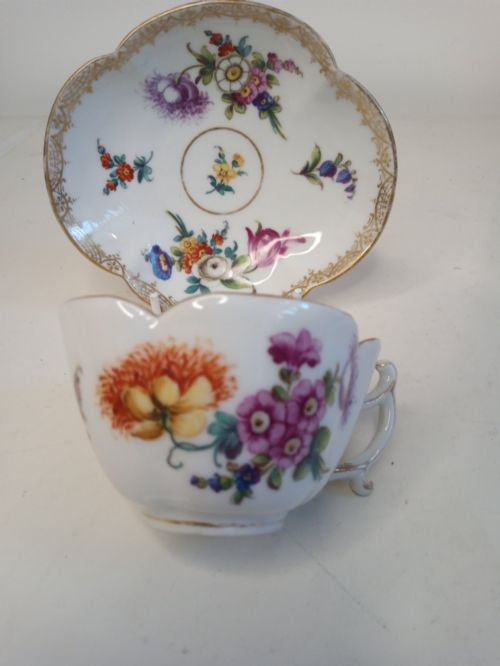
A vintage bone china set brings morning tea and formal dessert alive with delicate translucency, floral transfer prints, and hand-applied gilding.
Vintage Bone China Set
A vintage bone china set encompasses everything from solitary trios to sprawling dinner services intended for formal hospitality. Buyers seeking a vintage bone china set encounter compositions spanning the late Victorian era through the interwar decades, including Shelley, Coalport, and Royal Worcester productions.
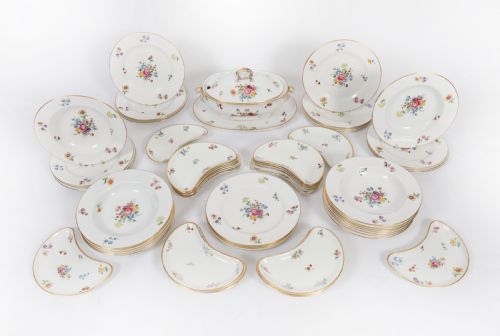
Forms range from compact demitasse cups and saucers to twenty-piece tea services equipped with cream jugs, sugar bowls, and cake plates. The most frequent configurations on this page include afternoon tea services and individual trios featuring a cup, saucer, and matching plate.
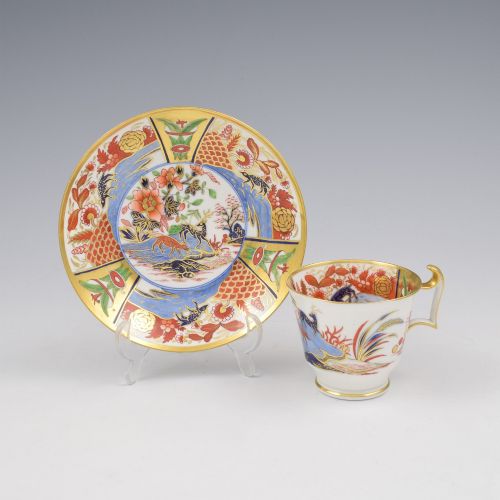
Stylistic markers bridge the gap between heavy Victorian Imari motifs, Edwardian elegance, and the crisp geometric lines of Art Deco design. Pieces often bear specific period stamps or registration numbers that anchor their manufacture in English potteries.
Assessing quality in ceramic services
The distinction between standard table services and exceptional cabinet pieces rests upon the precision of the hand-painting and the generosity of the gilding. Superior examples display crisp, intricate enamel work executed by named artists or skilled studio hands rather than straightforward factory transfer printing.
The integrity of the paste and the uniformity of the glaze surface also dictate worth. Finer sets exhibit zero warping from the kiln, perfectly balanced cup handles, and translucent walls that glow evenly when held to the light.
Vintage Bone China Set Retail Price Guide 2026
Typical asking prices for vintage bone china set among the pieces listed under this phrase on Sellingantiques today, from the lower quarter to the upper quarter. They describe what is for sale here now, not the wider market.
Listings feature bone china services spanning from the eighteenth century through the Art Deco era, encompassing both tea trios and complete dinner formats.
Royal Crown Derby·Royal Worcester·Coalport·Shelley·Wedgwood·Spode·Doulton·Wileman Foley
The Vintage Bone China Set Glossary
- Bone china
- A type of soft-paste porcelain developed in England that incorporates bone ash for added strength and translucency. This material permits thinner walls than traditional hard-paste porcelain.
- Trio
- A matching set comprising a teacup, a saucer, and a small plate for cake or bread. These formations were staples of Edwardian and interwar tea tables.
- Demitasse
- A small cup used for serving strong black coffee or espresso. They frequently appear paired with matching saucers in cased presentation sets.
- Gilding
- The application of gold leaf or gold paint to the rims, handles, and surface patterns of ceramics. Hand-gilded details often show slight variations upon close inspection.
- Enamel
- Opaque coloured glass fused to the ceramic surface during secondary firing. Enamels provide the vibrant floral and abstract patterns seen across twentieth-century wares.
Vintage Bone China Set: Frequently Asked Questions
Can I use these sets for daily dining?
Most vintage tea and dinner services remain fully functional for occasional entertaining or quiet morning routines. Take care to avoid thermal shock by not pouring boiling water into ice-cold vessels.
While sturdy enough for careful use, antique china lacks the microwave-safe properties of modern ceramics due to metallic gold leaf accents. Treat them as working antiques rather than modern utilityware.
What is the difference between a tea set and a coffee set?
Tea services typically feature wider, shallower cups designed to cool hot infusions quickly. Their pots possess generous bodies intended to hold larger volumes of steeped leaves.
Coffee sets, particularly demitasse configurations, utilise taller, narrower vessels to retain heat for concentrated brews. Saucers accompanying coffee cups frequently feature deeper central wells to secure the smaller footrims.
How do I date an antique porcelain mark?
Manufacturers frequently stamped their porcelain bases with registry numbers, cipher codes, or stylistic variations of the company name. Cross-referencing these impressed or printed marks with historical ceramic archives reveals the exact decade of production.
Hand-written pattern numbers and painter's monograms also provide crucial clues for narrowing down the manufacturing period. Faint or rubbed marks simply point to extensive handling and genuine age.