

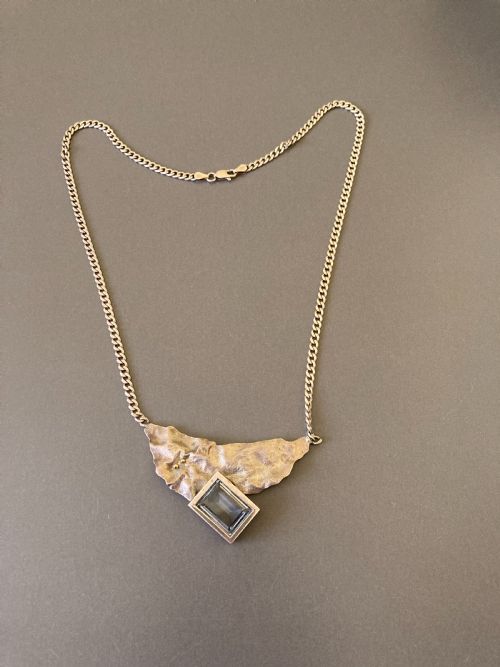


Vintage Blue Topaz Jewellery
Vintage blue topaz jewellery brings cool, translucent blue stones together with yellow gold, white gold, and platinum across decades of design.
Vintage Blue Topaz Jewellery
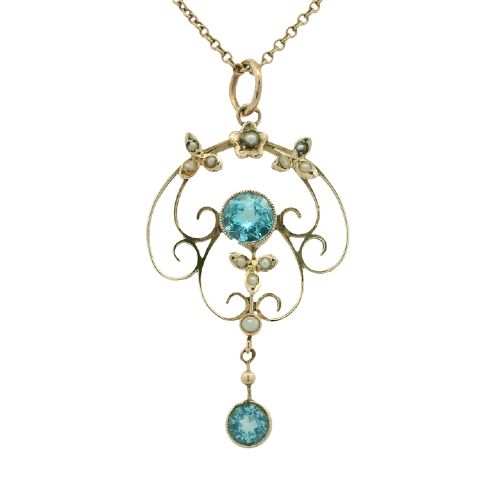
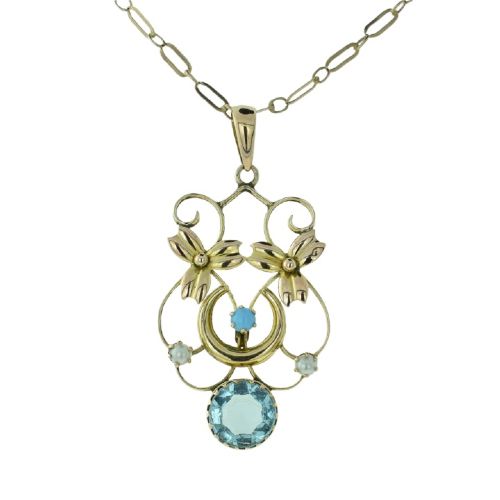
Vintage blue topaz jewellery encompasses rings, earrings, necklaces, and pendants spanning periods from the Victorian era through the mid-twentieth century and into later decades. These pieces showcase bright blue stones set in metals ranging from nine-carat and eighteen-carat gold to platinum and sterling silver.
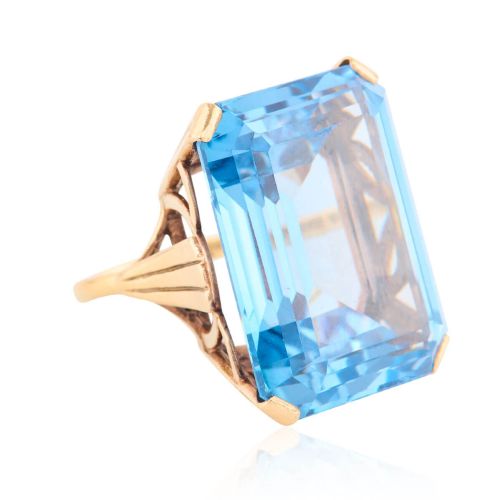
The version most likely to be met on this page is a mid-century or nineteen-sixties creation featuring a prominent blue topaz stone mounted in yellow or white gold. Alongside rings and pendants, buyers frequently encounter drop earrings and delicate rope bracelets from the same eras.
How vintage blue topaz jewellery was made
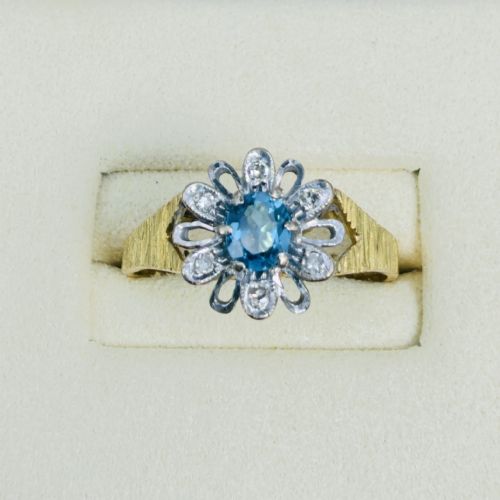
Craftsmen utilised various precious metals, setting blue topaz alongside diamonds, seed pearls, and turquoise to create contrast and texture. Stones were shaped into pear cuts, oval cuts, and clusters, secured in settings of nine-carat gold, eighteen-carat gold, platinum, and sterling silver.
Techniques ranged from detailed filigree work to robust tank cocktail settings and rope chain construction. Metalwork styles reflect distinct periods, incorporating Edwardian delicacy, Art Deco geometric lines, and mid-century modernist boldness.
Listings feature periods from the Victorian era and nineteen-ten through to nineteen-eighties pieces, utilising nine-carat and eighteen-carat gold.
What varies in quality
Quality rests in the clarity and depth of colour within the topaz stone itself, balanced against the weight and purity of the surrounding metal. Heavier gold mountings and platinum settings indicate higher initial investment and sturdiness.
The precision of the stone setting and the intricacy of accompanying decorative elements, such as filigree or diamond halos, separate standard production pieces from finer items.
C'est Laudier
The Vintage Blue Topaz Jewellery Glossary
- Topaz
- A silicate mineral of aluminium and fluorine that appears in various colours, with blue being especially prominent in mid-century designs. It provides a durable gemstone option for rings and pendants.
- Filigree
- An intricate form of jeweller's work consisting of delicate metal threads soldered together. This technique appears frequently in mid-century earrings and pendants.
- Cluster ring
- A ring design featuring a central stone surrounded by a grouping of smaller stones, such as diamonds or pearls. This arrangement maximises visual impact on the hand.
- Tank ring
- A bold jewellery style originating around the mid-twentieth century, characterised by heavy, volumetric metalwork inspired by military hardware. These pieces often incorporate large aquamarines or topaz alongside diamonds.
- Seed pearl
- A very small natural or cultured pearl, often utilised in Victorian and early twentieth-century jewellery to frame central gemstones or form delicate patterns.
Vintage Blue Topaz Jewellery: Frequently Asked Questions
What periods do these pieces span?
The selection covers Victorian items, Edwardian pieces, nineteen-thirties designs, and mid-century creations up to the nineteen-eighties and later.
This broad timeline means buyers can find everything from delicate antique pearl pendants to bold nineteen-sixties cocktail rings.
How should I care for my jewellery?
Clean your pieces gently with warm soapy water and a soft brush, avoiding harsh chemical dips that might damage softer stones or pearls.
Store items individually in soft pouches to prevent metalwork and gemstones from scratching one another.
Are these items suitable for daily wear?
Topaz is a durable gemstone well-suited for regular wear, though rings and bracelets experience more daily friction than pendants and earrings.
Heavier gold and platinum mountings offer greater security for everyday use compared to delicate antique settings.
What metal types are most common?
Nine-carat yellow and white gold appear frequently, alongside eighteen-carat gold, platinum, and sterling silver.
Metal choice often helps indicate the period, with platinum and yellow gold favouring earlier twentieth-century designs.