



Vintage Blanket Rack
A vintage blanket rack is a sturdy timber rail for airing textiles, offering practical utility and period character.
Vintage Blanket Rack
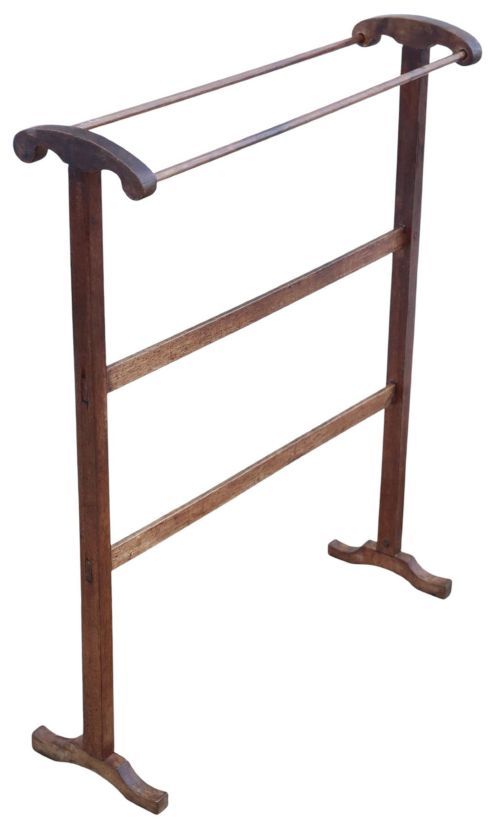
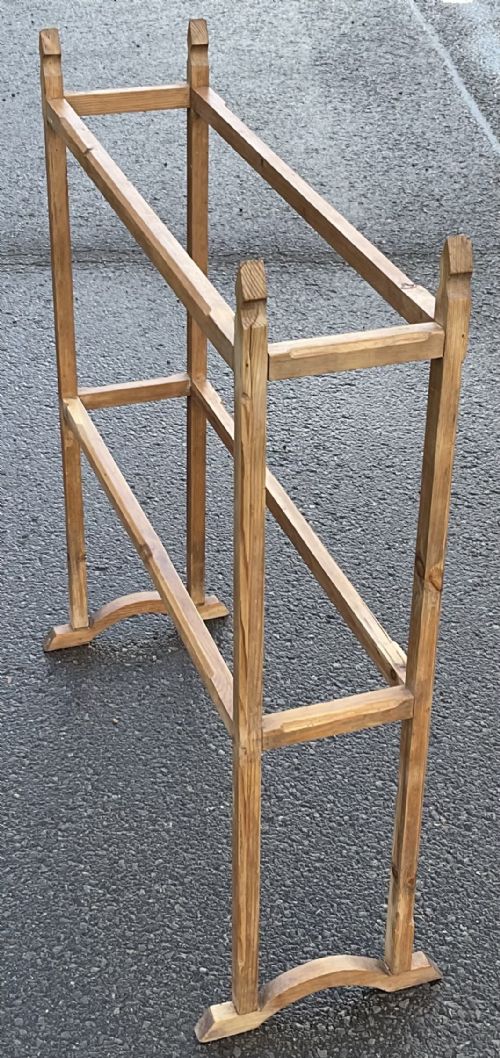
When you search for a vintage blanket rack, you encounter sturdy timber stands primarily catalogued as towel rail stands or clothes rails. These pieces range from compact Edwardian examples to generous Regency and Victorian forms designed for domestic chambers.
You are most likely to meet Edwardian and Victorian floor-standing rails in mahogany, oak, or pine. They serve bedrooms and bathrooms alike, bringing functional historic design into daily domestic use.
How they were made
Cabinetmakers constructed these pieces primarily from solid hardwoods and softwoods including mahogany, oak, walnut, pine, and hardwood. Selected items feature ebonised wood finishes or delicate satinwood and boxwood inlay.
Construction techniques focus on stability and multiple horizontal rails to support heavy damp textiles or blankets. Multi-bar configurations, such as five-bar formats, require robust joints to withstand daily domestic tension.
Vintage Blanket Rack Retail Price Guide 2026
Typical asking prices for vintage blanket rack among the pieces listed under this phrase on Sellingantiques today, from the lower quarter to the upper quarter. They describe what is for sale here now, not the wider market.
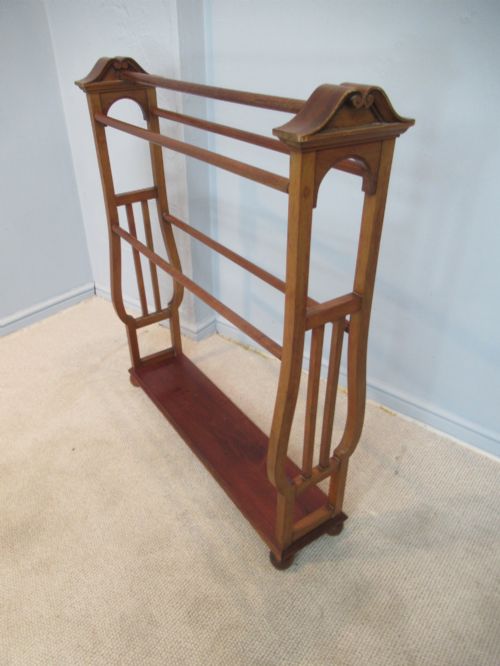
Five distinct rails give these stands ample room to air the family laundry in grand Victorian style.
What varies in quality
Quality rests upon the selection of timber and the ambition of decorative detail. Plain pine and simple oak utilities sit at one end, while finely figured mahogany with satinwood and boxwood inlay occupies the other.
The presence of multiple rails, such as five-bar designs, and sophisticated joinery elevate a piece. Attribution to workshops like Gillows or generous proportions also distinguish exceptional examples from standard chamber furnishings.
Gillows
The Vintage Blanket Rack Glossary
- Ebonised wood
- Timber treated to imitate costly ebony, creating a dark, uniform surface finish. This technique was popular in Victorian furnishings for a striking dark contrast.
- Satinwood inlay
- A contrasting light wood insert set flush into a darker primary timber surface. It creates geometric or botanical decorative borders on Edwardian pieces.
- Standing towel rail
- A self-supporting floor-standing frame with horizontal bars for hanging fabrics. These were essential bedroom and bathroom accessories before central heating.
- Boxwood
- A dense, pale yellowish wood frequently utilised for fine stringing and inlay work. It provides sharp linear contrast against mahogany and walnut.
Vintage Blanket Rack: Frequently Asked Questions
What is a vintage blanket rack used for?
These pieces serve primarily to air, dry, and display blankets, quilts, and towels in domestic spaces. Their multiple horizontal rails allow fabrics to hang flat without trapping moisture.
Today they function effectively in bedrooms and bathrooms as both textile storage and decorative period furniture.
How do I identify an Edwardian blanket rack?
Edwardian examples often feature lighter timbers such as pine or mahogany, frequently embellished with subtle satinwood or boxwood inlay work. They reflect the cleaner, lighter domestic tastes of the early twentieth century.
Compared to earlier heavy Victorian or Regency designs, Edwardian rails prioritize slender proportions and understated decorative detailing.
Are these rails strong enough for heavy blankets?
Most standing rails utilise sturdy hardwoods like mahogany, oak, or walnut designed to bear significant textile weight. Multi-bar configurations distribute tension evenly across the frame.
Heavier Victorian and Regency models offer substantial weight and robust joinery well-suited to holding dense woollen blankets.
Where should I place a blanket rail at home?
These versatile stands fit comfortably in bedrooms, dressing rooms, or large bathrooms where textiles require airing or display. Their slender depth allows them to sit flush against walls without dominating floor space.
Positioning a rail near a natural heat source helps maintain dry, fresh linens throughout the cooler months.