


Vintage Blade Stick
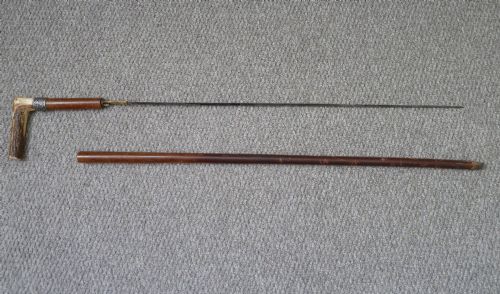
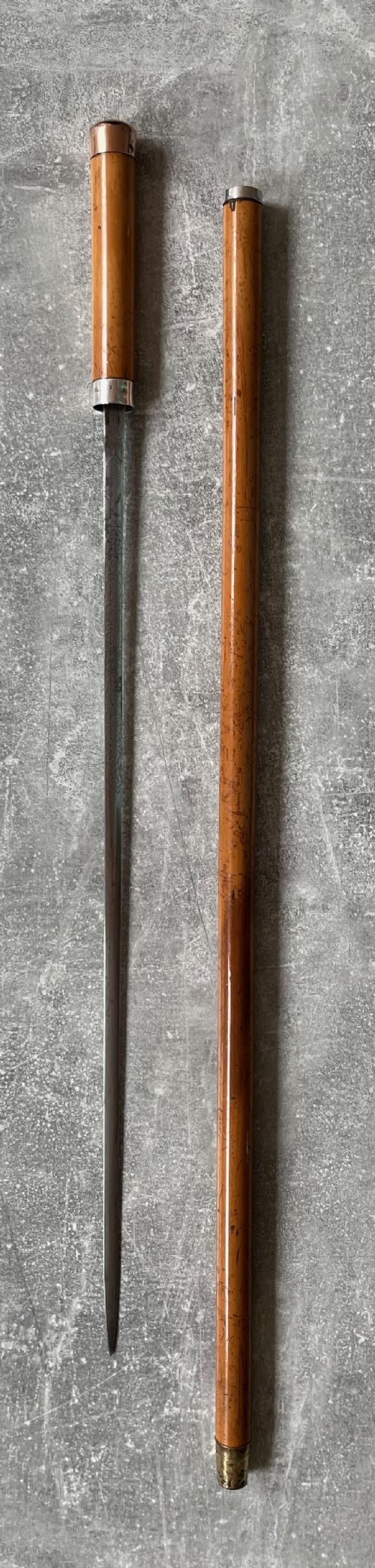
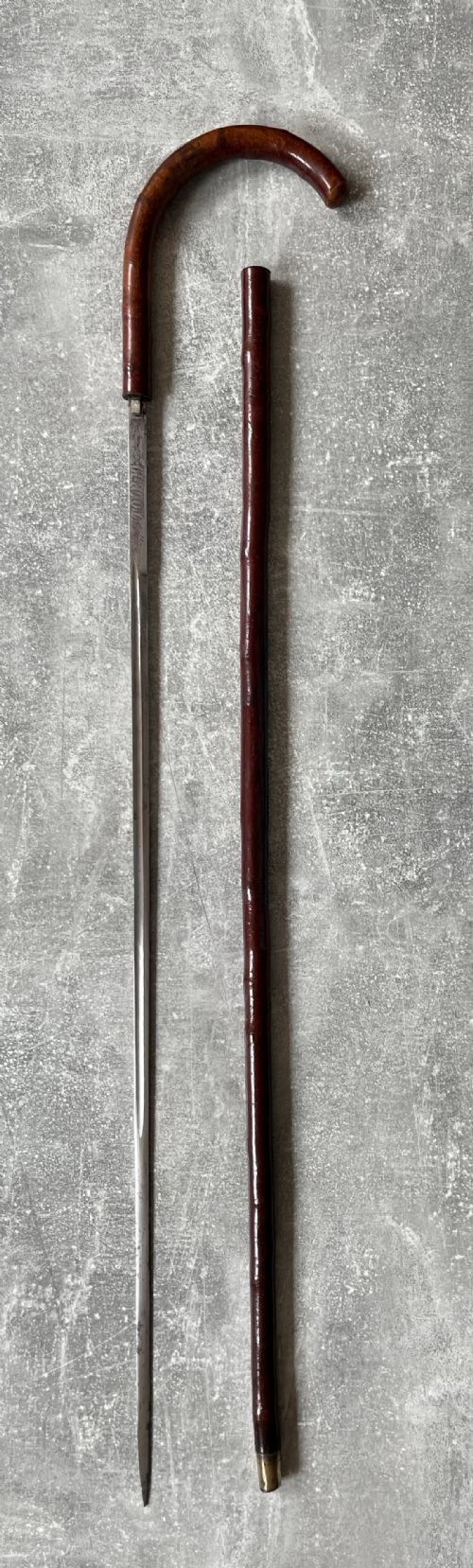
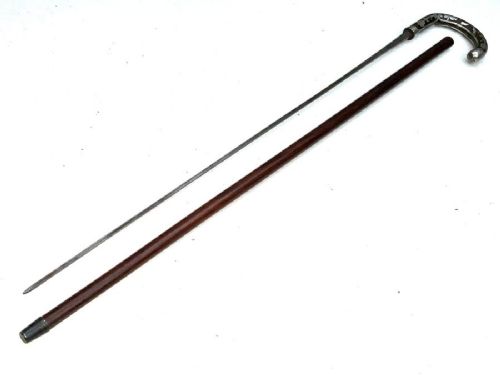
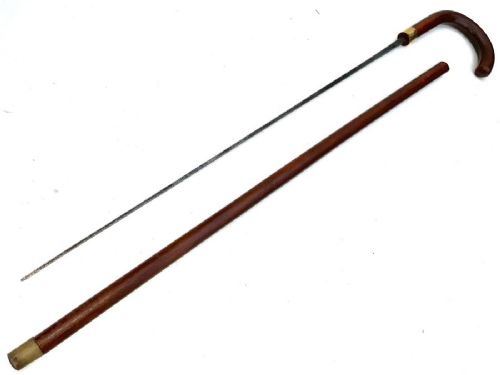
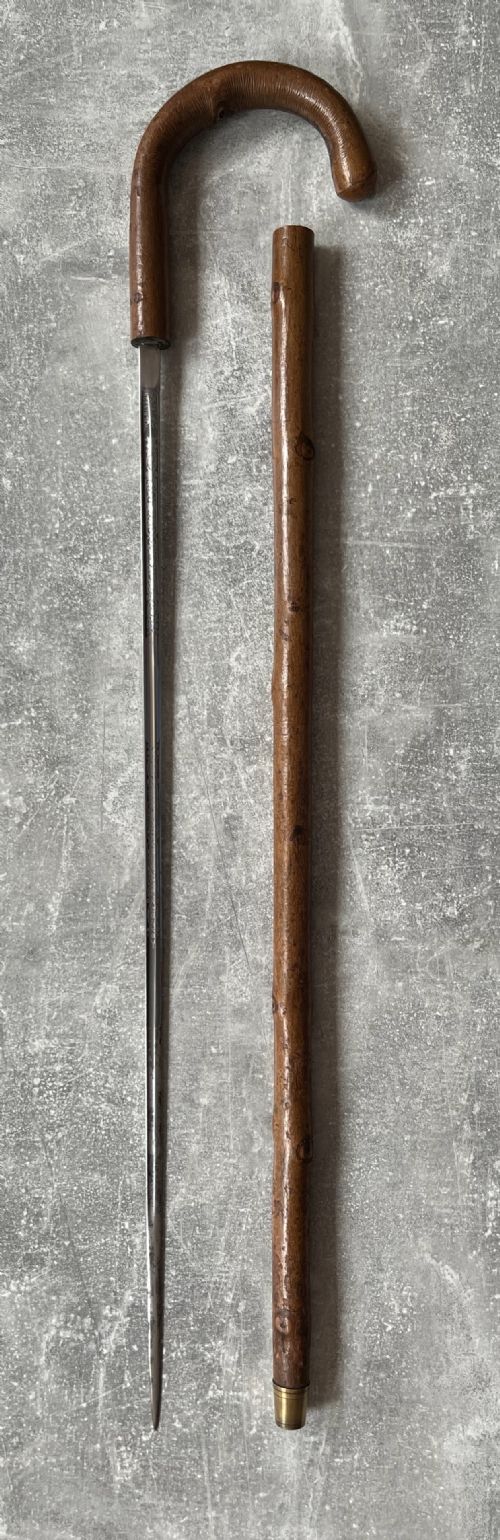
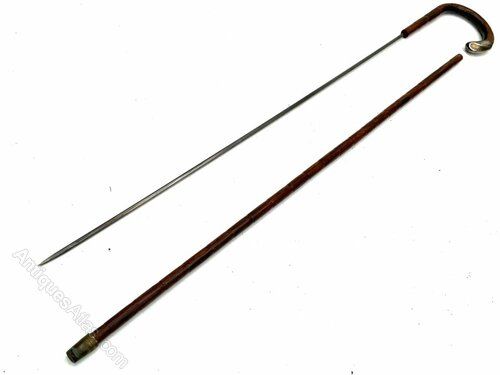
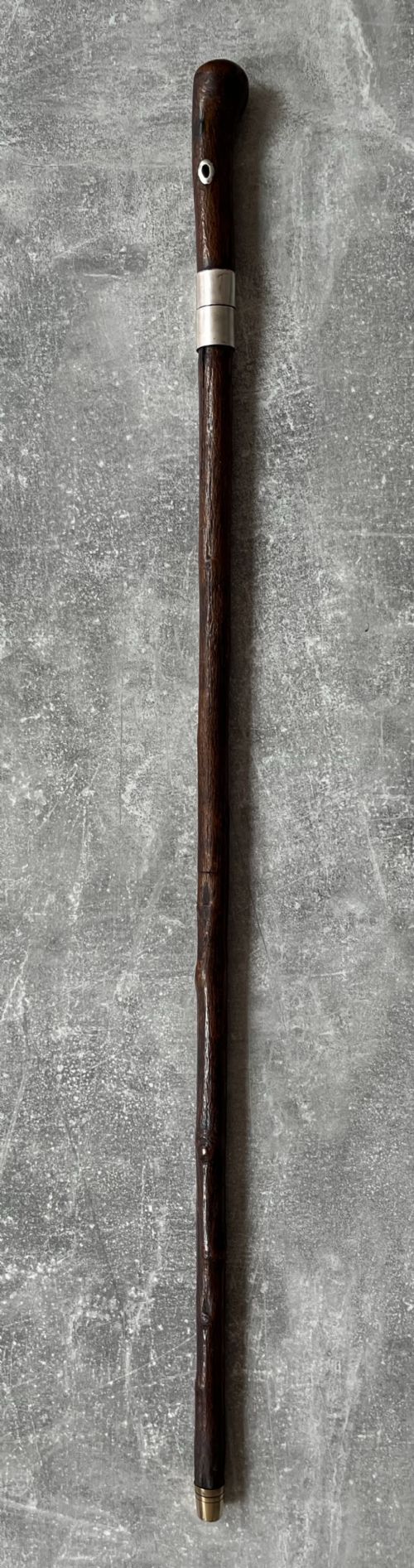
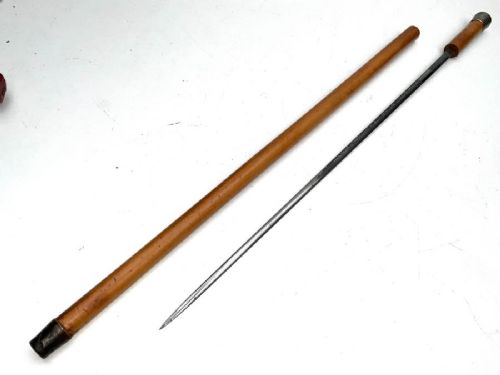
These vintage blade stick examples conceal steel swords within woods like malacca, partridge wood, and hazel, offering both everyday support and hidden defence.
Vintage Blade Stick
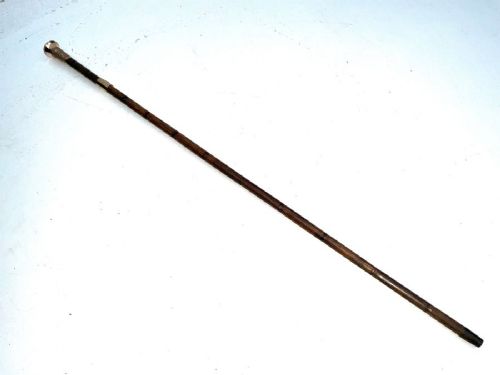
A vintage blade stick combines a functional walking cane with a concealed steel sword, presenting the outward appearance of an ordinary gentleman's accessory. Examples span the Victorian and Edwardian periods through to the 1920s, incorporating styles from military officers' pieces to Masonic and French designs.
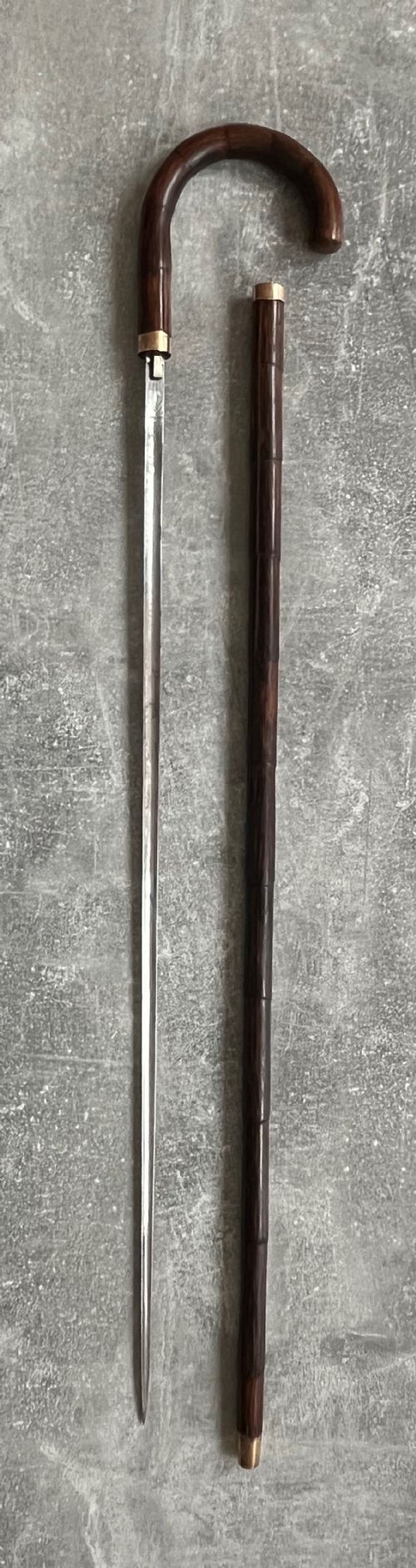
The materials used for the shaft and handle vary considerably, featuring natural forms such as blackthorn, bamboo, cherrywood, and partridge wood alongside polished horn, bone, and silver mounts. Many pieces employ malacca cane or ebonised wood fitted with button releases or screw mechanisms to secure the blade safely inside.
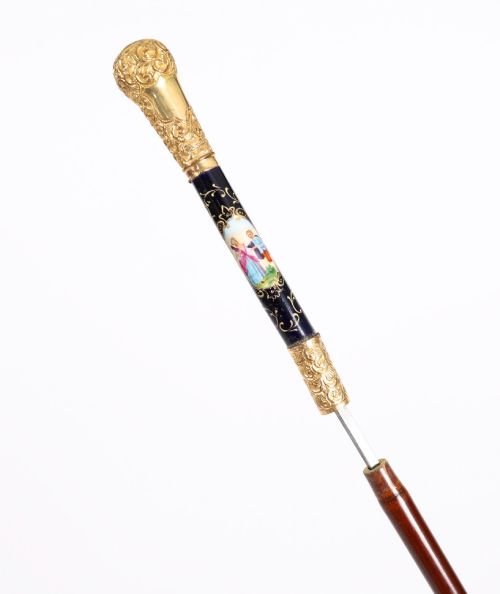
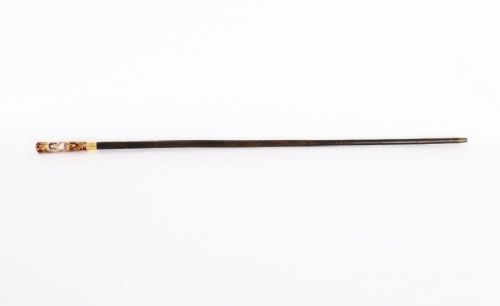
The hidden blades themselves range from etched Toledo steel to specialised Wilkinson makes, housed discreetly beneath crook handles, root balls, and porcelain knobs. While some were carried by military officers and gentlemen for personal protection, others served ceremonial or decorative roles.
How They Were Made
Maker construction relies on tightly fitted timber shafts hollowed to accommodate tempered steel blades, often secured with silver collars, gold plate, or metal mounts. Wood varieties like hazel, chestnut, and malacca are shaped into straight or crook-handled shafts that conceal the junction where the handle meets the scabbard.
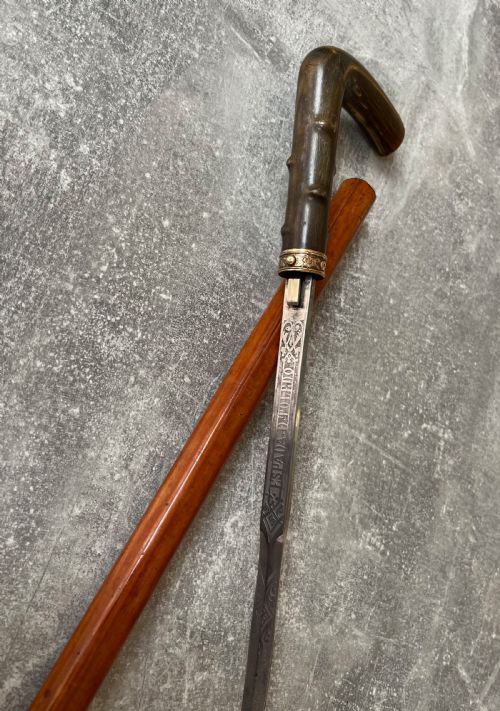
Blade manufacturing involves high-grade steel, frequently etched with decorative motifs and signed by notable makers such as Wilkinson or produced in Toledo. Handles carved from horn, bone, and Sevres porcelain are attached securely to the top, balancing the weight of the concealed weapon.
The listings show walking stick sword sticks produced across the nineteenth and early twentieth centuries, incorporating materials such as malacca cane, bamboo, horn, and silver.
What Varies in Quality
Quality rests upon the precision of the join between the handle and the shaft, where superior examples maintain a seamless, hard-to-detect seam. The integrity of the internal wooden scabbard and the smoothness of the release mechanism also determine the grade of the piece.
The refinement of the materials sets the better items apart, from fully etched Toledo or Wilkinson steel blades and solid silver collars to carefully selected partridge wood, malacca, and carved horn handles.
Wilkinson·Sevres·Brigg
The Vintage Blade Stick Glossary
- Malacca cane
- A mottled brown rattan imported from Southeast Asia, prized for its strength and resilience in walking stick production. It forms the flexible shaft of many traditional sword sticks.
- Toledo blade
- A steel blade forged in the Spanish city of Toledo, renowned historically for its temper and flexibility. These blades are frequently etched and found within nineteenth-century walking sticks.
- Wilkinson blade
- A steel blade produced by the Wilkinson Sword company, known for military precision and high-grade steel. Collectors look for these stamped signatures near the hilt.
- Ebonised wood
- Timber treated with a dark stain or finish to imitate ebony. This technique gives common woods a uniform, black formal appearance.
- Knop
- A rounded knob or handle at the top of a stick, often cast in silver, carved from bone, or formed from porcelain.
Vintage Blade Stick: Frequently Asked Questions
How do you release the concealed blade?
Most pieces utilise a button release, a screw thread, or a simple friction fit hidden beneath the handle or silver collar. Pulling the handle straight out separates the shaft from the internal scabbard.
Care must be taken when drawing the blade to avoid damaging the internal wooden channel or wearing down the locking mechanism over time.
Were these carried for self-defence?
Gentlemen, military officers, and travellers during the Victorian and Edwardian eras carried these sticks for personal protection on poorly lit city streets. The hidden weapon provided a discreet means of defence that blended into everyday attire.
Over time, many also took on ceremonial or fraternal significance, as seen in Masonic examples featuring specific iconography and symbols.
How do I date a vintage blade stick?
Dating relies on examining the style of the handle, the materials, any assay marks on silver collars, and the forging characteristics of the steel blade. Pieces span the late nineteenth century through the 1920s.
Victorian examples often feature robust horn or silver mounts, while 1920s pieces may show different metal plating techniques and specific hallmarking dates.
How should I store and display one?
Keep the stick in a dry environment away from direct sunlight and extreme temperature fluctuations to prevent the wooden shaft from warping and seizing the blade inside. Storing it vertically in a cane stand or horizontally on lined brackets preserves the wood.
Avoid applying harsh chemical polishes to the metal collars and handles, using a soft cloth instead to maintain the natural patina of the wood and silver.