




Vintage Birdcage
A vintage birdcage brings sculptural wirework and brass framing into an interior, offering both decorative presence and historical charm.
Vintage Birdcage
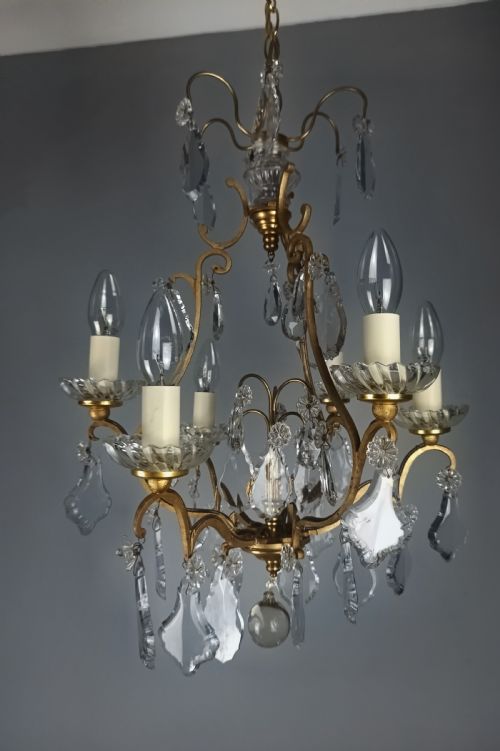
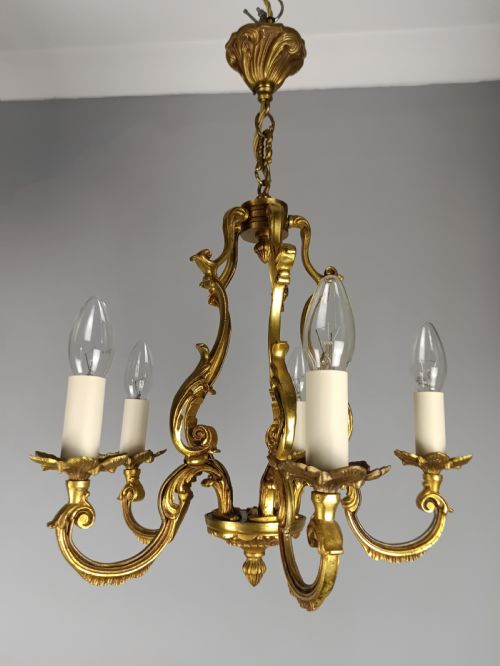
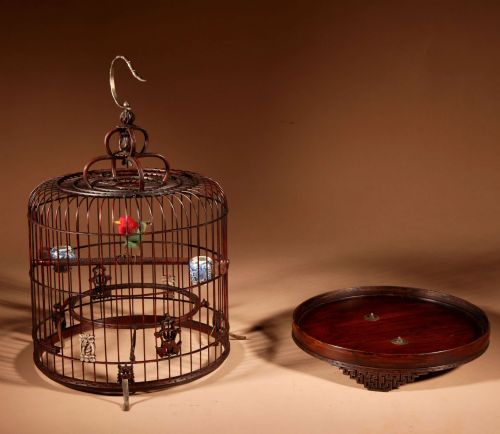
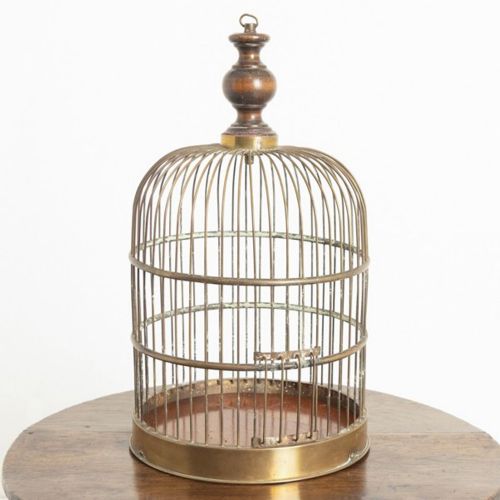
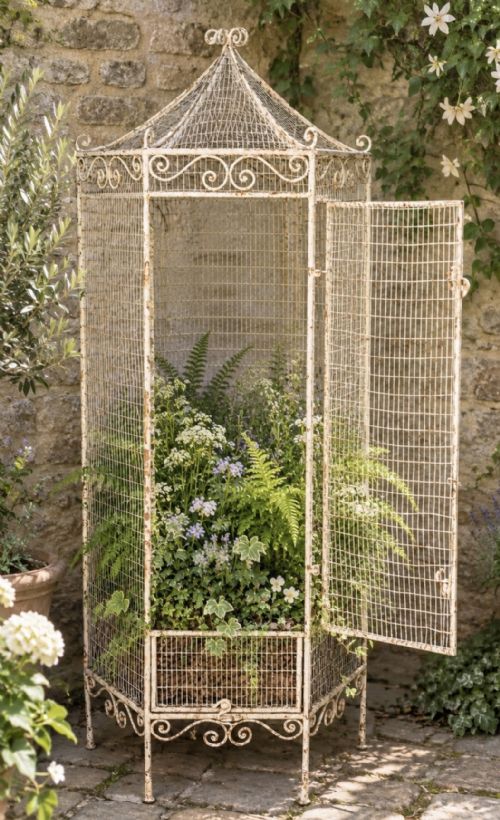
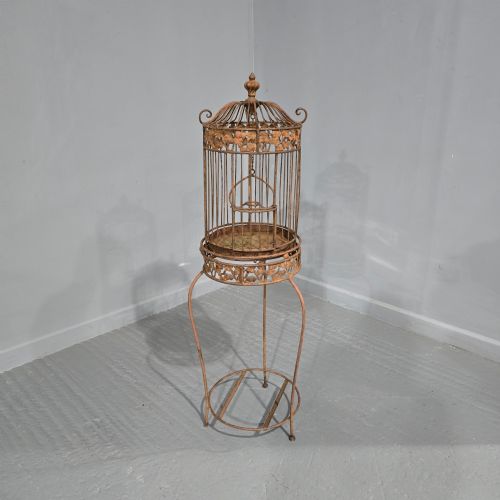
When searching for a vintage birdcage, a buyer encounters a diverse group of objects spanning decorative wire frames, substantial brass structures, and gilded crystal chandeliers influenced by French Rococo and Victorian styles. The selection ranges from nineteenth-century zinc and cast iron garden pieces to delicate bamboo examples and elaborate hanging lights.
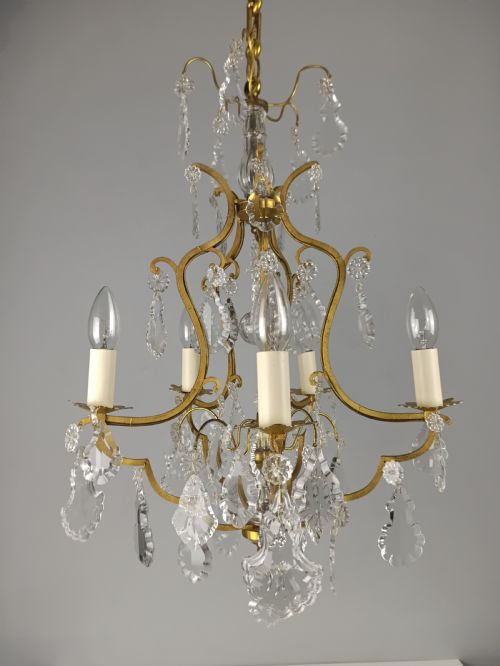
Most frequently, one meets substantial brass and wire constructions alongside French gilded bronze chandeliers that adopt the distinctive open cage silhouette. These items bridge utilitarian animal husbandry and ornate interior decoration, originating from periods between the seventeenth and mid-twentieth centuries.
Materials and construction methods
Maker construction relies heavily on metalworking, utilising brass, copper, wrought iron, and wire mesh to form rigid structural enclosures. Gilded bronze and crystal components appear in lighting fixtures, while wood and bamboo serve in traditional breeding cages and carved oriental pieces.
Joinery and soldering techniques secure the intricate wire frameworks and metal bars, often paired with cast iron stands or zinc bases. Surface finishes include original paint, gilding, and polished brass patination developed through age.
Listings feature items spanning the seventeenth to the mid-twentieth century, constructed from brass, crystal, wrought iron, and wood.
What determines quality
Quality rests in the crispness of metal casting, the integrity of the wirework frame, and the original preservation of gilding or surface finishes. Heavier gauge brass and intricate hand-carved bamboo elements distinguish finer workshops from simpler utility pieces.
The integration of decorative elements, such as crystal drops on chandeliers or cast iron detailing on stands, separates standard production from exceptional examples. Original patination and structural completeness elevate the standing of any piece within its period.
John Spershott of Tetchfield·Karl Griesbaum
The Vintage Birdcage Glossary
- Birdcage chandelier
- A lighting fixture styled with a skeletal wire or metal framework resembling an aviary, frequently embellished with crystal drops. This form gained popularity during various French revival periods.
- Gilded bronze
- A metal alloy treated with a fine layer of gold leaf or mercury gilding, commonly known as ormolu. It provides a lustrous, corrosion-resistant surface on decorative mounts.
- Wire mesh
- A barrier material formed by interlacing metal wires into a grid or net. It serves as the primary enclosing element in functional aviaries.
- Tripod supper table
- A small three-legged occasional table, often featuring a tilt-top mechanism supported by a column and three legs. The birdcage mechanism allows the table top to rotate and pivot.
Vintage Birdcage: Frequently Asked Questions
How do I date a brass birdcage?
Dating relies on examining the manufacturing techniques, such as the type of wire drawing, the method of joining bars, and the composition of the brass. Heavier castings and specific patination traits often point toward nineteenth-century production.
Stylistic cues, including Art Nouveau curves or Victorian ornamentation, provide further chronological context for when the item was made.
Can I hang a birdcage chandelier safely?
Hanging these fixtures requires assessing the structural weight of the brass frame and crystal drops against your ceiling's capacity. Professional rewiring is typically necessary for older lighting components to meet modern electrical standards.
Consulting a qualified electrician ensures the secure installation of heavy metal and glass structures.
What is a birdcage table mechanism?
The mechanism consists of a wooden box-like frame fitted beneath the table top, allowing it to tilt and rotate independently of the central pedestal column. This design facilitated easy storage when the furniture was not in use.
Master cabinetmakers refined this pivot system during the Georgian period for dining and supper rooms.