








Vintage Bird Taxidermy
Vintage bird taxidermy offers preserved specimens in glass cases and frames, bringing the nineteenth and early twentieth-century natural world directly into your interior.
Vintage Bird Taxidermy
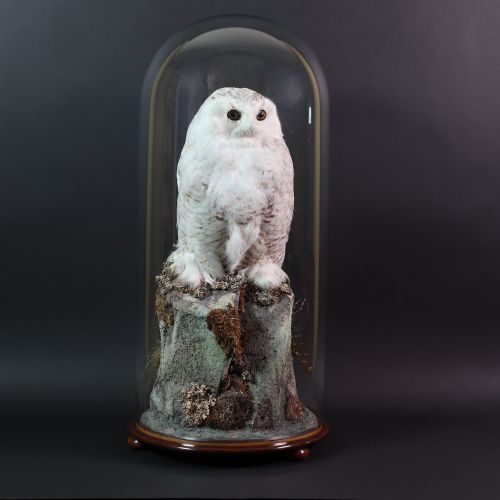
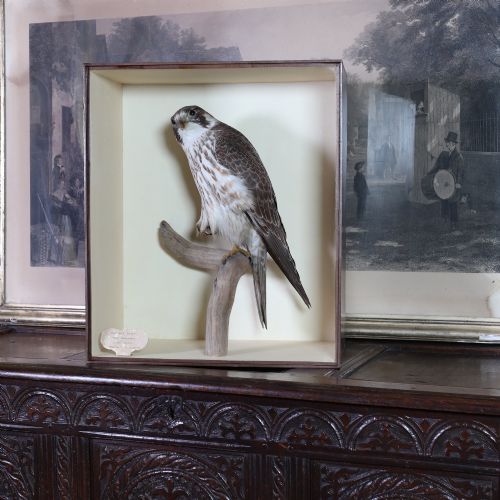
Vintage bird taxidermy encompasses preserved specimens set within glass domes, picture frames, and painted timber display cases. These pieces capture the natural history aesthetic of the Victorian, Edwardian, and early twentieth-century periods.
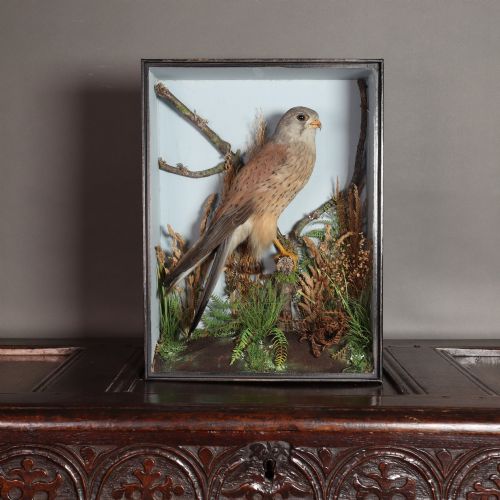
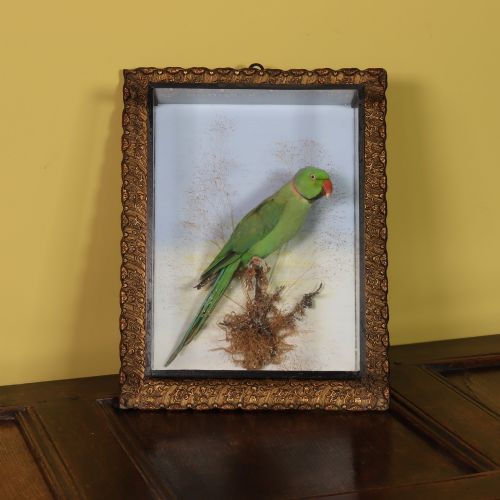
You are most likely to encounter cased mounts and dioramas featuring single or multiple birds, ranging from British kestrels and kingfishers to exotic parakeets and hummingbirds. The selections often incorporate moss, paper, and timber to recreate natural habitats.
Originating from an era of intense scientific curiosity and interior decoration, these displays function as decorative sculptures that reflect period craftsmanship.
How they were made
Taxidermists mounted preserved specimens over internal armatures using feathers, moss, and paper to build realistic settings within timber and glass enclosures. Makers constructed bespoke timber cases, sometimes painting the interiors to simulate natural backgrounds.
Protective glass domes and glazed wooden frames preserved the delicate plumage from dust and moisture over the decades. The construction combined traditional joinery for the timber housing with careful taxidermy techniques to position each bird.
Vintage Bird Taxidermy Retail Price Guide 2026
Typical asking prices for vintage bird taxidermy among the pieces listed under this phrase on Sellingantiques today, from the lower quarter to the upper quarter. They describe what is for sale here now, not the wider market.
Listings span the nineteenth and twentieth centuries, featuring materials such as glass, timber, moss, and preserved specimens.
What varies in quality
Quality rests upon the lifelike posture of the preserved specimen and the artistic composition of the diorama habitat. Skilled taxidermists rendered anatomical accuracy and natural movement, whereas lesser examples appear stiff or disproportionate.
The sophistication of the timber case, the clarity of the glass, and the inclusion of detailed background painting elevate certain displays. Signed works by notable period practitioners command greater interest due to documented provenance.
J Griffiths of Burford·T. E. Gunn·William Bazeley & Sons·John Hancock·James Gardner·W.F. Homer London
The Vintage Bird Taxidermy Glossary
- Taxidermy specimen
- The preserved skin and feathers of an animal mounted over an artificial form to replicate life. This term applies across all species seen in natural history collections.
- Taxidermy display case
- A glazed wooden enclosure built to house and protect mounted birds from environmental damage. These cases frequently feature painted backdrops and naturalistic foliage.
- Glass dome
- A blown glass cover resting on a wooden base, used to enclose delicate bird mounts. This method of display was popular during the Victorian period.
- Diorama
- A three-dimensional scene depicting mounted animals within a constructed habitat. Painted backgrounds add depth and context to the specimens.
- Folk art
- Items created by self-taught makers outside formal artistic traditions. In this context, it describes vernacular taxidermy arrangements.
Vintage Bird Taxidermy: Frequently Asked Questions
How do I care for vintage bird taxidermy?
Keep mounted specimens away from direct sunlight and high humidity to prevent feather fading and degradation. Gentle dusting of the glass exterior with a soft cloth maintains clarity without disturbing the interior.
Avoid opening sealed cases, as the enclosed microclimate protects the delicate feathers from insect damage and atmospheric pollutants over time.
How can I tell the period of a piece?
Examine the construction of the wooden case, the style of the glass, and any label attached by the taxidermist. Victorian pieces often use heavy timber frames and hand-written provenance labels.
Early twentieth-century examples frequently feature simpler painted pine cases and standardised glass panes that reflect industrial manufacturing shifts.
Where were these pieces originally displayed?
Victorian and Edwardian households displayed these natural history specimens in studies, libraries, and drawing rooms. They served as conversation pieces that demonstrated scientific interest and aesthetic taste.
Collectors and naturalists housed them alongside botanical collections, shells, and geological specimens to create miniature cabinets of curiosity at home.
What does a diorama setting include?
Diorama settings typically incorporate painted paper backgrounds, preserved moss, twigs, and timber to mimic the native habitat of the bird. These elements provide visual context and support the mounted specimen.
Some multi-bird cases combine species from specific geographic regions, such as South America or Australia, within a single unified landscape.