
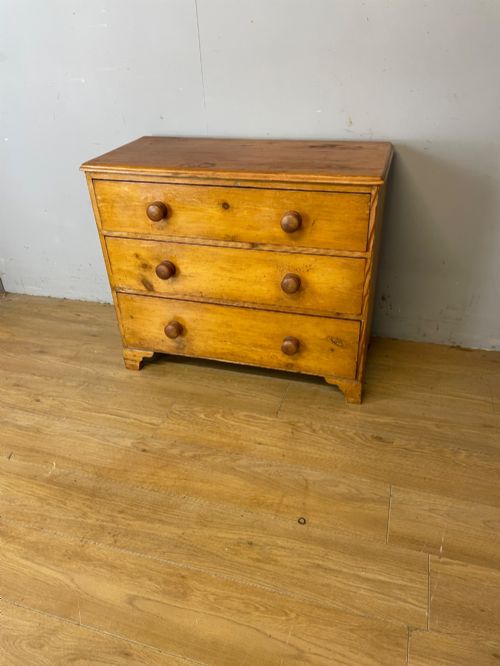
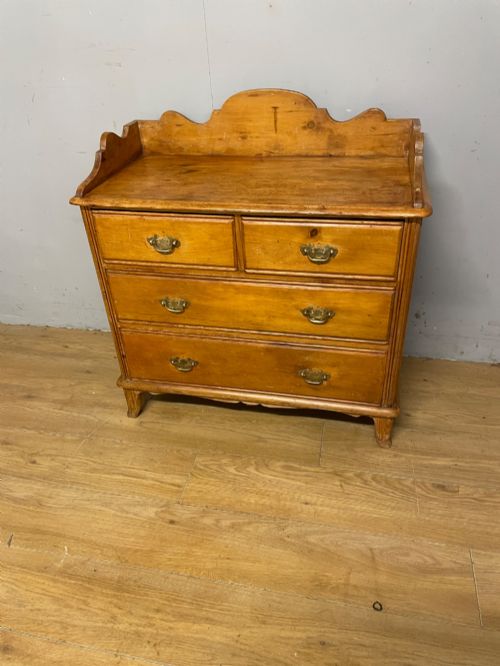
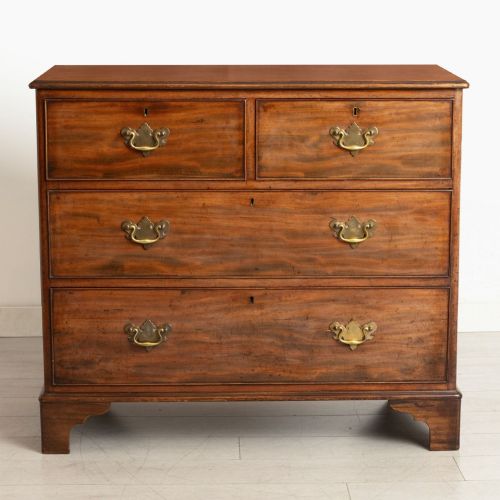
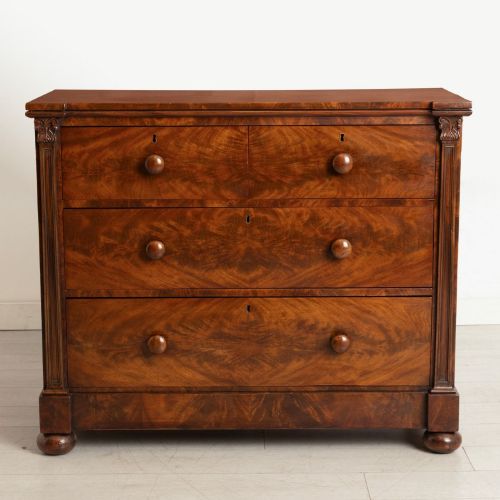
Vintage Bedroom Commode Chest
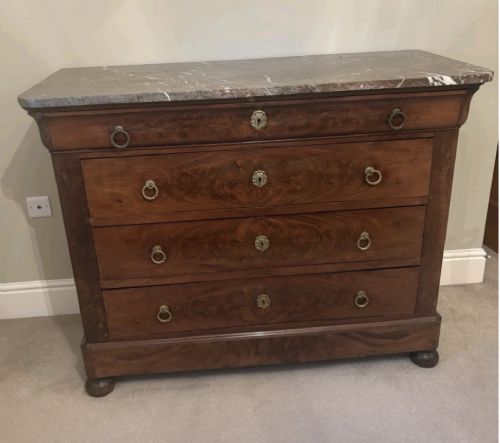
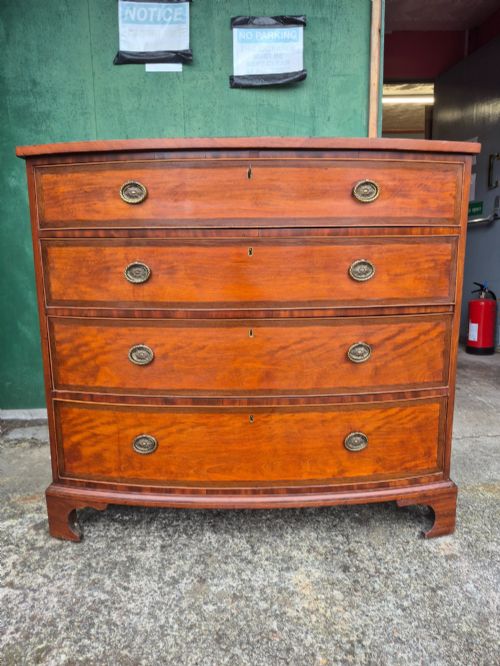
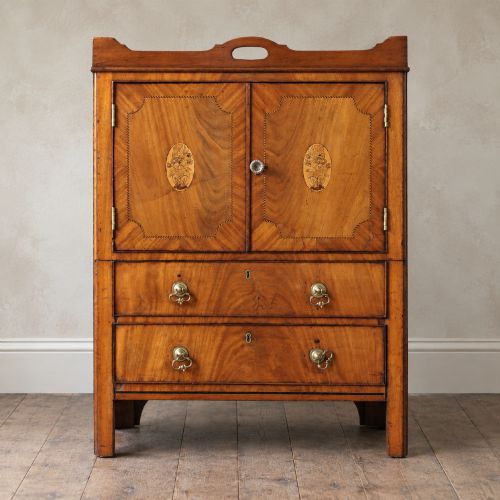
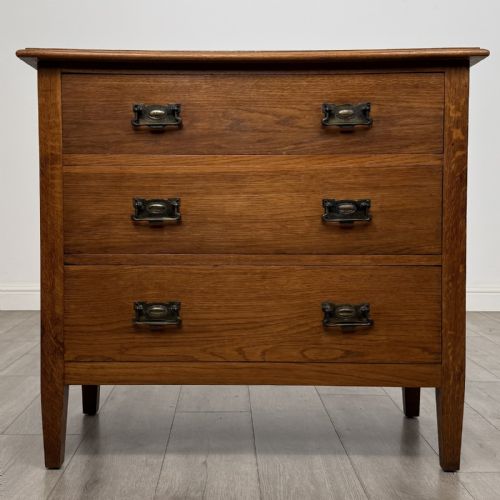
A vintage bedroom commode chest brings practical storage and architectural presence to a room, spanning periods from Georgian mahogany to Edwardian oak.
Vintage Bedroom Commode Chest
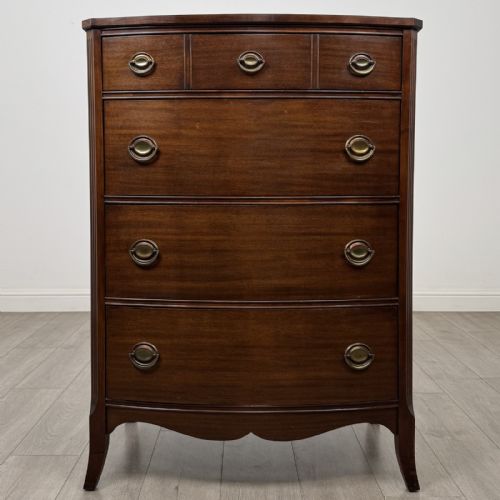
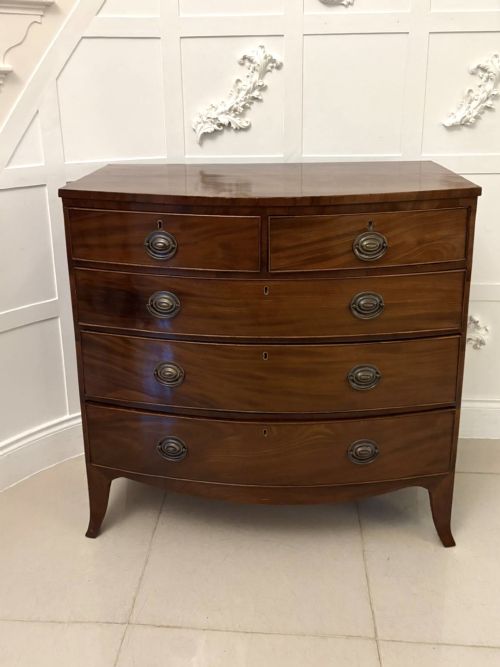
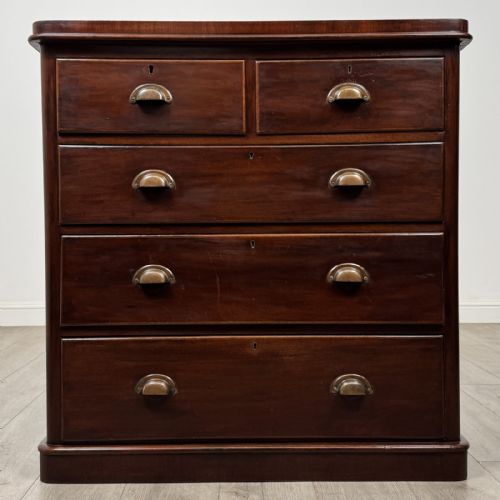
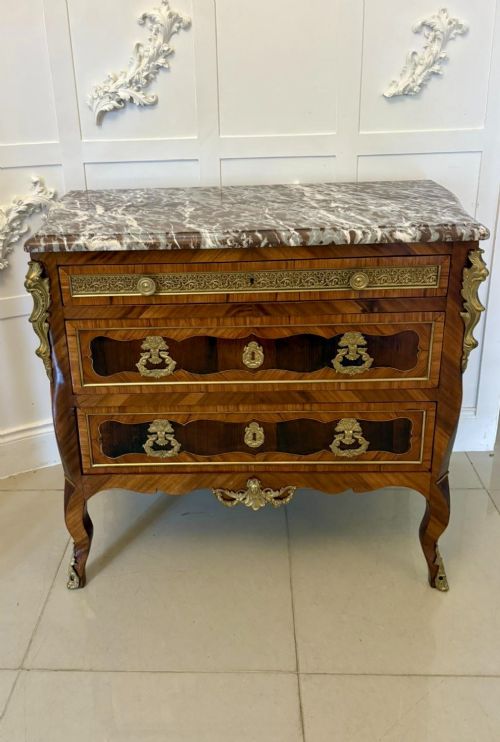
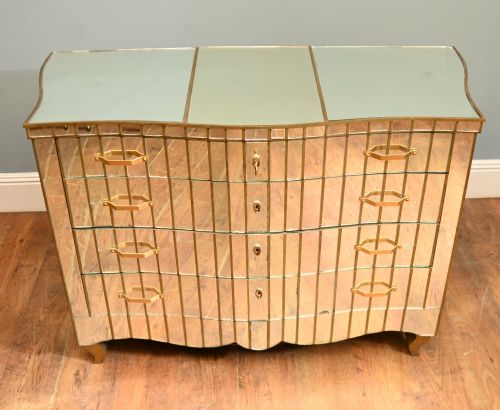
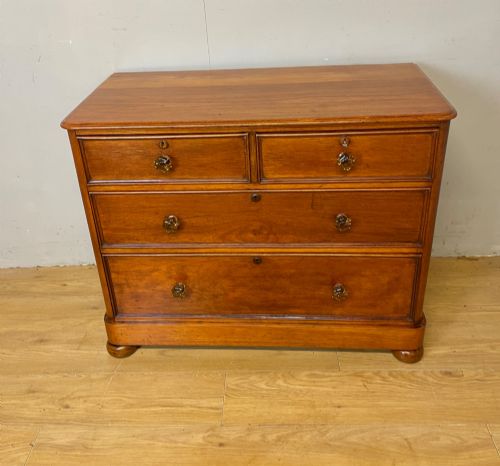
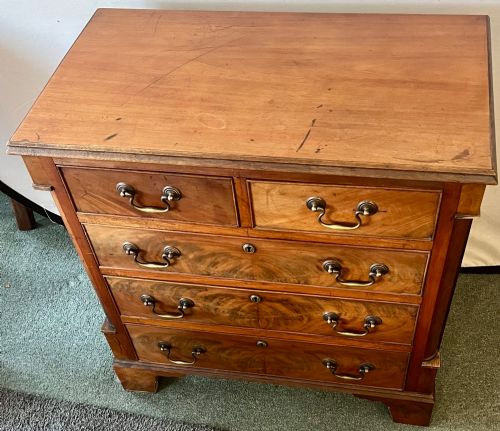
A vintage bedroom commode chest serves as a primary storage piece, offering stacked drawer configurations designed for domestic utility. When searching for a vintage bedroom commode chest, buyers encounter forms ranging from strict geometric carcases to serpentine and bow front silhouettes.
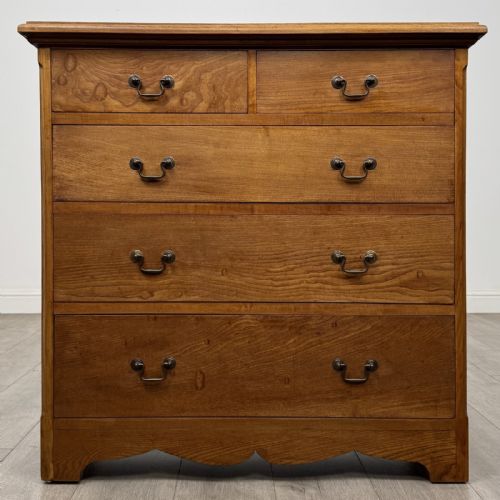
The material vocabulary draws heavily on mahogany, oak, walnut, and pine, reflecting the timber preferences of British and continental workshops. Pieces emerge from periods including the Georgian era, the Regency era, the Victorian epoch, and the Edwardian decades, alongside mid-century arrivals from the 1920s and 1930s.
Styles lean toward English country utility, French provincial elegance, and formal Georgian or Regency classicism. The form frequently intersects with specialised regional designs, including Biedermeier interpretations and Arts and Crafts oak construction.
Determinants of quality
Execution of secondary details, including the crispness of brass hardware and the precision of satinwood banding, marks the difference between standard provincial joinery and high workshop production.
Materials recorded on this page include flame mahogany veneer, solid oak, brass, and painted pine.
Sir Clough Williams-Ellis
The Vintage Bedroom Commode Chest Glossary
- Bow front
- A cabinet front that curves outward in a convex arc. This shape appears frequently on Regency and Victorian mahogany examples.
- Serpentine front
- A furniture front characterised by a wavy contour, featuring a convex centre flanked by concave ends. It demands advanced cabinet-making skill.
- Brushing slide
- A pull-out shelf integrated above the top drawers, historically used for folding garments or grooming. It is often found in Georgian chests.
- Crossbanding
- A strip of veneer applied perpendicularly to the grain of the primary surface to create a decorative border. It frames drawer fronts on finer pieces.
- Flame mahogany
- Mahogany veneer cut to highlight a distinctive, flame-like grain pattern. It was favoured during the Regency period.
Vintage Bedroom Commode Chest: Frequently Asked Questions
How do I date a wooden chest?
Dating relies on observing construction characteristics, timber types, and hardware styles associated with specific eras like Georgian or Victorian. Secondary wood choices and dovetail joints offer further clues to the period of manufacture.
Changes in handle design and drawer lining materials help narrow the manufacturing decade. Comparing the carcass proportions to documented period examples confirms the timeline.
What is a commode chest?
A commode chest functions as a low drawer unit designed for bedroom storage and domestic utility. The term often describes French or continental pieces alongside traditional British drawer units.
These pieces combine decorative presence with practical compartmentalization. They sit lower than tallboys, providing accessible surface space on top.
Are these pieces solid wood?
Construction methods combine solid timber frames with selected veneers applied to primary surfaces. Carcass structures often utilise oak, mahogany, or pine, while decorative faces display figured mahogany or walnut.
Internal drawer linings and backing boards commonly feature secondary softwoods like pine. Veneering techniques allowed makers to showcase striking grain patterns without exhausting timber supplies.
How do I fit one into a modern bedroom?
A vintage chest anchors a modern room by introducing natural wood tones and historical texture. These pieces provide deep drawer storage that accommodates contemporary clothing while serving as a surface for lamps or mirrors.
Pairing a dark mahogany or oak chest with neutral walls highlights the grain and silhouette. The varied proportions available allow placement in both compact spaces and large rooms.