





Vintage Bar Stool
These vintage bar stool pieces bring genuine industrial grit and country character to a kitchen counter, built to endure heavy commercial and domestic use.
Vintage Bar Stool
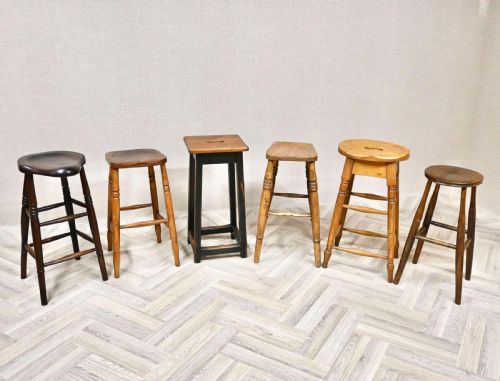
A vintage bar stool search brings up robust seating solutions originating from diverse settings, including Victorian taverns, industrial workshops, and country farmhouses. These pieces span the nineteenth and twentieth centuries, capturing functional designs intended for long hours of commercial or manual labour.
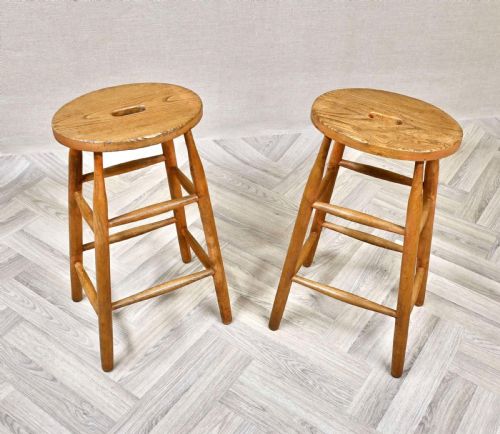
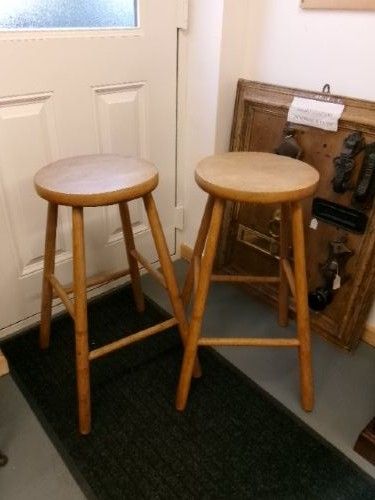
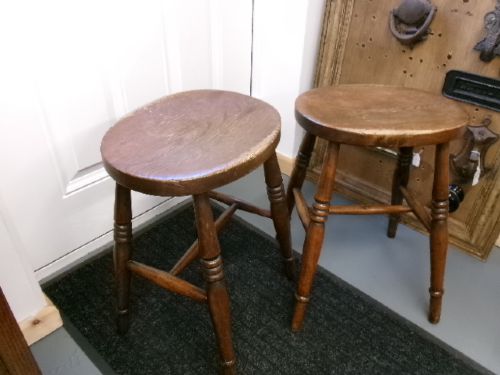
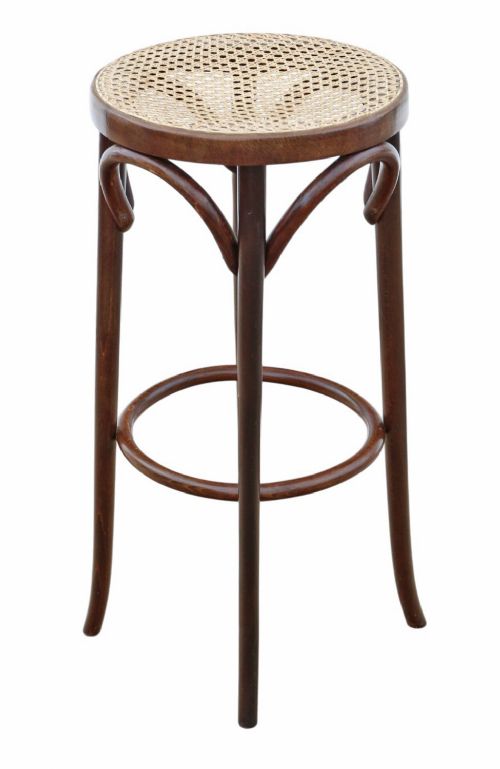
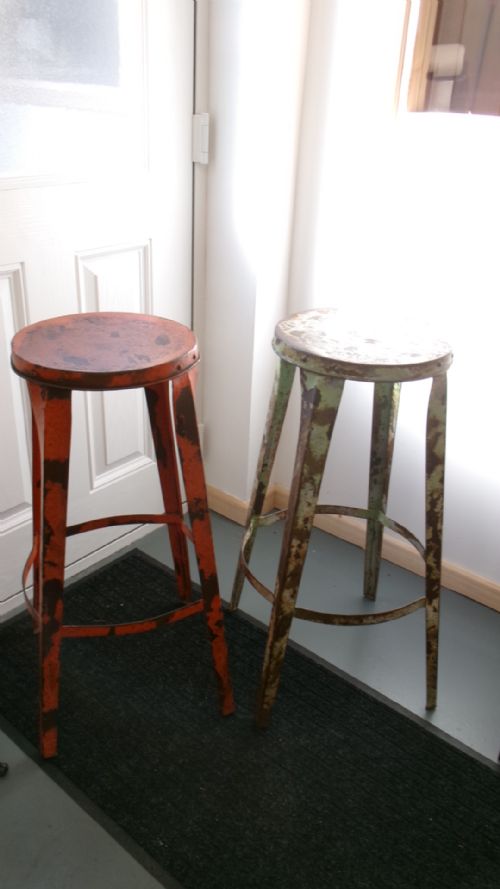
The selections available here lean heavily into utilitarian forms such as tall pub stools, workshop seats, and bentwood high stools. Buyers frequently encounter oak, elm, and sycamore wooden tops paired with iron or steel bases, reflecting decades of practical service.
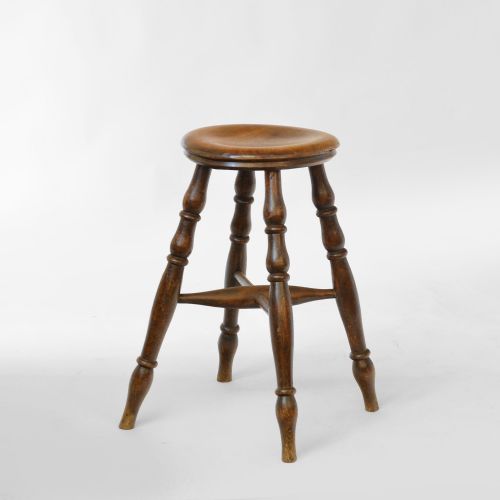
The origins stretch from English country houses and European bistros to specific maker workshops, providing a rich variety of silhouettes. Whether searching for a simple turned beech clerk's stool or heavy industrial iron designs, the assortment prioritises sturdy construction and honest utility.
Materials and construction methods
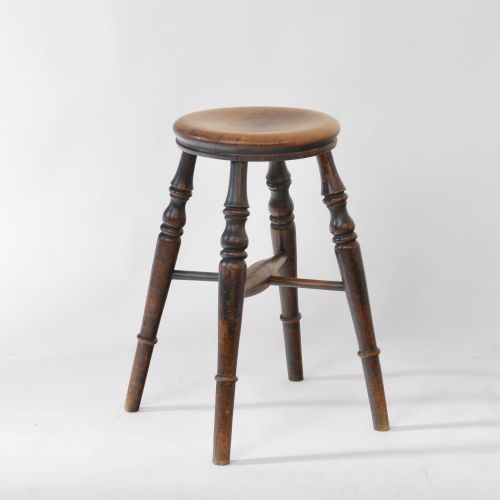
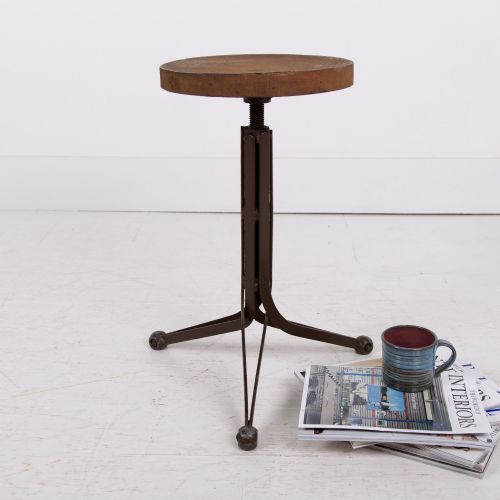
Makers utilised resilient hardwoods like oak, elm, walnut, birch, and sycamore for seats, often dishing or saddling the timber for comfort. These wooden elements combine with cast-iron bases, steel frames, and riveted metal components designed to withstand rigorous daily employment.
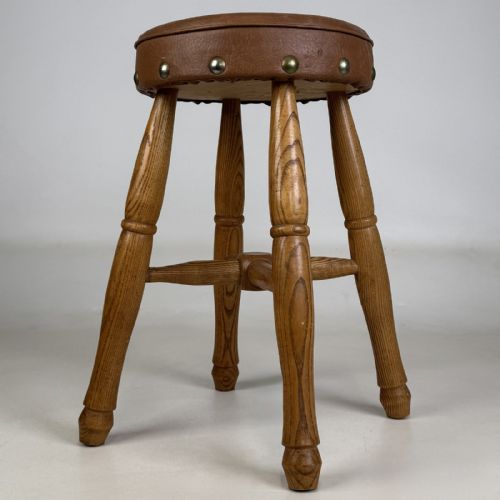
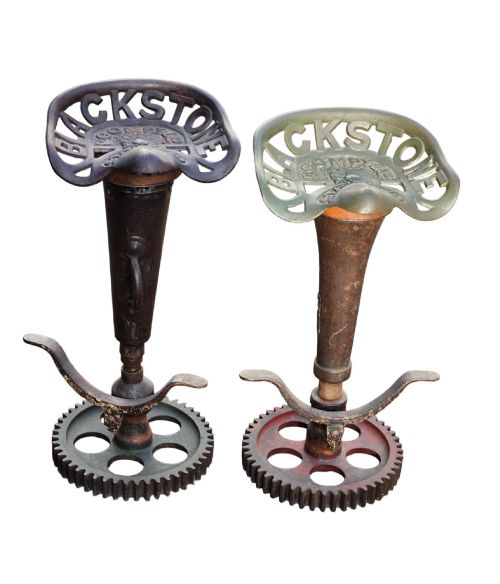
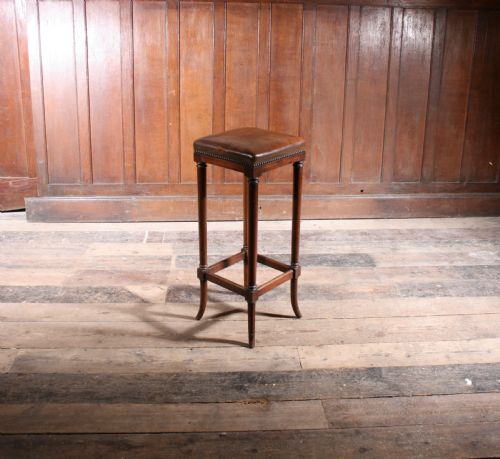
Techniques range from traditional woodturning for clerk's stools to bentwood framing and industrial casting for workshop gear cog bases. Details such as brass studded leather upholstery and robust joinery demonstrate the utilitarian focus behind each build.
Vintage Bar Stool Retail Price Guide 2026
Typical asking prices for vintage bar stool among the pieces listed under this phrase on Sellingantiques today, from the lower quarter to the upper quarter. They describe what is for sale here now, not the wider market.
The listings span from the late nineteenth century through the nineteen-fifties, featuring oak, elm, steel, and leather.
Assessing quality and authenticity
Quality in these high stools rests upon the integrity of the materials and the honesty of the wear accumulated over decades of use. Solid timber tops showing deep patination outrank later replacements, while robust iron bases with functioning adjustable mechanisms command greater attention.
The calibre of craftsmanship shows in the subtlety of the turned legs, the weight of the cast-iron seats, and the tightness of the original joints. Pieces that retain their genuine workshop or tavern provenance without modern structural overhauls represent the pinnacle of the category.
Blackstone & Co.·Rubery Owen Blade Workshop
The Vintage Bar Stool Glossary
- Bentwood
- Wood heated with steam to render it pliable, allowing manufacturers to bend it into curved structural shapes for stools.
- Clerk's stool
- A tall, simple wooden seat traditionally used by administrative workers at high desks or ledgers.
- Dished top
- A seat carved with a shallow concave depression to fit the human body more comfortably during long periods of sitting.
- Gear cog base
- An industrial support structure incorporating heavy cogs and machinery parts, commonly found on workshop seating.
- Saddle seat
- A wooden seat shaped similarly to an equestrian saddle, contoured to support the thighs and lower back.
Vintage Bar Stool: Frequently Asked Questions
How do I style a vintage bar stool at home?
These tall stools fit naturally against modern kitchen islands, breakfast bars, or rustic wooden counters where their patinated timber and industrial metal elements provide a striking contrast.
Mixing different workshop and tavern designs around the same table creates an authentic, collected interior rather than a matched set look.
Were these stools originally used in bars?
Many examples served in nineteenth-century pubs, taverns, and French wine bars, while others originated in industrial workshops, laboratories, and drafting offices.
Their elevated heights were dictated by the standing workspaces of clerks, craftsmen, and bartenders of the period.
How can I date an older wooden bar stool?
Dating relies on examining the timber species, tool marks, construction joints, and the degree of natural wear across the footrests and seats.
Nineteenth-century pieces often feature hand-turned elements and native woods like sycamore or elm, whereas twentieth-century examples frequently incorporate steel and iron mechanisms.
Are industrial metal stools comfortable for daily seating?
Industrial stools with contoured wooden tops or dished metal seats offer surprisingly ergonomic support for regular use at kitchen counters.
Leather-upholstered variants provide additional cushioning, though the rigidity of fixed-height iron frames suits shorter periods of sitting.