
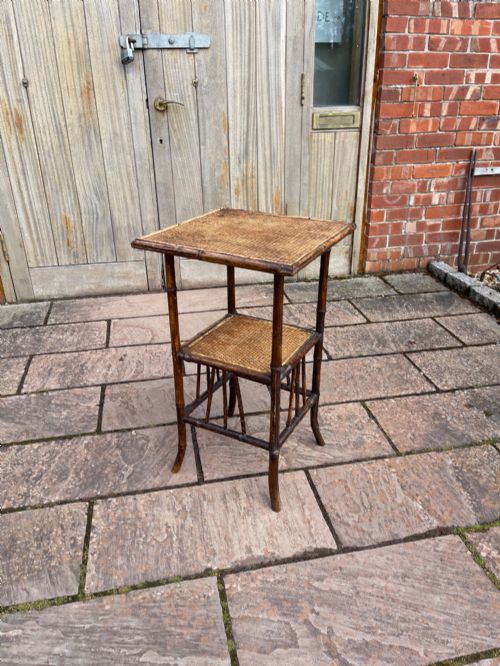
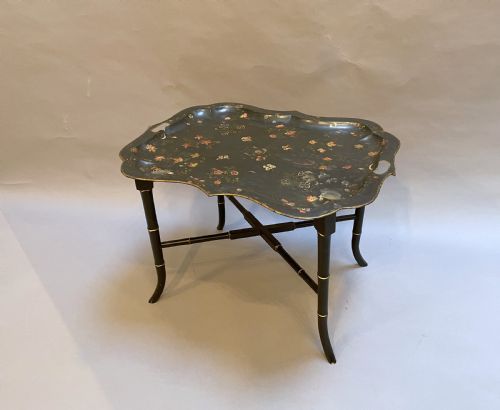


Vintage Bamboo Side Table
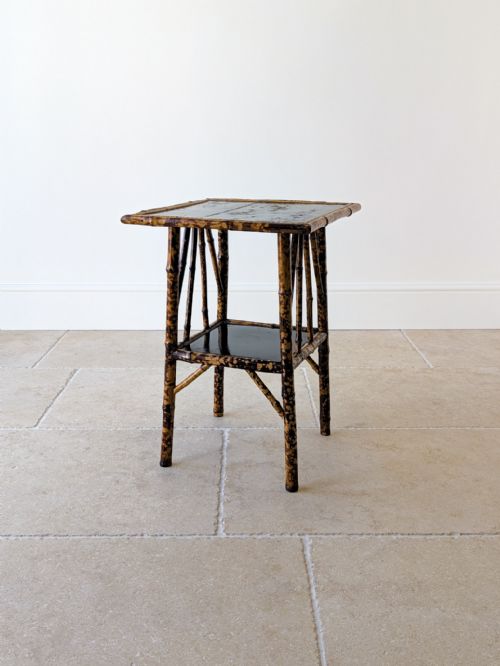
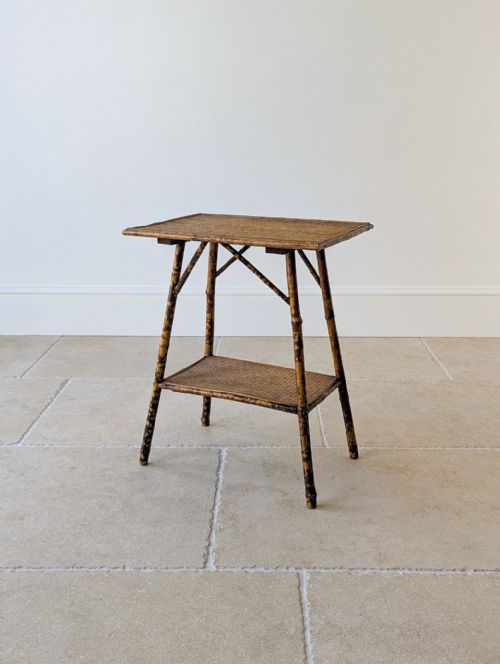
These vintage bamboo side table pieces bring lightweight utility and exotic texture to a room, offering practical surfaces shaped by nineteenth and twentieth-century makers.
Vintage Bamboo Side Table
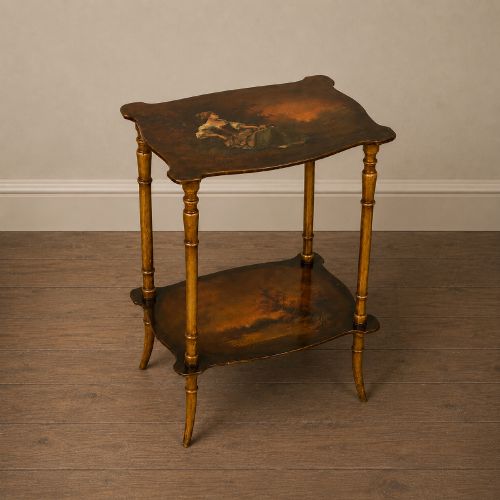
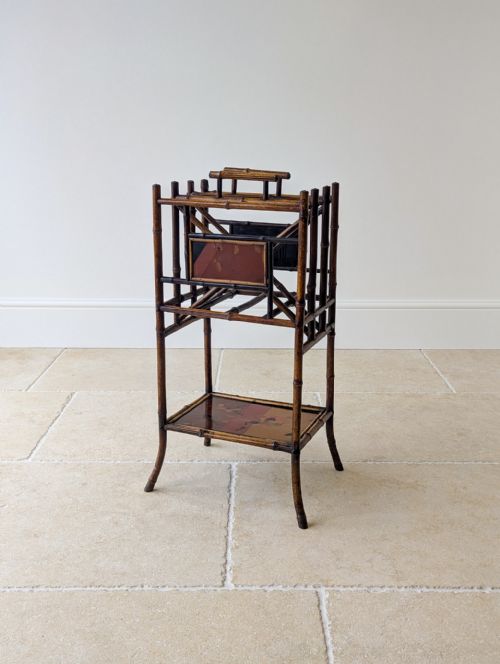
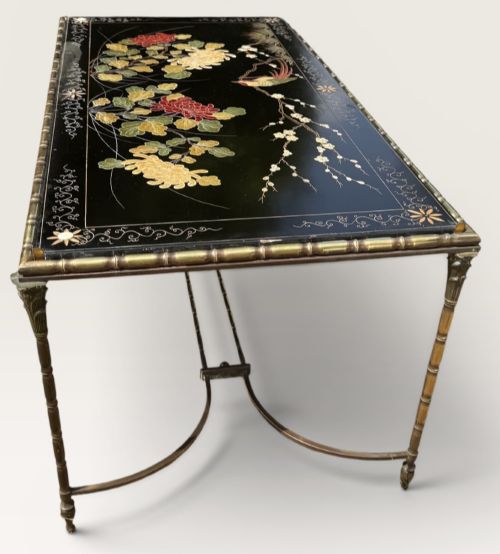
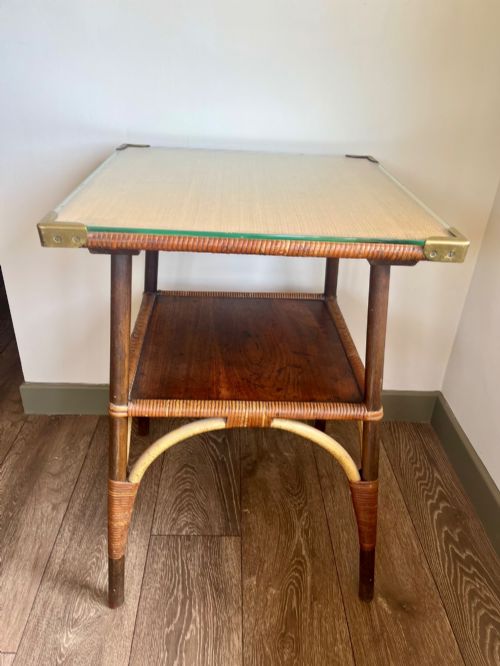
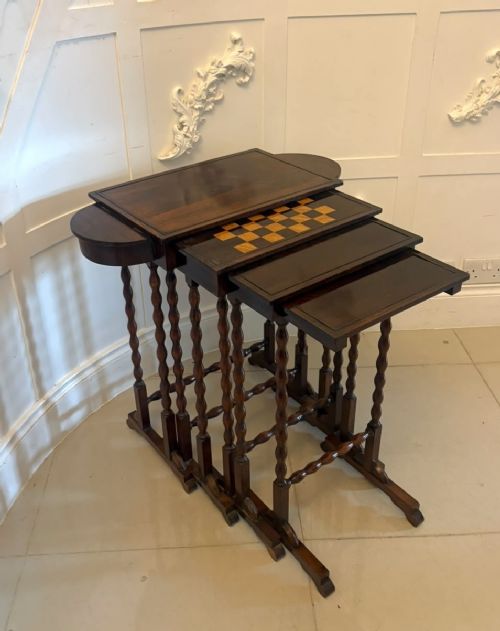
When you search for a vintage bamboo side table, you encounter diverse forms ranging from simple occasional tables and multi-tiered étagères to complex nesting sets and magazine racks. The selection spans periods from the nineteenth century through the Edwardian era and the nineteen-thirties, reflecting changing domestic tastes.
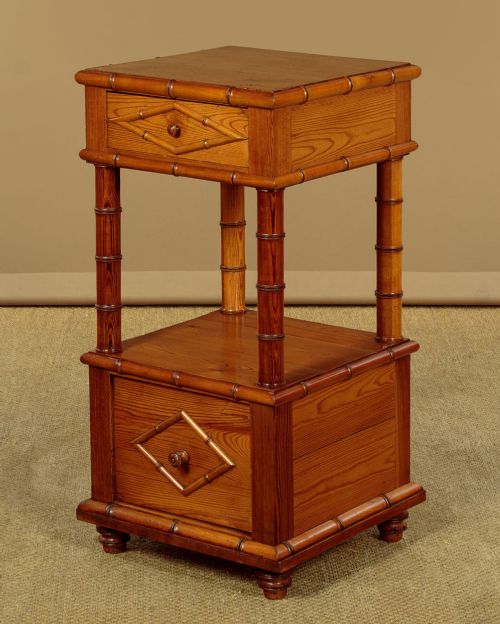
Victorian examples and Aesthetic Movement pieces dominate the selection, often utilising natural bamboo or turned hardwoods finished as faux bamboo. Alongside these, you find Chinese export stands, French folding tables, and Edwardian Anglo-Japanese pagoda designs that expand the stylistic range.
Practical domestic utility defines these forms, functioning as bedside cabinets, coffee tables, or lamp tables. Their lightweight construction allowed Victorians to move them easily around drawing rooms and parlours according to the social occasion.
What varies in quality
Structural integrity sets superior examples apart, depending on the tightness of the original bamboo bindings and the stability of the joints. Natural bamboo shrinks and splits over decades, so pieces retaining uncompromised cane show careful historical management.
Listings span the nineteenth century through nineteen-thirty, incorporating woods, brass, lacquer, rattan, and natural bamboo.
Maison Bagues·Dryad Leicester·Liberty of London
The Vintage Bamboo Side Table Glossary
- Bamboo
- A woody grass utilised for its lightweight strength and distinctive segmented growth rings. It forms the primary structural material for nineteenth-century occasional furniture.
- Faux bamboo
- Hardwood turned on a lathe to replicate the physical nodes and profile of natural bamboo cane. This technique allowed cabinetmakers to build sturdy tables from mahogany or beech.
- Étagère
- An open piece of furniture consisting of multiple shelves tiered for display. These items often feature bamboo or brass frames supporting painted surfaces.
- Quartetto nest
- A graduated set of four tables designed to slide neatly beneath one another. Regency and Edwardian makers produced these in mahogany, satinwood, and exotic hardwoods.
- Aesthetic Movement
- A late nineteenth-century design current emphasising visual beauty over narrative subject matter. Furniture from this circle frequently adopted Japanese-inspired bamboo and lacquer motifs.
Vintage Bamboo Side Table: Frequently Asked Questions
How do I care for vintage bamboo furniture?
Keep these pieces away from direct heat sources and drastic humidity changes to prevent the natural cane from splitting.
Dust regularly with a soft dry cloth and avoid applying modern liquid polishes that can degrade historic lacquer.
Are faux bamboo tables as old as natural bamboo?
Turned faux bamboo furniture emerged alongside natural bamboo pieces during the Victorian and Edwardian periods.
Cabinetmakers utilised hardwoods because they offered greater weight and durability for heavy daily use.
Can I use a bamboo side table as a coffee table?
Lower occasional tables and folding stands from the nineteenth and twentieth centuries adapt readily to modern coffee table heights.
Ensure the top surface has adequate stability and protect it with glass if placing heavy items on delicate lacquer.
What is an Anglo-Japanese occasional table?
This style reflects late nineteenth-century British fascination with Japanese design following the opening of trade ports.
Tables combine bamboo or ebonised wood with pagoda silhouettes, bracketed shelves, and painted motifs.