
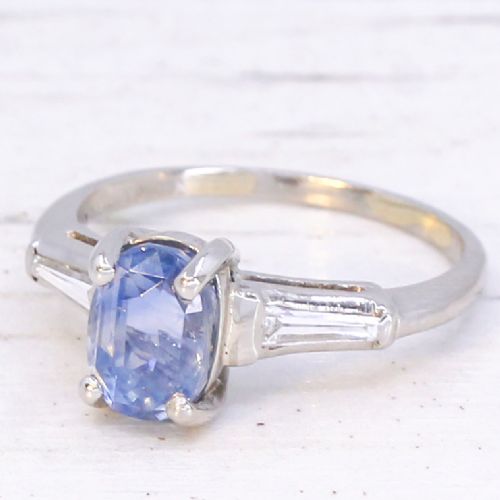
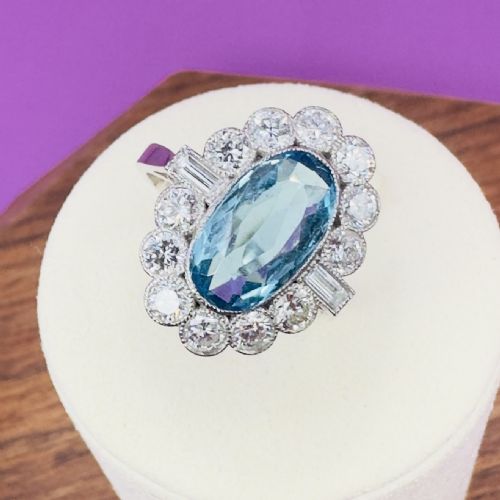


Vintage Baguette Diamond Ring
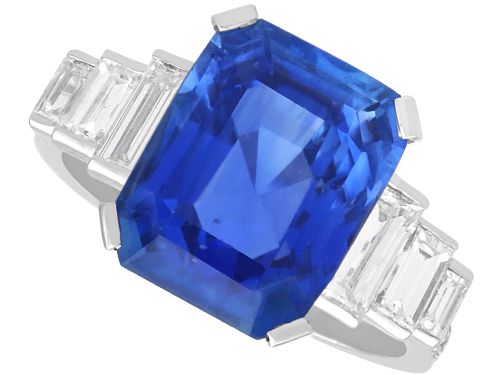
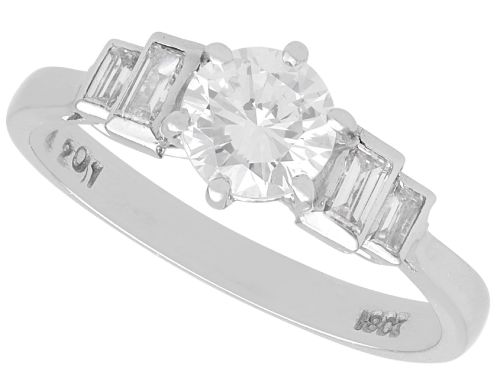
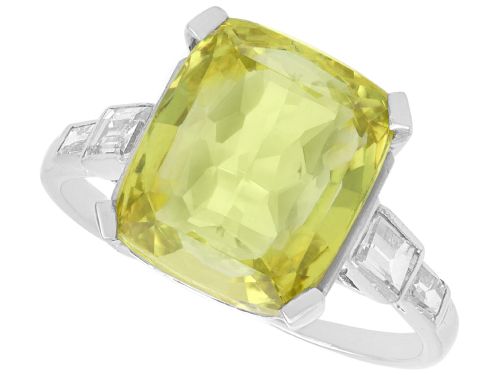
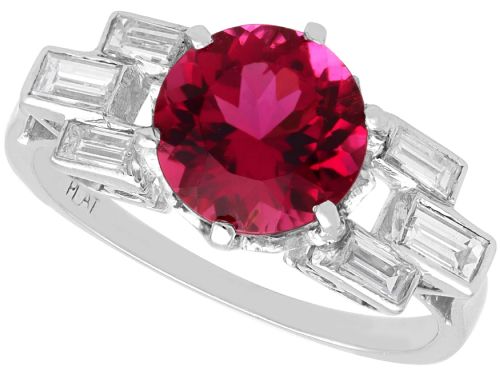
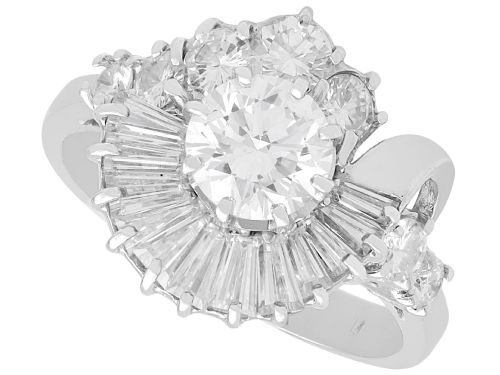
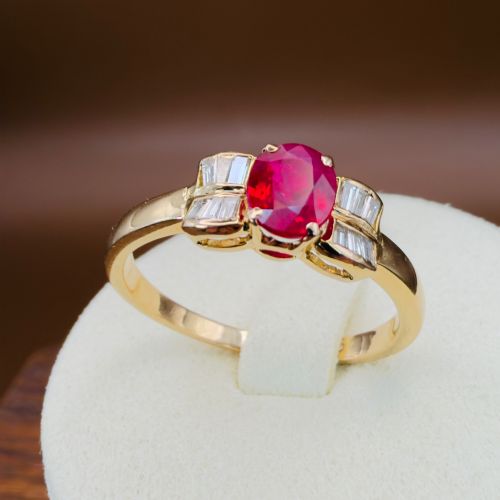
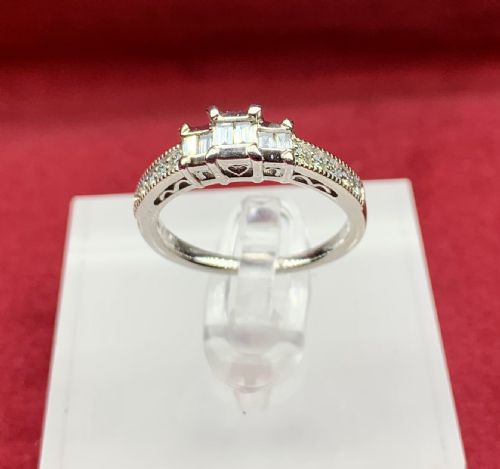
A vintage baguette diamond ring brings geometric clarity and understated elegance to the finger through stepped, rectangular stones.
Vintage Baguette Diamond Ring
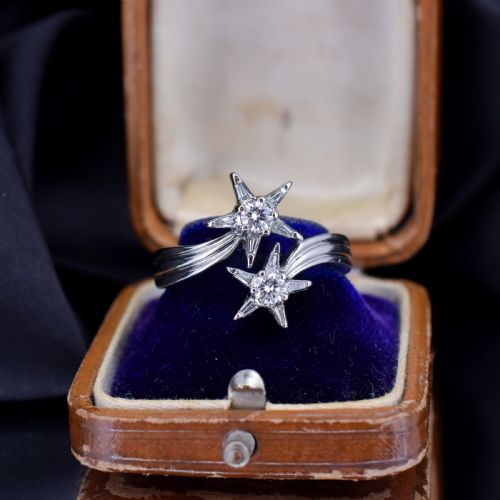
A vintage baguette diamond ring showcases step-cut rectangular diamonds prized for their clean lines and linear geometry. These pieces frequently appear in cocktail, cluster, engagement, and trilogy ring configurations.
The selections span from the Art Deco era through the mid-century period, reflecting shifts in twentieth-century design. Platinum and white gold mountings dominate the selection, often framing central diamonds alongside sapphires, emeralds, or aquamarines.
How They Were Made
Goldsmiths utilised platinum and 18ct white or yellow gold to construct durable settings capable of holding precise, channel-set or prong-set baguettes. The metalwork relies on hand-fabrication and casting techniques typical of the early to mid-twentieth century.
Step-cut faceting defines the baguette stone, requiring meticulous cutting by hand to achieve parallel facets that emphasise internal clarity over brilliant sparkle.
The primary gemstone configurations seen on this page include solitaires, clusters, trilogy settings, and full eternity bands.
What Varies in Quality
Quality differences rest in the precision of the stone matching and the architectural integrity of the metal setting. Evenly matched step-cut stones with crisp corners elevate a piece above those with irregular proportions.
The sophistication of the mounting also dictates worth, where intricate gallery work and secure flush-setting demonstrate superior craftsmanship from the workshop.
Boucheron
The Vintage Baguette Diamond Ring Glossary
- Baguette cut
- A small, rectangular, step-cut diamond with straight or tapered sides. This cut prioritises linear symmetry and transparency over high fire.
- Art Deco
- A design style spanning the 1920s and 1930s characterised by symmetry, geometric shapes, and stylised motifs. Pieces from this period frequently use platinum alongside calibre-cut gems.
- Cluster ring
- A ring featuring a central gemstone surrounded by a cluster of smaller stones. This arrangement maximises visual impact and light reflection.
- Trilogy ring
- A ring set with three stones, often interpreted to represent past, present, and future. Central diamonds are typically flanked by smaller diamonds or coloured gemstones.
- Step cut
- A diamond cutting style featuring long, parallel facets arranged in steps. It creates a hall-of-mirrors effect within the stone.
Vintage Baguette Diamond Ring: Frequently Asked Questions
What is a baguette diamond?
A baguette diamond is a small, rectangular step-cut stone with straight or tapered sides and truncated corners. Its parallel facets create a clean, architectural look rather than the fiery brilliance of a round brilliant cut.
These stones were widely adopted during the Art Deco period to form sharp geometric borders and linear accents around central gems.
How do I style a vintage ring?
Vintage rings with linear baguette stones pair easily with both modern minimalist bands and stacking rings of contrasting textures. Their low profile makes them comfortable for daily wear.
Consider the metal colour of your other jewellery when selecting white gold or platinum mountings to ensure a cohesive look.
Are these rings suitable for daily wear?
Platinum and 18ct gold settings provide strong structural support for daily wear, especially when paired with securely channel-set baguette stones. Regular checks by a jeweller help maintain prong integrity.
Removing the ring during heavy manual tasks preserves the delicate step-cut facets and metalwork.
How do I identify Art Deco pieces?
Art Deco pieces typically feature strict geometric symmetry, platinum settings, and precise calibrations of side stones like baguettes. Stylised motifs and stepped shoulders are also common indicators.
Many of these rings date from the 1920s and 1930s, displaying distinct craftsmanship from that era.