


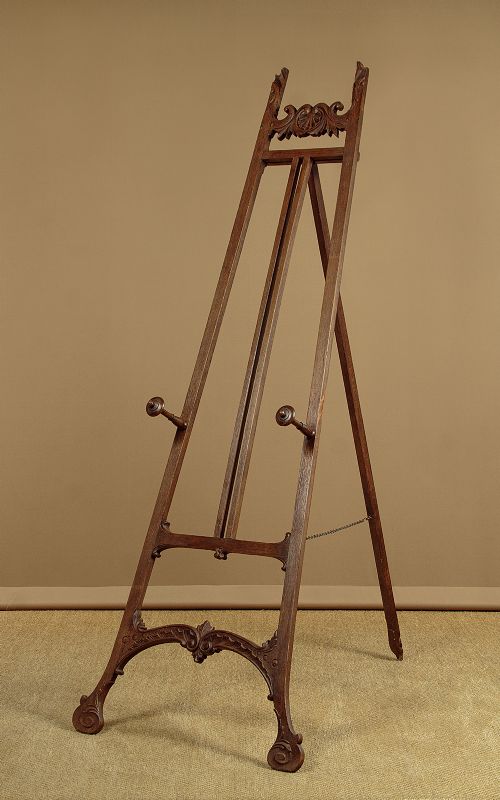


Vintage Artist Stand
A vintage artist stand serves the working studio or the gallery display, bringing functional timber and iron construction into active service.
Vintage Artist Stand
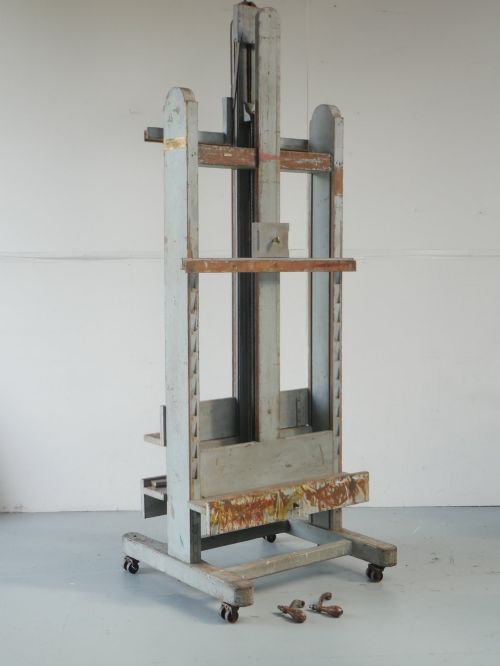
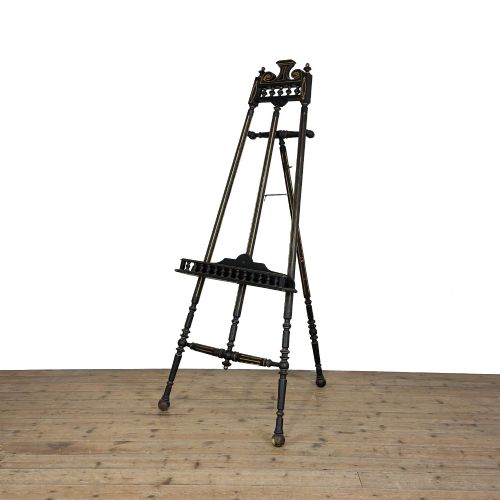
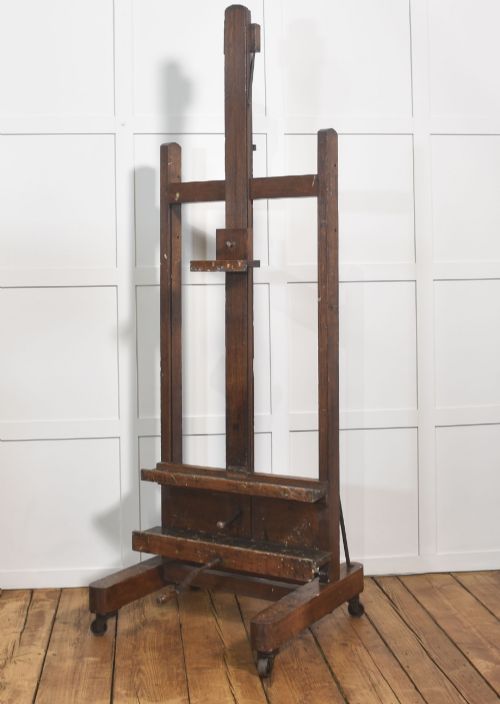
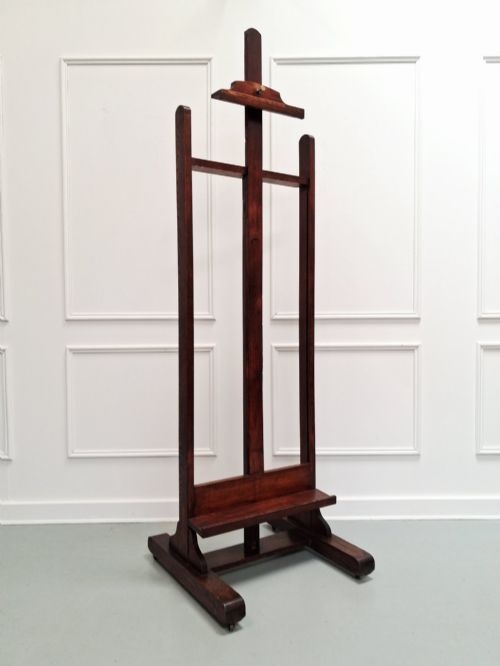
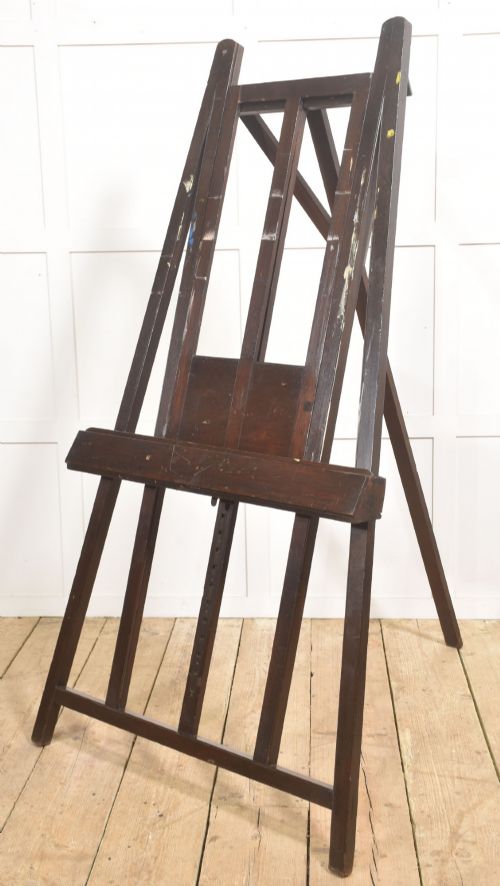
A vintage artist stand encompasses studio easels, folio stands, sculptors stands, and display pieces originating from periods ranging from the Georgian era through to the mid-twentieth century. Buyers seeking a vintage artist stand will encounter robust oak, mahogany, and pine frames designed originally for practical studio use or architectural drafting.
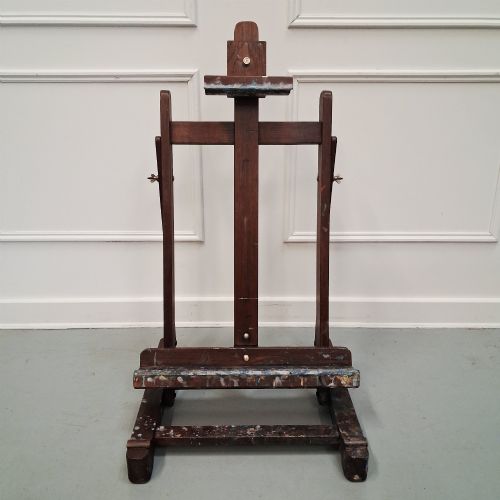
The selection ranges from large double-sided studio easels and fully adjustable oak frames to compact tabletop easels and Regency mahogany folio stands. Examples span various aesthetic expressions, including industrial, rustic utilitarian, and Victorian styles.
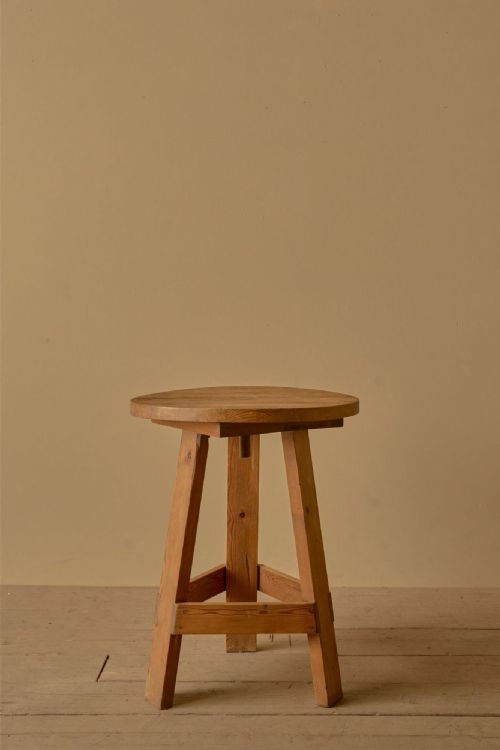
Many of these utilitarian items survive from the nineteenth and early twentieth centuries, reflecting the heavy demands of painters, sculptors, and architects. Pieces such as pine sculptors stands and bamboo display easels offer distinct forms suited to both workspace utility and interior presentation.
How they were made
Construction relies heavily on dense hardwoods like oak, mahogany, and walnut, alongside utility timbers such as pine and timber variants. Joinery is straightforward and robust, designed to support the weight of heavy canvases, stone, and large portfolios without flex.
Metal components in brass, cast iron, and iron provide the mechanical action for fully adjustable studio models, utilising winding handles, ratchets, and brackets. Surface finishes range from ebonised wood and ebony veneer with ivory inlay to original painted coats and polished mahogany.
Listings feature oak, mahogany, pine, walnut, brass, and cast iron across periods spanning from the Georgian era to the mid-twentieth century.
What varies in quality
The standard of a studio easel or folio stand rests upon the integrity of its mechanical adjustments and the density of its timber framing. Heavier, fully adjustable models with intact brass winding mechanisms and solid oak or mahogany construction sit at the upper end of the tier.
Simpler pine sculptors stands and lighter display pieces demonstrate more utilitarian craftsmanship, prioritizing function over refined cabinetmaking. Finer detailing, such as carved ornament, ebony veneers, or specialised ivory inlay, distinguishes exhibition gallery pieces from everyday workshop furniture.
The Vintage Artist Stand Glossary
- Studio Easel
- A heavy, floor-standing wooden frame designed to hold large canvases upright while an artist works. These pieces often feature mechanical winding handles and castors for mobility.
- Folio Stand
- A low, trough-like rack used to store and display large paper portfolios, prints, and architectural drawings. They are commonly constructed from mahogany or walnut.
- Sculptors Stand
- A heavy-duty rotating platform or pillar used to support clay or stone sculptures during creation. Pine and painted timber are typical materials for this form.
- Aesthetic Movement
- A late nineteenth-century design style emphasising visual beauty over narrative content, often featuring ebonised finishes. Pieces from this movement display clean lines and dark surfaces.
Vintage Artist Stand: Frequently Asked Questions
How do I choose the right easel?
Consider the primary function you intend for the piece within your space. Studio models suit large canvases, while tabletop versions fit smaller displays.
Examine the adjustment mechanisms to ensure they meet your practical requirements for height and angle.
What is a folio stand used for?
A folio stand provides an open storage solution for large paper items, prints, and maps. The slanted sides allow easy browsing of stored contents.
Artists and collectors utilise these racks to exhibit oversized books and loose works on paper.
How do I care for antique timber?
Maintain wooden frames by dusting them regularly with a dry cloth. Avoid placing them near direct heat sources to prevent the timber from splitting.
Occasional application of suitable wax helps preserve the finish of mahogany and oak surfaces.
Can I adjust a nineteenth-century easel?
Many nineteenth-century studio models incorporate mechanical winding systems or peg holes to alter the height of the central shelf. These brass and iron mechanisms allow for precise positioning.
Care should be taken when operating older metal ratchets to ensure smooth movement without forcing rusted parts.