
Vintage Art Painting
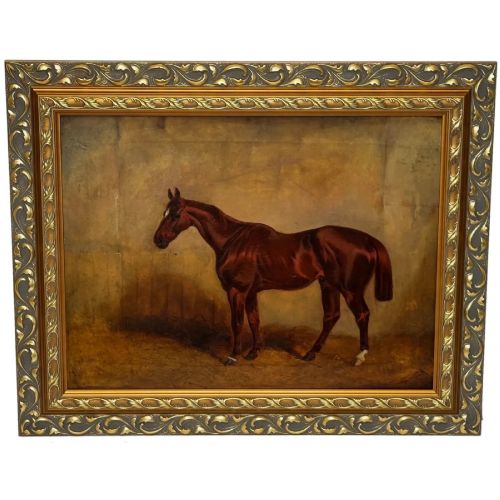
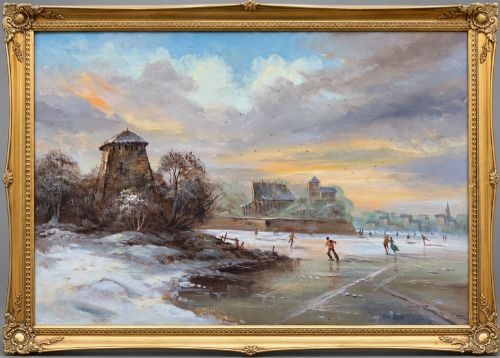
When you search for vintage art painting, you encounter centuries of brushwork, from Dutch winter landscapes to mid-century British equestrian scenes.
Vintage Art Painting
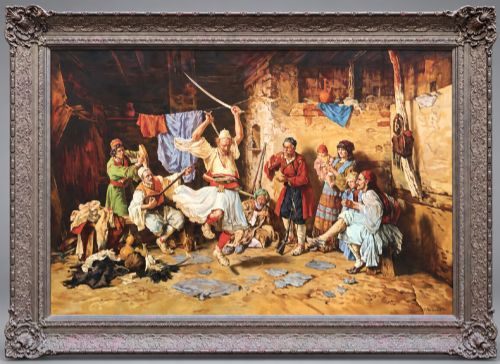
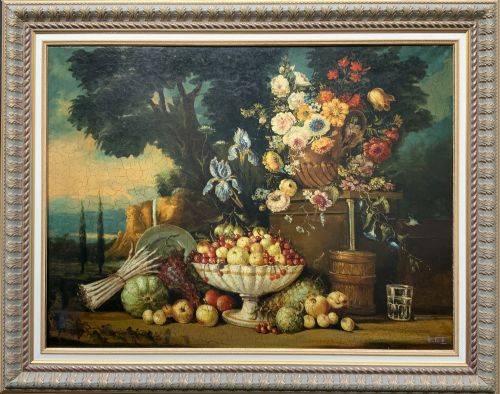
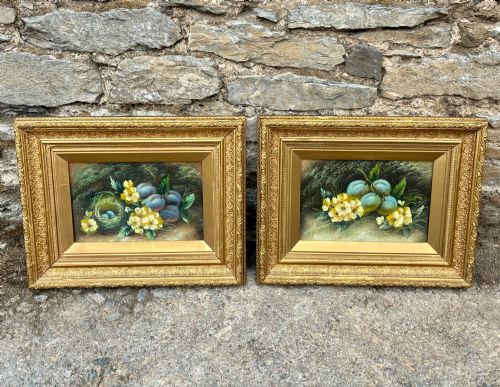
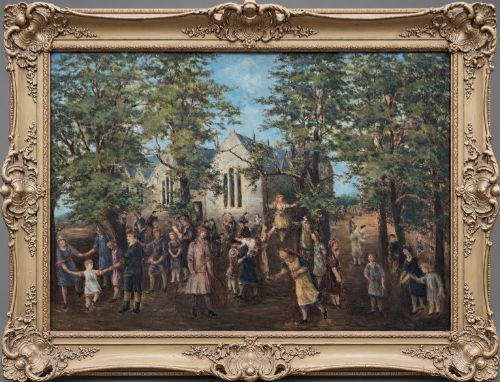
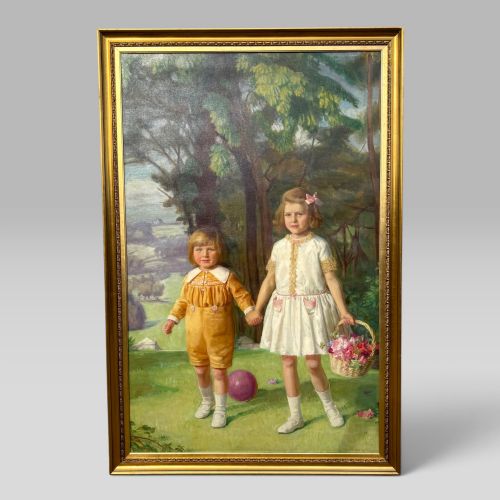
When you examine a vintage art painting, you are looking at diverse works spanning the eighteenth century through to the mid-twentieth century. The selection ranges from oil on canvas landscapes and portraits to delicate watercolour paintings and pastels on paper.
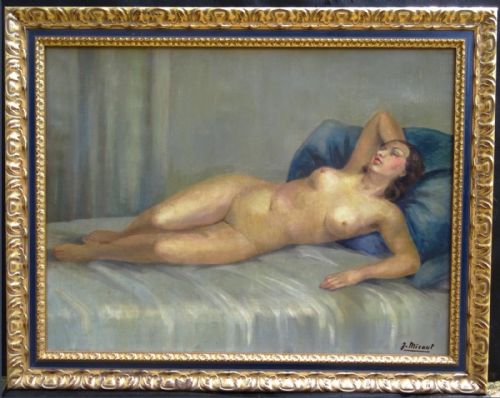
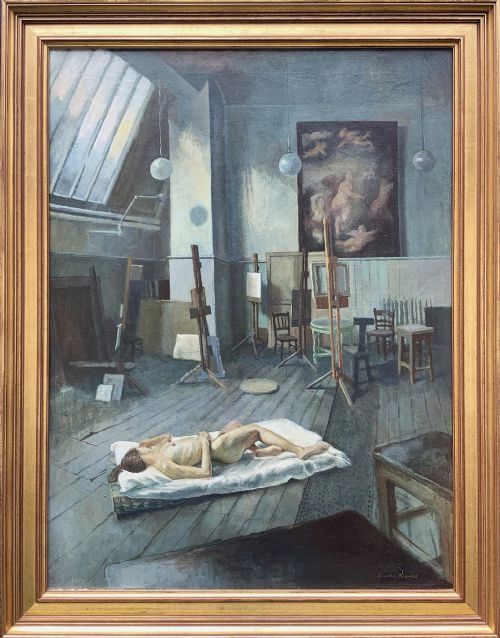
The version you are most likely to meet on this page is an oil painting on canvas or board, often depicting rural scenes, portraits, or maritime views. These pieces capture distinct periods including the Victorian era, Edwardian period, and mid-century modern movements.
Materials and construction
Artists relied primarily on oil paint applied to canvas or wood panels, alongside watercolours and pastels worked onto paper. Canvases frequently sit within deep giltwood and gesso frames, providing structural support and decorative depth.
Techniques vary from traditional European portraiture with fine glazes to looser mid-century brushwork and detailed botanical watercolours. Pigments adhere to surfaces prepared with traditional grounds, housed behind glass where works are executed on paper.
Several watercolours depict delicate flower fairies, bringing a touch of whimsical woodland folklore straight to the wall.
Distinguishing quality
Quality rests upon the sureness of the draftsmanship and the handling of light and atmosphere across the surface. A stronger piece demonstrates confident brushwork and anatomical or architectural precision, whereas lesser examples rely on formulaic execution.
The preservation of the original paint layer and the character of the framing also influence overall merit. Works retaining their untouched surface and contemporary gilt frames hold greater visual cohesion.
The Vintage Art Painting Glossary
- Oil on canvas
- Pigments bound in a drying oil applied to a woven fabric stretched across a wooden frame. This medium allowed artists to work with rich textures and blend colours directly on the support.
- Watercolour
- A painting method where coloured pigments are suspended in a water-soluble vehicle. Works on paper demand precise application since corrections remain difficult to conceal.
- Giltwood
- Wood carved and coated with gold leaf or a gold-coloured metallic finish. These decorative frames surround many period paintings to enhance their visual weight.
- Pastel
- A dry drawing medium consisting of powdered pigment and a binder. Artists utilise these sticks to achieve soft colour transitions on paper supports.
- Gesso
- A paint mixture consisting of a binder mixed with chalk, gypsum, or pigment. It serves as a prepared substrate for painting on wood panels or canvas.
Vintage Art Painting: Frequently Asked Questions
How do I hang an oil painting?
Ensure your wall supports the weight of the framed canvas securely using appropriate fixings.
Keep paintings away from direct sunlight and damp environments to protect the canvas and pigments.
What periods do these paintings cover?
The selections span from the eighteenth century through the nineteenth and twentieth centuries.
Pieces reflect distinct movements such as the Dutch Golden Age, Victorian realism, and mid-century modernism.
How should I clean a vintage painting?
Dust surfaces gently with a soft, dry brush without applying pressure to the paint or paper.
Avoid using water or liquid cleaners, and consult a professional conservator for deeper cleaning.
Are all the paintings framed?
Many pieces arrive within their period frames, such as deep giltwood or gesso mouldings.
Descriptions specify whether a work includes its original framing or is sold unmounted.