



Vintage Art Nouveau Frame
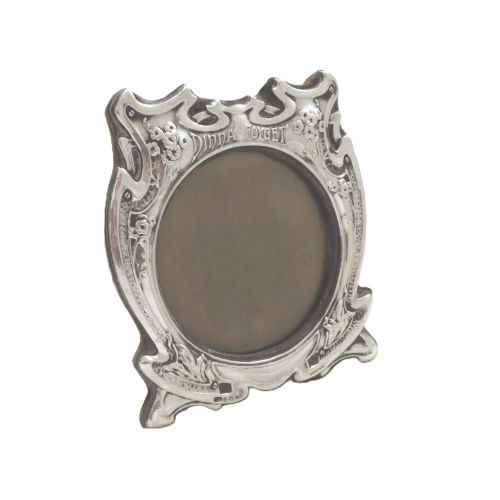
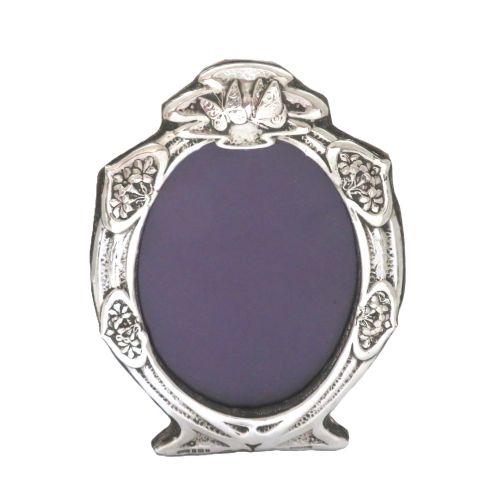
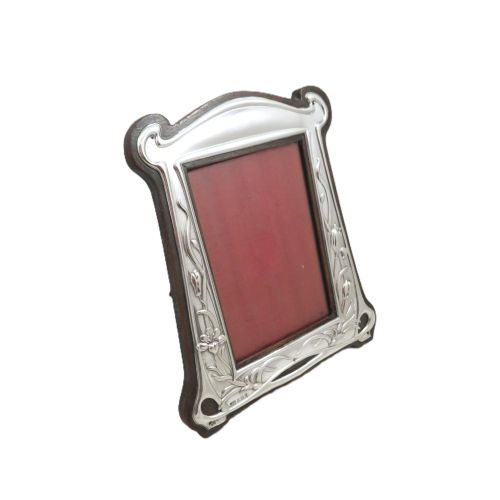
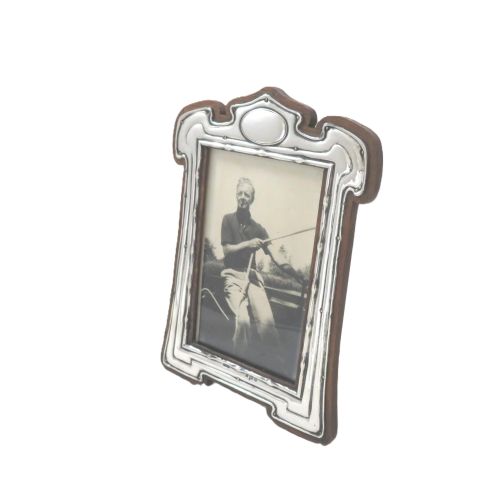
A vintage art nouveau frame brings organic curves and floral motifs to your walls, transforming a simple photograph or mirror into a design statement.
Vintage Art Nouveau Frame
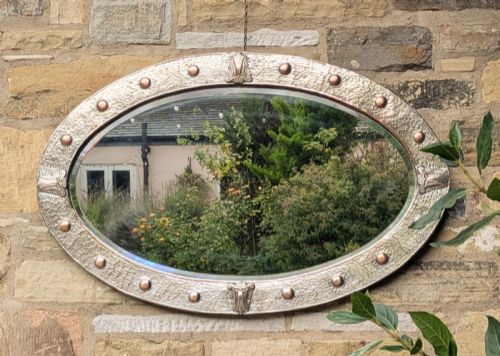
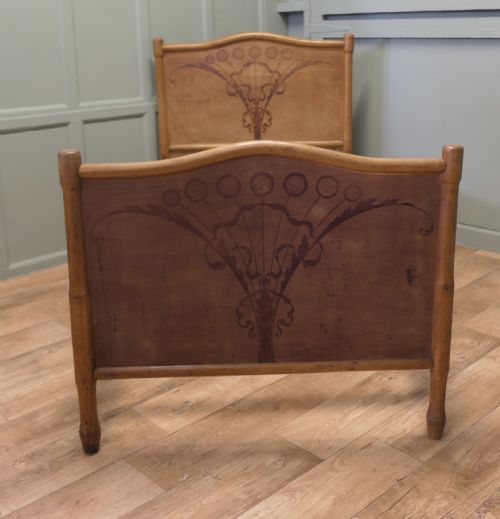
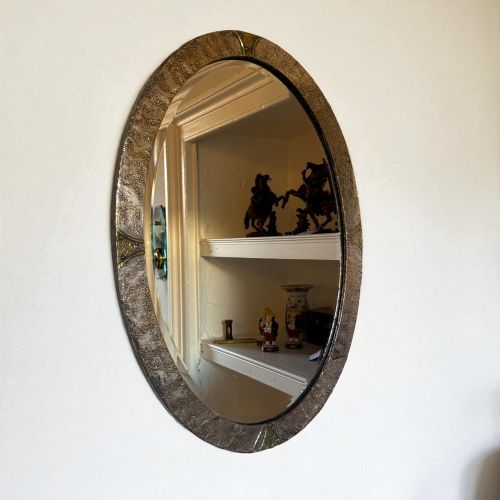
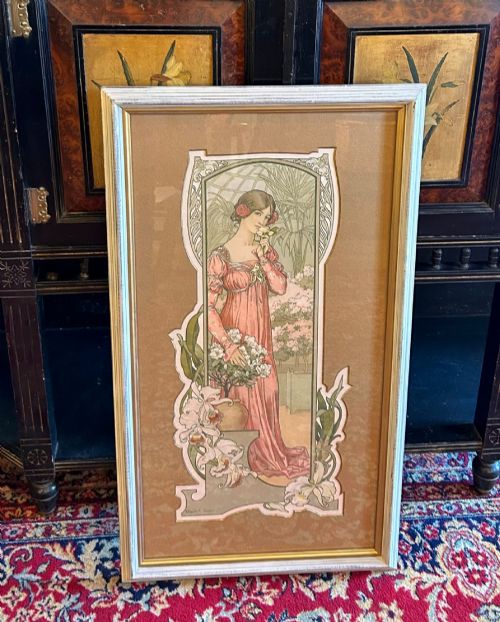
A vintage art nouveau frame encompasses picture frames, photo frames, and wall mirrors shaped by the flowing lines typical of the turn of the twentieth century. These pieces emerge from periods including the Victorian era, the Edwardian epoch, and the nineteen-hundreds, reflecting the widespread aesthetic shift towards natural forms.
Materials and Techniques
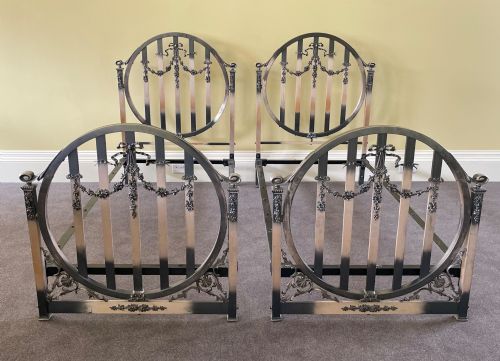
Metals form the structural core of many examples, utilising brass, copper, and cast iron alongside sterling silver for smaller desk accessories. Artisans hammered, plated, and cast these metals to achieve the undulating profiles characteristic of the style.
Wood and glass also feature prominently, with carved giltwood and mahogany providing substantial housing for mirrors and pictures. Makers integrated bevelled glass and incorporated organic motifs directly into the wooden mouldings.
Vintage Art Nouveau Frame Retail Price Guide 2026
Typical asking prices for vintage art nouveau frame among the pieces listed under this phrase on Sellingantiques today, from the lower quarter to the upper quarter. They describe what is for sale here now, not the wider market.
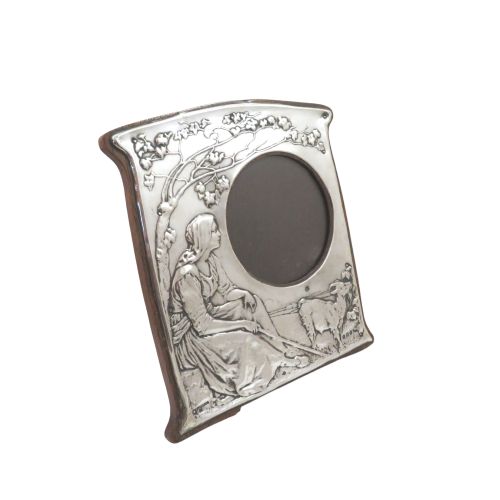
A goat stands beside a young girl on a gleaming silver border, permanently frozen in Edwardian pasture.
Assessing the Pieces
The definition and depth of the metalwork or wood carving separate standard items from finer works. Crisp detailing in cast brass, hand-beaten textures in copper, and substantial gauge sterling silver indicate greater workshop skill.
Maker attribution and material weight further distinguish the selection. Pieces bearing clear hallmarks or association with recognised firms display superior finish and more rigorous attention to structural joinery.
Jacob and Joseph Kohn·Liberty and Co·WMF·John Collard Vickery
The Vintage Art Nouveau Frame Glossary
- Sterling silver
- A silver alloy containing ninety-two point five percent pure silver by mass, frequently utilised for decorative photo frames.
- Bevelled glass
- Glass cut with an angled edge around the perimeter, adding depth and a prismatic reflection to mirrors.
- Hammered metal
- A surface texture achieved through manual strikes with a hammer, a technique favoured in Arts and Crafts metalwork.
- Giltwood
- Wood that has been treated with a thin layer of gold leaf or gilt paint, seen on ornate mirror and picture frames.
Vintage Art Nouveau Frame: Frequently Asked Questions
How do I clean sterling silver frames?
Use a soft microfiber cloth and a gentle, non-abrasive silver polish to maintain the shine without wearing down the raised botanical details. Avoid harsh chemical dips that can strip the dark oxidation intentionally left in the recesses.
Store the frame away from direct sunlight and damp environments to prevent tarnishing and protect any original wooden or velvet backing boards from warping.
Can these frames hold modern photos?
Most photo frames accommodate standard modern photographic prints, though older apertures may occasionally require slight trimming to fit neatly. Check the internal dimensions before placing a picture inside.
Take care when opening the easel backs, as vintage hinges and turn-buttons can become brittle over decades of use.
Where should I hang a metal mirror?
Mount the mirror on a structurally sound wall using appropriate fixings that match the weight of the brass, copper, or iron frame. Consider the room lighting to ensure the bevelled glass and metallic surfaces catch the natural light effectively.
Keep heavy wall mirrors away from high-moisture areas unless the backing and frame sealing are specifically designed to withstand humidity.
How do I identify this period?
Look for characteristic design elements such as whiplash curves, stylised flower stems, and female profiles integrated into the metalwork or wood moulding. These motifs distinguish the turn-of-the-century aesthetic from earlier Victorian rigidity.
Examine any hallmarks, stamps, or backstamps on the metal to verify the manufacturing period and country of origin.