





Vintage Art Nouveau Decor
Vintage art nouveau decor brings organic fluid lines and floral motifs into interiors through glass, metal, and framed works.
Vintage Art Nouveau Decor
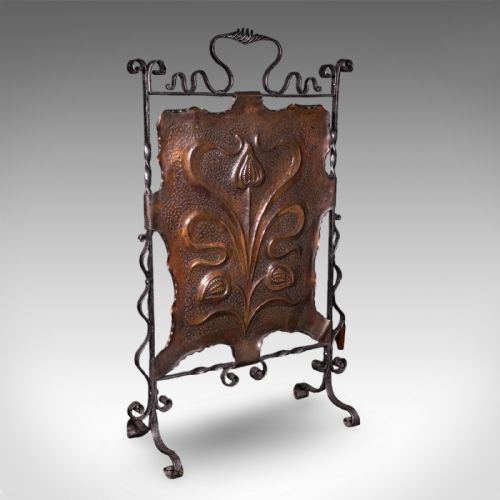
Vintage art nouveau decor encompasses domestic objects and display pieces created primarily around the turn of the twentieth century. The selection ranges from iridescent glass vases and metal desk accessories to picture frames, fire screens, and decorative bowls.
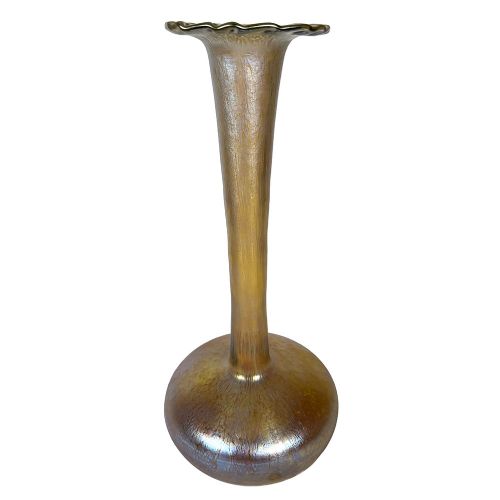
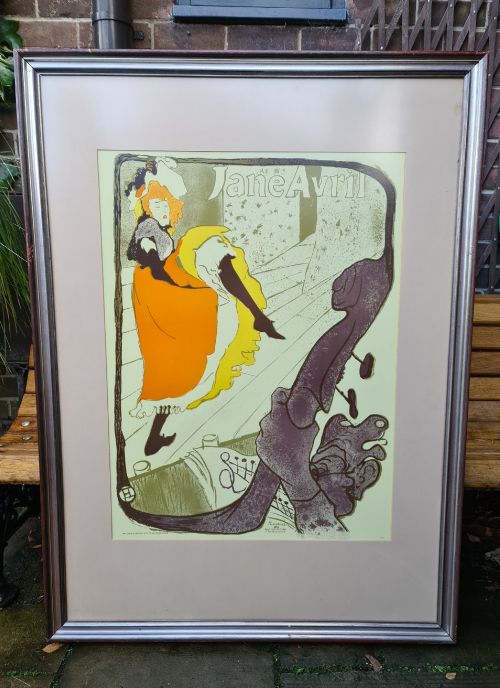
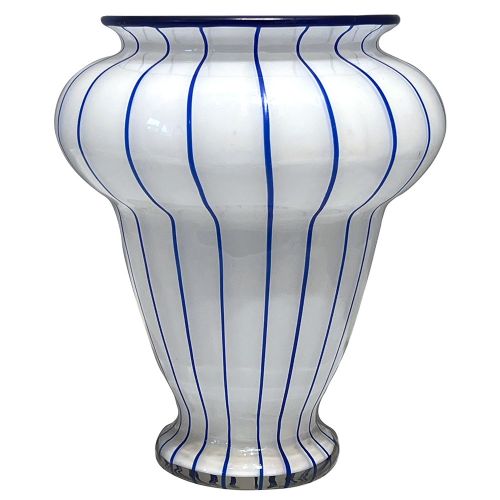
Vases dominate the offerings, particularly iridescent glass examples attributed to makers like Loetz, alongside metalware and framed posters. Pieces span periods from the nineteenth century into the early decades of the twentieth century, reflecting varied European workshops.
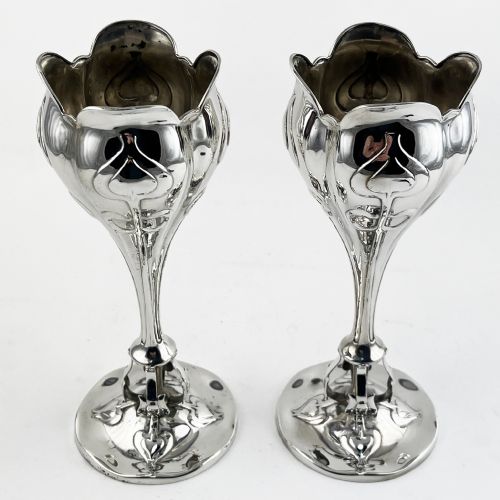
The aesthetic draws heavily on natural forms, featuring sinuous curves and plant-inspired motifs executed in materials such as copper, pewter, glass, and wood. Collectors encounter both strict Art Nouveau designs and related Arts and Crafts or Secessionist interpretations.
Materials and construction
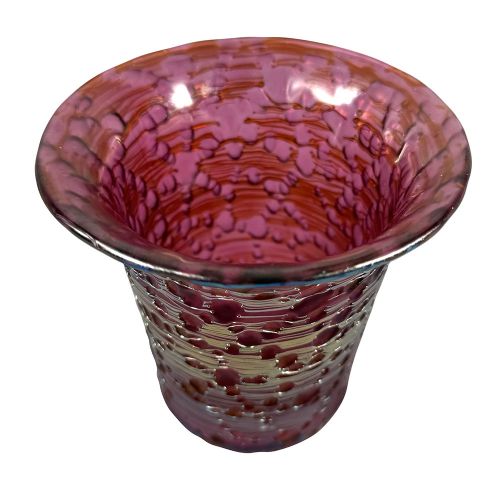
Makers utilised molten glass techniques to achieve iridescent surfaces, organic vessel shapes, and applied decorative stripes. Metal objects relied on worked copper and pewter, often combined with enamel inlays or patinated finishes.
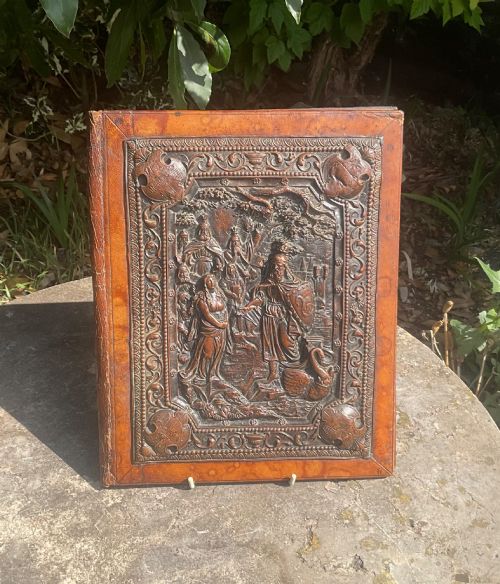
Frames and structural elements employed wood, gilded gesso, alabaster, and leather. Surface decoration balanced metallic patination with the lustrous optical effects of hand-blown and opal glass.
Vintage Art Nouveau Decor Retail Price Guide 2026
Typical asking prices for vintage art nouveau decor among the pieces listed under this phrase on Sellingantiques today, from the lower quarter to the upper quarter. They describe what is for sale here now, not the wider market.
Glassmakers achieved magical iridescent sheens by spraying hot vessels with metallic salts, accidentally capturing captured rainbows in the workshop.
Assessing quality in the pieces
Quality rests on the sophistication of the design execution and the handling of materials, such as the depth of iridescence in glass or the crispness of detail in metalwork and frames. Named designers and established glassmakers distinguish exceptional examples from standard production.
The integrity of the form and the preservation of original patinas, enamels, or gilding dictate the standing of an object. Finer pieces display harmonious proportions between organic motifs and the underlying medium.
Loetz·Wagner Lohengrin·Archibald Knox·Liberty and Co
The Vintage Art Nouveau Decor Glossary
- Iridescent glass
- Glass treated with metallic salts while hot to produce a rainbow sheen on the surface. This technique created the shifting colour effects seen on turn-of-the-century vases and bowls.
- Secessionist
- An early twentieth-century Central European artistic movement favouring geometric simplification alongside organic motifs. It appears in certain glass and metalwork designs from the period.
- Gesso
- A plaster-like mixture applied to wood surfaces as a base for moulding and gilding. It formed the decorative relief work on period picture frames.
- Pewter
- A malleable metal alloy containing tin that was widely cast and hammered for candlesticks and decorative vessels during the Arts and Crafts era.
- Papillon decor
- A specific feathered iridescent glass surface pattern associated with Loetz production. It creates a mottled, insect-wing appearance across the vessel.
Vintage Art Nouveau Decor: Frequently Asked Questions
What defines art nouveau decor?
Art nouveau decor is characterised by flowing, asymmetric lines inspired by natural plant and floral forms. These designs emerged strongly around nineteen hundred across glass, metal, and paper.
The movement rejected rigid Victorian symmetry in favour of whiplash curves and organic silhouettes applied to everyday household objects.
How do I identify Loetz glass?
Loetz glass is recognised by its distinctive iridescent finishes, organic vessel shapes, and specific decors like papillon or orbulin. The glass exhibits shifting metallic sheens and complex thermal surface treatments.
Many pieces lack visible signatures, requiring stylistic comparison with documented archive examples to confirm attribution.
What is Tudric pewter?
Tudric pewter was a brand name used by Liberty and Company for pewter wares designed largely by artists associated with the Arts and Crafts movement. These items often incorporate stylised plant motifs and enamel cabochons.
The metal was cast and finished to highlight organic textures and geometric restraint typical of early twentieth-century British design.
Where should I display glass vases?
Iridescent glass vases benefit from placement near natural light sources to fully reveal their shifting metallic colours and surface textures. Shelving with neutral backgrounds allows the sinuous profiles to stand out clearly.
Positioning pieces away from high-traffic household areas protects fragile rims and delicate applied elements from accidental knocks.