




Vintage Art Easel
A vintage art easel holds works in progress or finished canvases with utilitarian grace, bringing authentic studio character into domestic rooms.
Vintage Art Easel
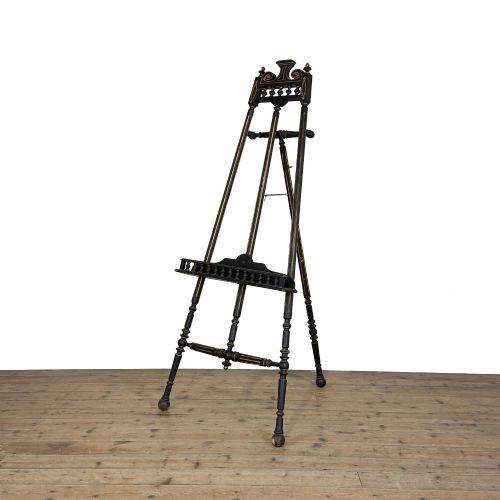
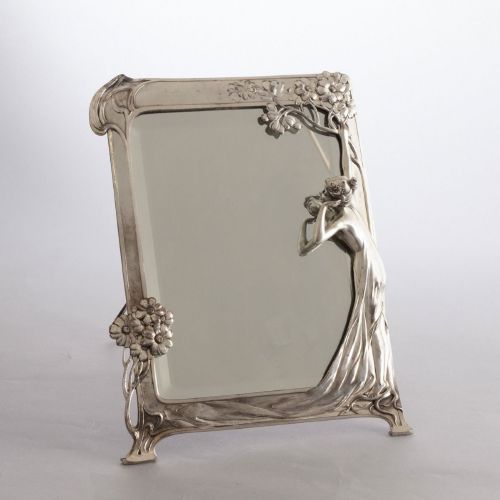
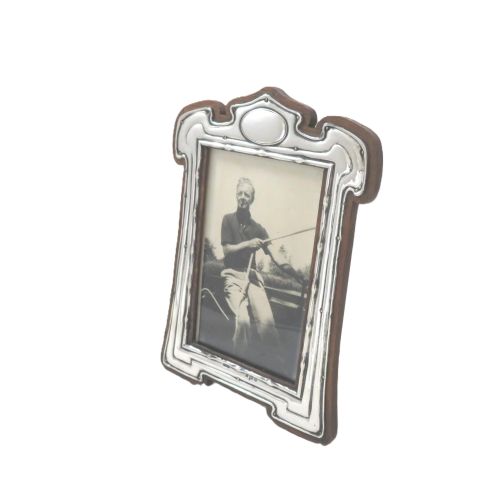
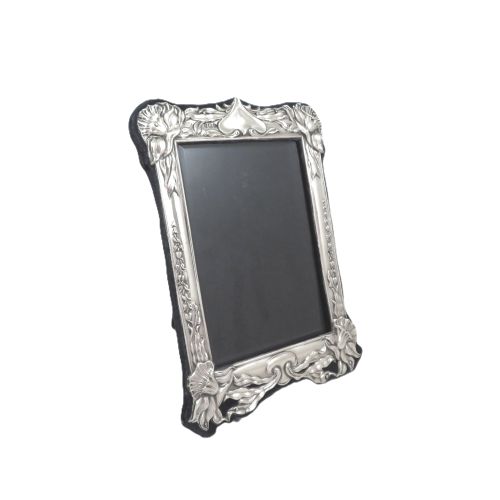
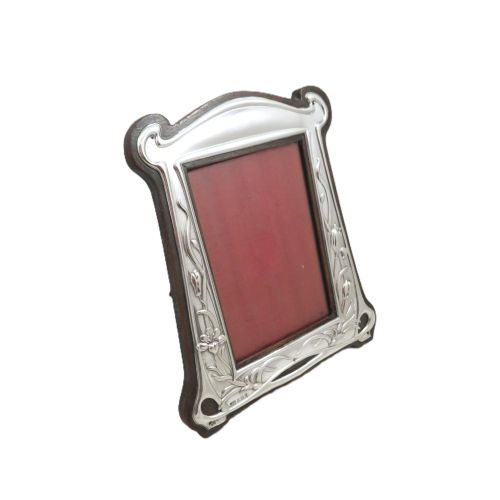
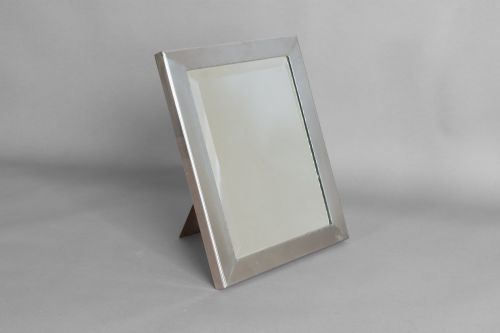
A vintage art easel encompasses robust studio supports alongside smaller tabletop items, picture frames, and vanity mirrors sharing the characteristic rear support strut. Buyers investigating a vintage art easel encounter sturdy nineteenth-century mahogany and oak constructions designed for practical workshop use, alongside lighter decorative variants.
Construction and Materials
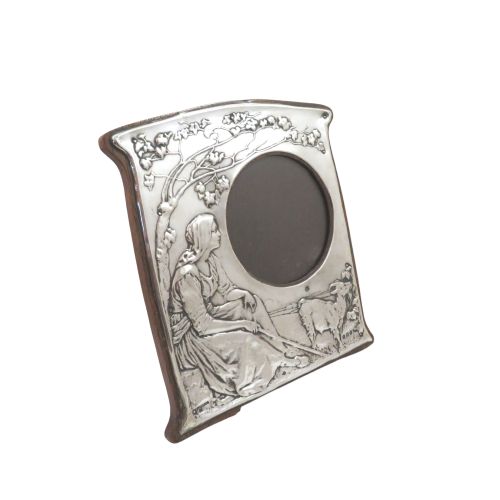
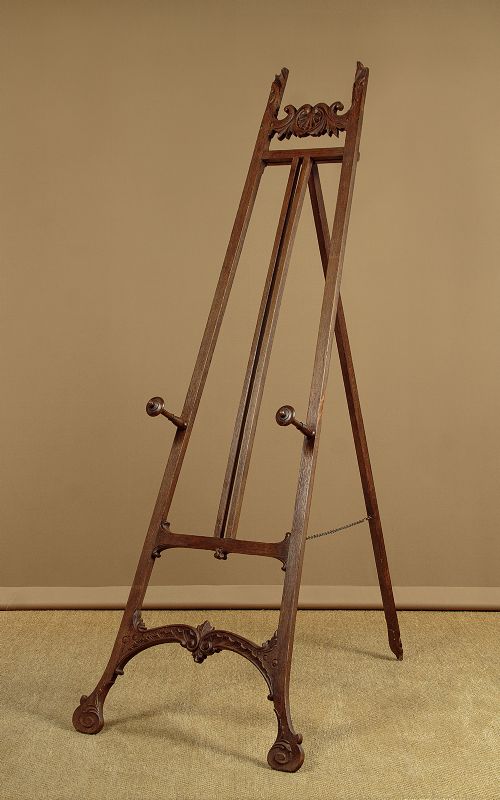
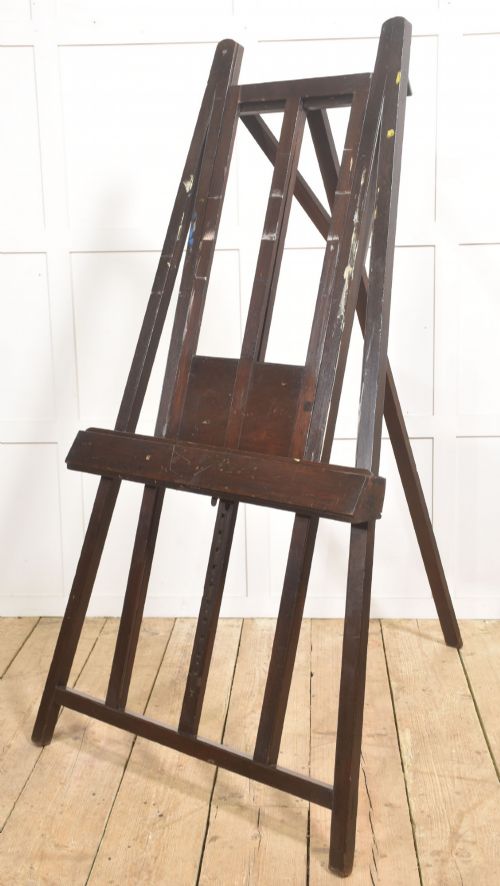
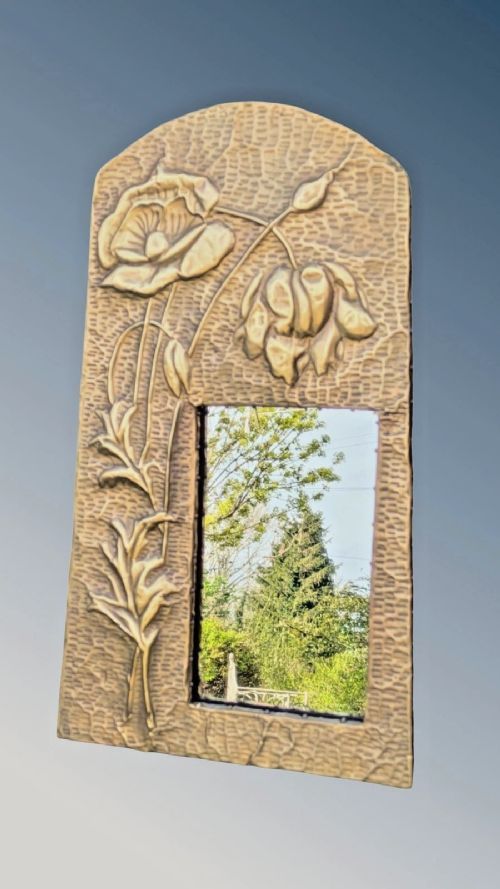
The evidence records substantial hardwoods including oak and mahogany employed for large studio and gallery easels, often featuring adjustable pegs and winding mechanisms. Metal elements appear in brass, pewter, and sterling silver, frequently shaped through repoussé work or finished with silver plating.
Tabletop and smaller display pieces incorporate decorative techniques such as champlevé enamel, engine-turning, ebonising, and ivory inlay upon walnut and ebony veneers. Glass provides the necessary backing for associated mirrors and photograph frames.
Vintage Art Easel Retail Price Guide 2026
Typical asking prices for vintage art easel among the pieces listed under this phrase on Sellingantiques today, from the lower quarter to the upper quarter. They describe what is for sale here now, not the wider market.
Distinctions in Quality
Quality rests upon the integrity of the timber, the precision of mechanical adjustments on large studio frames, and the crispness of detail in metalwork. Substantial mahogany or oak studio pieces demonstrate joinery designed to bear heavy weight under working conditions.
Tabletop and silver items reveal distinction through the depth of repoussé ornamentation, hallmarks, and the preservation of original glass or enamel panels. Mass-produced items contrast with marked silver pieces and bespoke studio carpentry.
WMF·Smiths Clockmakers·Deakin & Francis
The Vintage Art Easel Glossary
- Repoussé
- Metalworking technique where the metal is hammered from the reverse side to form a raised design in relief. This method defines the surface ornamentation on many Edwardian brass and silver dressing table pieces.
- Champlevé enamel
- Process where troughs or cells are sunk into the surface of a metal object and filled with vitreous enamel before firing. It creates vibrant coloured patterns on miniature clocks and decorative frames.
- Ebonised
- Wood finished to resemble ebony through staining or painting dark. This treatment appears on nineteenth-century aesthetic style frames and display stands.
- Engine-turned
- Geometric pattern mechanically engraved into a metal surface. This finish provides texture and visual depth on twentieth-century silver picture frames.
- Strut easel
- A frame or mirror supported by a hinged leg extending from the back. This mechanism allows small tabletop objects to stand upright securely.
Vintage Art Easel: Frequently Asked Questions
How do I use a vintage art easel at home?
Large studio easels accommodate contemporary canvases or framed artwork, serving as functional focal points in living spaces or home offices. Tabletop versions and silver easel frames display photographs, small mirrors, or books on desks and mantelpieces.
Adjustable mechanisms on floor models allow you to alter the height and angle of displayed items easily. Smaller pieces require simple placement on flat surfaces where the rear strut can support the weight safely.
What is the difference between a studio easel and a display easel?
Studio easels are heavy, utilitarian structures built from woods like mahogany and oak to hold canvases firmly during the painting process. They feature robust adjustable masts and pegs designed for practical artistic work.
Display easels, conversely, prioritise decorative appearance. They often incorporate brass, silver plating, or intricate carved details intended to showcase finished art, photographs, or vanity mirrors in a domestic setting.
How do I identify the period of an easel?
Dating relies on stylistic clues and construction materials matching the Victorian, Edwardian, Art Nouveau, and Art Deco eras. Silver components often carry hallmarks with date letters that pinpoint the exact year of manufacture.
Cabinetry details provide further context, such as the dark woods and ebonised finishes typical of nineteenth-century aesthetic pieces. Twentieth-century examples frequently display streamlined modernist lines or geometric engine-turning.
Can these easels support heavy modern paintings?
Large nineteenth-century mahogany and oak studio easels are engineered to bear significant weight and easily support substantial contemporary canvases. Their original purpose demanded structural strength for working artists.
Tabletop and decorative silver frames are built for lighter items such as photographs or small mirrors. Assessing the sturdiness of the base and the rear support strut will indicate whether a specific piece suits a heavy frame.