

Vintage Art Display
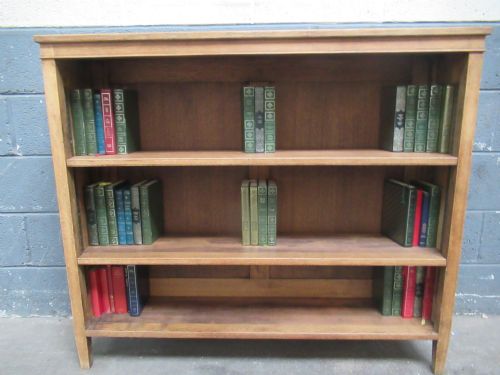
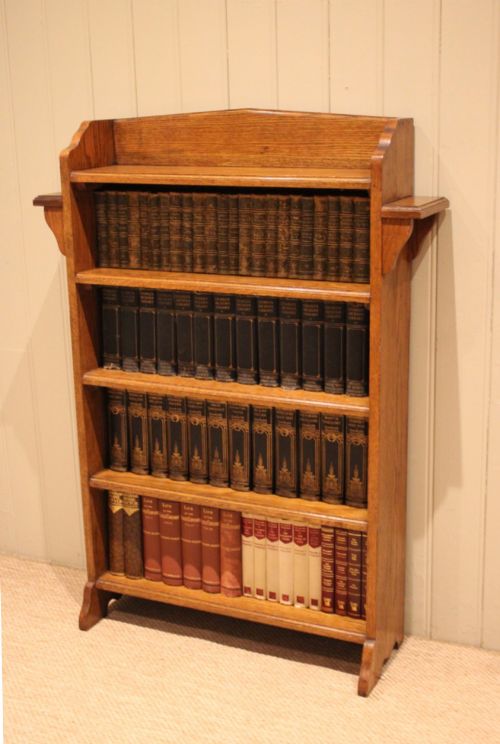
These pieces of vintage art display bring together oak and walnut cabinets, bookcases and tables spanning the late Victorian period to the 1940s.
Vintage Art Display
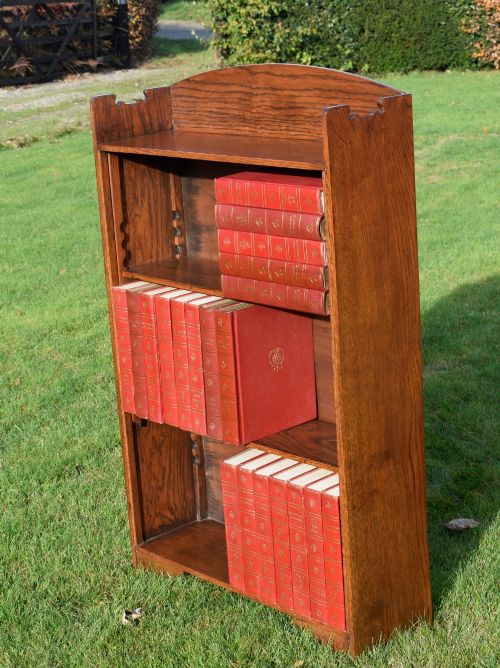
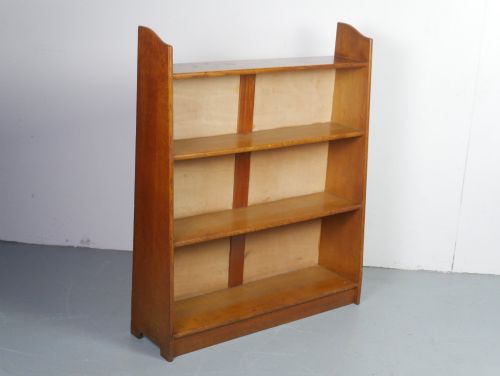
When you search for vintage art display, you encounter practical furniture designed to showcase books, ceramics and decorative objects within domestic spaces. The selection includes bookcases, display cabinets and side tables from the Victorian era through the 1940s.
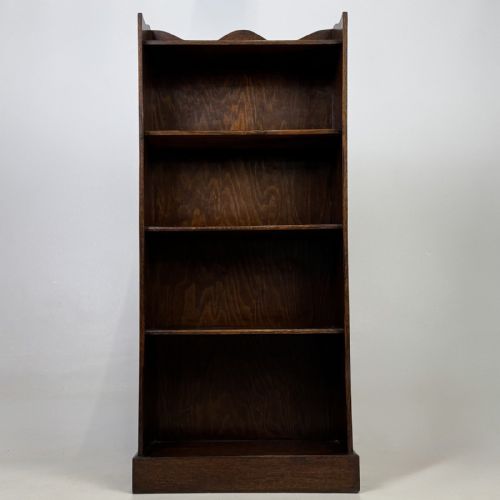
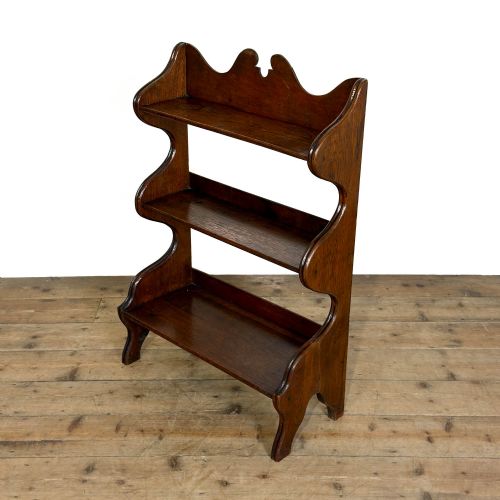
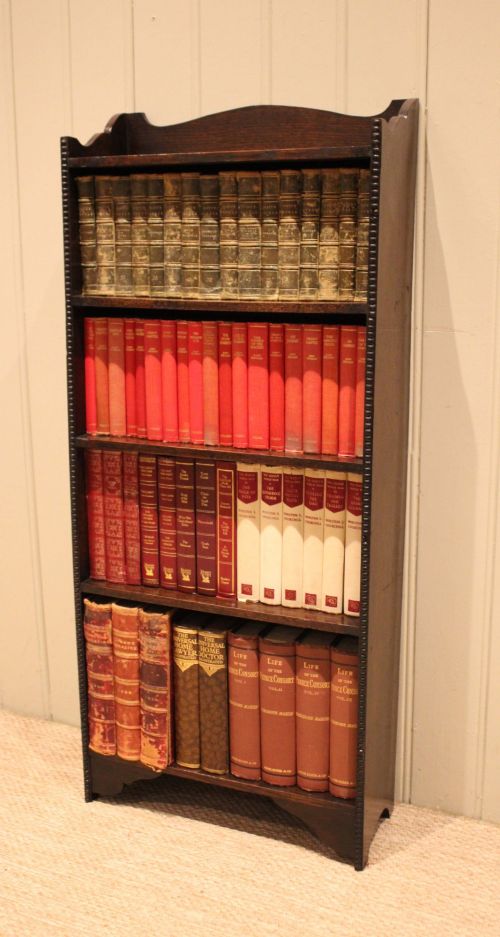
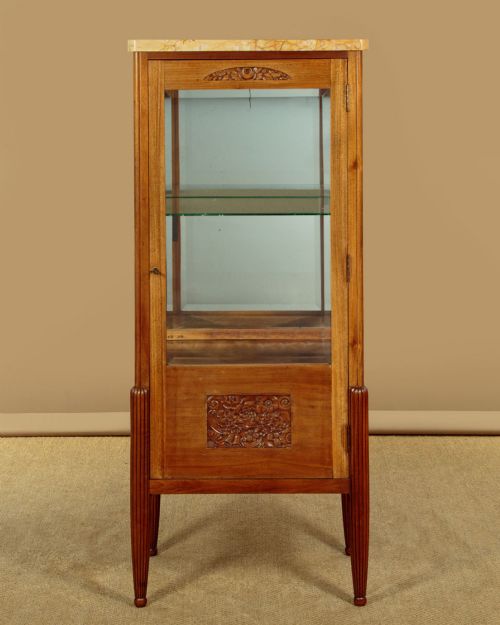
Oak and mahogany versions from the Edwardian period and Arts and Crafts movement appear frequently alongside walnut and ash pieces from the Art Deco years. Forms range from floor-standing glazed cabinets to compact plant stands and occasional tables.
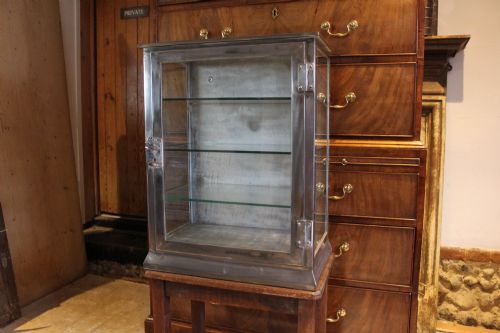
Makers such as E Gomme and Liberty contributed to this category, alongside utilitarian shop display fixtures and specialised wall cabinets. These items reflect the shifting interior tastes of the early twentieth century, prioritising glazed panels and open shelving.
How they were made
Makers utilised solid timbers such as oak, walnut, mahogany and satin birch, frequently finishing surfaces with figural veneers or ebonisation. Construction methods involved pegged joints and brass hardware, supporting leaded or clear glass panels in doors and side panels.
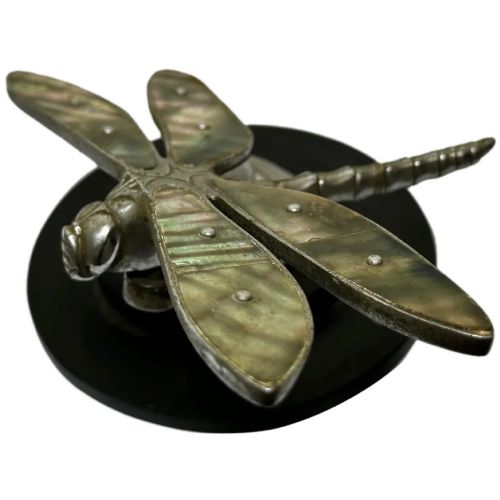
Decorative elements relied on inlaid contrasting woods, carved linenfold panels and raised galleries. Metal components including brass scroll bases and lead detailing provide structural reinforcement and visual contrast to the timber frames.
Vintage Art Display Retail Price Guide 2026
Typical asking prices for vintage art display among the pieces listed under this phrase on Sellingantiques today, from the lower quarter to the upper quarter. They describe what is for sale here now, not the wider market.
Listings feature oak, walnut, mahogany and brass across the Edwardian and Art Deco periods.
What varies in quality
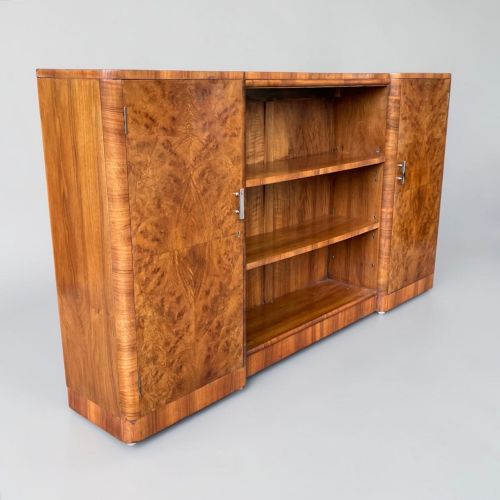
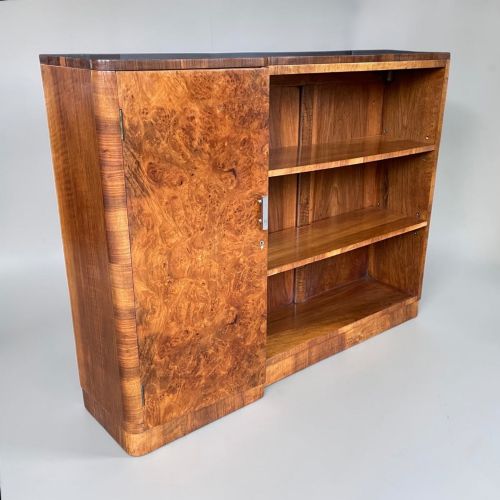
The degree of material selection dictates the visual impact, distinguishing simple utility pieces from ambitious commissions utilising figured walnut, amboyna or rosewood veneers. Grain alignment and the integration of marquetry or inlaid borders show the maker's hand.
Structural integrity depends on the quality of joinery, from pegged mortise and tenon joints in Arts and Crafts furniture to the housing of leaded glass in Art Deco cabinets. Original hardware, intact glazing and balanced proportions elevate the execution of each piece.
E Gomme·Liberty·Moorcroft
The Vintage Art Display Glossary
- Arts and Crafts
- A design movement prioritising visible construction, honest materials and simple forms often executed in oak. It emerged in the late nineteenth century as a reaction against industrial mass production.
- Art Deco
- A style spanning the 1920s and 1930s characterised by geometric symmetry, streamlined shapes and polished veneers like walnut and ash. It embraced modernity and sleek display surfaces.
- Linenfold
- A carved wood panel motif resembling folded fabric or linen, frequently seen on Edwardian cabinet doors. This decorative technique adds texture to flat wooden surfaces.
- Leaded glass
- Small panes of glass held together by strips of lead cames, commonly utilised in cabinet doors of the early twentieth century. It creates segmented views of stored books and ceramics.
- Plant stand
- A tall, slender piece of furniture designed to elevate decorative pots and vases, often featuring marble tops or tiered platforms. These items make use of vertical space in domestic interiors.
Vintage Art Display: Frequently Asked Questions
What is a bureau bookcase?
A bureau bookcase combines a writing slope with enclosed shelving behind glazed or solid doors, offering dual functionality for study and display.
These pieces integrate storage and presentation within a single tall cabinet footprint, appearing frequently in oak and walnut from the early twentieth century.
How do I identify Art Deco furniture?
Art Deco furniture relies on symmetrical geometries, stepped forms and rich veneers such as figured walnut, rosewood and satin birch. These pieces often lack heavy carving, substituting smooth surfaces and polished finishes.
Cabinets and bookcases from this period present streamlined silhouettes that suit modern interiors while providing enclosed display space.
Where were plant stands used?
Plant stands occupied corners and window spaces in Victorian and Edwardian rooms to elevate potted greenery and decorative vases. Their elevated platforms brought nature into domestic living areas.
Versions range from marble-topped brass scroll bases to multi-tiered wooden stands designed for visual symmetry.
What defines an easel?
An easel is a standing or tabletop frame originally built to support paintings or display boards during creation or exhibition. Ebonised aesthetic styles and oak folding frames served domestic display purposes.
These structures hold decorative plates, photographs or artwork on tabletops and floors without requiring wall mounting.