





Vintage Apothecary Glass Jar
These vintage apothecary glass jar pieces bring utilitarian pharmacy history into modern rooms through heavy hand-blown glass and historic labels.
Vintage Apothecary Glass Jar
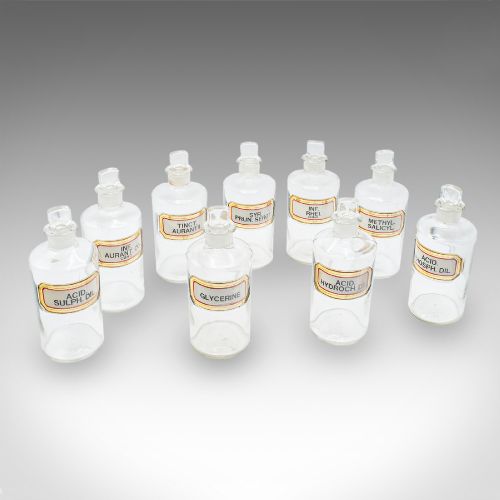
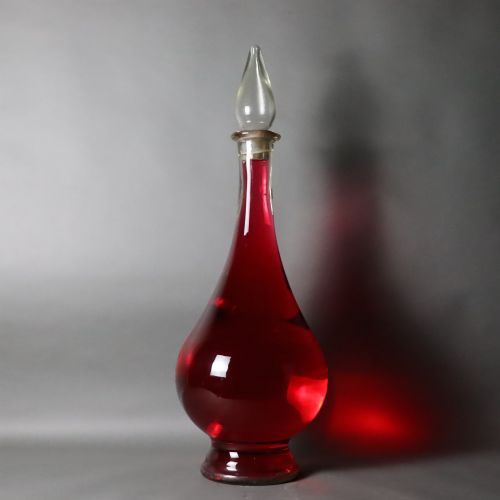
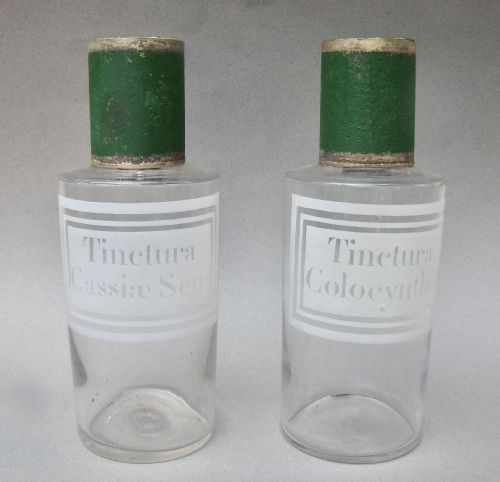
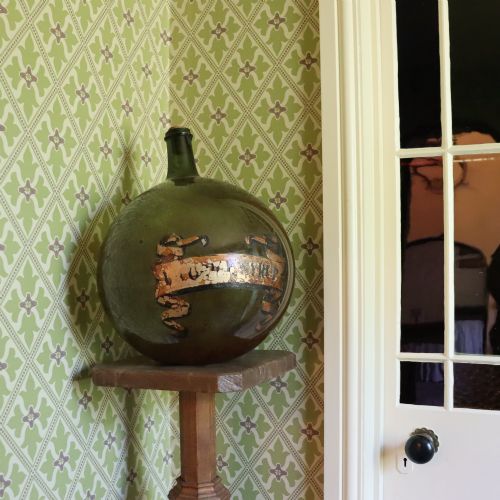
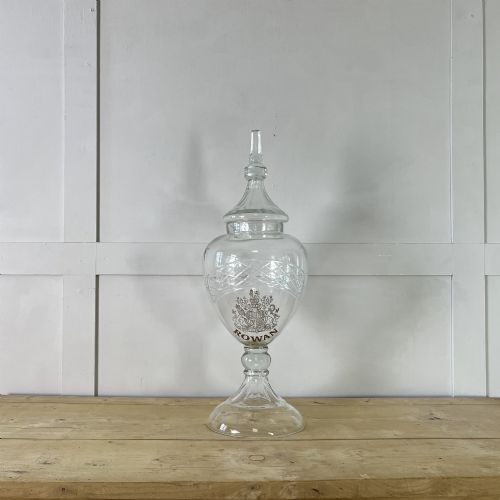
A vintage apothecary glass jar encompasses heavy glass pharmacy vessels, chemist carboys, and lidded storage containers originating from the nineteenth and early twentieth centuries. These functional pieces range from large display carboys designed for shop windows to smaller tincture bottles and labelled storage jars.
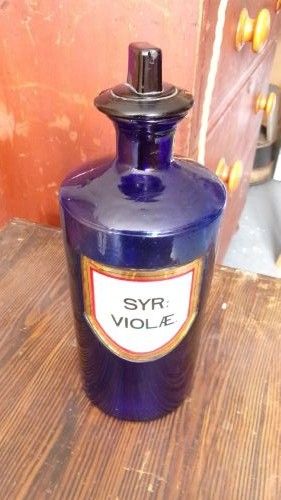
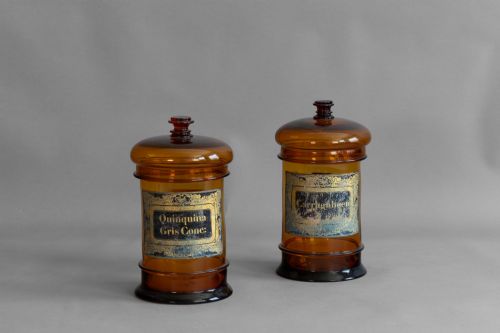
Buyers are most likely to encounter Victorian and Edwardian examples on this page, alongside French nineteenth-century vessels and Georgian pieces. Forms span from simple clear glass cylinders to vibrant Bristol blue and amber storage jars fitted with matching stoppers.
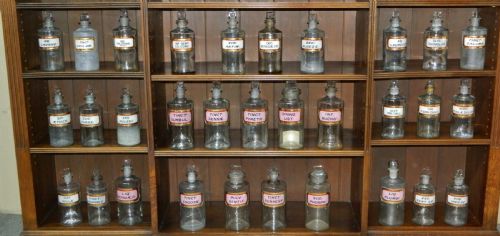
Many of these containers retain original paper or enamel labels denoting medical contents such as arrowroot or gelatine, while others function as converted table lamps.
How they were made
Production relied on traditional hand-blowing techniques, resulting in characteristic unevenness, bubbles, and pontil marks across the glass body. Workers shaped molten material into heavy vessels designed to withstand daily chemical storage in pharmacies and laboratories.
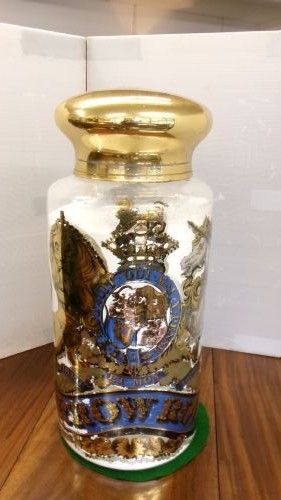
Decoration involved etching, gold leaf application, and hand-painted enamel labels directly onto the glass surface. Stoppers were individually ground to fit specific bottle necks, creating a tight seal for contents.
Vintage Apothecary Glass Jar Retail Price Guide 2026
Typical asking prices for vintage apothecary glass jar among the pieces listed under this phrase on Sellingantiques today, from the lower quarter to the upper quarter. They describe what is for sale here now, not the wider market.
The listings span the Georgian, Victorian, and Edwardian eras, incorporating French nineteenth-century designs alongside English pharmacy ware.
What varies in quality
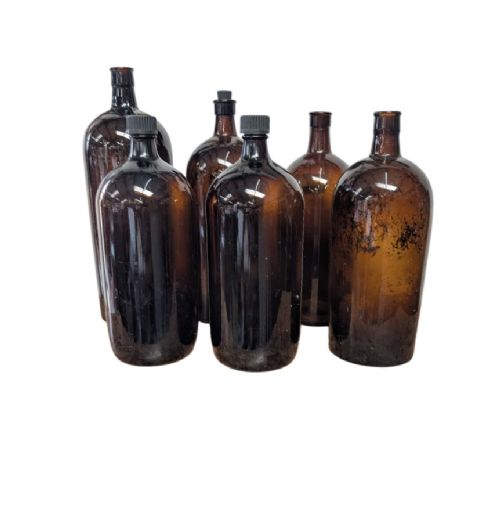
Quality rests upon the clarity and colour of the glass, with deep Bristol blue and amber pigments commanding attention alongside heavy hand-blown carboys. The presence of undamaged original stoppers and legible paper or enamel labels elevates certain vessels above plain utilitarian containers.
Proportion and scale dictate the distinction between standard storage items and large display pieces intended for shop windows. French etched designs and complex cut glass patterns represent finer craftsmanship within nineteenth-century production.
The Vintage Apothecary Glass Jar Glossary
- Carboy
- A large globular glass bottle enclosed in protective housing or standing alone, utilised in pharmacies for storing liquids. These heavy vessels often served as prominent window displays for nineteenth-century chemists.
- Tincture
- A medicine made by dissolving a drug in alcohol, stored in small pharmacy bottles. These narrow-necked vessels protected active ingredients from light and air.
- Pontil mark
- A rough scar left on the base of hand-blown glassware where the punty rod was detached. This physical trace indicates traditional manufacturing methods before modern machine moulding.
- Bocal
- A traditional French glass pickling jar used for food or apothecary storage. These heavy containers feature wide mouths and tight-fitting glass lids.
- Mary Gregory
- A style of glassware decorated with white or tinted enamel figures, typically depicting children in Victorian landscapes. This technique appears on select nineteenth-century jars and decorative pieces.
Vintage Apothecary Glass Jar: Frequently Asked Questions
How were apothecary jars used?
These vessels held dry drugs, herbs, chemicals, and liquid tinctures in nineteenth-century pharmacies and dispensaries. Large carboys sat in shop windows filled with coloured water to advertise the chemist's trade to passers-by.
Smaller lidded jars stood on wooden shelves in rows, keeping contents dry and organised. Many containers feature specific labels naming ingredients such as arrowroot or gelatine for quick identification by the apothecary.
How do I clean vintage glass?
Warm water and mild soap suffice for washing exterior surfaces, taking care around delicate paper or enamel labels. Submerging pieces with old paper tags risks destroying original pharmacy markings.
Internal residue often responds to gentle rinsing without harsh abrasives that might scratch the hand-blown glass. Preserving the historic patina requires avoiding aggressive modern cleaning agents entirely.
Can I use them for storage?
These jars remain suitable for dry household storage, decorative display, or holding cut flowers on a table. Lidded containers protect contents effectively while adding historic character to modern interiors.
Certain pieces adapted as table lamps combine functional lighting with antique pharmacy glassware. Ensuring stability on flat surfaces makes them practical for everyday domestic placement.