



Vintage Apothecary Display
Vintage apothecary display pieces bring genuine pharmacy heritage into a room, offering functional glass and timber storage shaped by 19th-century and early 20th-century commerce.
Vintage Apothecary Display
A vintage apothecary display encompasses utilitarian shop fittings, wall-mounted cabinets, countertop storage units, and large glass vessels originally used in dispensaries and chemists.
The pieces appearing here span the Victorian and Edwardian eras alongside 1920s and 1930s commercial designs, reflecting the evolution of retail pharmacy from small dispensary counters to structured shop interiors.
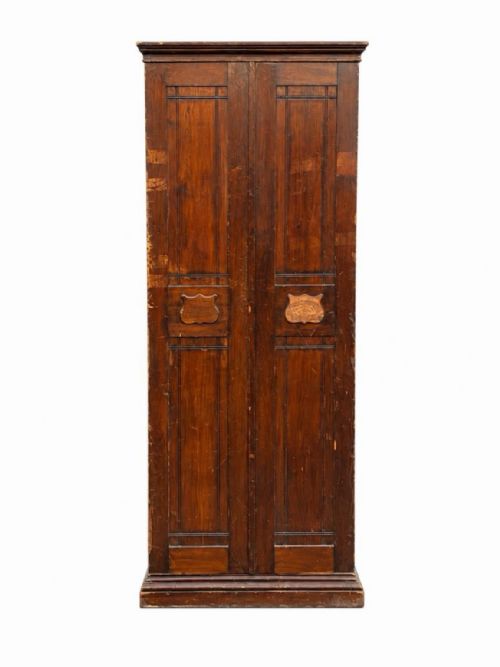
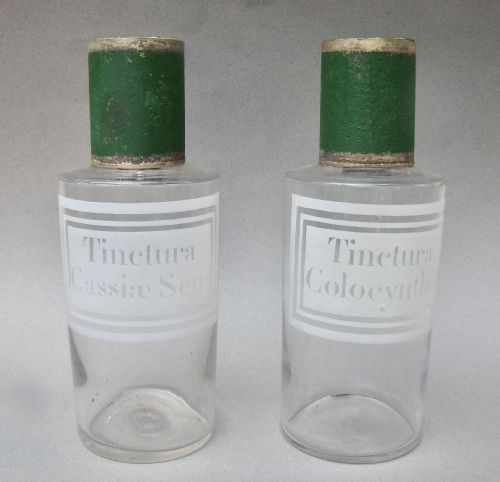
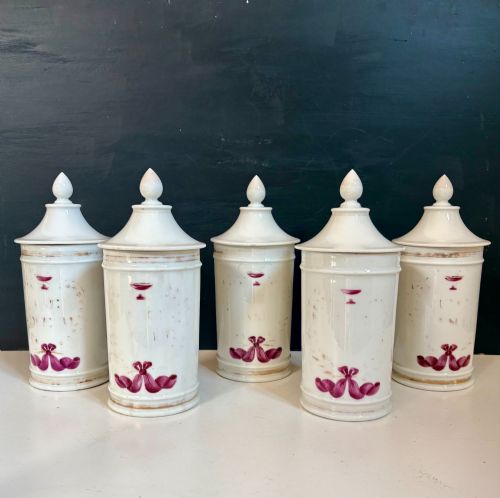
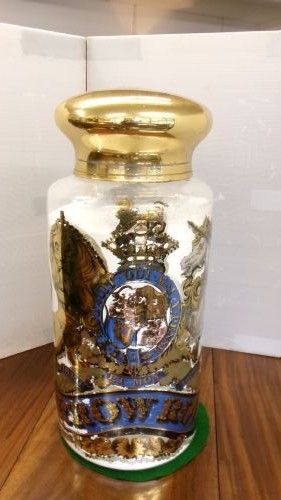
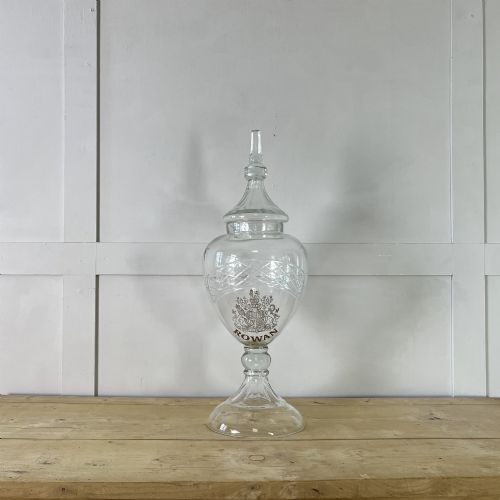
Buyers encounter everything from pine shop fittings and mahogany display cases to heavy glass jars and carboys bearing period labels or etched lettering.
How they were made
Makers constructed cabinetry primarily from dense hardwoods like mahogany and oak, alongside domestic pine chosen for painted shop fittings and utilitarian storage units.
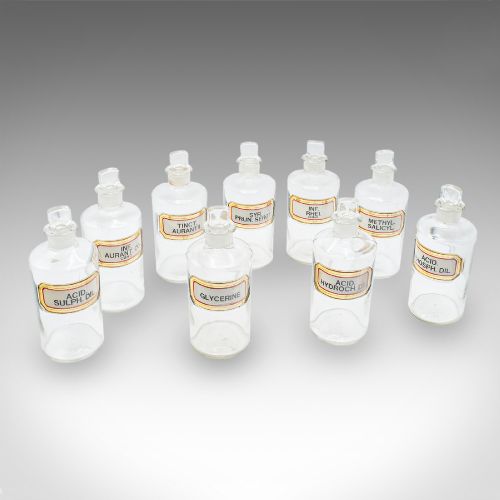
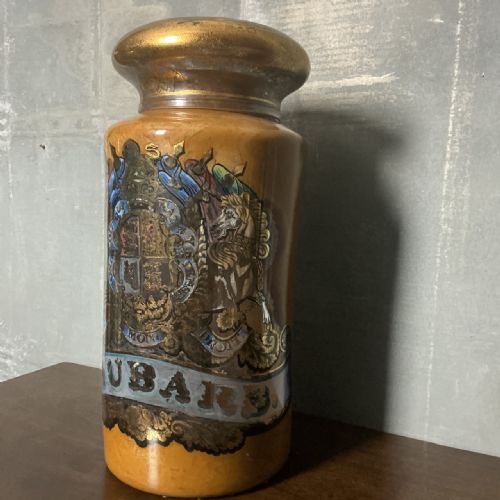
Glass vessels and jars utilised blown and moulded techniques, often finished with ground glass stoppers or paired with brass elements and gold leaf signage.
Vintage Apothecary Display Retail Price Guide 2026
Typical asking prices for vintage apothecary display among the pieces listed under this phrase on Sellingantiques today, from the lower quarter to the upper quarter. They describe what is for sale here now, not the wider market.
What varies in quality
Quality rests in the integrity of the original timber construction, the depth of period patination on surfaces, and the survival of authentic glass covers and stoppers.
Finer examples maintain original painted finishes, precise joinery in multi-drawer configurations, and undamaged etched glass detailing rather than modern replacements.
The Vintage Apothecary Display Glossary
- Carboy
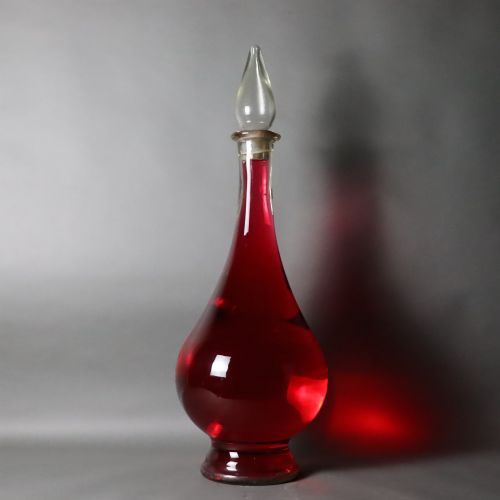
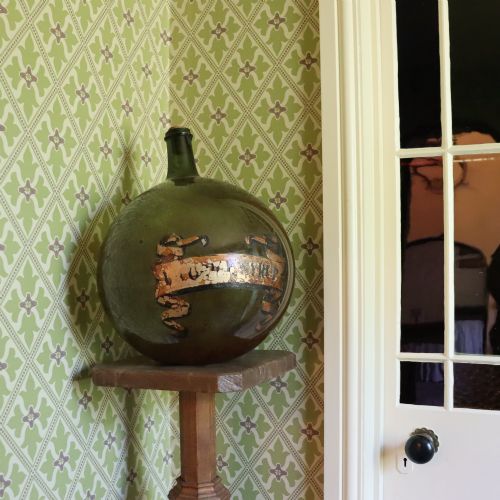
- A large globular glass bottle used in traditional dispensaries to hold liquids or chemicals. These heavy vessels often sat in shop windows as prominent trade symbols.
- Shop Fitting
- Custom fixtures and furniture built for commercial retail interiors. In this context, these items include multi-drawer pine units and glazed counters.
- Chemist Bottle
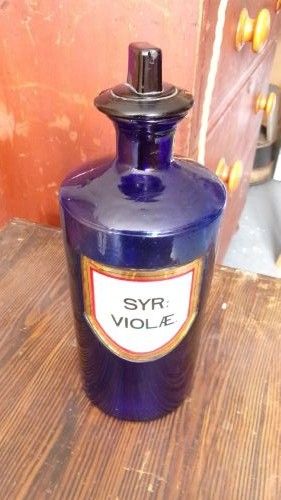
- A glass container designed to hold medical compounds, frequently featuring ground stoppers and applied paper or fired labels. Bristol blue glass is a notable variation.
- Opticians Cabinet
- Specialised storage furniture featuring shallow drawers or glazed compartments designed for lenses and optical instruments. These units typically date from the Edwardian period.
Vintage Apothecary Display: Frequently Asked Questions
What is an apothecary display?
An apothecary display refers to functional fixtures, cabinets, and glass vessels originating from historical chemists and pharmacies. These items were built to store and showcase medical ingredients and retail goods.
Today, collectors use these pieces as architectural storage or decorative focal points in domestic interiors, valuing their functional origins and utilitarian aesthetic.
How were glass apothecary jars used?
Chemists utilised large jars and carboys to hold dry herbs, liquids, and specific compounds like arrowroot or gelatine. The heavy glass and tight stoppers protected contents from moisture and air.
Many jars featured etched lettering or paper labels to identify the contents within the busy interior of a 19th-century shop.
How do I clean a vintage glass jar?
Cleaning requires warm water and mild soap, avoiding harsh abrasives that might damage antique glass surfaces or etched detailing. Ground glass stoppers should be handled with care.
Preserving the original interior patination and any surviving label remnants maintains the historical integrity of the vessel.
How do I date a shop cabinet?
Dating relies on timber selection, construction methods, and hardware styles associated with Victorian, Edwardian, and 1930s commercial design. Mahogany and heavy oak typically point to earlier periods, while painted pine and specific multi-drawer configurations reflect regional shop utility.
Comparing construction details with verified retail fittings helps establish the era of manufacture.