



Vintage Animal Desk Accessory
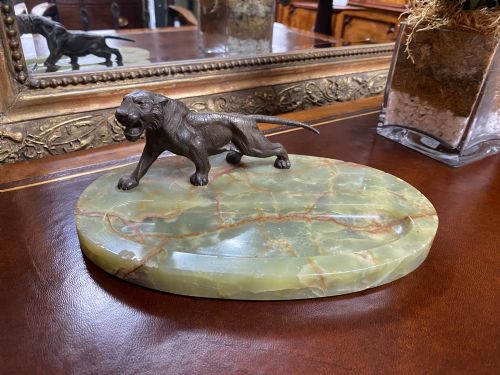
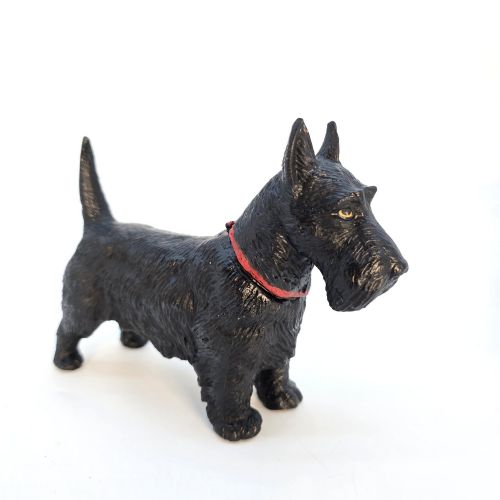
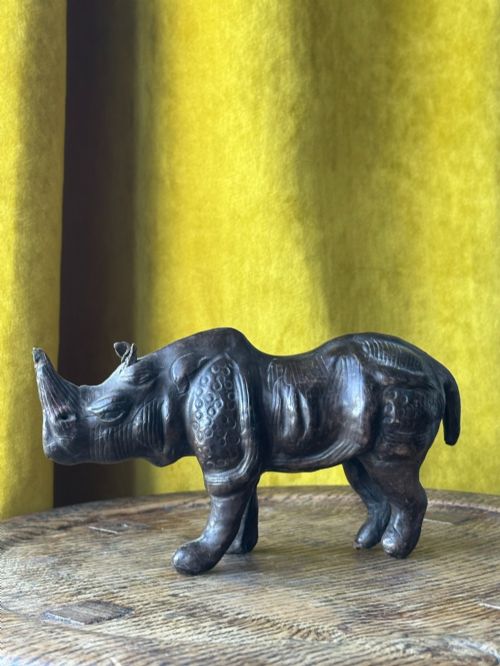
These vintage animal desk accessories bring character to a workspace through figural inkwells, bookends, and ornaments shaped like dogs, birds, and beasts.
Vintage Animal Desk Accessory
A vintage animal desk accessory transforms utilitarian workspace items like inkwells, bookends, and tape dispensers into sculptural figures of dogs, birds, and other creatures. These pieces emerge from periods spanning the Victorian era through the Art Deco years and mid-century modern designs.
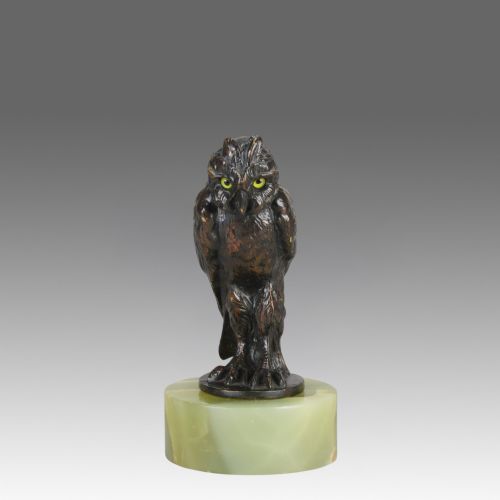
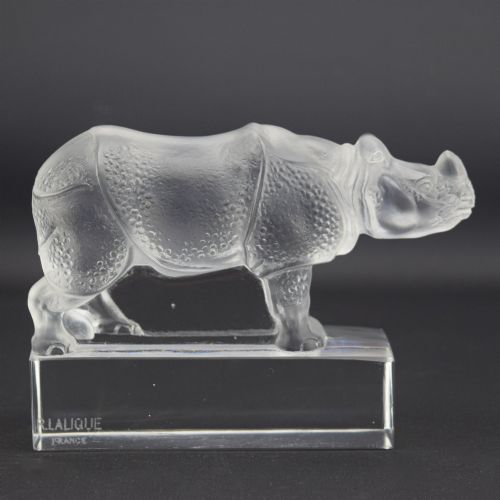
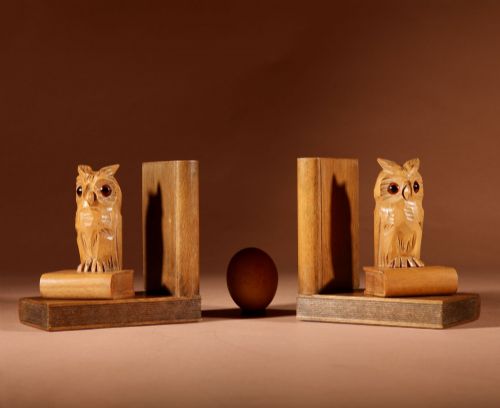
Bookends featuring terriers, bears, and owls dominate the selection, alongside figural inkwells incorporating glass eyes and hinged lids. Collectors also encounter smaller desk ornaments, paperweights in frosted glass, and novelty pin cushions shaped like foxes and ducks.
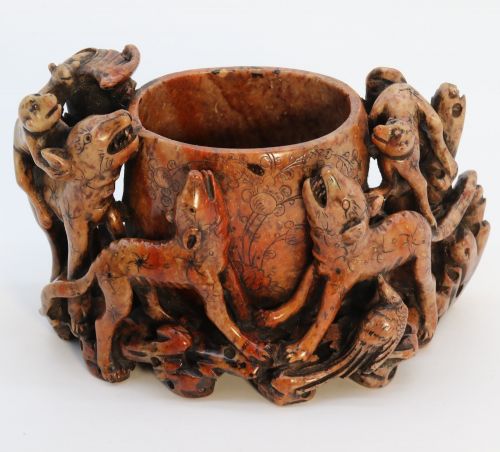
Origins stretch across European workshops, including Black Forest woodcarvers, Austrian bronze founders, and French studios working in spelter and cast metal. Traditional materials range from carved linden wood and soapstone to cold-painted bronze and brass.
How they were made
Metal pieces rely on casting methods in bronze, brass, iron, and spelter, often finished with cold-painted polychrome colours or a bronze patina. Vienna bronzes receive meticulous hand-painting on cast metal, while cast desk ornaments utilise glass inserts for eyes or inkwell wells.
Carved wooden items emerge from Linden wood and Coromandel, shaped by hand in Black Forest and Indian workshops to form sculptural bookends and cat inkwells. Glass objects utilise pressing and moulding techniques, seen in the frosted paperweights produced by Rene Lalique.
Leather, soapstone, and silver form additional media for desk ornaments, pen wipes, and novelty pin cushions. Artisans combine these materials with stone bases such as marble or mount cast figures onto wooden bookend supports.
Vintage Animal Desk Accessory Retail Price Guide 2026
Typical asking prices for vintage animal desk accessory among the pieces listed under this phrase on Sellingantiques today, from the lower quarter to the upper quarter. They describe what is for sale here now, not the wider market.
Listings span the Victorian, Edwardian, and Art Deco eras, alongside early 20th-century and mid-century modern pieces.
What varies in quality
The fineness of the sculptural modelling separates standard production from superior examples, particularly in the expression and anatomical detail of animal forms. Hand-painted cold-painted surfaces retain more original polychrome pigment on higher-grade bronzes, whereas lesser pieces show extensive paint loss.
The integrity of secondary materials dictates overall worth, such as the clarity of cut crystal glass bodies, the preservation of original glass eyes, and the stability of mounted marble or wooden bases. Maker attribution through signatures or distinct foundry marks also elevates individual pieces above unsigned workshop output.
Rene Lalique·Liberty and Co·C Omin
The Vintage Animal Desk Accessory Glossary
- Cold-painted bronze
- A method of painting bronze figures with non-fired oil paint, popular in Austrian workshops. The delicate pigment often shows natural wear over decades of handling.
- Black Forest carving
- Woodcarving originating from the mountainous region of Germany, celebrated for realistic animal sculptures. Pieces frequently depict bears, dogs, and owls in detailed relief.
- Spelter
- An alloy of zinc and lead used as a cheaper alternative to bronze for cast figures. It takes patination well but remains softer and more brittle than bronze.
- Novelty pin cushion
- A small desk item shaped as an animal, such as a duck or fox, incorporating a padded section for pins. Silver and fabric versions were common Edwardian dressing table and desk additions.
Vintage Animal Desk Accessory: Frequently Asked Questions
How do I identify a Vienna bronze piece?
Vienna bronzes typically exhibit small-scale animal subjects, such as owls, frogs, and rhinoceroses, executed with fine anatomical detail. They rely on cold-painted polychrome surfaces applied over cast bronze.
These pieces often lack maker marks, requiring buyers to judge quality by the crispness of the casting and the surviving hand-painted pigments.
Were these items purely decorative?
While many pieces served a clear decorative function as sculptures or bookends, most were designed for active use on a Victorian or Edwardian desk. Inkwells held writing ink, pen wipes cleaned nibs, and tape dispensers held stationery.
Novelty pin cushions and table lighters similarly combined whimsical animal sculpture with everyday utility in the study or library.
How do I care for antique cold-painted metal?
Cold-painted metal requires gentle dusting with a soft, dry brush to preserve the fragile oil-based pigments. Moisture and chemical cleaners strip the original painted surface.
Keep pieces away from direct sunlight to prevent the colours from fading over time.