
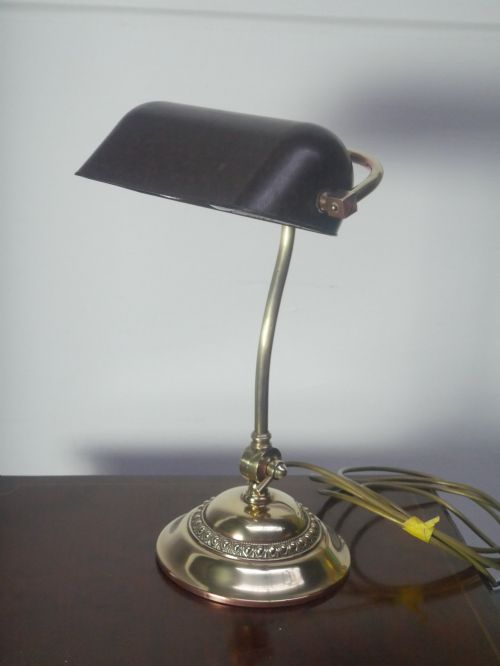

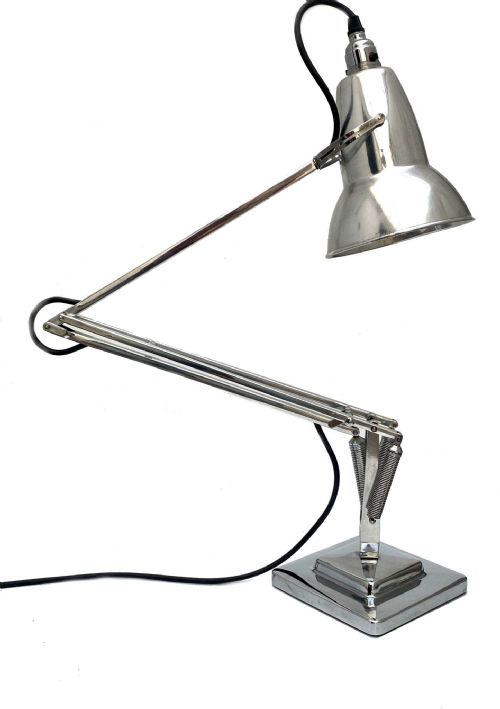


Vintage Adjustable Table Light
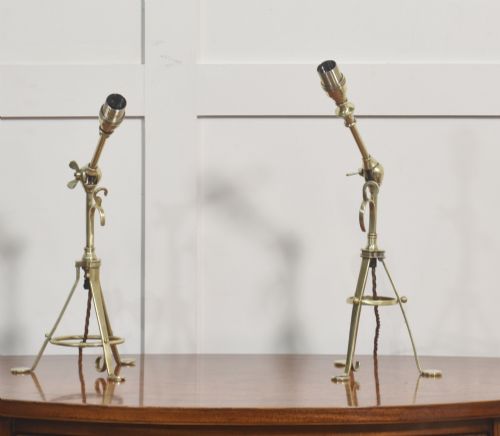
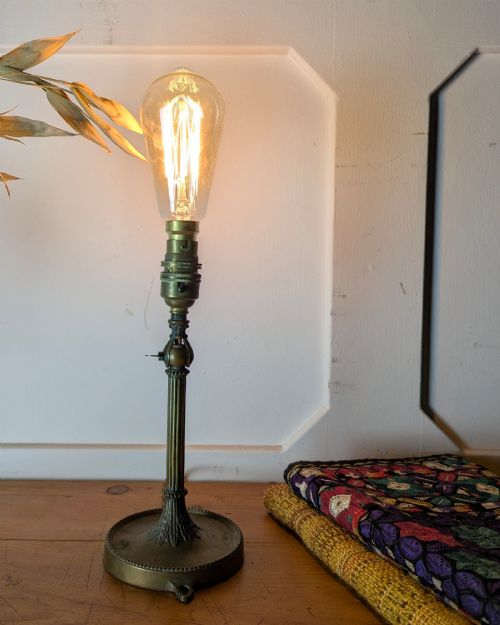
A vintage adjustable table light delivers focused illumination where it matters, combining practical engineering with period character.
Vintage Adjustable Table Light
When you search for a vintage adjustable table light, you encounter desk lamps, student lamps, and bouillotte lamps spanning the late nineteenth century through to the Art Deco period. These pieces originate from domestic studies, maritime settings, and continental workshops, reflecting the diverse lighting needs of past generations.
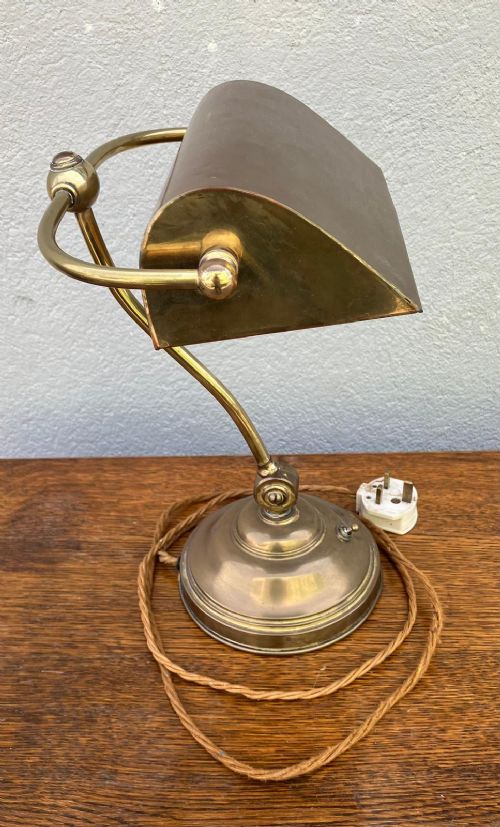
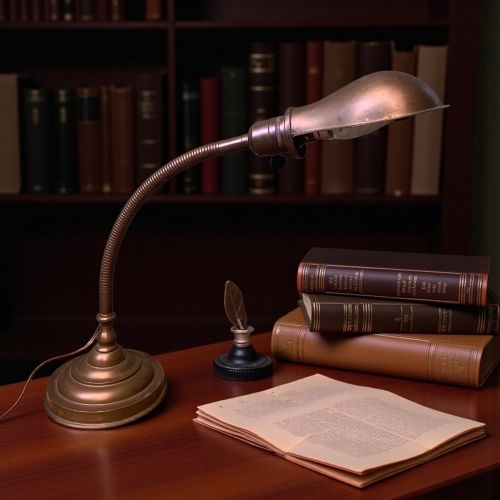
The selections on this page are dominated by brass and chrome desk lamps from the Edwardian era and the 1920s. Buyers frequently meet flexible, articulated, and swan neck designs intended for reading or close work, alongside weighted bankers lamps.
Materials and Construction
Brass and chrome form the structural backbone of these pieces, often paired with weighted cast iron or steel bases to maintain balance during adjustment. Metal components are turned, spun, or cast, utilising joints, gimbals, and telescopic mechanisms that allow the arm or shade to pivot and extend.
Shades bring in contrasting textures of glass, toleware, and painted metal, ranging from green and blue glass shades to gilt-accented tole. These materials are combined using screws, collars, and pivots rather than modern adhesives, allowing the fittings to be dismantled and repaired.
Listings feature works from the 1860s through to the 1930s, showcasing the transition from oil and candle to electric desk lighting.
Distinctions in Quality
The substance of the metalwork and the precision of the joints separate the finer examples from standard production pieces. Solid brass and heavy-gauge chrome maintain their alignment and resist wear at the pivot points over decades of movement.
Subtlety in proportion and the retention of original components, such as specific shades, counterweights, and turning keys, elevate a piece. Finer items exhibit clean casting lines and smooth mechanical action without excessive play in the adjustable arms.
W.A.S. Benson·Herbert Terry·Wild And Wessel·Pirouette
The Vintage Adjustable Table Light Glossary
- Swan neck
- A curved tubular metal arm resembling a swan's neck that directs the lamp shade downward. This profile allows the light source to be positioned directly over paperwork.
- Bouillotte lamp
- A traditional French table lamp featuring a central shaft, adjustable metal shade, and multiple candle branches or bulb holders. The shade moves up and down on a central rod.
- Toleware
- Painted or lacquered metalware, typically tin or steel, used for decorative shades and bases in green, red, or gilt finishes. It provides a classic contrast to polished brass.
- Telescopic
- An adjustable mechanism formed of concentric sliding tubes that permits height alteration. These standards often lock into position via a thumb screw or collar.
- Gimbal
- A pivoted ring mounting that allows a lamp to remain level regardless of the angle of its support. Originally utilised on ships and trains to compensate for motion.
Vintage Adjustable Table Light: Frequently Asked Questions
How do I adjust the height?
Many of these lamps use telescopic columns or articulated joints with tension screws. Loosening the collar allows the upper shaft to slide or pivot into the desired position.
Take care to support the shade when altering the height to prevent sudden drops that might stress the internal wiring or historical metalwork.
Are these lamps safe to use today?
Most antique and vintage lighting requires rewiring to meet current electrical standards. A qualified electrician can easily update the internal cord while preserving the original switches and holders.
Inspect the historic brass or chrome shell to ensure the earth wire is properly attached during any modern restoration work.
Can I replace a broken glass shade?
Finding a replacement shade depends on the specific fitter size and period style, such as banker lamp greens or opaline gas shades. Measurements of the collar opening are essential for a correct fit.
Many collectors prefer to source period-correct replacement glass to maintain the visual integrity of the original design.
How do I clean antique brass?
Light dusting with a dry microfiber cloth is usually sufficient for regular maintenance. Avoid harsh chemical polishes that strip away the desirable aged patina accumulated over decades.
If cleaning is necessary, a mild soapy solution dried immediately helps protect the surface without removing historical character.