


Victorian Wooden Platter
These victorian wooden platter examples are sturdy serving pieces and decorative items crafted from rich timbers to anchor a traditional table.
Victorian Wooden Platter
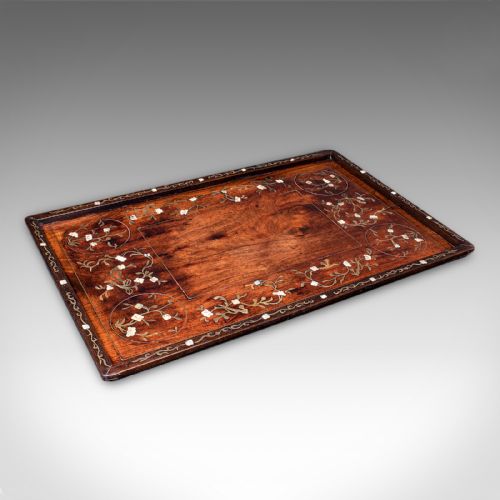
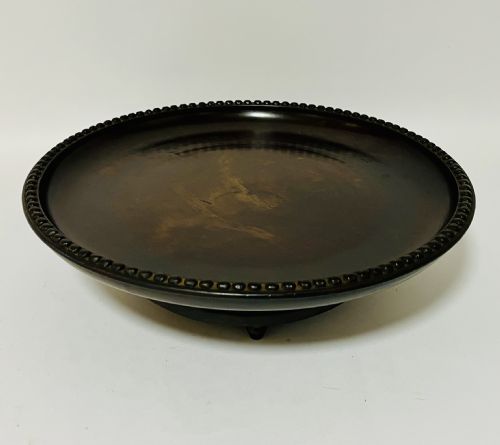
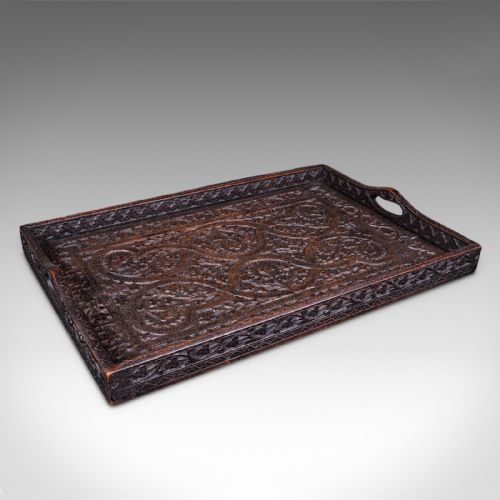
When you search for a victorian wooden platter, you encounter serving trays, decorative bowls, and cake stands from the nineteenth century. These objects include English mahogany designs, Anglo-Indian teak platters, and Swiss folk art fruit bowls.
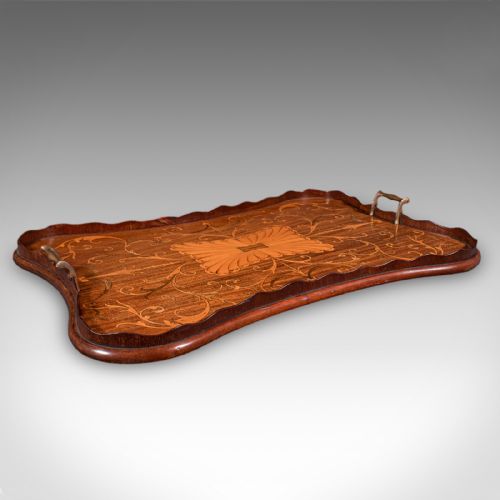
The pieces on this page span the Victorian period alongside related styles like Regency, Edwardian, and Italian Sorrento ware. Forms range from kidney-shaped serving trays and rotating lazy susans to galleried trays and wall trays.
How They Were Made
These items rely on dense hardwoods such as mahogany, teak, and olivewood, often shaped through turning or hand carving. Makers utilised dark stained wood and figured satinwood for visual depth.
Metal elements appear alongside the timber, including brass galleries and silver plate on warming dishes. Inlay work and bone details complete the construction of finer trays and bowls.
What Varies in Quality
The grade of a victorian wooden platter depends on the crispness of the carving and the precision of any inlay. Fine execution in kidney-shaped or galleried forms elevates a piece above standard utility items.
The choice of material dictates distinction, with finely figured mahogany or Sorrento olivewood showing superior natural grain. Integrated brass galleries and musical movements in Swiss bowls further differentiate standard examples from exceptional ones.
The Victorian Wooden Platter Glossary
- Galleried tray
- A serving tray fitted with a low raised rim or railing around the edge. This rail prevents items from sliding off during service.
- Lazy susan
- A rotating tray placed on a table to assist in moving food easily between diners. Nineteenth-century versions often utilise a central wooden pivot.
- Afternoon tea slide
- A specialised tray or platter designed for serving light refreshments during afternoon tea. These pieces often incorporate narrow proportions for table placement.
Victorian Wooden Platter: Frequently Asked Questions
How were these wooden platters used?
These pieces served practical roles in the nineteenth-century home for carrying food, presenting cakes, or holding afternoon tea.
Many examples also functioned as decorative bowls and stationary dishes for display in parlours.
What woods are commonly found?
Mahogany and teak appear frequently in English and Anglo-Indian items, offering robust support for daily service.
Satinwood, olivewood, and dark stained hardwoods also feature in decorative Sorrento ware and inlaid trays.
How do I date a piece?
Dating relies on stylistic markers, timber characteristics, and construction methods associated with the nineteenth century.
Specific forms like galleried trays and Sorrento olivewood bowls align closely with Victorian production decades.
Can these platters be used daily?
Sturdy hardwood trays and rotating stands remain physically capable of holding items for contemporary gatherings.
Care must be taken with delicate inlay, brass galleries, and musical movements to preserve the timber.