


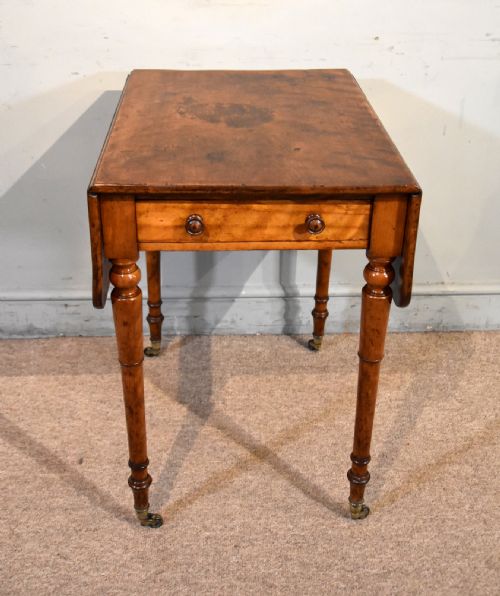
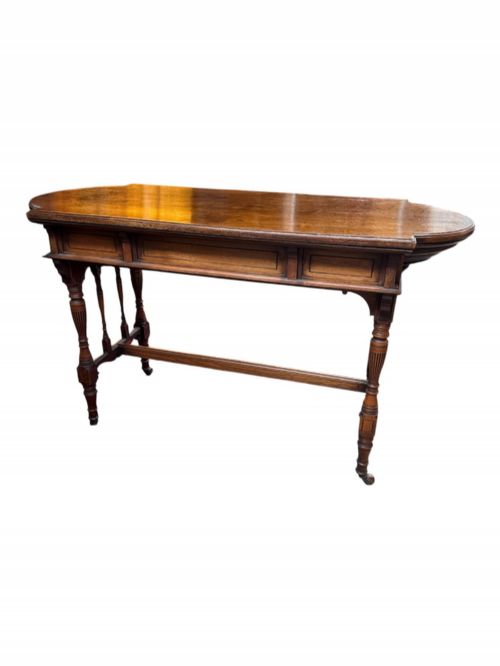
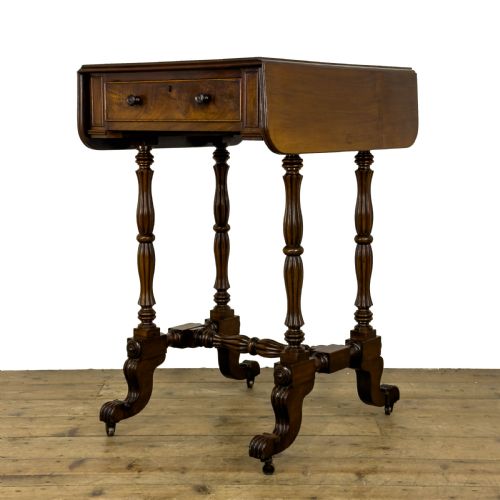
Victorian Wooden Leg Sofa
A victorian wooden leg sofa brings solid timber frames and deep upholstery together for a traditional seating piece.
Victorian Wooden Leg Sofa
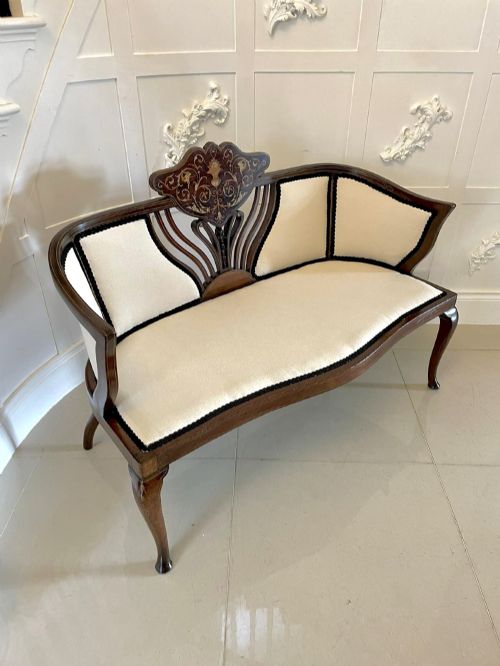
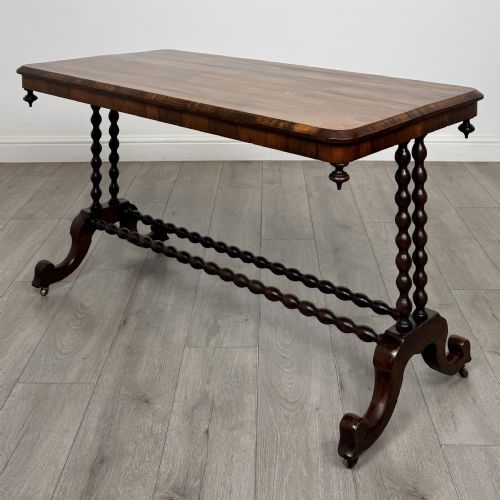
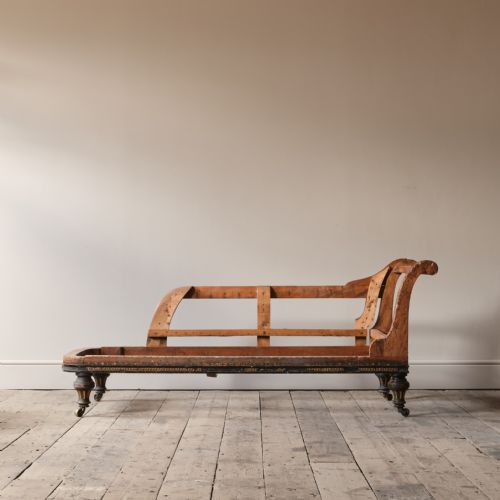
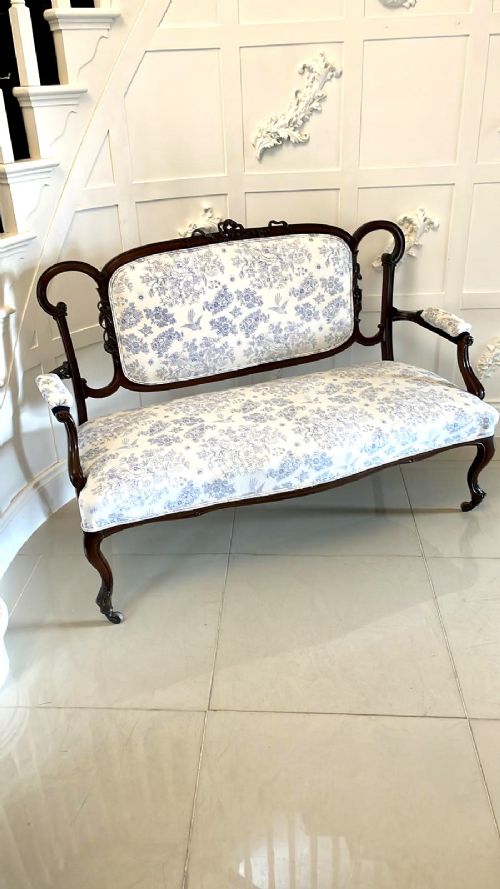
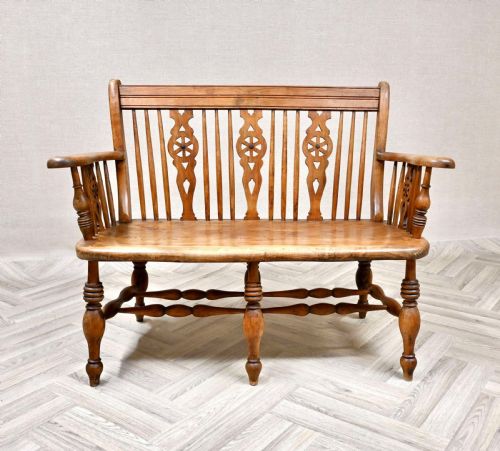
A victorian wooden leg sofa offers robust seating framed in timbers like mahogany or walnut. These pieces include upholstered settees, day beds, and couches resting on turned or carved wooden supports.
Makers of the period applied diverse stylistic influences to these frames, ranging from Rococo Revival curves to clean lines associated with later Victorian periods. Buyers encounter both fully upholstered couches and exposed timber frame settees.
Originating during the nineteenth century, these sofas reflect the domestic comfort and craftsmanship of British cabinet makers. They serve as functional seating or decorative focal points in traditional interiors.
What varies in quality
The choice of primary timber dictates the initial grade, with burr walnut and figured mahogany commanding greater skill in handling than pine or mixed secondary woods. Timber selection affects both visual depth and overall weight.
Carving depth and sharpness reveal the hand of a skilled artisan rather than routine factory production. Crisp detailing on wooden legs and frame rails distinguishes superior workshop output.
Victorian Wooden Leg Sofa Retail Price Guide 2026
Typical asking prices for victorian wooden leg sofa among the pieces listed under this phrase on Sellingantiques today, from the lower quarter to the upper quarter. They describe what is for sale here now, not the wider market.
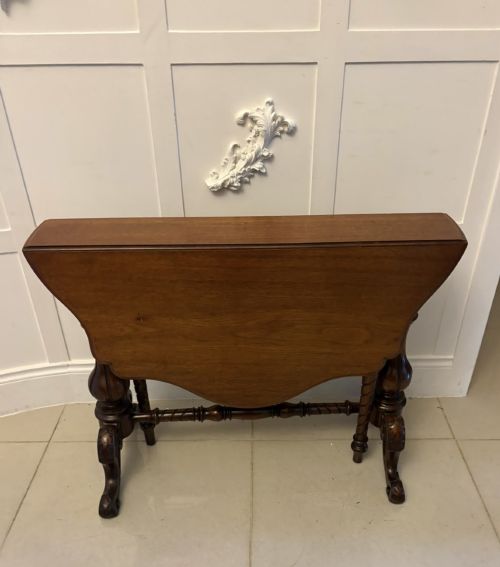
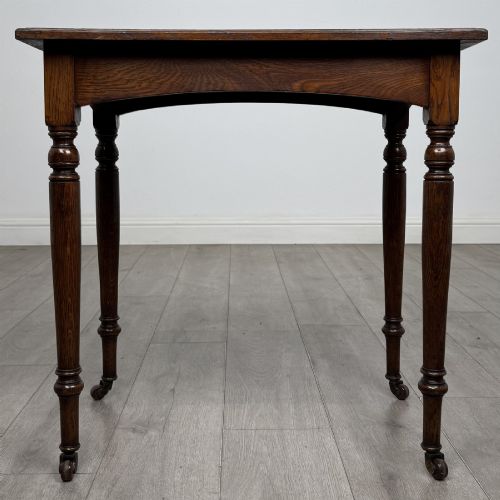
Some Victorian sofas come equipped with original castors so owners could chase the fireplace warmth across the rug.
Holland & Sons·Johnstone and Jeanes·W. Turner Lord & Co·Gillow
The Victorian Wooden Leg Sofa Glossary
- Settee
- A long wooden seat with a back and arms, designed for two or more people. These pieces often feature upholstered padding over a rigid wooden foundation.
- Castor
- A small wheel mounted in a swivel frame attached to the bottom of a furniture leg. They allowed heavy Victorian seating to move easily across carpets.
- Pembroke
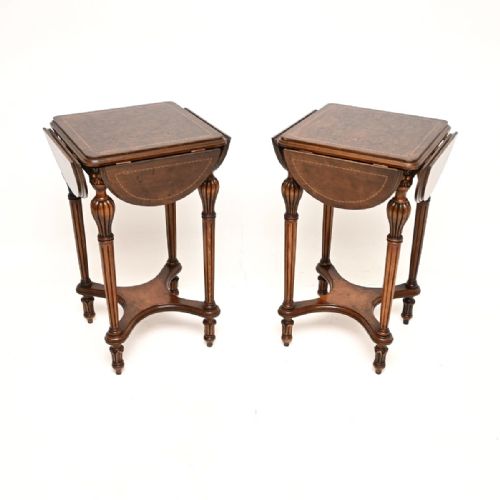
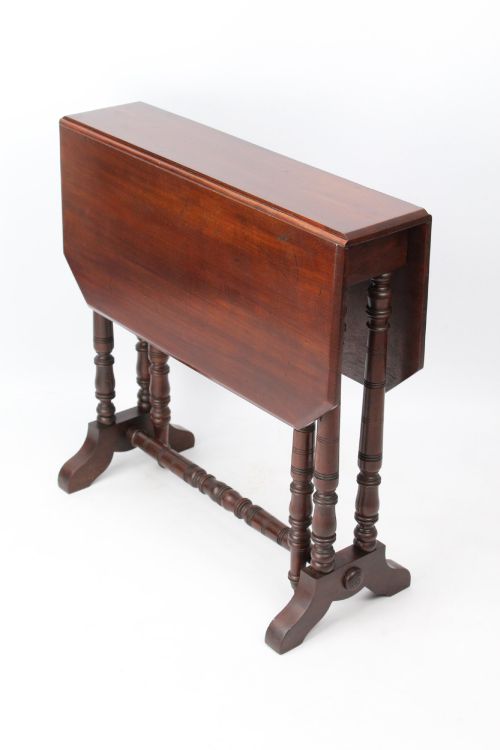
- A table with hinged flaps on either side that fold down to save space. While primarily a table design, this mechanism shares era techniques with drop-leaf seating frames.
- Burr walnut
- Wood sliced from walnut tree growths, producing swirling grain patterns. Cabinet makers applied these veneers to prominent exterior surfaces for decorative impact.
Victorian Wooden Leg Sofa: Frequently Asked Questions
What defines a victorian wooden leg sofa?
These pieces feature exposed timber supports carrying upholstered seating structures built during the nineteenth century. They combine structural hardwoods with padded backs and arms.
Design details reflect eras such as the Rococo Revival or Aesthetic Movement, utilising mahogany, walnut, and turned legs.
How do I care for the wooden frame?
Maintain the timber by dusting regularly with a dry cloth and applying natural beeswax periodically to nourish the grain. Keep pieces away from direct heat sources to prevent wood splitting.
Inspect the joints gently over time to ensure the frame remains stable during daily use.
Where should I place a sofa in my home?
These couches suit living rooms, large hallways, or quiet reading spaces as statement seating. Their traditional proportions anchor period interiors effectively.
Ensure placement allows clearance around carved wooden legs and any drop-leaf or extension elements if present.
How do I identify the period of a sofa?
Examine the timber species, turning style on the legs, and overall upholstery silhouette against nineteenth-century design records. Elements like bobbin turning or burr walnut veneers point to specific decades.
Maker stamps or labels on the frame underside offer definitive clues regarding origin and date.