

Victorian Wooden Doors
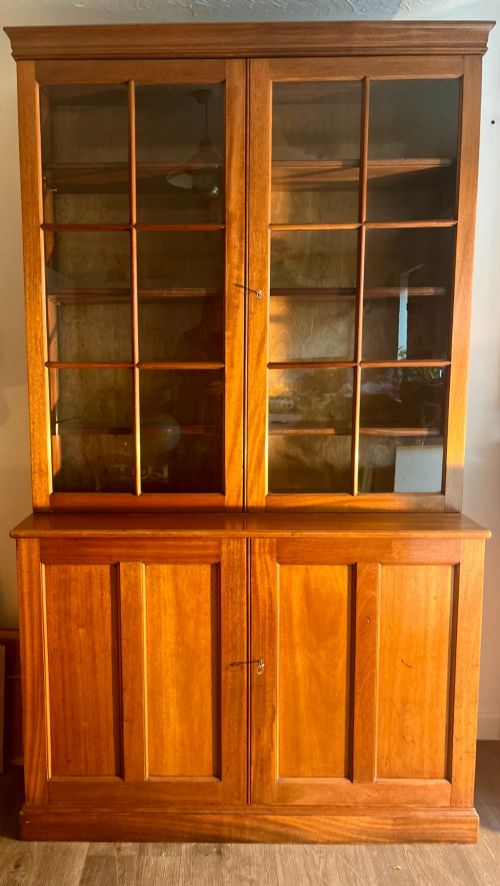
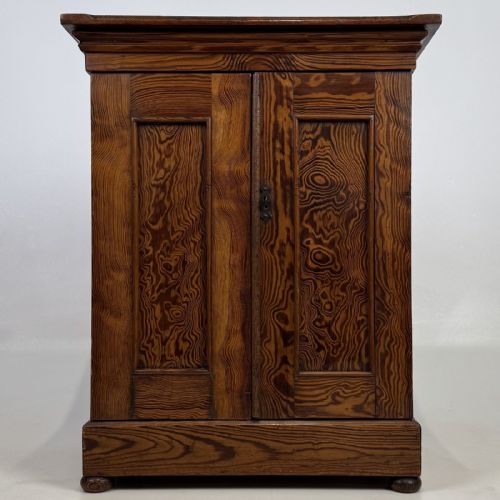
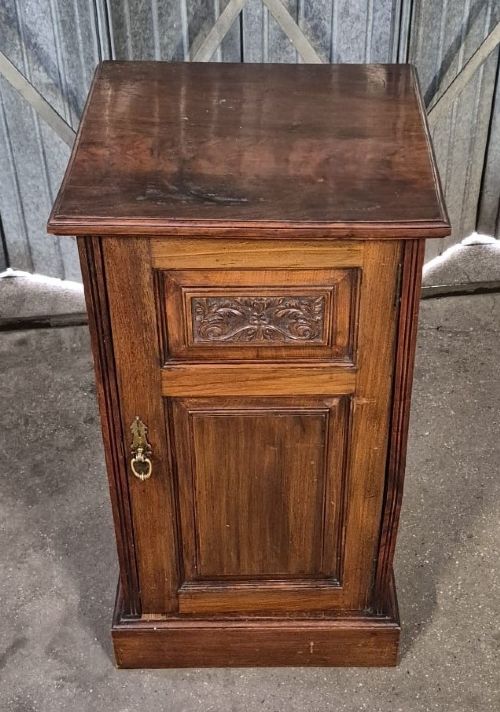
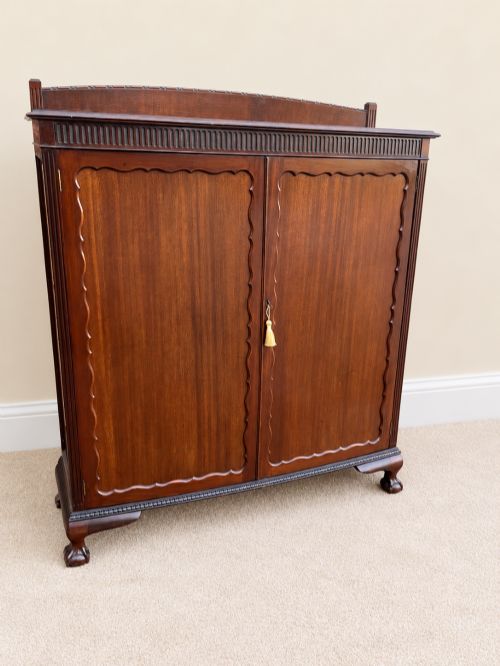
These Victorian wooden doors and cabinet fronts open into rooms furnished with mahogany, pine, and burr walnut.
Victorian Wooden Doors
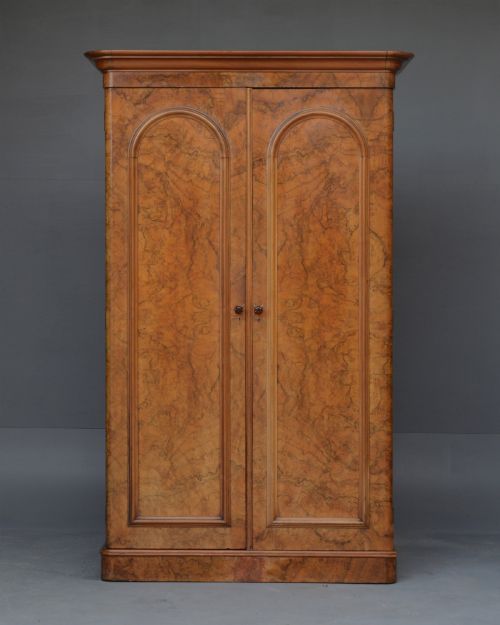
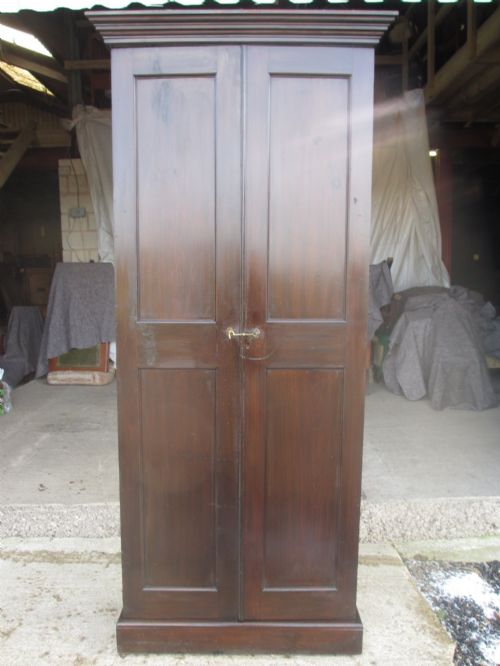
When you search for Victorian wooden doors, you find yourself looking at the architectural joinery and large storage closures of the nineteenth century. These pieces encompass everything from sturdy pine bedroom cupboards to grand mahogany wardrobe leaves and multi-panelled housekeepers storage units. The inventory reflects a domestic world built around substantial timber cabinetry, where panelled doors formed the primary interface for closets, side cabinets, and bookcases.
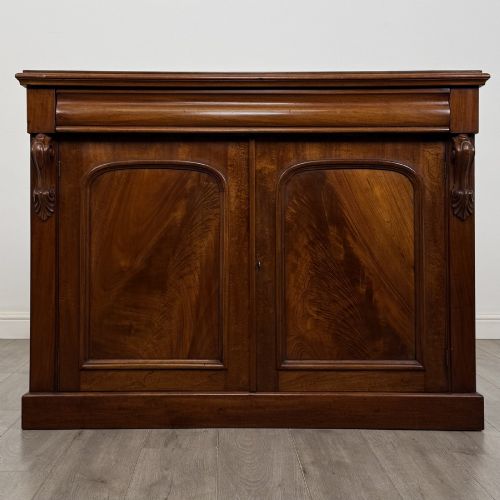
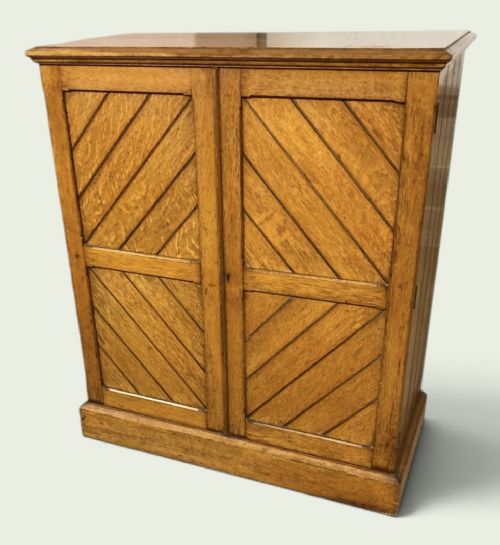
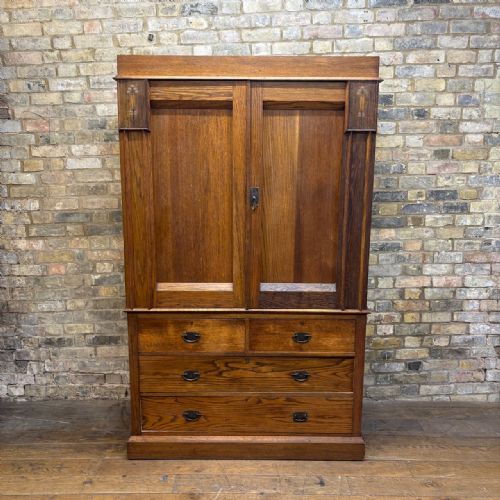
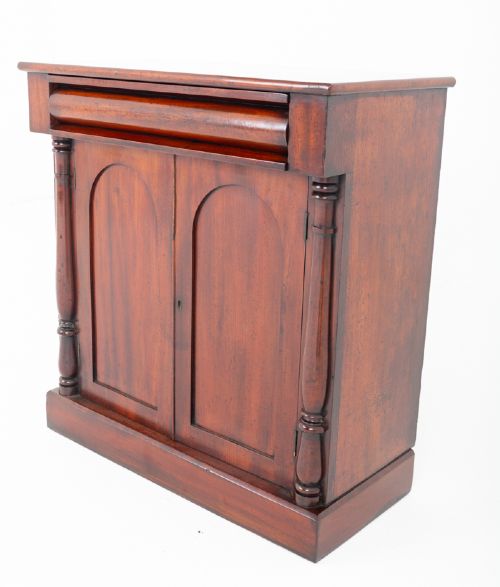
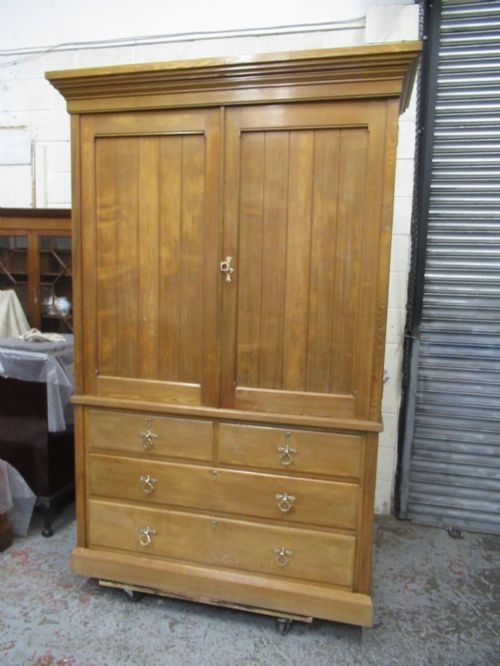
The version you are most likely to meet on this page is the double door configuration found on wardrobes, chiffoniers, and linen presses. These structural elements frequently appear in dense hardwoods like mahogany and figured walnut, alongside utilitarian painted pine designed for country houses and rural settings. They survive either mounted to their original carcasses or detached as architectural elements ready for repurposing.
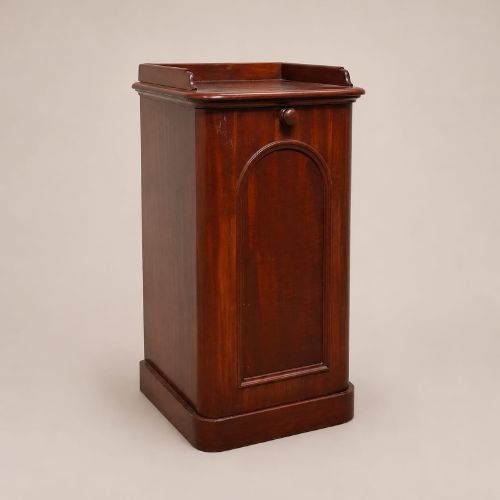
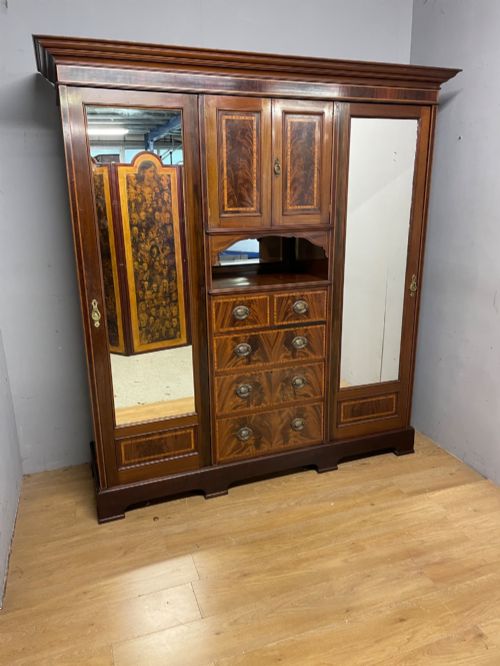
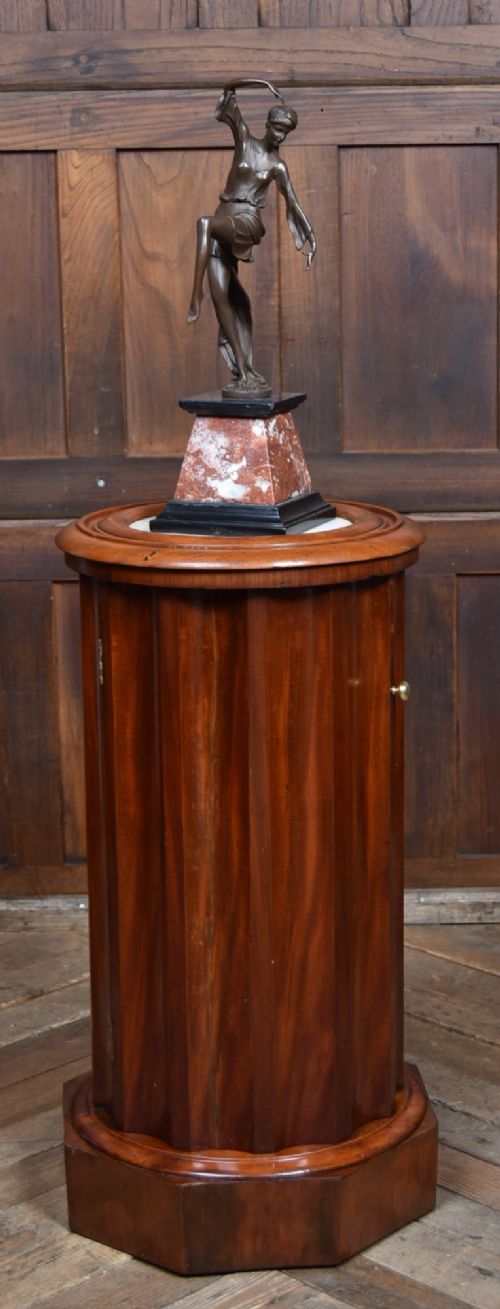
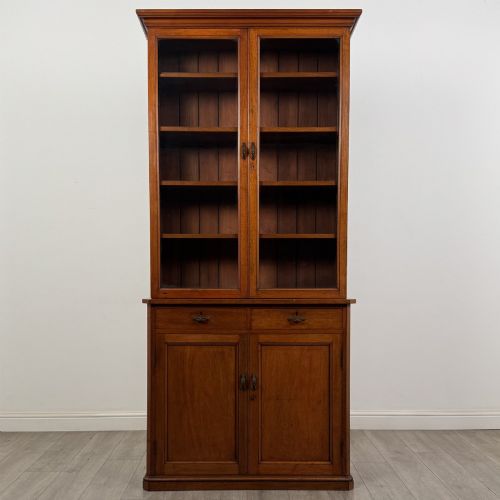
Beyond standard domestic storage, the selection extends into specialist forms such as compactum wardrobes, bedside pot cupboards, and glazed bookcase doors. Makers of the period utilised timber frames with raised panels, inset glass, or carved mouldings to give depth to everyday utility. Each surviving door or cabinet front preserves the specific joinery methods and timber selection characteristic of workshops operating between eighteen-fifty and nineteen-thirty.
Materials and Construction
Cabinet makers relied primarily on solid mahogany, oak, and pine for structural integrity, often applying flame mahogany or burr walnut veneers to primary display surfaces. These timbers were seasoned and jointed using traditional mortise and tenon techniques to withstand the seasonal expansion and contraction of domestic interiors. Grain direction and figure were carefully matched across double doors to create symmetrical visual patterns on large wardrobes and sideboards.
Secondary materials played a crucial structural and decorative role, with brass hardware, iron hinges, and occasionally ormolu mounts securing the heavy timber leaves. Glass panels were integrated into bookcase and display cabinet doors using wooden glazing bars, whilst interior compartments often featured secret drawers and sliding linen trays. Surface finishes ranged from wax and polish on figured hardwoods to scumble paintwork applied to pine to imitate richer oaks.
Victorian Wooden Doors Retail Price Guide 2026
Typical asking prices for victorian wooden doors among the pieces listed under this phrase on Sellingantiques today, from the lower quarter to the upper quarter. They describe what is for sale here now, not the wider market.
The listings span from the eighteen-fifties through the Edwardian era, featuring woods like mahogany, burr walnut, birch, and pine alongside brass and iron hardware.
Evaluating Quality
Construction methods further define the tier of a piece, distinguishing mass-produced carcasses from bespoke cabinet making. Tighter tolerances in frame joints, panel movement allowances, and the quality of interior cedar or oak linings indicate superior manufacture. Original hardware and untouched surface patination retain the historical integrity that separates fine antique furniture from heavily altered examples.
The Victorian Wooden Doors Glossary
- Compactum
- A large fitted wardrobe containing a combination of hanging space, sliding trays, and drawers within a single carcass. This form maximised bedroom storage efficiency in Victorian homes.
- Chiffonier
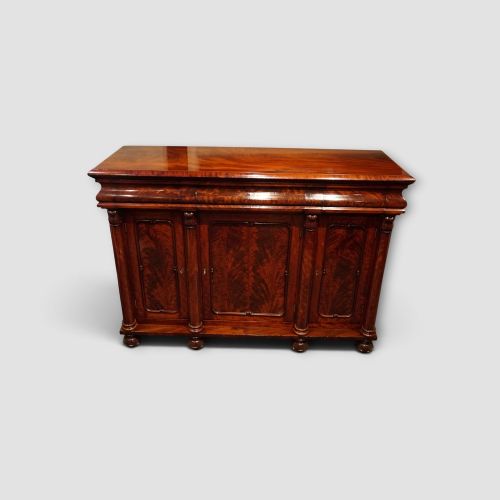
- A small sideboard or low cabinet typically fitted with drawers and enclosed shelves beneath. These pieces became central to Victorian dining and living rooms for serving and storage.
- Scumble
- A decorative paint technique involving translucent glazes dragged across a base coat to simulate the grain of more expensive timbers like oak. It was frequently applied to pine furniture.
- Linen Press
- A tall piece of furniture featuring upper sliding shelves for textiles and lower drawer storage. They were essential for keeping household linens flat and protected.
- Pot Cupboard
- A small bedside cabinet originally designed to house a chamber pot behind a single door. They often feature an enclosed upper section and a compact footprint.
Victorian Wooden Doors: Frequently Asked Questions
How do I clean old mahogany?
Maintain finished hardwood surfaces using traditional beeswax applied sparingly with a soft cloth. Avoid modern silicone sprays that penetrate open grain and degrade the historic polish.
Buff the timber gently after application to restore the natural lustre without stripping the patina accumulated over the centuries. Keep pieces away from direct heat sources to prevent the wood from drying and splitting.
What is flame mahogany?
Flame mahogany refers to a distinctive veneer figure cut from the fork of the tree where branches meet the main trunk. This process produces a rippling, flame-like pattern highly prized by nineteenth-century cabinet makers.
Craftmen reserved these striking veneers for the most prominent exterior surfaces, such as wardrobe doors and chiffonier drawer fronts, to create dramatic visual symmetry.
Are these pieces made of solid wood?
Most structural frames and smaller cupboards utilise solid timbers such as oak, pine, or mahogany. Larger wardrobe doors and cabinet fronts frequently feature veneers applied over stable secondary wood cores to prevent warping.
This method allowed makers to display expensive figured timbers across wide surfaces while maintaining structural stability in fluctuating household temperatures.
How do I identify a Victorian wardrobe?
Examine the construction joints, timber selection, and hardware style to determine the period. Victorian wardrobes typically feature heavy panelled doors, brass ring handles, and substantial plinth bases.
Internal configurations often include removable sliding linen trays, clothes hooks, and deep base drawers constructed with hand-cut dovetail joints characteristic of nineteenth-century workshops.