



Victorian Wooden Board
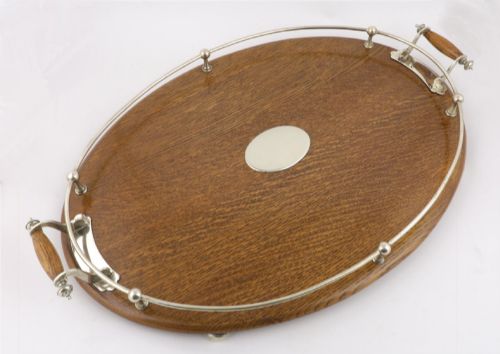
A Victorian wooden board brings utility and craft into a room, spanning folding chess sets, scoreboards and painted signs.
Victorian Wooden Board
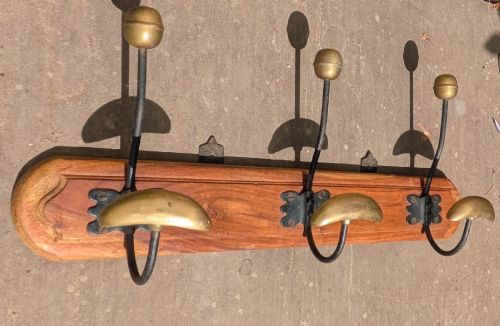
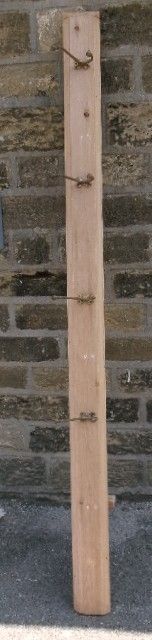
A Victorian wooden board encompasses practical items made from timber during the nineteenth century, ranging from games surfaces and scoreboards to trade signs and coat racks. Buyers searching for a victorian wooden board often encounter folding chess tables, wall-mounted coat hooks on pine backboards, and intricate cribbage sets.
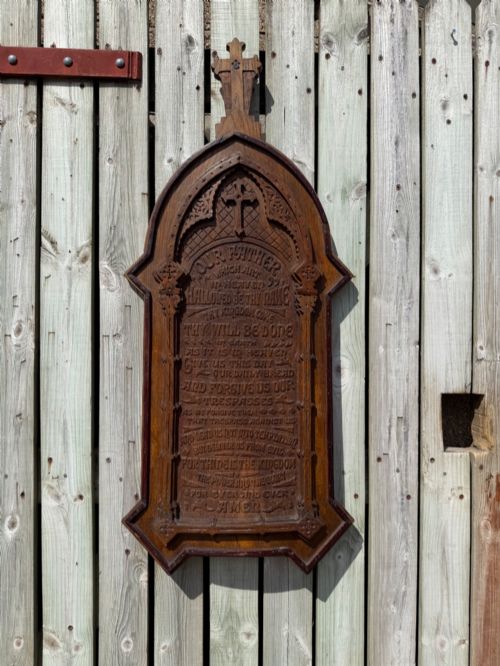
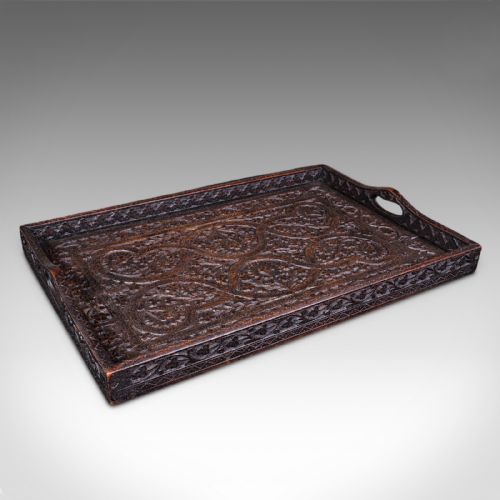
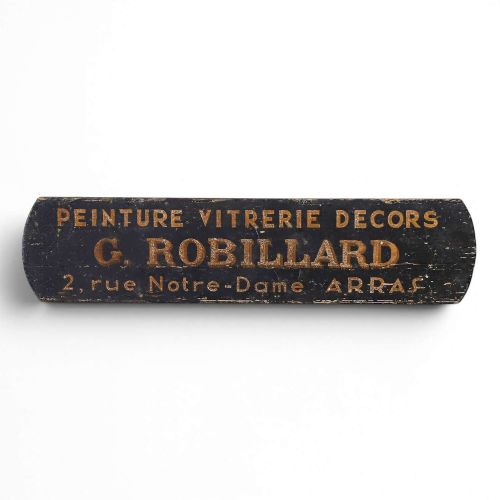
The selection includes specialised objects such as hardware sample boards, hymn boards, and painted fairground ride panels, reflecting both domestic pastimes and commercial life. These pieces originate predominantly from British workshops alongside French and Anglo-Indian examples, showing varied regional uses of timber.
Materials and construction
Makers utilised resilient timbers such as mahogany, oak, walnut, and boxwood, selecting each for its grain and stability during everyday handling. Boxwood and bone frequently appear on gaming surfaces for contrasting markers and inlay work.
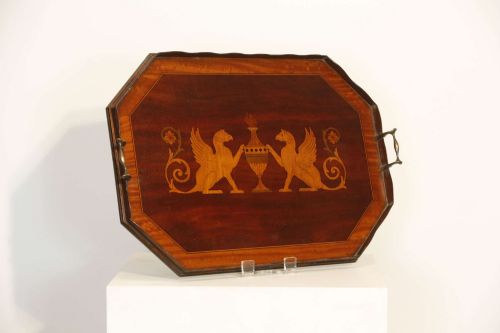
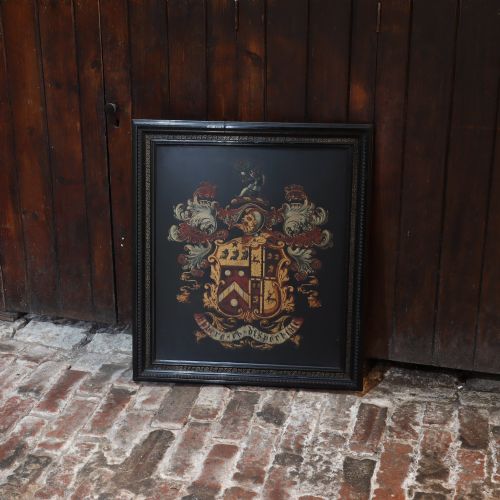
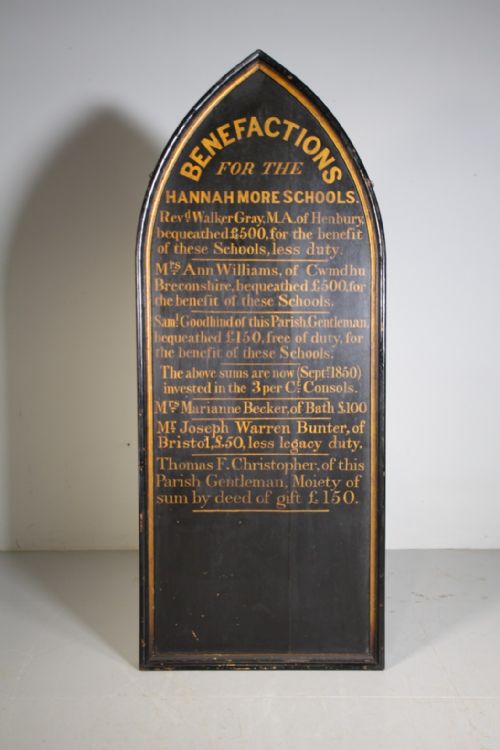
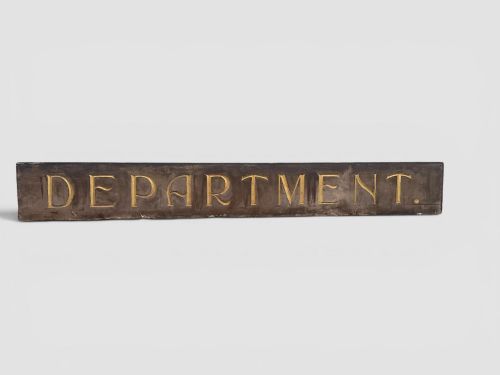
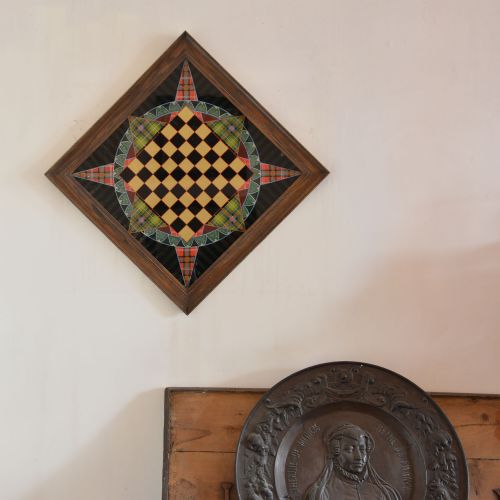
Structural elements often integrate brass fittings, including double hooks on coat racks and hinges on folding games boxes. Surfaces display hand-painted lettering, reverse glass painting, or carved details executed in styles from Gothic Revival to folk art.
Victorian Wooden Board Retail Price Guide 2026
Typical asking prices for victorian wooden board among the pieces listed under this phrase on Sellingantiques today, from the lower quarter to the upper quarter. They describe what is for sale here now, not the wider market.
Materials recorded on these boards include boxwood, brass, bone, mahogany, oak, walnut, pine, and painted surfaces.
Judging quality in timber boards
Quality rests in the crispness of the carpentry joints, the retention of original hand-applied paint or polish, and the integration of secondary materials like bone inlay and brass hardware. Superior examples maintain their structural integrity without excessive timber shrinkage or replacement parts.
The distinction between ordinary utility items and finer pieces lies in decorative ambition, seen in carved mouldings, precise marquetry on chess tops, and legible hand-lettered trade signage from established workshops.
Gerwin and Co Birmingham·Orme and Sons Manchester
The Victorian Wooden Board Glossary
- Cribbage board
- A scoring device featuring tracks of small holes for pegging points during card games. These often fold shut to store pegs inside.
- Dummy board
- A flat, painted timber figure cut to silhouette shape, designed to stand beside a fireplace or in a doorway as a trompe l'œil decoration.
- Scoreboard
- A timber frame mounted with sliding markers, brass pointers, or rollers used to tally points in billiards, snooker, and pool.
- Marquetry
- The art of applying small pieces of veneer to a timber structure to form decorative patterns, frequently seen on chess tops.
Victorian Wooden Board: Frequently Asked Questions
What is a Victorian wooden board used for?
These boards served diverse functions in the nineteenth century, functioning primarily for parlour games like chess, cribbage, and solitaire, or for keeping score in billiard rooms.
Other examples served commercial and domestic life as wall-mounted coat racks, trade signs, hymn boards, and hardware sample displays.
How do I care for antique timber?
Keep wooden pieces away from direct heat sources and sudden temperature shifts to prevent the timber from warping or splitting.
Apply occasional traditional wax polish to nourish dry grain, buffing gently with a soft cloth to maintain the surface sheen.
Are folding chess boards sturdy?
Nineteenth-century folding boards rely on robust brass hinges and solid timber construction designed to withstand regular domestic handling and storage.
Checking the alignment of the hinges and the stability of the inner joints ensures the board lays flat during play.
How can I tell a genuine nineteenth century piece?
Look for period construction methods such as hand-cut dovetails, older brass screw types, and natural timber ageing beneath the finish.
Wear patterns should match the functional use of the object, whether from peg movement on a cribbage track or handling around coat hooks.