
Victorian Wood Mirror
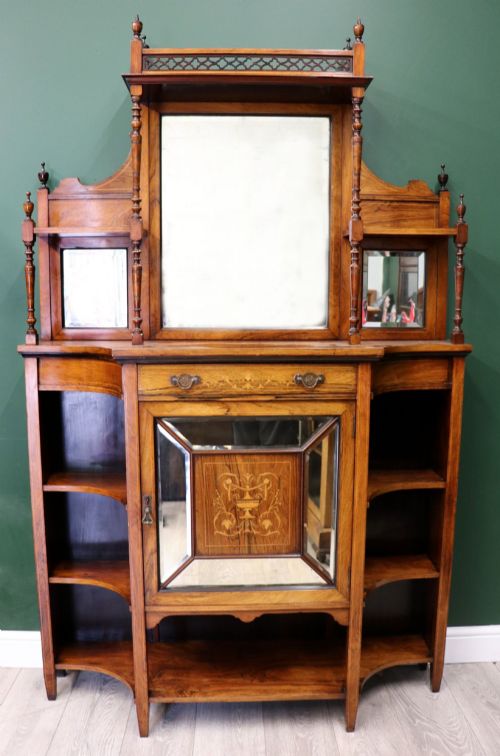
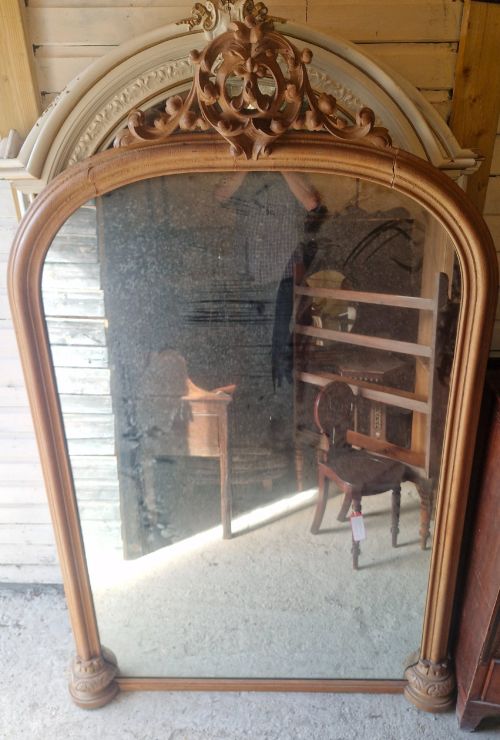
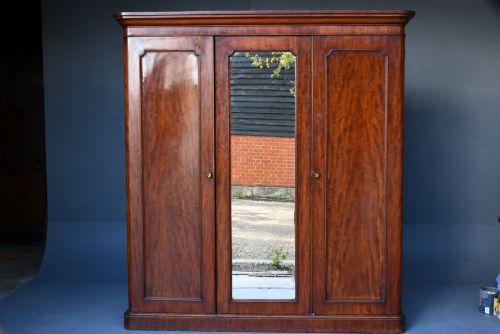
When you search for a victorian wood mirror, you find large overmantles, cheval stands and carved wall frames shaped by nineteenth-century hands.
Victorian Wood Mirror
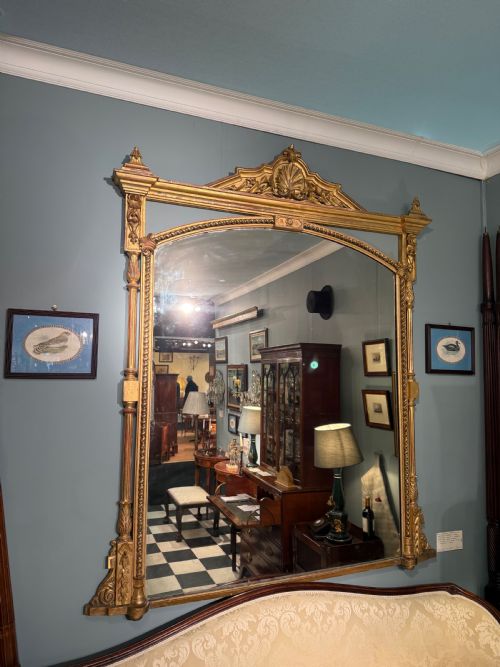
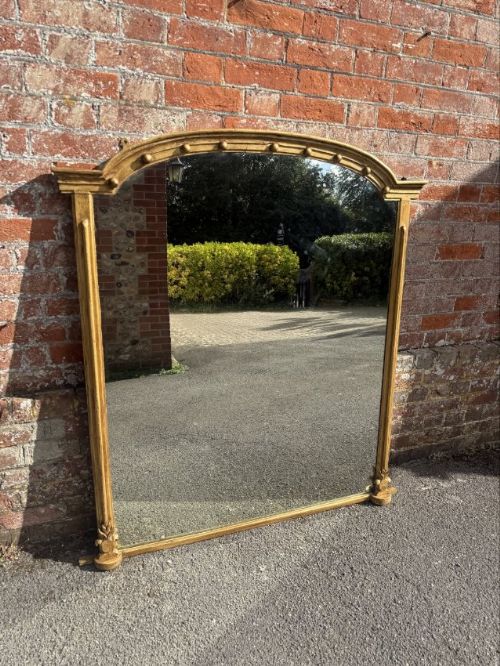
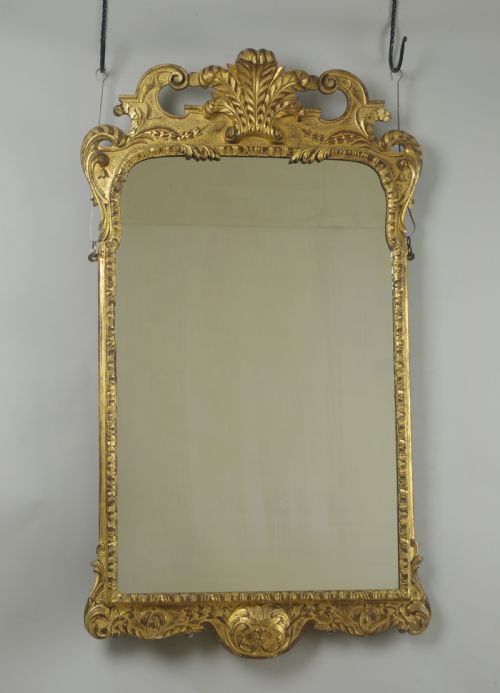
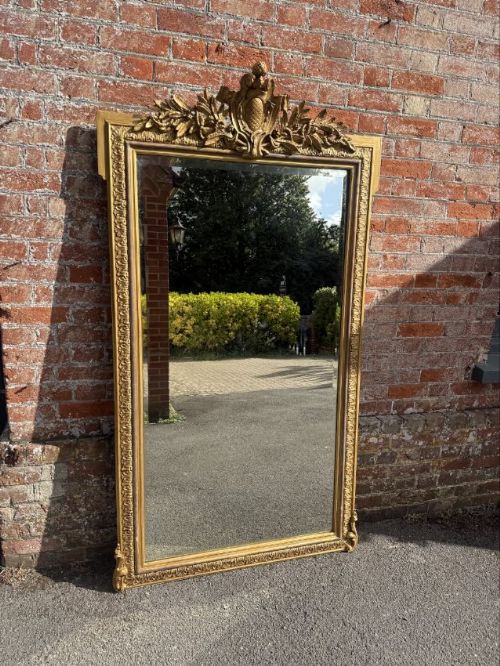
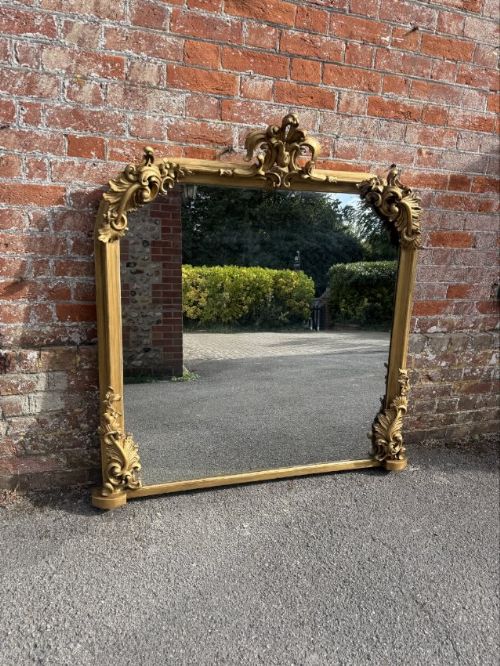
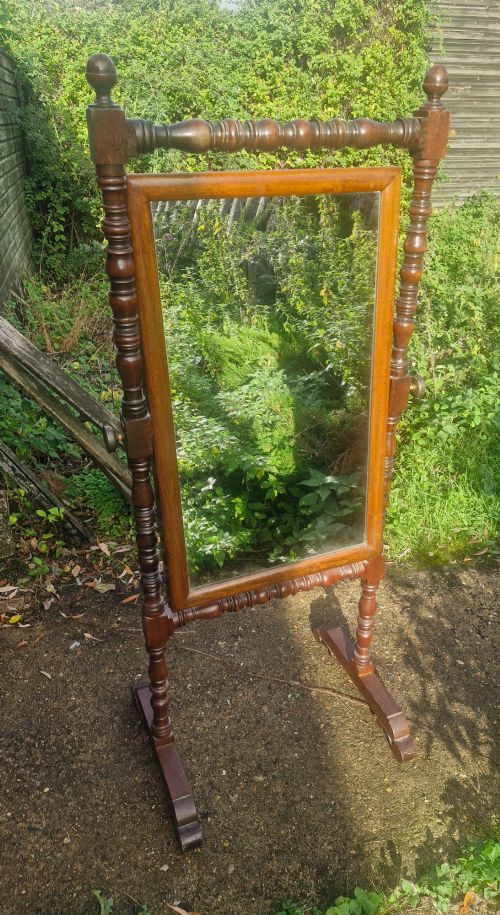
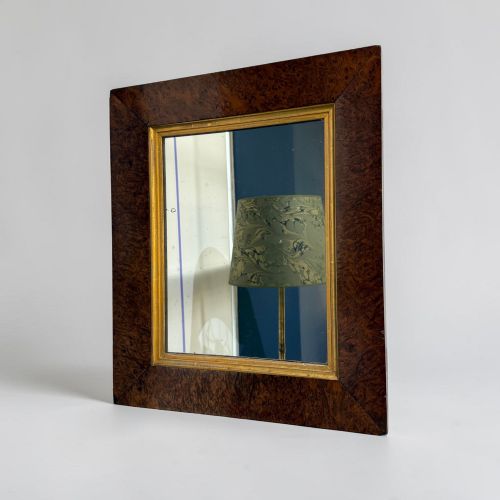
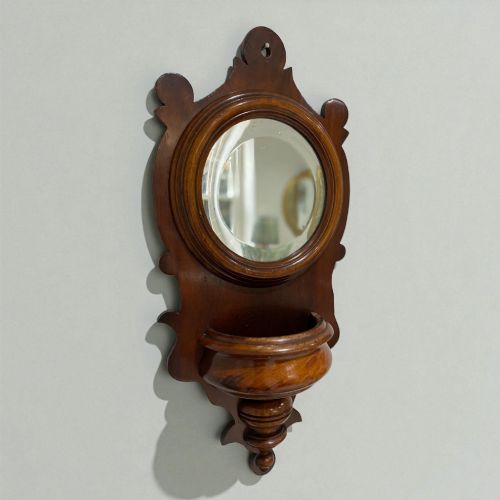
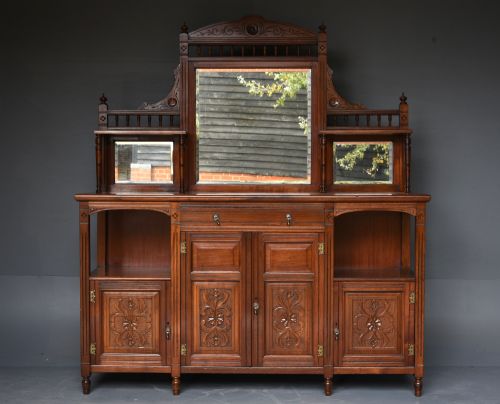
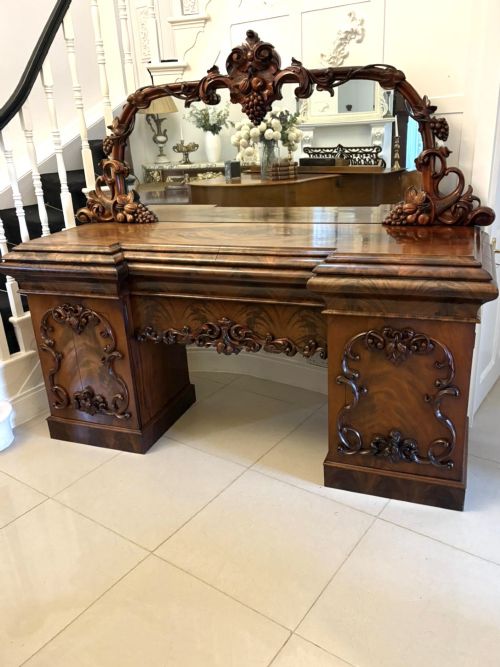
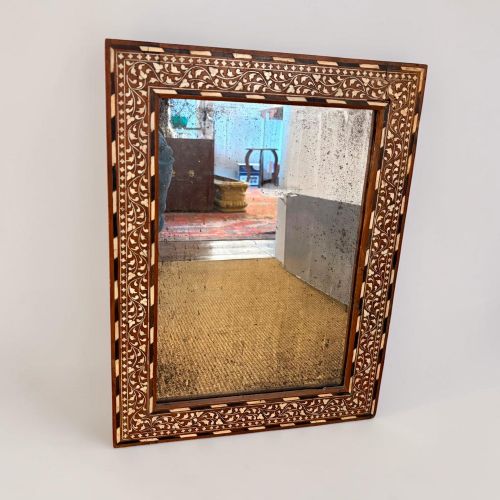
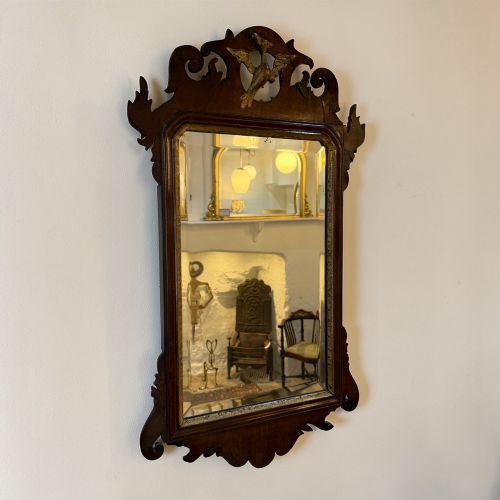
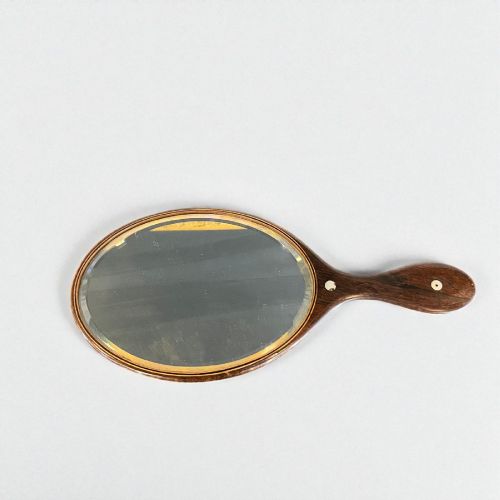
A victorian wood mirror encompasses domestic looking glasses designed for walls, overmantels above hearths, and floor-standing cheval pivots. The most frequent versions seen here are grand giltwood overmantle mirrors with arched tops, alongside solid mahogany, oak, and walnut wall frames.
Makers adapted styles across the nineteenth century, moving from heavy architectural timber constructions to ornate Rococo Revival curves and late-century revival designs. Pieces span the decades from the mid-Victorian years through to the turn of the twentieth century, occasionally referencing earlier Georgian or Regency tastes.
Domestic interiors relied on these reflective surfaces to bounce light around principal rooms and dressing chambers. Surviving examples range from simple country house mahogany ovals to monumental gilded statements built for formal reception spaces.
How they were made
Carpenters constructed structural frames from solid timbers including mahogany, oak, walnut, maple, and rosewood, often employing traditional jointing methods and fretwork cutting. Carved ornamentation and applied mouldings frequently utilised gesso built up over a wooden base to receive gilding or paint.
Giltwood finishes applied gold leaf over prepared gesso grounds, creating the brilliant reflective surfaces seen on formal overmantle and pier mirrors. Brass hardware, including pivoting brackets on cheval stands and hanging rings on wall frames, secured the heavy glass plates safely within their wooden housings.
Several mirrors incorporate nautical tastes or cheeky Ho Ho birds peering out from intricate carved wooden crestings.
What varies in quality
Depth and crispness of hand-carved woodwork distinguish finer frames from simpler production pieces. Deep relief carving on acanthus leaves, scrollwork, and crestings demonstrates superior workshop skill compared to shallow or cast composition ornaments.
The choice of primary timber and the integrity of the original gilded or polished finish determine the tier of an object. Heavy quality construction using dense hardwoods and genuine gold leaf maintains stability and presence across centuries.
Collinson & Lock·Maple & Co
The Victorian Wood Mirror Glossary
- Overmantle mirror
- A large horizontal mirror designed specifically to hang on the wall directly above a fireplace mantelpiece. These often feature arched tops and substantial frames to anchor the chimney breast.
- Gesso
- A plaster-like mixture applied to wooden frames as a smooth base for gilding or painting. Skilled artisans moulded and carved intricate relief patterns directly into this ground layer.
- Cheval glass
- A floor-standing full-length mirror mounted on a vertical frame with pivoting side pins. This allows the glass to tilt at various angles for dressing rooms.
- Pier glass
- A tall mirror designed to hang on the narrow pier of wall space situated between two windows. They frequently accompanied matching console tables.
- Giltwood
- Timber carved and subsequently covered with gold leaf or metallic powder. It defines the opulent reflective aesthetic of nineteenth-century reception rooms.
Victorian Wood Mirror: Frequently Asked Questions
Where should an overmantle mirror be placed?
These large mirrors belong directly above a fireplace mantelpiece, where nineteenth-century rooms traditionally anchored their primary decorative focus. Their proportions suit wide wall spaces that require visual weight and reflected light.
Positioning them at standard mantel height also allows the arched top to break up blank vertical expanses beneath high ceilings.
How do I identify a cheval mirror?
A cheval mirror stands independently on the floor using a heavy wooden frame supported by four legs or a stable platform base. Lateral side pins allow the entire glass plate to tilt back and forth.
Nineteenth-century examples frequently served in dressing rooms and bedrooms for full-length attire checks.
What is the difference between gesso and solid carved wood?
Solid carved wood involves shaping the actual timber frame using chisels and gouges to create three-dimensional decorative motifs. Gesso is a plaster composition applied over a simpler wooden core to receive sharp, intricate moulded details.
Many formal nineteenth-century pieces combine both techniques, using timber for structural strength and gesso for ornate surface relief.
How do I date a nineteenth-century wooden mirror?
Dating relies on stylistic shifts, timber choices, and construction methods visible across different decades. Mid-century examples often lean towards heavy giltwood Rococo Revival curves, while late-century pieces introduce varied woods like maple, satinwood, and stylistic revivals.
Backboards, screw types, and framing hardware further assist in placing an object within the Victorian era.