




Victorian Wood Airer
These Victorian wood airer examples are sturdy practical frames designed for drying textiles, offering timeless utility and rich timber tones for domestic interiors.
Victorian Wood Airer
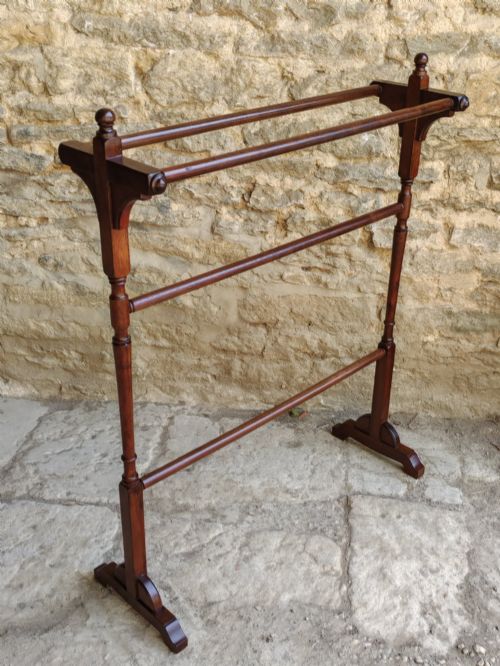
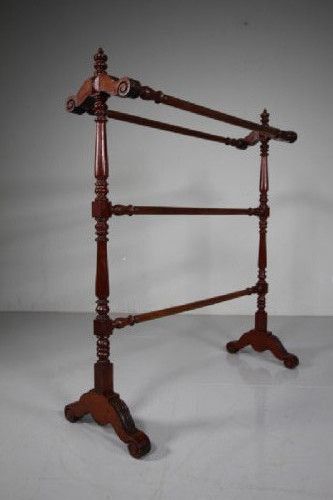
A victorian wood airer primarily takes the form of a towel rail or kitchen rack used for drying laundry and towels in nineteenth-century homes. The examples seen on this page span several decades, ranging from early nineteenth-century pieces through the Victorian and Edwardian eras.
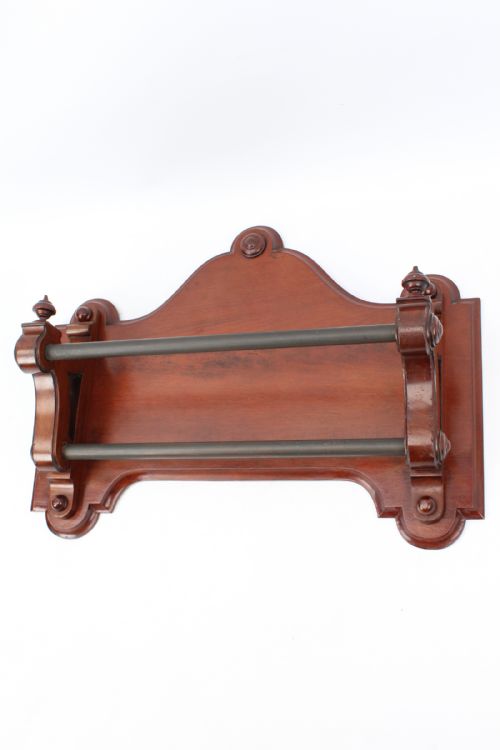
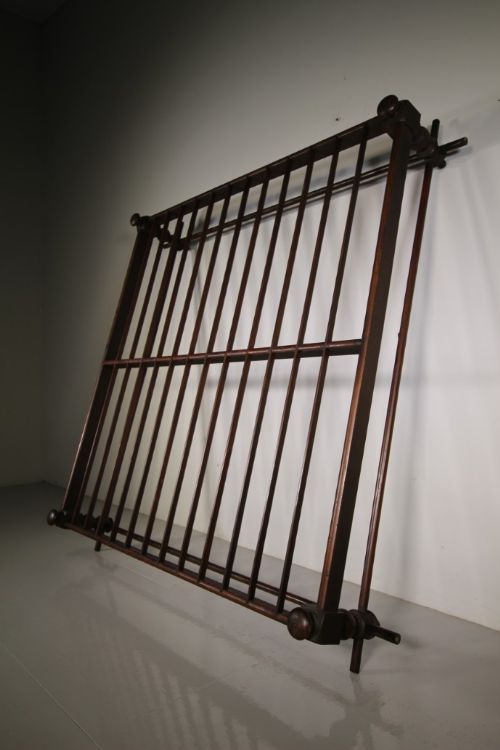
The most common form encountered here is the mahogany towel rail, appearing in standing, folding, hanging, and three-fold configurations. Buyers also encounter larger William IV and oversized formats, alongside occasional oak kitchen hanging racks.
Origins and styles stretch from simple rustic farmhouse items to more formal Victorian Gothic Revival pieces in walnut. These functional household objects bring period warmth and practical hanging space to modern utility rooms and bathrooms.
How they were made
Cabinet makers utilised dense hardwoods such as mahogany and oak to construct frames capable of withstanding the weight of damp laundry. These timbers were shaped into rails and uprights designed to fold or stand securely.
Metal components such as brass frequently feature as hinges, brackets, or hanging hardware to support the folding action of multi-fold rails. Joinery techniques ensured the structures remained rigid under heavy daily household use.
Victorian Wood Airer Retail Price Guide 2026
Typical asking prices for victorian wood airer among the pieces listed under this phrase on Sellingantiques today, from the lower quarter to the upper quarter. They describe what is for sale here now, not the wider market.
Some Cumbrian kitchen racks survived centuries of damp laundry by hanging quietly above coal-fired ranges.
What varies in quality
The distinction between standard utility items and finer pieces lies in the choice of timber and the sophistication of the joinery. Mahogany examples often display richer grain figures and more careful turning on the uprights compared to simpler utilitarian versions.
Complexity of construction also divides the range, moving from fixed single rails to sophisticated folding cheval formats and large multi-fold designs. Original brass hardware and intact folding mechanisms elevate the execution of a piece.
The Victorian Wood Airer Glossary
- Cheval rail
- A standing frame supported on feet or pillars that swings or tilts on pivots. This format allows the rails to adjust angles for optimal drying.
- William IV
- A stylistic period spanning the 1830s characterised by robust proportions and classical influence. Pieces from this era often feature heavier dimensions.
- Gothic Revival
- An architectural and decorative style popular during the nineteenth century drawing on medieval motifs. Walnut examples in this taste display pointed arches or ecclesiastical detailing.
- Hanging rack
- A ceiling or wall-mounted frame utilised in kitchens for drying linens or storing provisions. These utilise pulleys or fixed brackets.
Victorian Wood Airer: Frequently Asked Questions
What is a victorian wood airer used for?
These items served primarily for drying laundry, damp towels, and household linens before the invention of automated tumble dryers.
Today, homeowners utilise them in bathrooms and utility spaces for hanging towels and garments while adding period character to the room.
How do I tell an early Victorian airer apart from an Edwardian one?
Early pieces often display heavier proportions and simpler lines associated with William IV and early nineteenth-century cabinet making.
Edwardian examples tend to show lighter construction, reflecting changing domestic tastes and manufacturing methods at the turn of the twentieth century.
Are these airers suitable for daily use?
Solid hardwood construction and sturdy joinery make these frames remarkably durable for everyday household tasks.
Care should be taken not to overload antique folding hinges or expose fragile historical timbers to excessive moisture.
What woods were used for these airers?
Makers predominantly selected mahogany for its strength, stability, and rich dark grain appearance in formal rooms.
Oak and walnut also appear, particularly in regional pieces and specific revival styles like Victorian Gothic.