






Victorian Wire Earrings
These Victorian wire earrings bring true nineteenth-century character to the ear, offering the refined charm and delicate metalwork collectors prize.
Victorian Wire Earrings
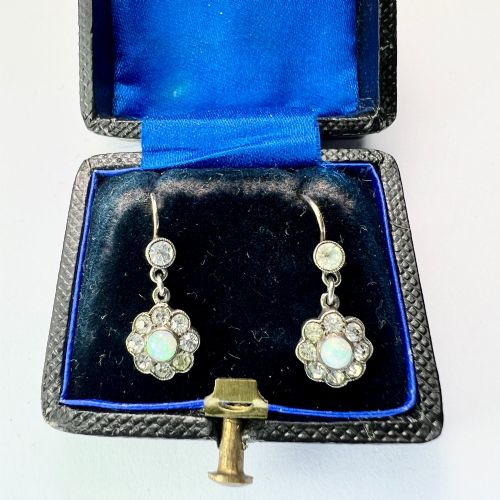
When you search for victorian wire earrings, you encounter delicate drop designs shaped by nineteenth-century jewellers, often featuring precious metals and organic stones. The pieces found here span genuine nineteenth-century examples alongside later revivals, displaying the enduring appeal of drop configurations.
Most items you meet on this page utilise secure wire attachments to support ornate settings of silver or gold. These forms showcase classic botanical motifs, geometric shapes, and natural gemstones suited to everyday wear or evening display.
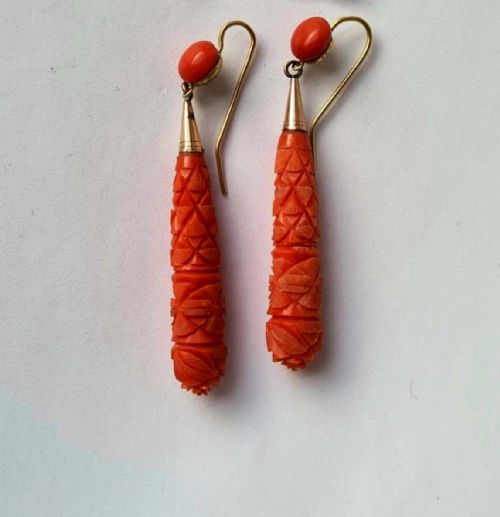
The selection encompasses diverse stylistic influences, ranging from early nineteenth-century coral carvings to later aesthetic movement silverwork. Collectors encounter both modest silver gilt pieces and substantial high-carat gold mountings.
Materials and construction methods
The construction relies on precious metals such as sterling silver, gold, and pinchbeck, shaped into slender wires and intricate bezels. Metalwork techniques include gilding, delicate wire-twisting, and structural framing designed to support fragile stones without excess weight.
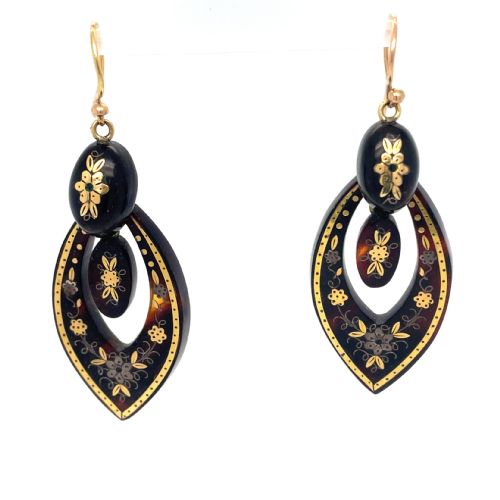
Makers set natural materials including coral, garnets, opals, and paste into these frames, often securing them with precision claws or flush bezels. Carved organic elements like shell cameo and Whitby jet demonstrate traditional hand-working methods of the period.
Victorian Wire Earrings Retail Price Guide 2026
Typical asking prices for victorian wire earrings among the pieces listed under this phrase on Sellingantiques today, from the lower quarter to the upper quarter. They describe what is for sale here now, not the wider market.
Listings feature 9ct gold, 15ct gold, and silver alongside organic materials including coral, garnet, opal, and tortoiseshell.
Assessing quality in antique earrings
The distinction between ordinary and exceptional pieces lies in the crispness of the metal wirework and the quality of the set stones. Superior examples display harmonious proportions, secure stone settings, and thoughtful integration of wire findings with the main decorative drop.
Material selection further defines the hierarchy, with high-carat gold and natural cabochon garnets or matched opals sitting at the upper end of the scale. Lesser pieces utilise simpler silver gilt or paste substitutes while maintaining the traditional drop silhouette.
Knoll and Pregizer
The Victorian Wire Earrings Glossary
- Pinchbeck
- A form of yellow brass alloy resembling gold, invented in the eighteenth century and utilised for affordable jewellery settings. It patinates richly over time.
- Silver Gilt
- Silver covered with a thin layer of gold, providing the visual warmth of gold while utilising a silver base metal. This technique was common in Victorian decorative pieces.
- Cabochon
- A gemstone shaped and polished with a smooth, rounded surface rather than faceted edges. This cut highlights the natural depth of garnets and opals.
- Aesthetic Movement
- A late nineteenth-century design style emphasising visual beauty over narrative meaning. It drew inspiration from nature and Japanese art.
Victorian Wire Earrings: Frequently Asked Questions
How were these earrings worn historically?
Women wore these drop designs for daytime social calls and evening dining, matching the metal tone to other personal ornaments. The lightweight wire construction ensured comfort during extended wear.
Over time, changing fashions transformed how these drops complemented contemporary necklines and hairstyles.
How do I care for antique earrings?
Gentle cleaning with a soft, dry cloth preserves the delicate metal wire and organic materials like coral or jet. Avoid harsh chemical dips, ultrasonic cleaners, and excessive moisture.
Proper storage in individual compartments prevents the wire hooks from bending or tangling with other pieces.
How can I tell different periods apart?
Early Victorian and Regency examples often feature carved organic materials like coral and distinct shell cameos. Later Victorian and Edwardian pieces frequently incorporate mixed metals, bolder garnets, and refined paste stones.
Examining the wire gauge, clasp type, and setting style provides clear clues to the manufacturing decade.