



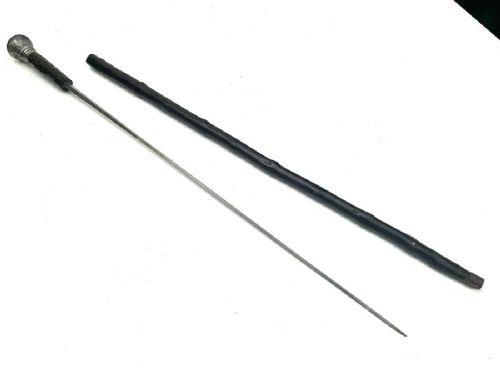

Victorian Weapon Stick
A victorian weapon stick is a disguised self-defence implement that conceals a blade within a wooden or cane shaft, designed for nineteenth-century gentlemen.
Victorian Weapon Stick
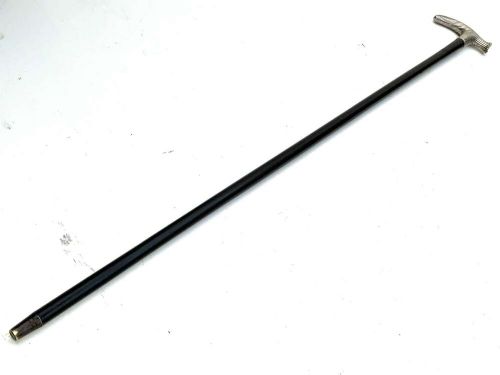
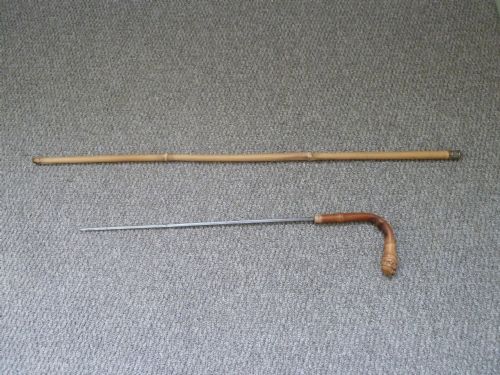
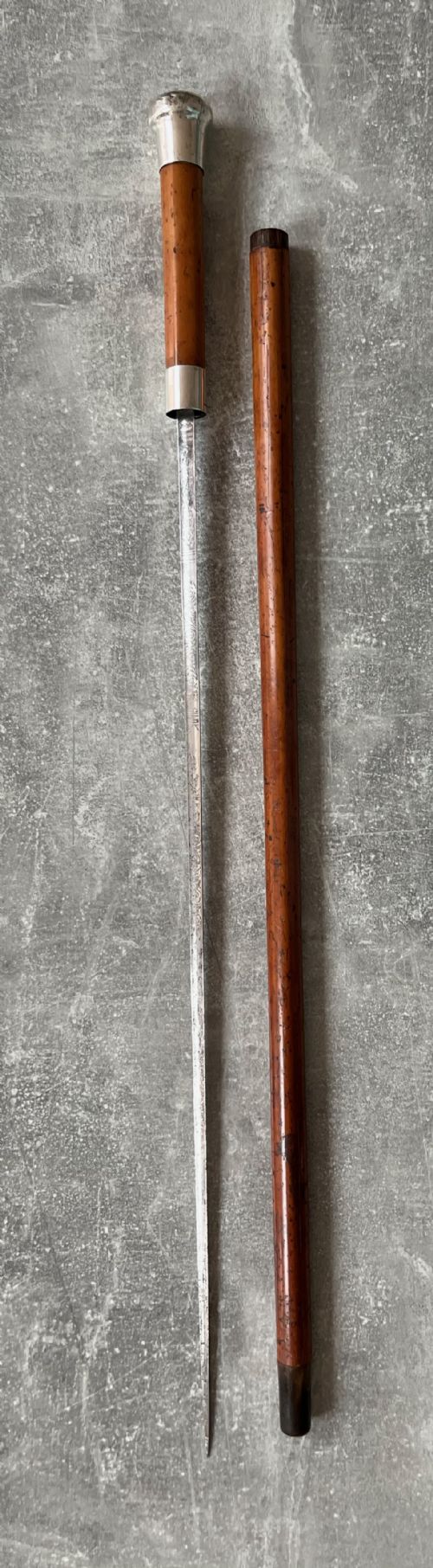
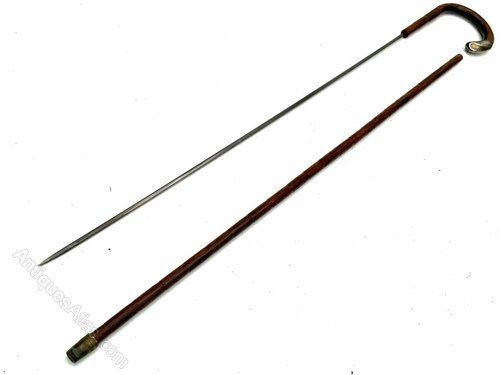
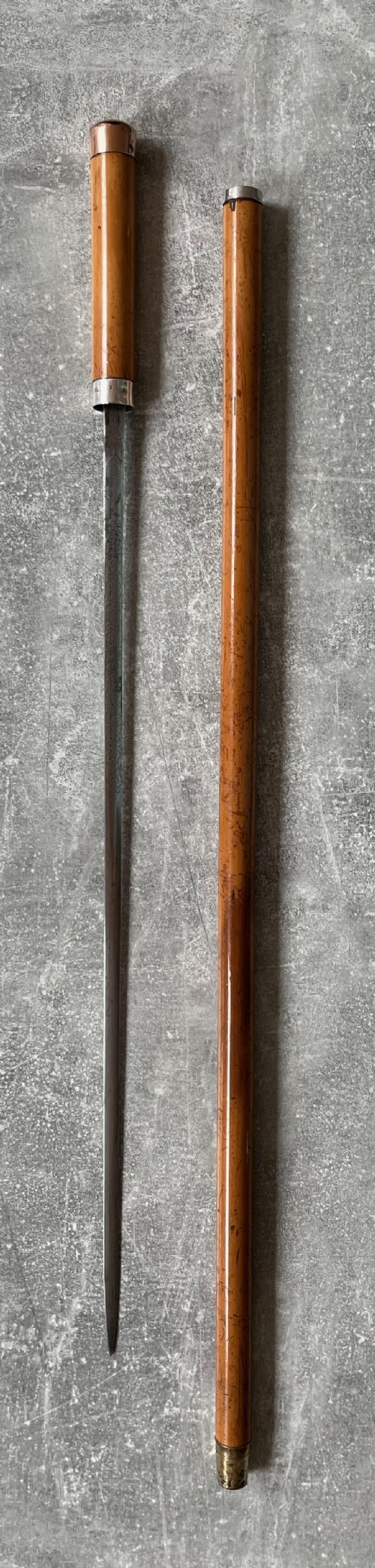
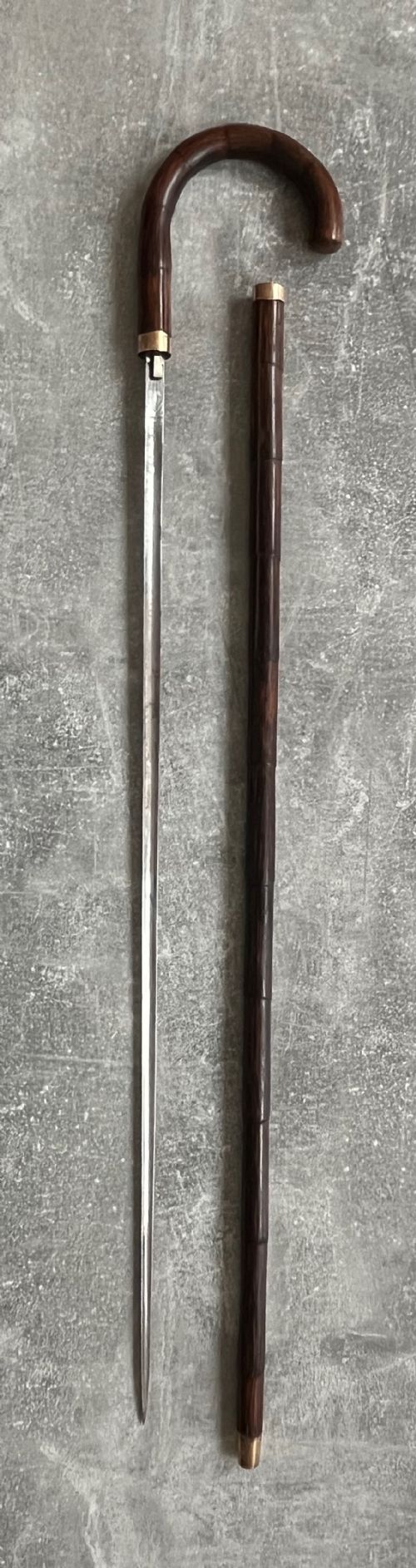
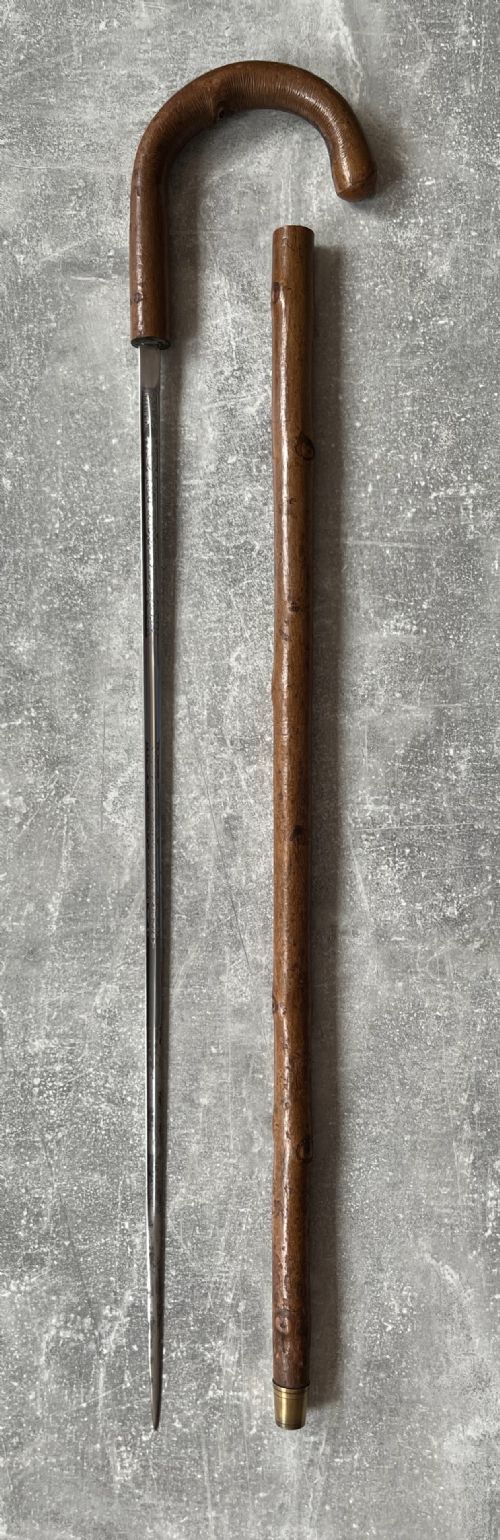
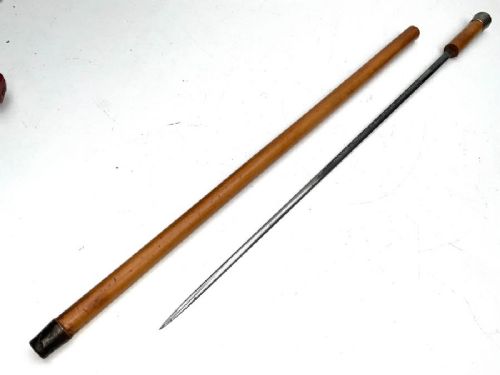
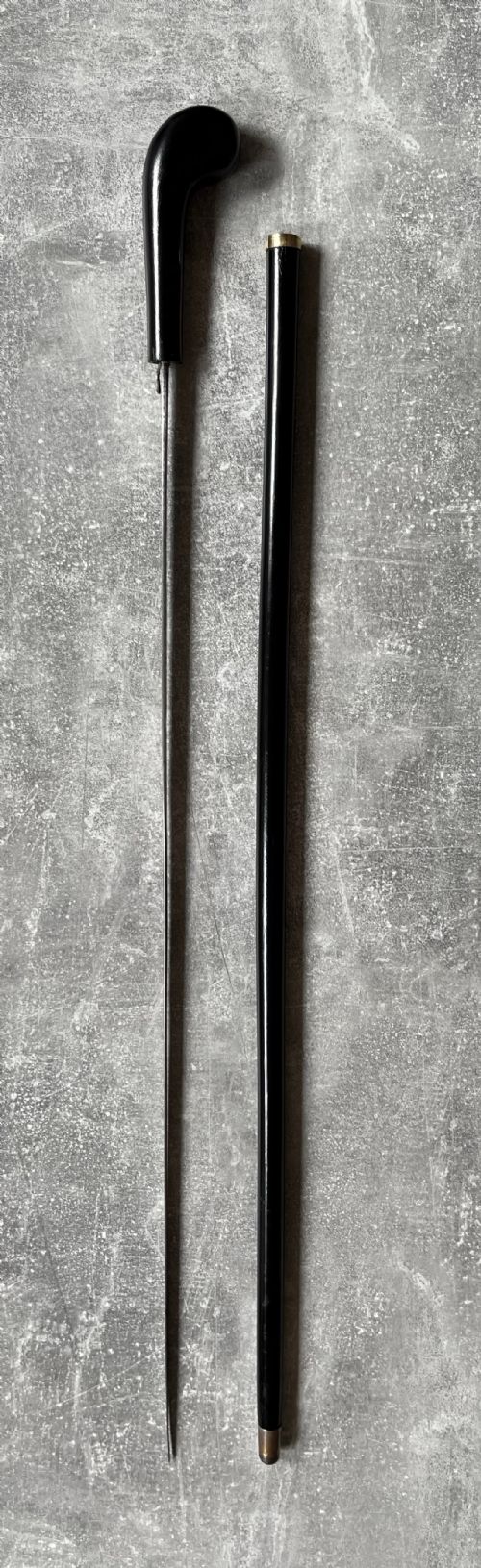
When searching for a victorian weapon stick, buyers encounter disguised blades hidden inside walking canes, malacca shafts, and bamboo stems. These pieces combine everyday gentlemanly accessories with concealed steel, originating from the nineteenth century into the early twentieth century.
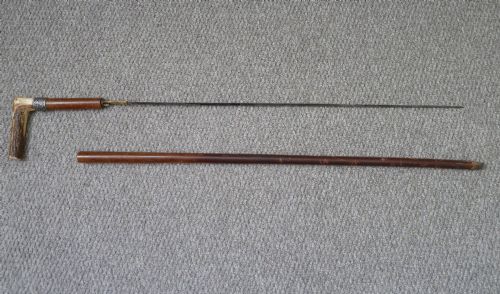
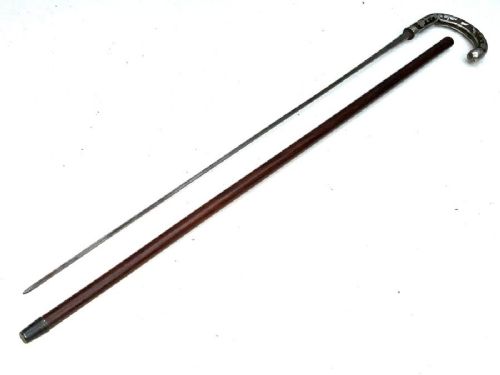
The most common examples on this page are sword sticks featuring horn handles, silver mounts, and button releases. Makers utilised natural materials like cherrywood, hazel, partridge wood, and blackthorn to fashion the outer shafts.
Some variants incorporate French porcelain, snakeskin coverings, antler grips, and specific military or masonic associations. Alongside standard walking sticks, related ethnographic items such as Aboriginal nulla-nulla throwing clubs appear within the broader category.
Materials and construction
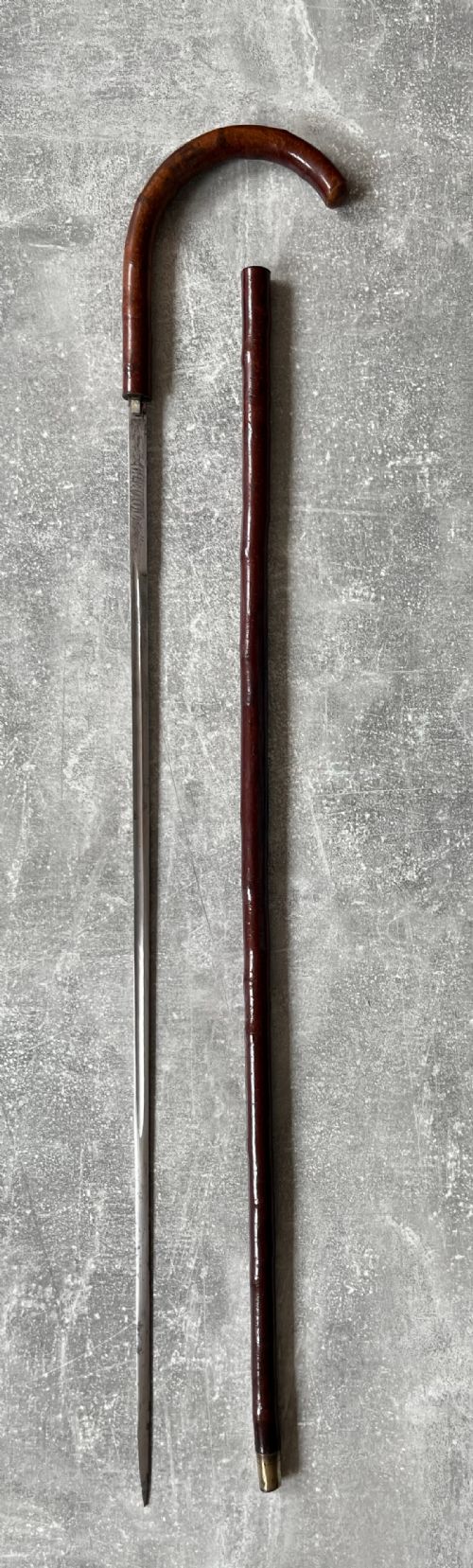
Makers constructed the outer hafts from natural hardwoods, malacca cane, bamboo, and ebonised wood, frequently fitted with root ball handles or crook grips. Metal components included brass, silver mounts, and collars, while handles utilised horn, antler, and leather coverings.
The concealed blades inside a victorian weapon stick required specialised steel smithing. Blades originating from Toledo and makers such as Wilkinson were honed, etched, and fitted securely into the wooden shafts with button releases or friction catches.
Victorian Weapon Stick Retail Price Guide 2026
Typical asking prices for victorian weapon stick among the pieces listed under this phrase on Sellingantiques today, from the lower quarter to the upper quarter. They describe what is for sale here now, not the wider market.
Listings feature woods such as malacca cane, bamboo, partridge wood, hazel, and blackthorn, alongside steel blades from Toledo and Wilkinson.
Determinants of quality
Superior examples of a victorian weapon stick are distinguished by the pedigree of the blade maker and the sophistication of the locking mechanism. Etched Toledo steel and signed Wilkinson blades indicate higher production standards than unmarked alternatives.
The refinement of the exterior materials and mounts elevates certain pieces above standard utility items. Solid silver collars, hallmarked mounts, carved horn handles, and intact snakeskin or leather coverings demonstrate greater craftsmanship.
Brigg·Wilkinson
The Victorian Weapon Stick Glossary
- Malacca cane
- A strong, resilient rattan stem featuring characteristic dark patches, frequently used for walking sticks and sword sticks.
- Toledo blade
- A steel blade produced in Toledo, Spain, renowned for historic sword-making traditions and flexibility.
- Wilkinson blade
- A steel blade manufactured by the Wilkinson Sword company, noted for quality and military association.
- Knop
- A rounded knob or decorative swelling at the top of a walking stick handle.
- Ebonised wood
- Timber treated with a dark stain or finish to imitate the appearance of solid ebony.
Victorian Weapon Stick: Frequently Asked Questions
What is a victorian weapon stick?
A victorian weapon stick is a walking cane or shaft that conceals a steel blade inside, designed for personal protection during the nineteenth and early twentieth centuries.
These pieces look like ordinary gentlemanly accessories from the outside, using a button release or pull mechanism to reveal the hidden weapon.
How were these sticks carried?
Gentlemen carried them during daily walks through urban streets or rural areas as a standard part of attire.
They offered discreet protection against potential threats without requiring the open display of a traditional sword or firearm.
How do I identify the blade maker?
Makers often etched their names, trade marks, or place of origin directly onto the steel blade near the hilt.
Pulling the shaft apart reveals these signatures, with notable blades coming from Toledo workshops or British makers like Wilkinson.
What materials make up the shaft?
Shafts consist of natural materials including malacca cane, bamboo, cherrywood, hazel, partridge wood, blackthorn, and ebonised hardwoods.
Handles vary from simple root balls and crook shapes to carved horn, antler, and porcelain, often finished with silver collars.