


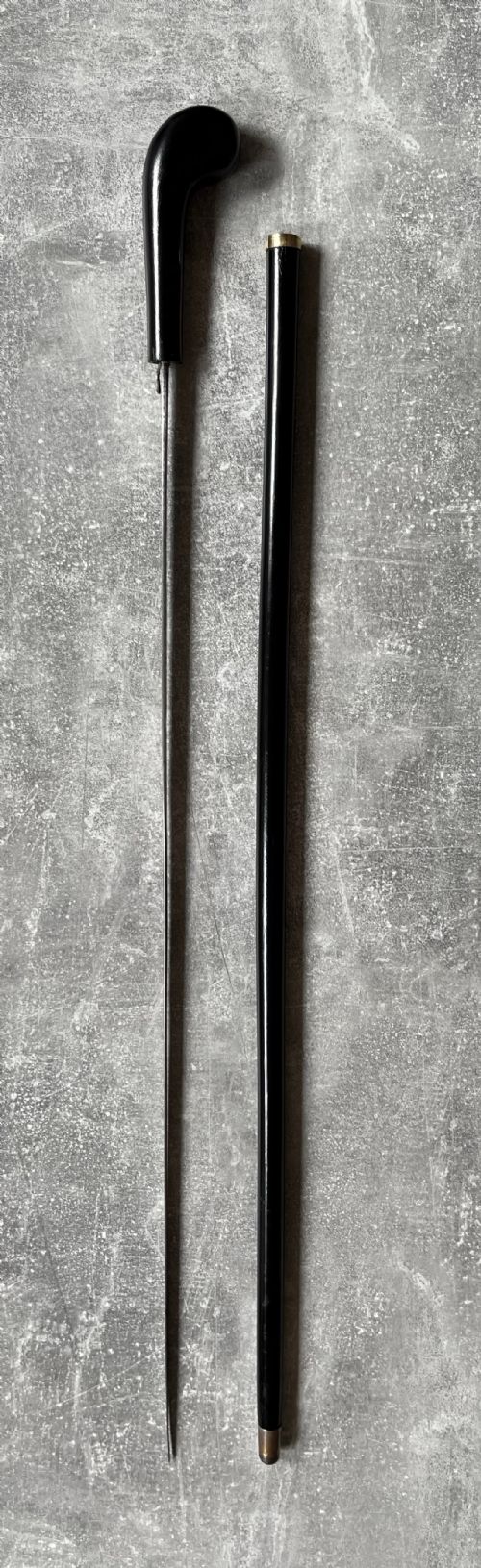


Victorian Weapon Cane
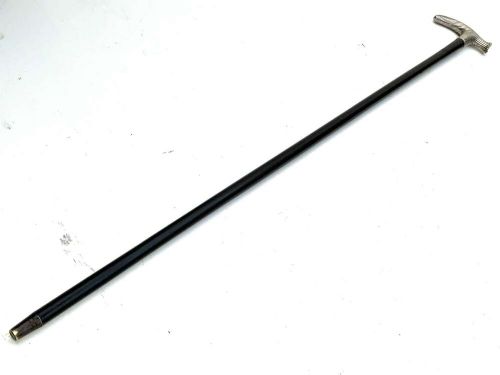
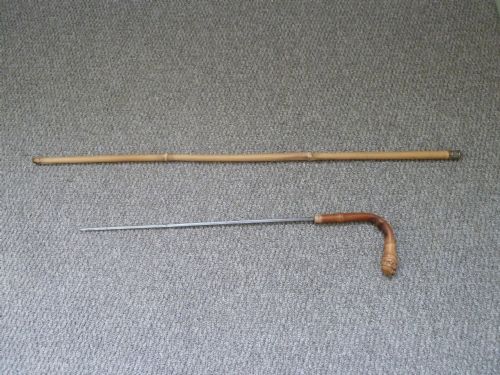
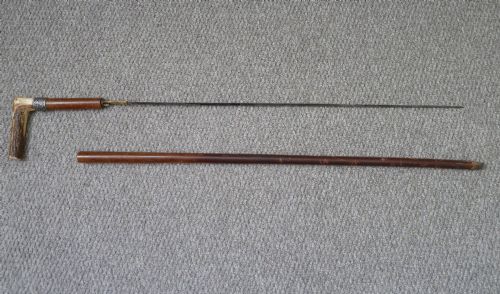
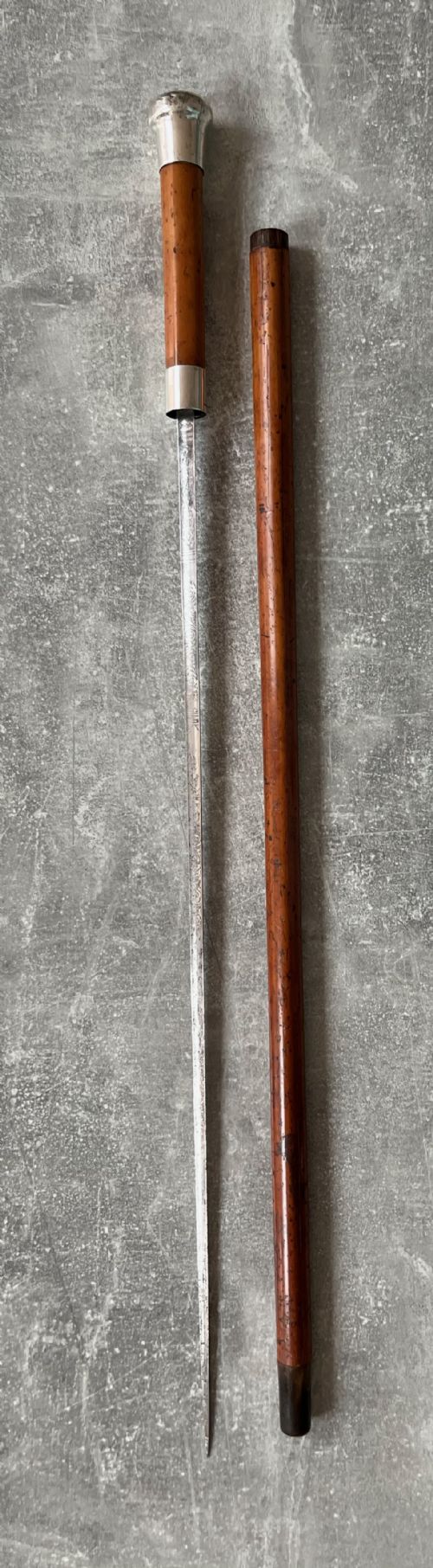
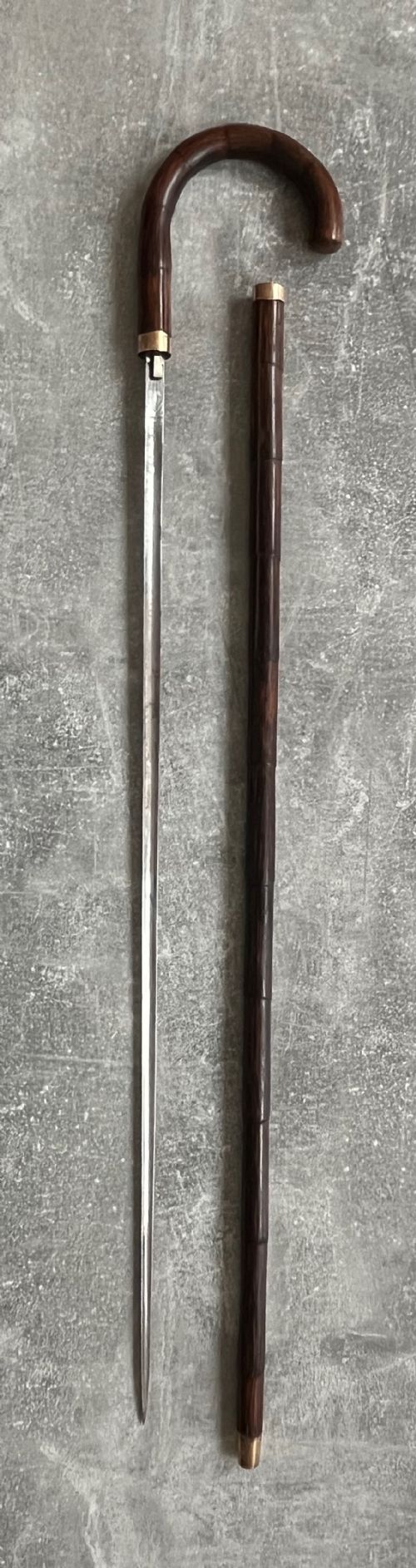
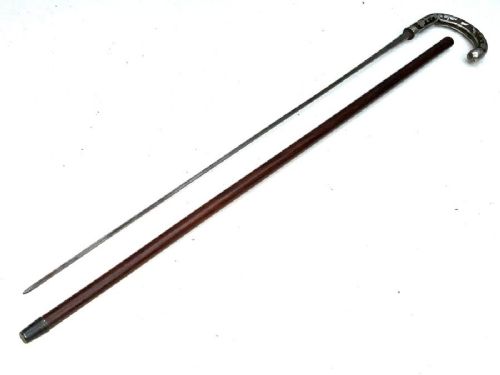
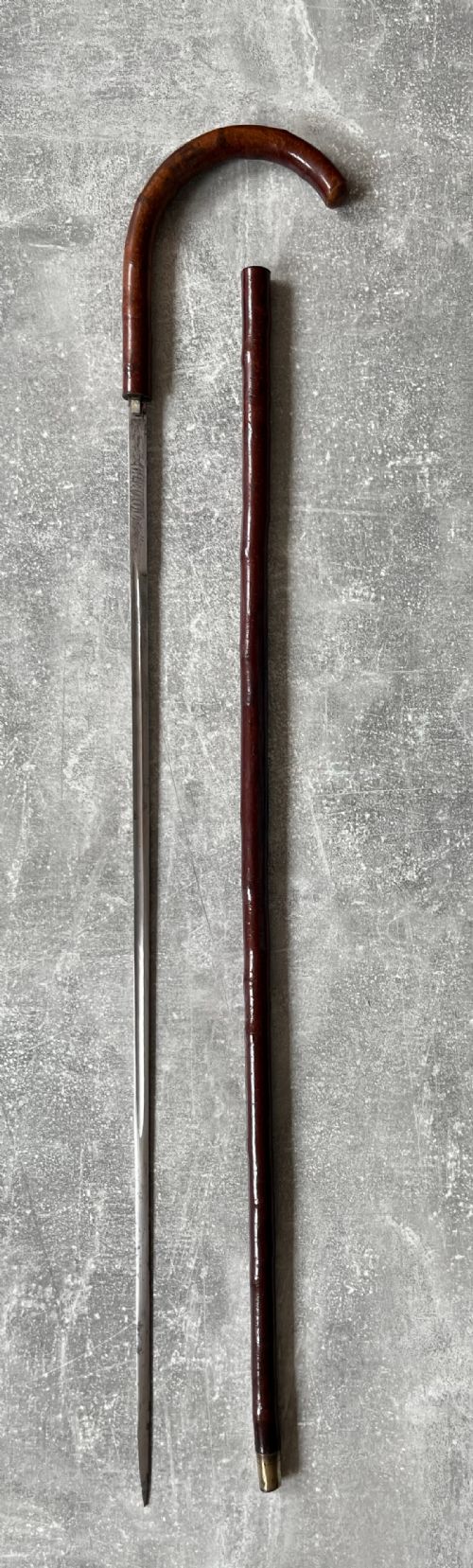
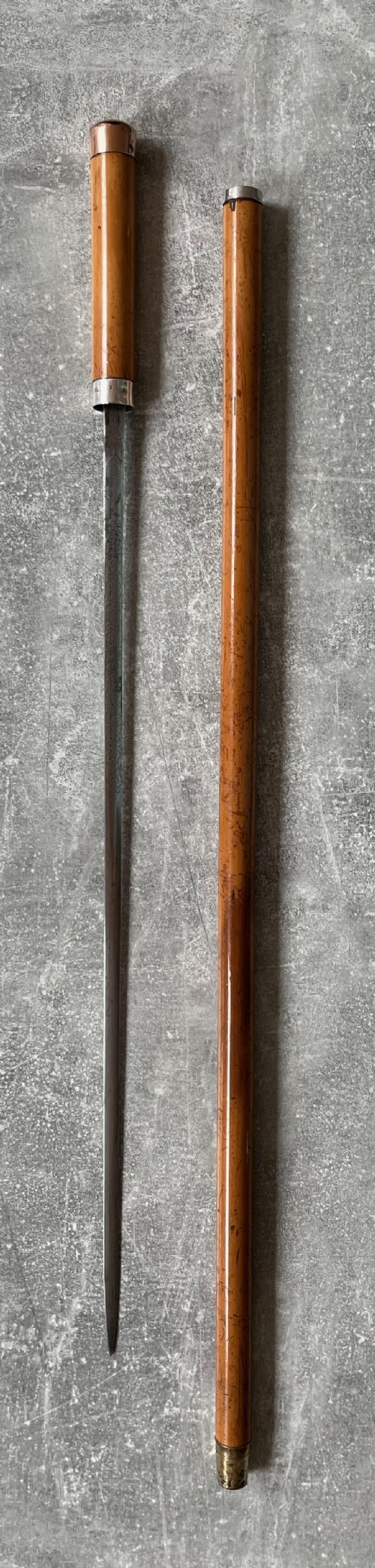
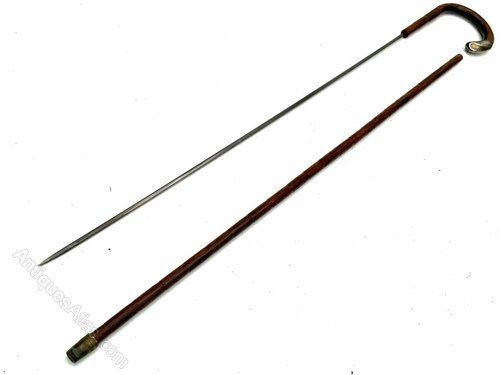
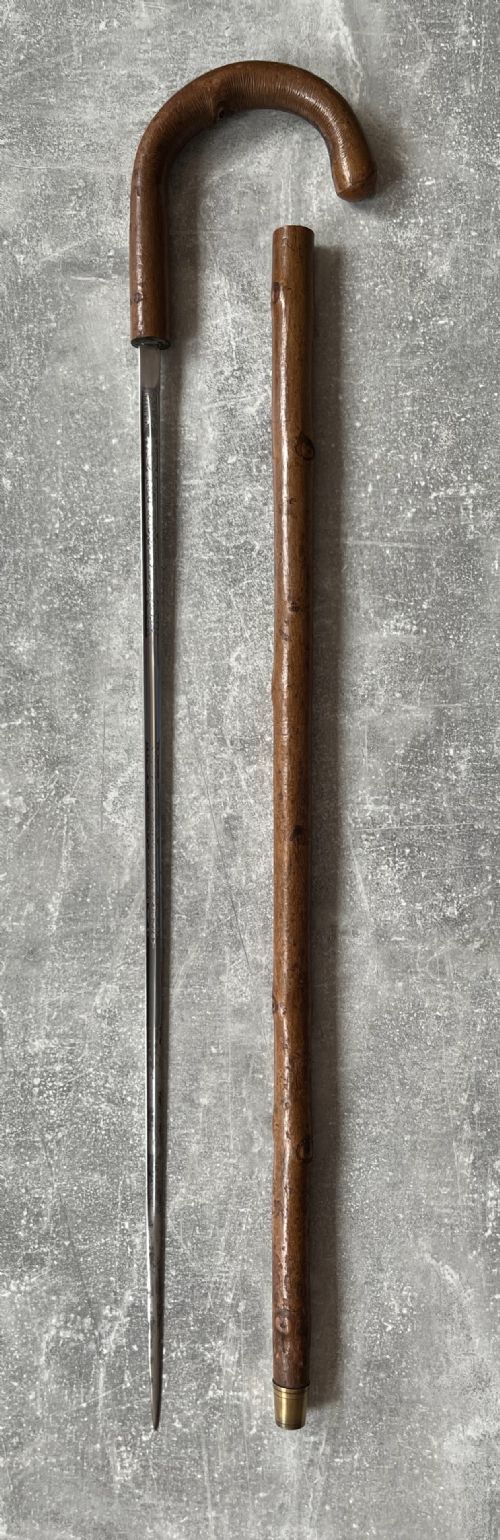
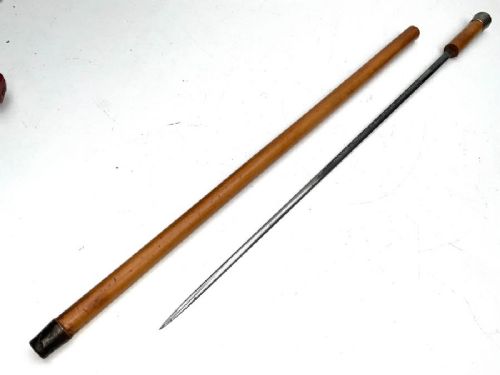
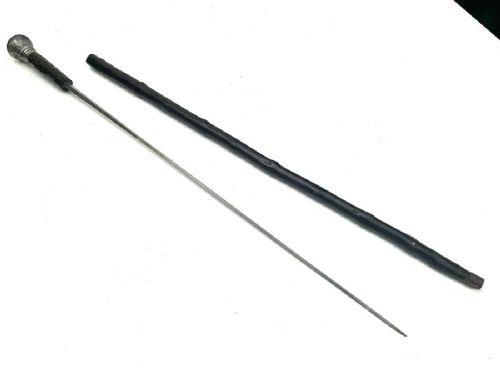
These victorian weapon cane pieces are discreetly concealed blades housed inside walking sticks, offering a gentleman both support and personal defence.
Victorian Weapon Cane
The objects take several forms, including military officers' swagger sticks, masonic walking sticks, and everyday gentleman's canes featuring horn, antler, or root-ended handles. Origins span British workshops alongside French examples featuring porcelain or snakeskin-covered hafts.
Makers such as Brigg produced notable pieces, whilst blades were frequently forged by established manufacturers like Wilkinson or imported from Toledo. The pieces reflect the social habits of the period, combining everyday outdoor accessories with functional edge weapons.
Materials and construction
Shafts are shaped from diverse materials including malacca cane, ebonised wood, bamboo, partridge wood, cherrywood, and hazel wood, frequently fitted with button release mechanisms to secure the internal blade. Handles utilise horn, silver, brass, leather, and porcelain, sometimes accented with gold and silver mounts or silver collars.
Blades are fashioned from steel, including specialised etched Toledo blades and Wilkinson blades, housed tightly within the wooden or cane scabbards. Exterior coverings range from simple polished wood to leather and snakeskin wraps over the haft.
Victorian Weapon Cane Retail Price Guide 2026
Typical asking prices for victorian weapon cane among the pieces listed under this phrase on Sellingantiques today, from the lower quarter to the upper quarter. They describe what is for sale here now, not the wider market.
Listings feature items dated from the 1870s through the 1930s, encompassing both Victorian and Edwardian periods.
Judging quality and execution
Quality rests upon the pedigree of the blade maker and the precision of the locking mechanism, where distinguished names like Wilkinson elevate a piece above standard unmarked work. The choice of materials dictates overall refinement, distinguishing simple hardwood shafts from examples adorned with precious metal mounts, silver knops, and carved horn handles.
The integration of the handle and release button demonstrates superior craftsmanship when the join remains seamless and secure during use. Finer pieces maintain balanced proportions between the walking stick shaft and the concealed steel blade.
Brigg·Wilkinson
The Victorian Weapon Cane Glossary
- Wilkinson blade
- A steel blade produced by the renowned British sword maker, often stamped near the hilt to denote superior quality. These blades are prized by collectors for their durability and fine forging.
- Malacca cane
- A resilient botanical stem imported from Southeast Asia, recognised by its distinctive brownish-yellow coloration and jointed nodes. It was widely utilised for high-end walking sticks due to its flexibility and strength.
- Toledo blade
- A steel blade originating from the Spanish city famed for swordsmithing, frequently featuring decorative etching. These blades indicate continental craftsmanship within a British or French mounting.
- Knop
- A decorative knob or rounded handle fitted to the top of a walking stick. In better examples, this component incorporates solid silver or precious metal mounts.
- Button release
- A mechanical catch set into the collar or shaft that secures the blade inside the cane until pressed. This device prevents the hidden weapon from sliding out unintentionally during normal walking.
Victorian Weapon Cane: Frequently Asked Questions
How do you release the concealed blade?
Most pieces utilise a mechanical button release set near the collar, which disengages a catch and allows the handle and blade to be drawn from the shaft.
Others rely on a friction fit where a firm pull separates the handle from the scabbard.
What woods were used for the shafts?
Maker workshops utilised malacca cane, bamboo, ebonised wood, cherrywood, hazel, and partridge wood.
Exotic and domestic timbers were selected for their straight grain and durability under daily use.
How do you care for these pieces?
Keep the wooden shafts conditioned with appropriate wax and store the items in dry conditions to prevent the timber from warping.
Lightly oil the steel blades periodically to protect the metal from oxidation.
Are the blades marked with maker names?
Certain examples bear signatures or stamps near the ricasso from renowned blade manufacturers such as Wilkinson. Nontheless, many pieces remain unmarked or feature retailer details rather than the original swordsmith.