

Victorian Wall Mirror Frame
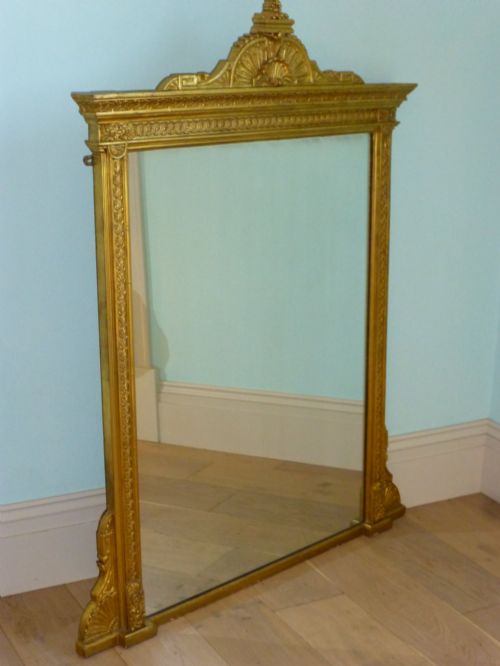
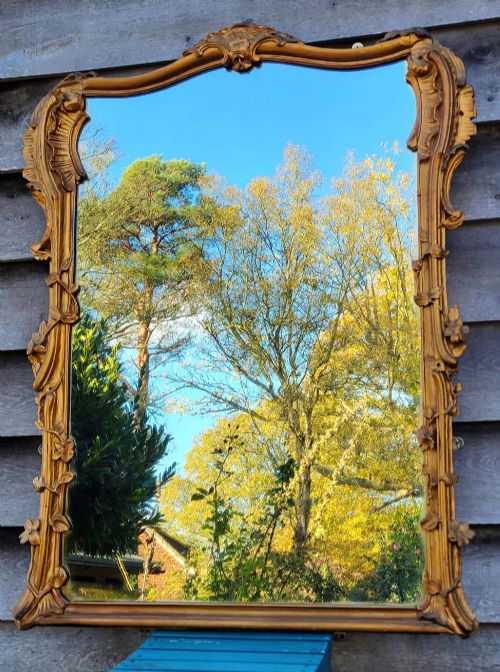
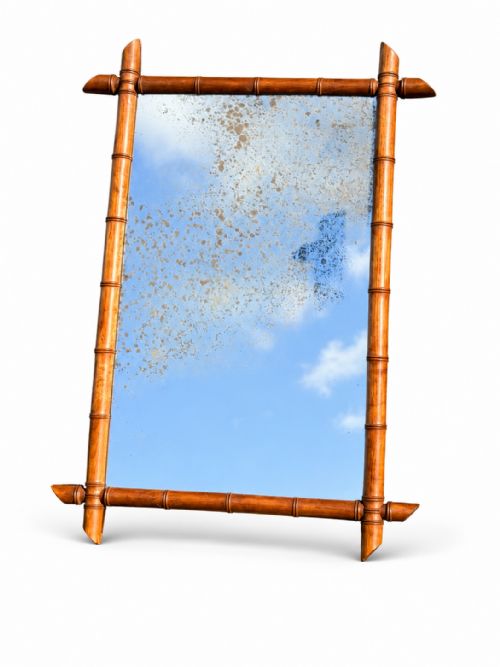
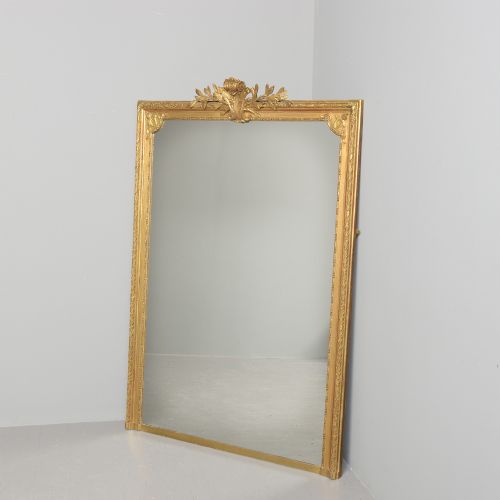
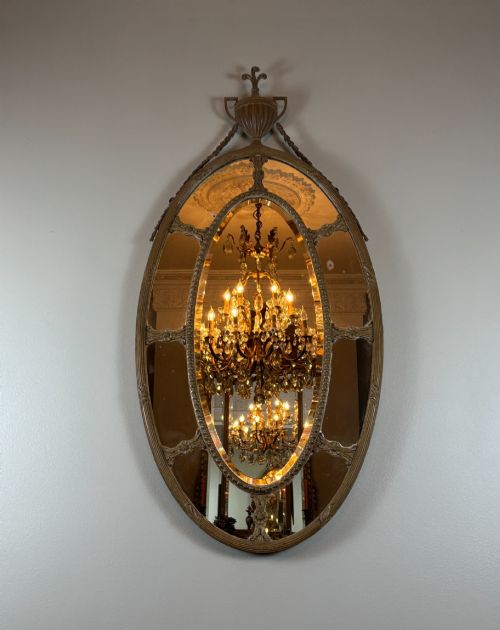
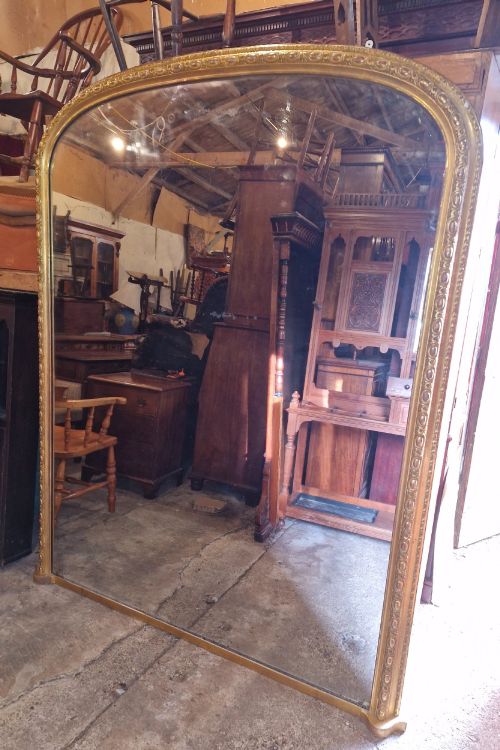
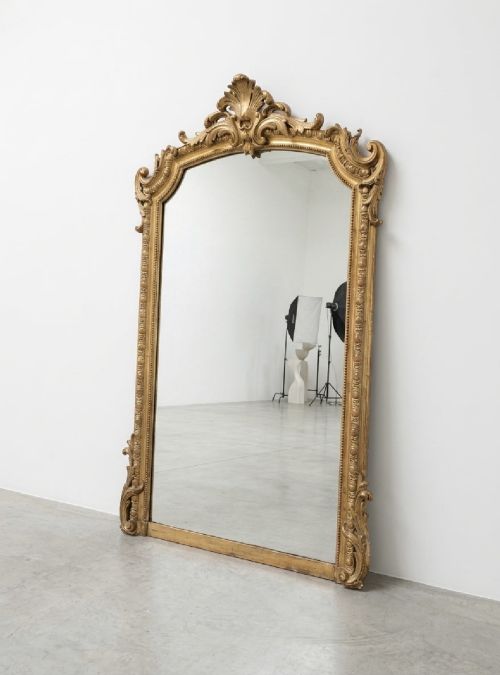
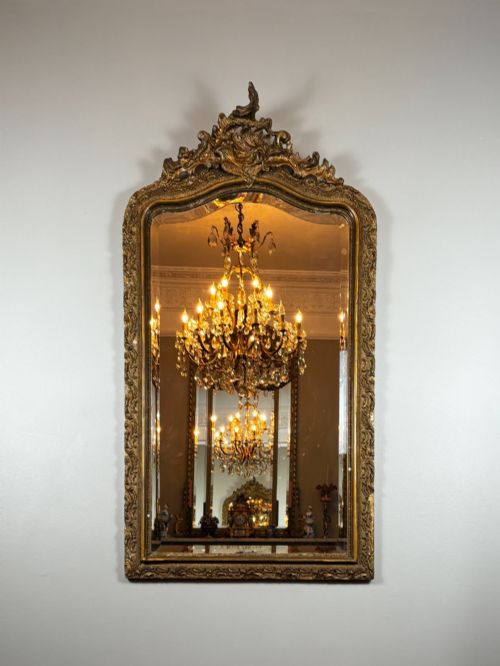
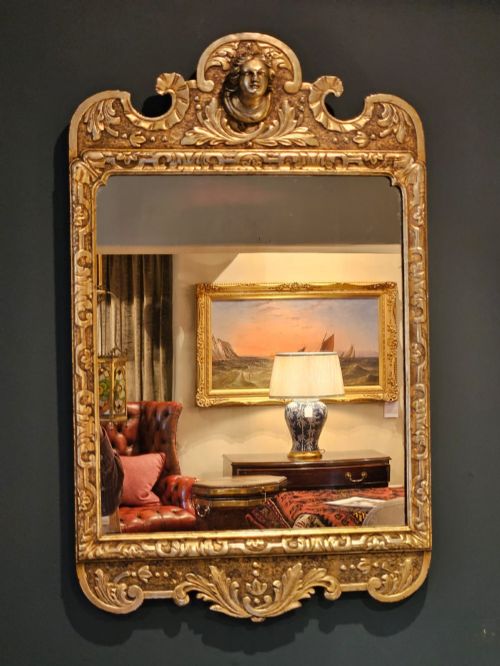
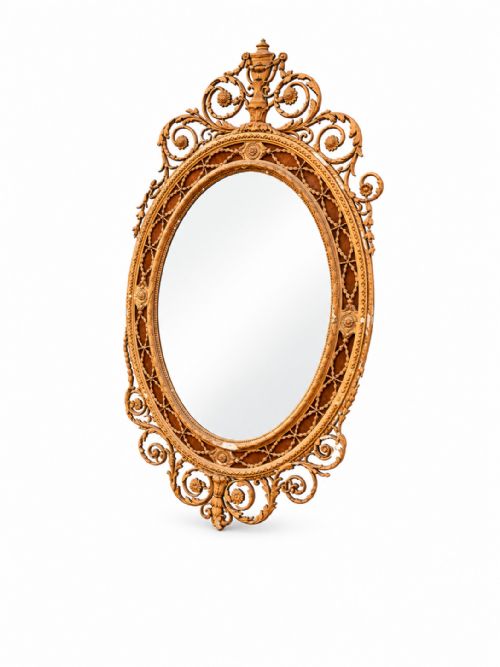
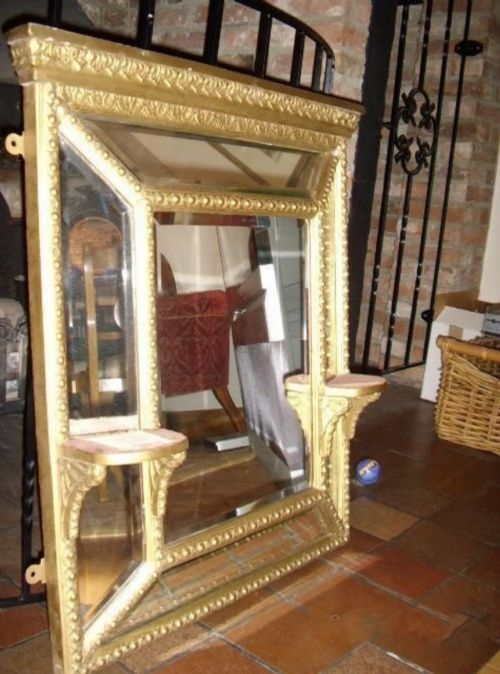
These pieces bring light and scale into a room, offering the carved gilding and generous proportions characteristic of a victorian wall mirror frame.
Victorian Wall Mirror Frame
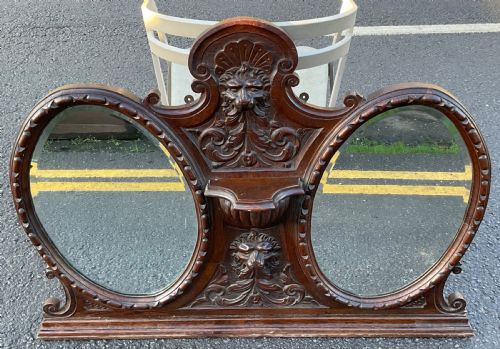
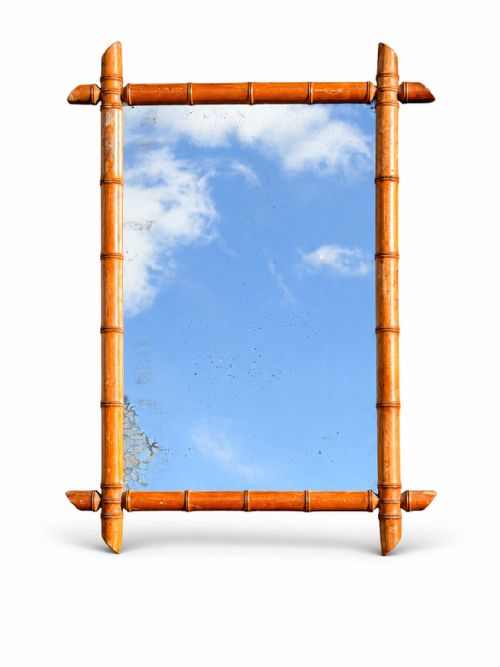
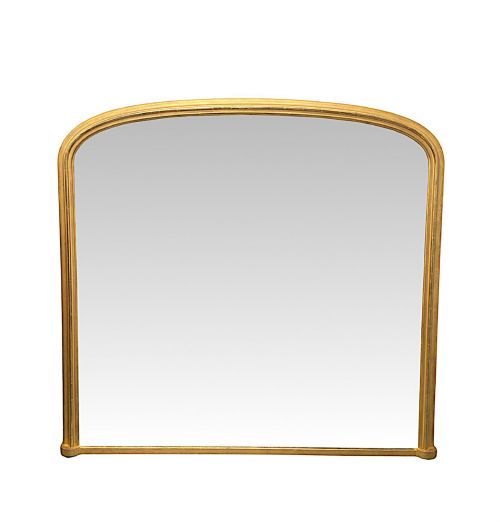
A victorian wall mirror frame brings together the decorative forms of the nineteenth century, including overmantel mirrors, pier glasses, and arched wall hanging pieces.
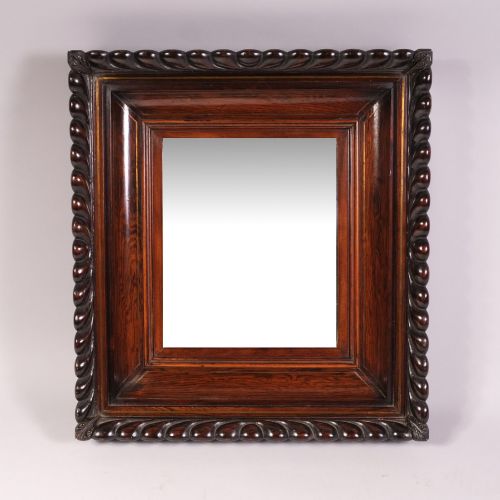
Most examples found here date from the nineteenth century, spanning decades such as the eighteen-sixties, seventies, and eighties, with styles ranging from French rococo revival to plain English ribbed frames.
The typical forms encountered are large scaled items designed to hang above mantelpieces or serve as principal wall focal points in reception rooms.
How They Were Made
Carved wood provides the structural foundation for many frames, often enhanced with gesso and composition ornamentation to build up elaborate crests, rope twists, and leaf motifs.
Gilding techniques utilise gold leaf or silver leaf applied over preparatory layers, while other pieces showcase ebonised finishes, walnut, oak, and cast iron.
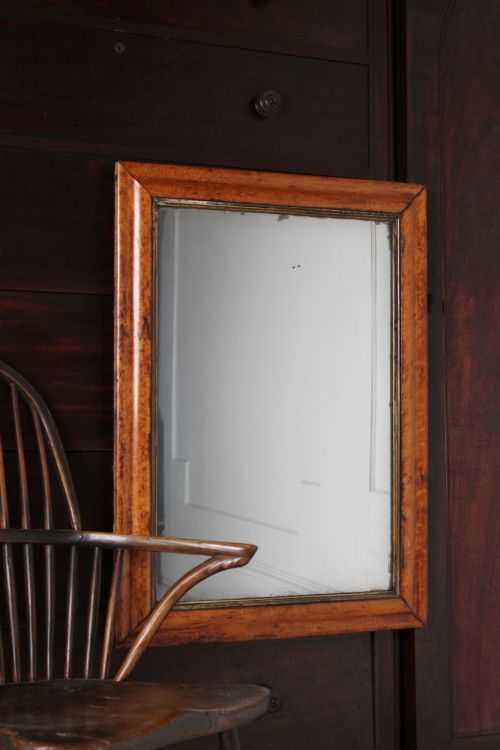
Original mirror glass is frequently retained, showing the bevels and silvering characteristics of nineteenth century production methods.
Victorian Wall Mirror Frame Retail Price Guide 2026
Typical asking prices for victorian wall mirror frame among the pieces listed under this phrase on Sellingantiques today, from the lower quarter to the upper quarter. They describe what is for sale here now, not the wider market.
What Varies in Quality
The depth and crispness of the carving distinguish finer frames, where hand-carved wood elements retain sharp detail compared to heavily moulded composition ornament.
The integrity of the original gilt surface and the preservation of early mirror glass determine the visual depth and historical character of the piece.
Scale and proportion play a significant role, as massive overmantels and well-balanced architectural shapes command greater visual presence.
The Victorian Wall Mirror Frame Glossary
- Gesso
- A plaster-based mixture applied to wood frames to provide a smooth surface for gilding. It allows craftsmen to mould intricate relief decoration.
- Giltwood
- Timber covered with a thin layer of gold leaf. This material defines the bright, reflective appearance of formal nineteenth century mirrors.
- Overmantel Mirror
- A large horizontal mirror designed specifically to hang above a fireplace mantel. These pieces reflect light and anchor the decorative scheme of a room.
- Pier Glass
- A tall, narrow mirror traditionally hung on the pier of wall between windows. They maximise natural light in Victorian interiors.
- Composition
- A moulded mixture of whiting, resin, glue, and linseed oil pressed into shape and applied to wooden frames. It creates complex decorative details efficiently.
Victorian Wall Mirror Frame: Frequently Asked Questions
How do I hang a heavy overmantel mirror safely?
Large nineteenth century frames carry substantial weight from timber, gesso, and glass. They require professional wall fixings secured directly into structural masonry or stud work.
Weight distribution should be shared across heavy-duty brackets rather than relying on a single central cord.
Are the mirror plates original?
Many frames retain their original glass, which often displays minor foxing, age spots, and subtle distortions. These characteristics confirm the period authenticity of the piece.
Replacement glass is sometimes fitted later when the original plates deteriorated beyond retention.
How do I clean a giltwood frame?
Dusting should be performed gently with a soft, dry brush to protect delicate gesso and gold leaf surfaces. Moisture and modern cleaning chemicals must be avoided entirely.
Any intervention should respect the fragile nature of nineteenth century gilding and surface patination.
What is the difference between an overmantel and a wall mirror?
Overmantel mirrors are proportioned horizontally to sit above fireplaces, often incorporating arched tops to fit architectural chimney breasts. Standard wall mirrors take various shapes, including oval, circular, and full-length vertical formats.
Both forms served distinct decorative functions within Victorian domestic interiors.