


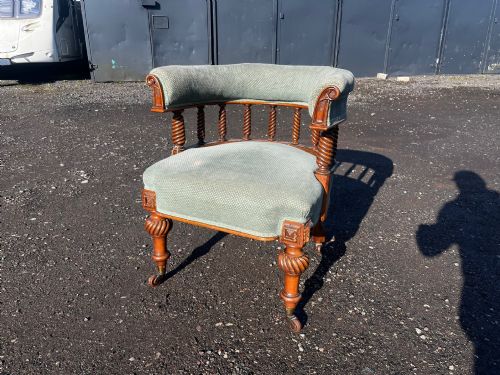
Victorian Velvet Library Chairs
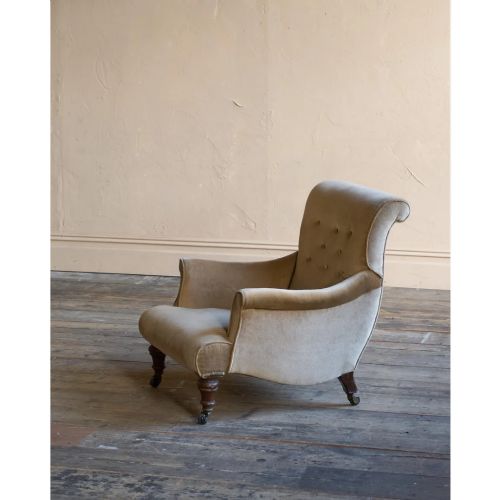
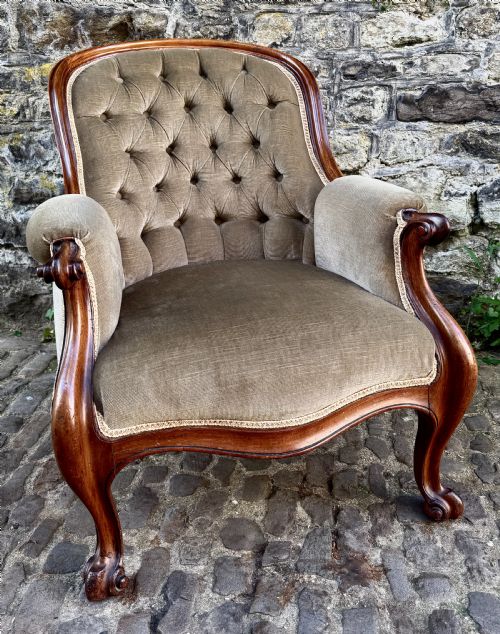
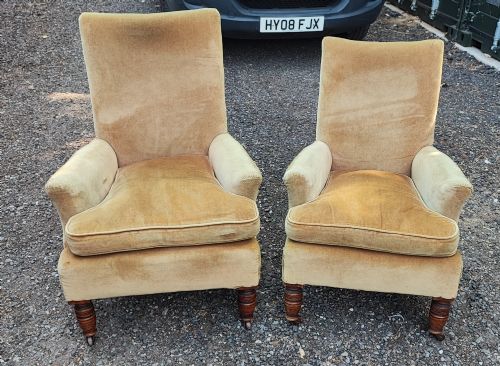
Victorian velvet library chairs bring substantial comfort and period character to a room, offering deep seats and sturdy timber frames.
Victorian Velvet Library Chairs
When buyers search for victorian velvet library chairs, they encounter substantial seating designed for studies, drawing rooms and reading spaces. These pieces combine deep, upholstered comfort with robust timber frames built to endure heavy daily use.
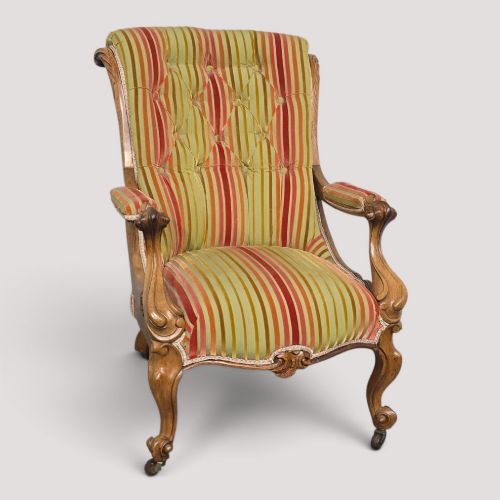
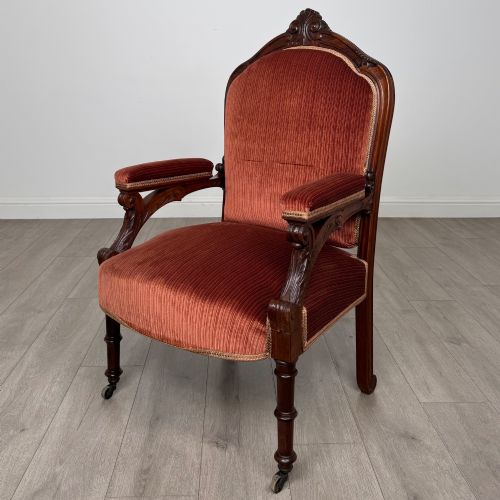
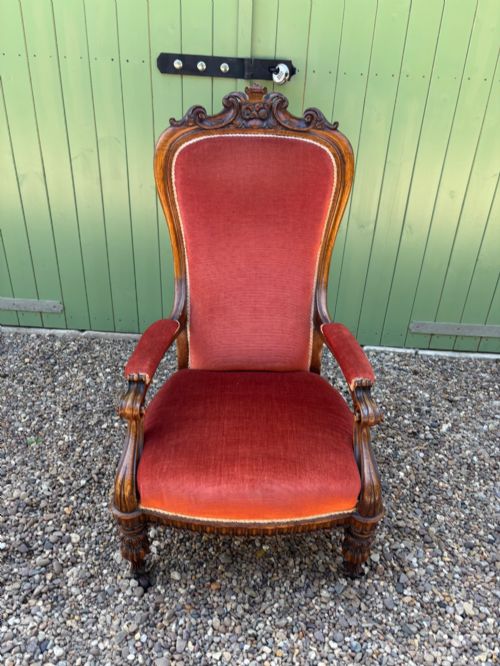
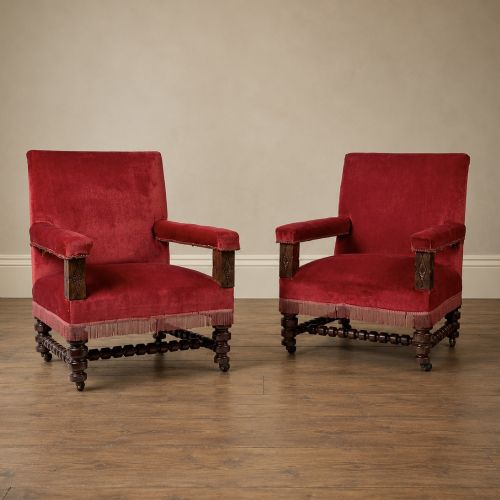
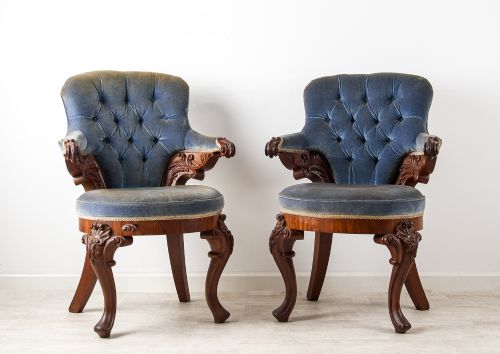
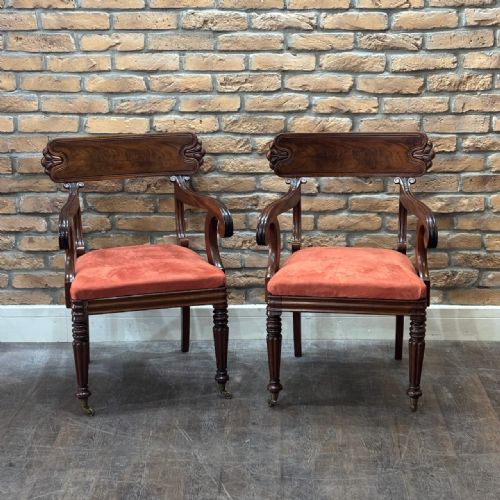
The selections on this page span the broader nineteenth century alongside the Victorian period proper, featuring armchairs, desk chairs and open armchairs. Walnut, mahogany and rosewood dominate the timber framing, often upholstered in rich velvet and textile.
Most examples date from the mid-nineteenth century onwards, though earlier Regency and William IV pieces appear alongside later Edwardian interpretations. Makers such as Gillows and Howard & Sons represent the finest output found within these listings.
Materials and construction
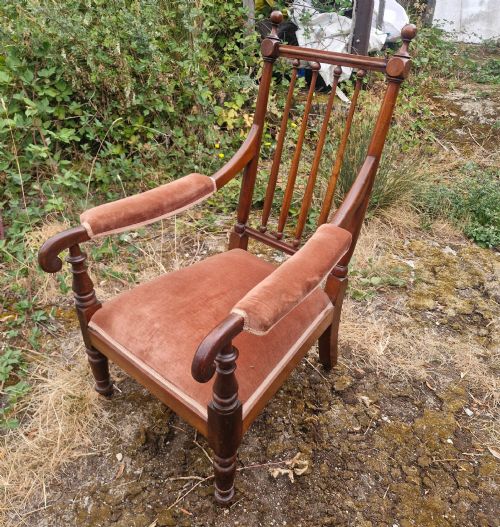
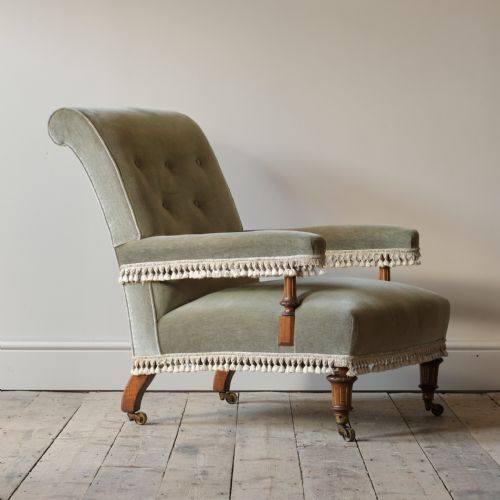
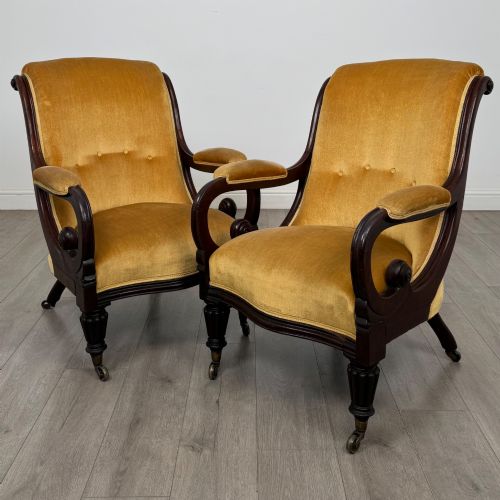
Cabinetmakers utilised dense hardwoods including mahogany, walnut and rosewood for structural frames, turning and carving timber for legs and arm supports. Brass castors frequently finish the feet to allow movement across heavy carpets.
Upholstery relies on traditional stuffing methods enclosed in velvet and textile coverings, occasionally finished with button backs. Wood and oak provide additional structural support for larger, oversized frames and carved armchairs.
Some library chairs arrive equipped with brass castors so enthusiastic readers can quietly track the retreating daylight across the study floor.
Distinctions in quality
Quality rests upon the crispness of timber carving, the selection of dense grain in walnut or mahogany, and the integrity of the internal joinery. Maker attributions to firms like Gillows or Howard & Sons elevate a piece significantly through documented craftsmanship.
The weight of the timber frame and the sophistication of design details, such as lion carvings or bespoke upholstery choices like Colefax and Fowler fabric, separate standard workshop output from exceptional examples.
Gillows·Howard & Sons·J. & T. Scott
The Victorian Velvet Library Chairs Glossary
- Fauteuil
- An open-armed upholstered armchair originating in France, featuring exposed wooden framing around the back and arms. These pieces offer a lighter visual profile than fully padded armchairs.
- Castor
- A small wheel attached to the base of furniture legs to ease movement. Brass versions are typical on nineteenth-century library seating.
- Button back
- An upholstery technique where indentations are formed by pulling stitches through the padding and securing them with buttons. This method maintains the shape of the cushioning over time.
- Elbow chair
- A traditional term for an armchair with low arms designed to support the user's elbows. They frequently serve as desk or library seating.
Victorian Velvet Library Chairs: Frequently Asked Questions
What defines a library chair?
Library chairs are built for prolonged seated reading, featuring supportive arms and heavily padded upholstered backs.
They generally employ robust timbers like mahogany or walnut to withstand regular use in private studies.
How do I identify a Victorian armchair?
Victorian armchairs typically display dark hardwood frames, turned legs, and deep upholstery utilising velvet or heavy textiles.
Details often reflect revival styles such as William & Mary or Chippendale alongside distinct button backing.
Where should I place a desk chair?
Desk chairs suit traditional studies, home offices or writing rooms where a lower, supportive armchair is required.
Their compact scale allows them to sit comfortably beneath standard writing tables while offering comfortable back support.
Are brass castors original?
Brass castors are frequently found on nineteenth-century seating to facilitate movement across thick carpets.
Their presence supports the period authenticity of the piece when combined with appropriate timber framing and joinery.