



Victorian Vanity Tray
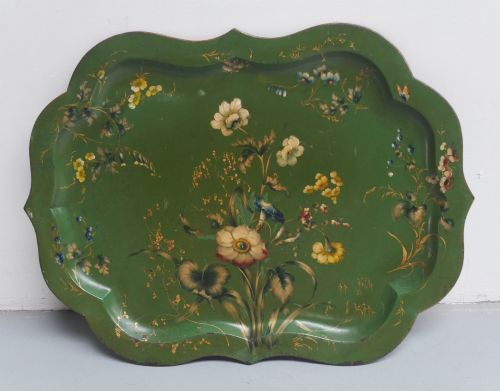
A victorian vanity tray brings order to the dressing table with period charm and genuine utility.
Victorian Vanity Tray
A victorian vanity tray encompasses dressing table sets, trinket dishes, serving trays, and fitted vanity cases designed for personal grooming accessories. These items appear across the nineteenth century, including specific dates from eighteen-sixty to nineteen-hundred.
The selections on this page feature materials such as sterling silver, silver plate, porcelain, cut glass, enamel, rosewood, and gilding. Forms range from simple jewellery dishes to elaborate dressing table sets with matching glass inserts.
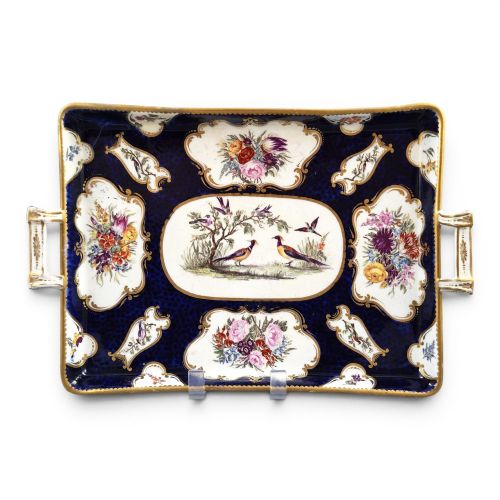
Buyers will encounter distinct stylistic traits including rococo revival curves, art nouveau lines, and floral gilt porcelain traditions reminiscent of Worcester and James Giles. Rosewood and coromandel wooden boxes with internal trays also represent this category.
How they were made
Silver and silver-plated examples utilise traditional smithing methods, with makers such as James Hennell and William Comyns employing techniques like repousse work and casting. Cut glass and crystal components are heavy, with deep wheel-cut facets that catch the light.
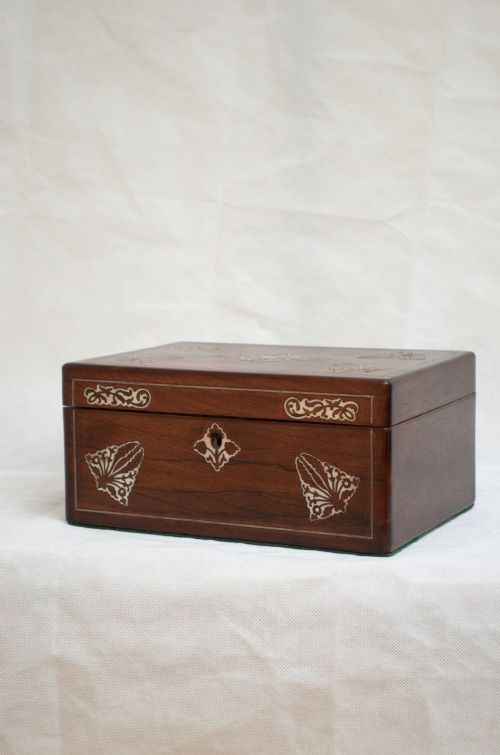
Porcelain pieces integrate hand-painted enamel decoration alongside gilding, often fired to achieve rich metallic borders and botanical or avian motifs. Wooden vanity cases utilise exotic timbers like rosewood and coromandel, fitted with brass hardware and silk linings to hold removable trays.
Victorian Vanity Tray Retail Price Guide 2026
Typical asking prices for victorian vanity tray among the pieces listed under this phrase on Sellingantiques today, from the lower quarter to the upper quarter. They describe what is for sale here now, not the wider market.
Some Victorian dressing sets include secret compartments beneath the trays for storing private correspondence away from prying eyes.
What varies in quality
Quality rests in the crispness of the chasing on silver surfaces and the depth of the cutting in glass dishes. Fine porcelain demonstrates precise enamel brushwork and generous application of fire gilding rather than flat stencil work.
In wooden vanity cases, the grade of the timber and the precision of the internal tray fitting distinguish high workshop output from standard production. Makers who supplied luxury retailers maintained rigorous standards across hinges, locks, and glass bottle stoppers.
James Hennell·W M F·Asprey·William Comyns
The Victorian Vanity Tray Glossary
- Sterling silver
- A silver alloy containing ninety-two point five percent pure silver by mass. This material provides the primary metal standard for the finest nineteenth-century vanity items.
- Cut glass
- Glass decorated by grinding facets or patterns into the surface using a rotating wheel. It yields sharp edges and high refractive brilliance on dressing table dishes.
- Coromandel
- A dense, dark cabinet wood with contrasting light stripes imported from Asia. It serves as a luxury carcass material for high-end Victorian vanity cases.
- Gilding
- The application of a thin layer of gold or gold leaf to porcelain or metal surfaces. It accentuates rims and painted motifs on Victorian serving trays.
- Repousse
- A metalworking technique where the smith hammers the metal from the reverse side to form a raised design. This creates tactile relief on silver trays.
Victorian Vanity Tray: Frequently Asked Questions
What is a victorian vanity tray used for?
These trays held small personal items such as rings, pins, perfume bottles, and brushes on a bedroom dressing table. They kept daily accessories organised while protecting polished wooden furniture surfaces.
Larger versions accommodated complete dressing table sets, while fitted boxes included removable trays for secure storage of valuable trinkets.
How do I clean silver vanity items?
Silver components require gentle cleaning with a specialist non-abrasive polish and a soft cloth to remove tarnish. Avoid harsh chemical dips that strip the character from engraved or repousse details.
Glass and porcelain elements should be washed separately in warm soapy water using a sponge, ensuring any mounted metal rims remain dry.
How can I tell the date of a tray?
Silver pieces often carry hallmarks indicating the assay office, standard mark, and date letter corresponding to specific years. Stylistic clues such as rococo revival curves or art nouveau motifs also help narrow the period.
Maker marks and registration numbers stamped into the base or frame provide further chronological context for dating.
Are wooden vanity boxes waterproof?
Wooden cases featuring rosewood or coromandel timber are not waterproof and can warp if exposed to standing water. The interior velvet or silk linings require protection from dampness and spilled perfumes.
Glass bottles inside fitted trays should be emptied before travel to prevent moisture damage to the antique woodwork.