

Victorian Upholstery
Victorian upholstery covers seating from armchairs to chaises longues, providing structured support and deep comfort through period craftsmanship.
Victorian Upholstery
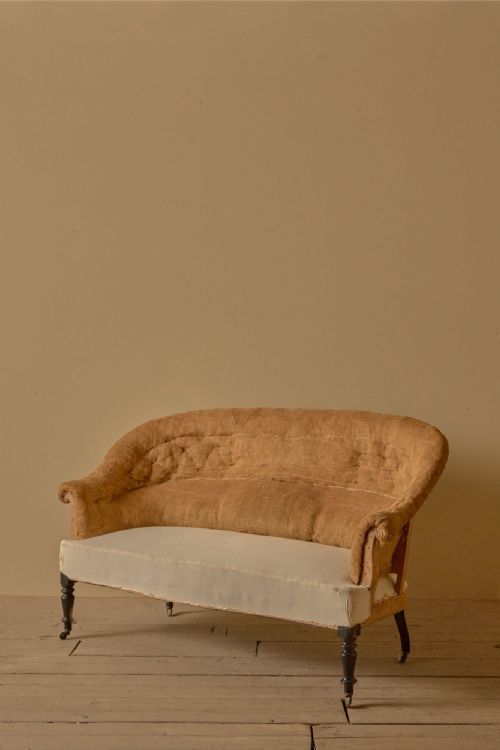
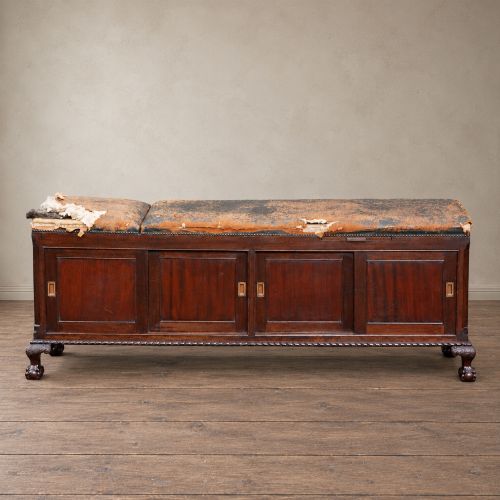
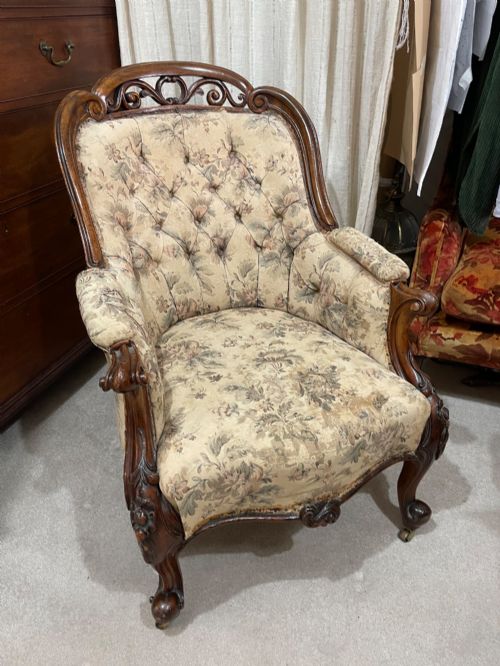
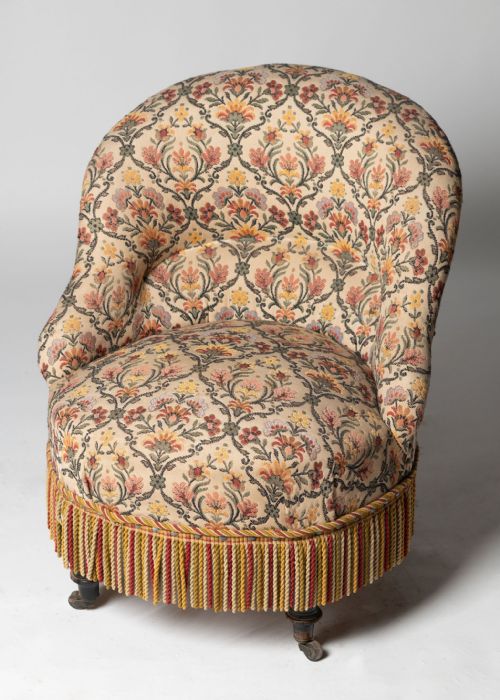
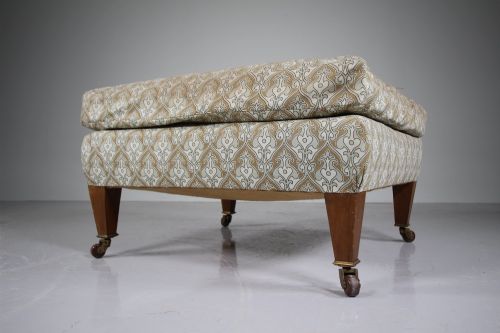
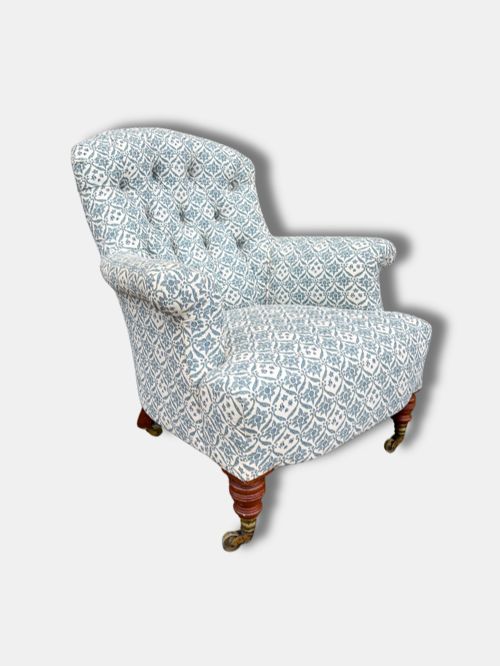
When buyers search for victorian upholstery, they encounter a diverse selection of nineteenth-century seating forms including button back armchairs, chesterfield sofas, nursing chairs, and footstools. The pieces span periods from the mid-nineteenth century through the Edwardian era, reflecting both English country house styles and French designs such as the Napoleon III chair.
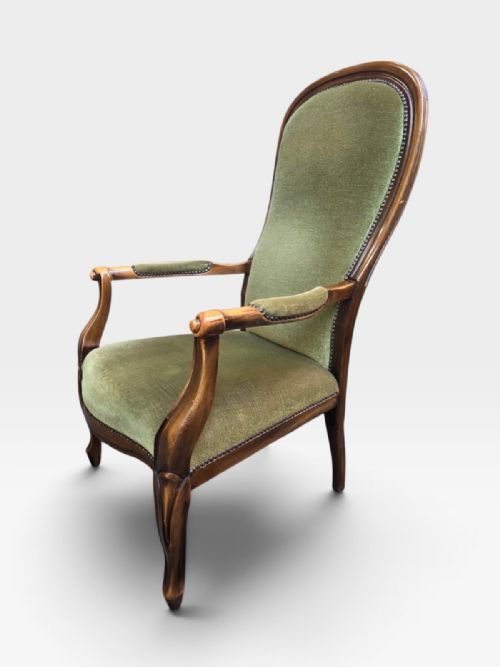
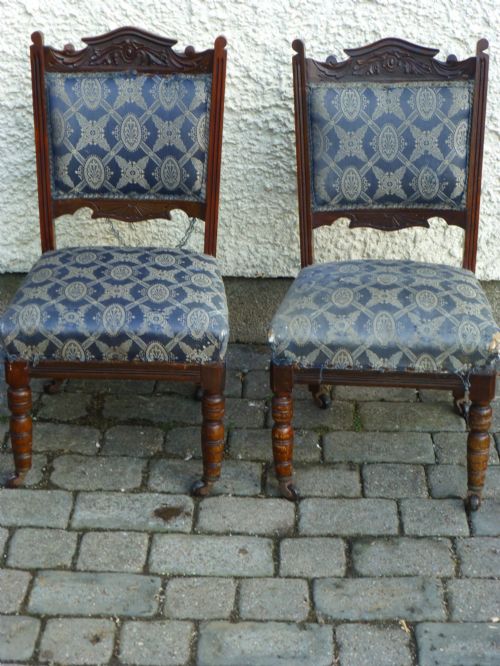
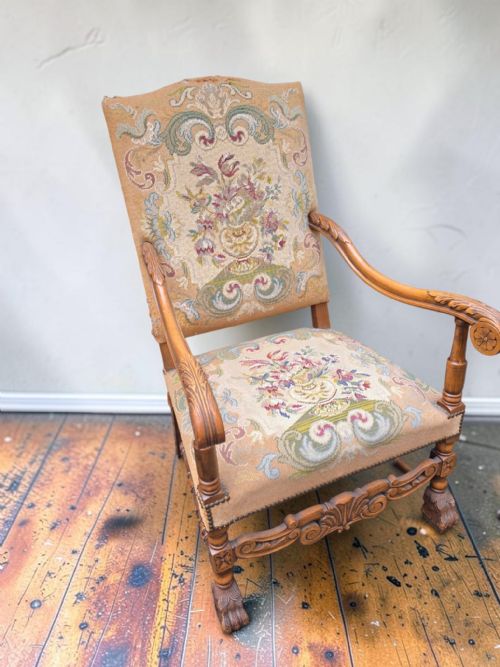
Armchairs and sofas dominate the selection, often upholstered in velvet, leather, tapestry, or calico linen over sturdy frames of mahogany, walnut, and rosewood. Maker-attributed examples sit alongside traditional country house pieces, offering various seating proportions from deep-seated library chairs to compact slipper chairs.
Materials and construction methods
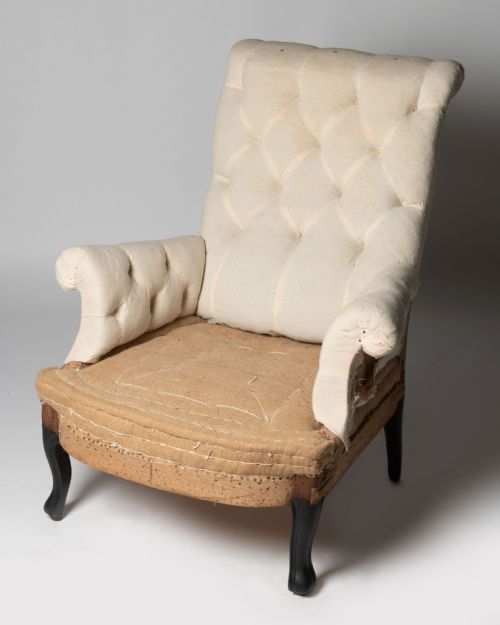
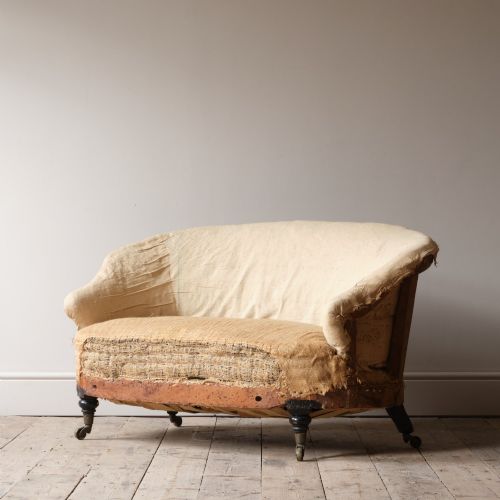
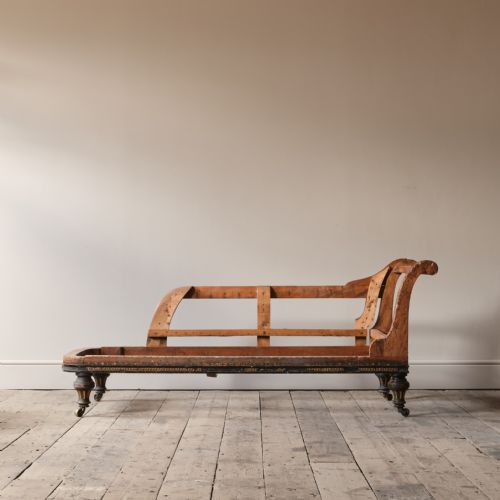
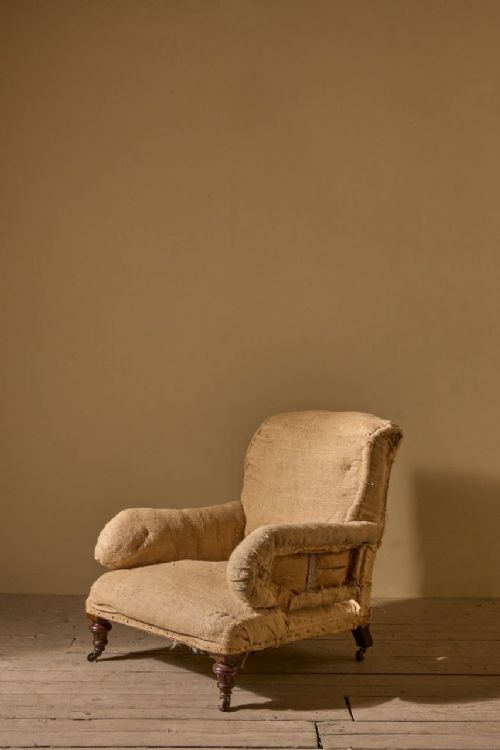
Makers constructed robust internal frames utilising hardwoods like mahogany, walnut, rosewood, and general timber, providing the essential structural skeleton for heavy stuffing. Beneath the final decorative layers, traditional upholstery techniques employed hessian and calico to secure internal padding and maintain shape.
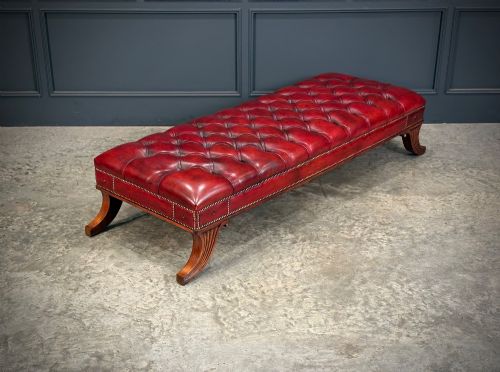
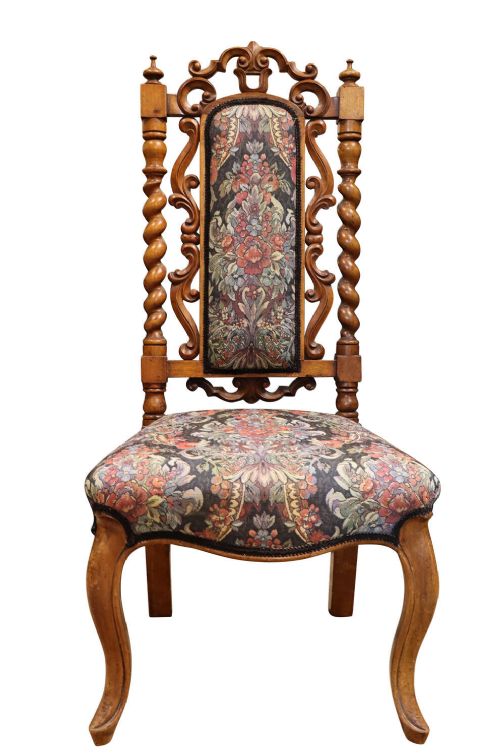
Visible woodwork often featured carved detailing, brass accents, or spiral turning, while surface coverings ranged from durable leather and woven tapestry to soft velvet and linen. Buttoning techniques secured deep upholstery indentations, creating the characteristic tufted appearance seen on nineteenth-century armchairs and chesterfields.
Victorian Upholstery Retail Price Guide 2026
Typical asking prices for victorian upholstery among the pieces listed under this phrase on Sellingantiques today, from the lower quarter to the upper quarter. They describe what is for sale here now, not the wider market.
Listings feature diverse woods including mahogany, walnut, rosewood, and brass hardware across nineteenth-century seating.
Judging build and material quality
Quality in these pieces rests upon the integrity of the underlying hardwood frame and the resilience of the traditional stuffing materials. Superior examples maintain firm structural support and precise joinery beneath their fabric coverings, whereas lesser pieces show timber fatigue or require extensive framework intervention.
The sophistication of the carved woodwork and the grade of the original textiles further separate standard examples from notable workshop productions. Pieces retaining authentic maker stamps or high-end secondary upholstery demonstrate superior provenance and refined construction standards.
Howard & Sons·Charles Hindley & Sons·Holland & Sons·Gillows
The Victorian Upholstery Glossary
- Calico
- A plain-woven cotton fabric often used as an inner lining or base cover beneath decorative exterior upholstery.
- Hessian
- A coarse woven fabric, typically made from jute fibres, utilised inside upholstered seating to support internal stuffing.
- Button back
- A traditional upholstery style where buttons are pulled deep into the padding to form a geometric tufted pattern.
- Chesterfield
- A large padded sofa traditionally characterised by rolled arms and a back of the same height.
Victorian Upholstery: Frequently Asked Questions
How do I identify a Howard & Sons armchair?
Howard & Sons pieces often display specific maker stamps on the castors or legs, alongside characteristic low-slung proportions and deep cushioning.
These armchairs typically utilise high-grade internal stuffing and distinct transitional styling bridging the nineteenth and twentieth centuries.
What is the difference between a nursing chair and a slipper chair?
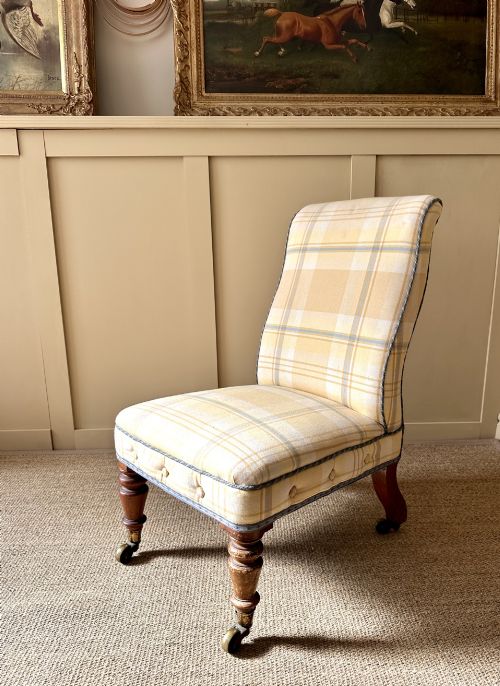
Nursing chairs traditionally feature low seats designed to make holding infants easier, frequently paired with decorative carved walnut or rosewood frames.
Slipper chairs also sit low to the ground but generally lack arms, originally intended for ladies' bedrooms during dressing.
Are pieces listed for re-upholstery worth buying?
Items sold for re-upholstery offer the opportunity to restore internal webbing and apply new fabric matching contemporary interior schemes.
Buyers should examine the exposed timber frame and underlying springs carefully to ensure the structural core remains sound before purchasing.
How do I care for antique leather upholstery?
Antique leather requires gentle cleaning and periodic conditioning to prevent the hide from drying and cracking over time.
Keeping the leather away from direct sunlight and excessive heat sources preserves the natural patina and suppleness of the material.